Essential Care and Cleaning Tips for Silver Clay Jewelry
Discover expert care, maintenance, and cleaning tips for silver clay jewelry. Learn how to safely polish, prevent tarnish, and protect PMC textures.

Understanding the Unique Nature of Silver Clay
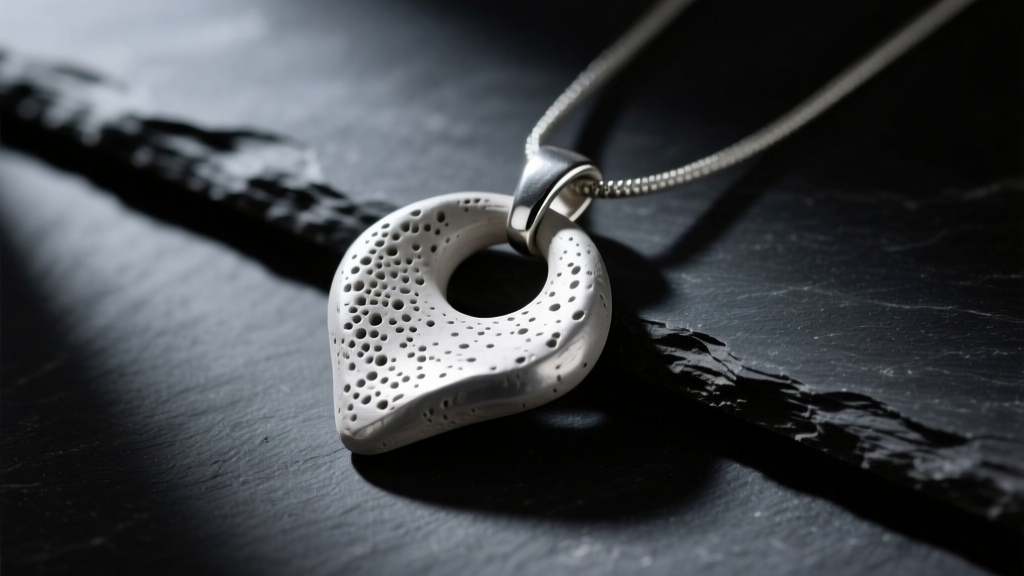
Silver clay jewelry—crafted from materials like Precious Metal Clay (PMC) or Art Clay Silver—represents a fascinating intersection of sculpture and metallurgy. Unlike traditional cast or milled sterling silver, silver clay begins as a pliable mixture of microscopic .999 fine silver particles, water, and an organic cellulose binder. When fired in a kiln or with a torch, the binder burns away, and the silver particles sinter together, shrinking by 10% to 15% to form a solid piece of fine silver.
This unique sintering process means that silver clay jewelry possesses a slightly higher microscopic porosity compared to solid cast .925 sterling silver. While this porosity allows for incredible textural detail and organic forms, it also dictates a completely different approach to cleaning and maintenance. Harsh chemicals can become trapped in the microscopic voids, leading to long-term discoloration or structural degradation. According to technical guides from Ganoksin's Metal Clay Basics, understanding this porosity is the first step in preserving the longevity of your artisan pieces.
Daily Maintenance and Tarnish Prevention
Fine silver (.999) is inherently more resistant to tarnish than sterling silver (.925) because it lacks the copper alloy that typically reacts with sulfur and moisture in the air. However, silver clay pieces are often treated with patinas (like Liver of Sulfur) to highlight their intricate textures, and these surface treatments require specific environmental controls.
- Avoid Chemical Exposure: Remove your silver clay rings and pendants before swimming in chlorinated pools, using household bleach, or applying heavy lotions and perfumes. Chlorine can cause irreversible pitting in sintered fine silver.
- Manage Moisture: Never store silver clay jewelry in high-humidity environments like bathroom counters. Moisture accelerates the oxidation of any patina treatments and can degrade porous surfaces over time.
- Wear It Often: The natural oils from your skin actually help maintain a gentle polish on the high points of fine silver clay, keeping it luminous without the need for abrasive rubbing.
Step-by-Step Cleaning Methods for Silver Clay
When your silver clay jewelry accumulates dirt, oils, or environmental tarnish, you must use methods that clean the surface without driving residues into the microscopic pores of the sintered metal.
Method 1: The Mild Soap Soak (For Light Soil and Oils)
For routine cleaning of un-oxidized silver clay, a simple surfactant wash is the safest approach. Mix three drops of a mild, phosphate-free dish soap (such as Dawn) into a bowl of lukewarm water. Allow the piece to soak for exactly five minutes. Use an extra-soft baby toothbrush to gently agitate the suds into deep textures and crevices. Rinse thoroughly under distilled water to prevent hard water spots, and dry immediately with a microfiber cloth.
Method 2: Baking Soda Paste (For Stubborn Tarnish)
If your .999 fine silver piece has developed surface tarnish, avoid liquid dips entirely. Instead, create a thick paste using equal parts baking soda and distilled water. Apply the paste with a cotton swab, gently rubbing only the raised, high-polish areas. Do not scrub recessed areas if your piece has a dark oxidized patina, as the mild abrasiveness of the baking soda will strip the intentional antiquing. Rinse completely and dry.
The Danger of Liquid Dip Cleaners
Never use commercial liquid tarnish removers (thiourea-based dips) on silver clay jewelry. The porous nature of sintered metal will absorb the chemical solution. Even after thorough rinsing, trapped chemicals will continue to react with the silver from the inside out, causing a phenomenon known as 'bloom tarnish'—a stubborn, yellowish crust that emerges weeks after cleaning and is nearly impossible to remove.
Preserving Patinas and Textured Surfaces
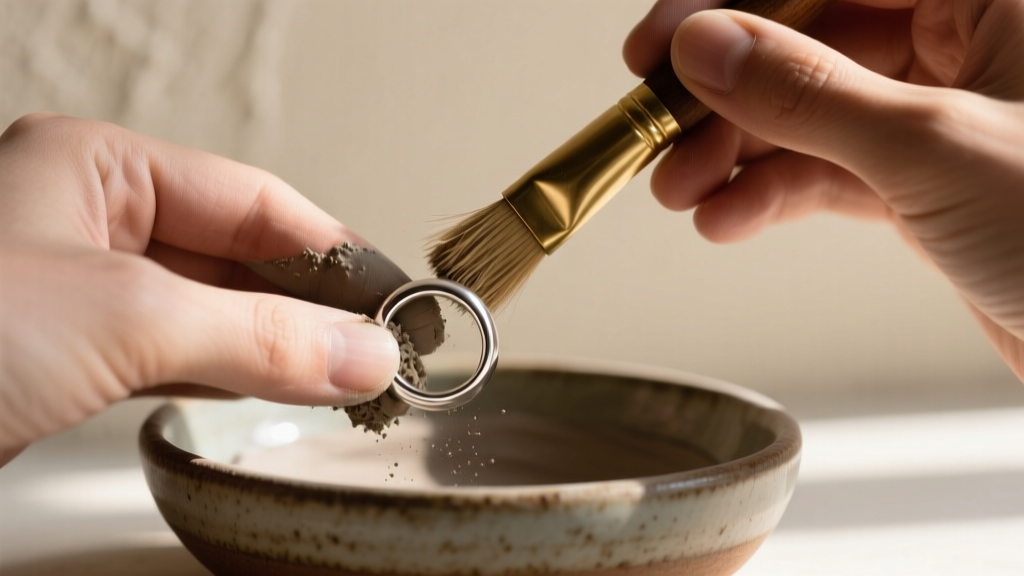
Many artisans use Liver of Sulfur (LOS) to create striking black, gray, or iridescent patinas in the recesses of silver clay jewelry. Cleaning these pieces requires a delicate balance: you want to remove skin oils and dirt without stripping the dark oxidation from the low points.
To maintain a patina, rely on mechanical polishing rather than chemical baths. A brass wire brush (used with a drop of soapy water) is the industry standard for silver clay. The brass is softer than the fine silver, meaning it will clean the surface and leave a beautiful, soft satin finish on the high points without scratching the metal or removing the dark patina in the crevices. For a mirror shine on raised edges, use an agate burnisher, which compresses the surface pores of the fine silver, creating a brilliant reflection while simultaneously work-hardening the metal.
Cleaning Agents Comparison Chart
Not all silver cleaners are created equal. Use this framework to determine the safety of common cleaning agents for sintered silver clay.
| Cleaning Agent | Porosity Risk | Finish Impact | Best Use Case |
|---|---|---|---|
| Thiourea Liquid Dips | High (Traps in pores) | Strips all patinas | NEVER use on PMC |
| Mild Dish Soap | None | Neutral | Daily grime and oil removal |
| Baking Soda Paste | Low | Mild Abrasion | Spot-cleaning heavy tarnish |
| Brass Wire Brush | None | Creates Satin Finish | Textured or matte surfaces |
| Silver Polishing Cloth | None | High Shine | Final buffing of raised areas |
Long-Term Storage and Structural Care
Because silver clay is typically .999 fine silver, it is significantly softer than .925 sterling silver. When it emerges from the kiln, it is fully annealed (dead soft). While artisans work-harden the pieces via tumbling or burnishing, the metal remains more susceptible to bending, warping, and prong failure than traditional cast jewelry.
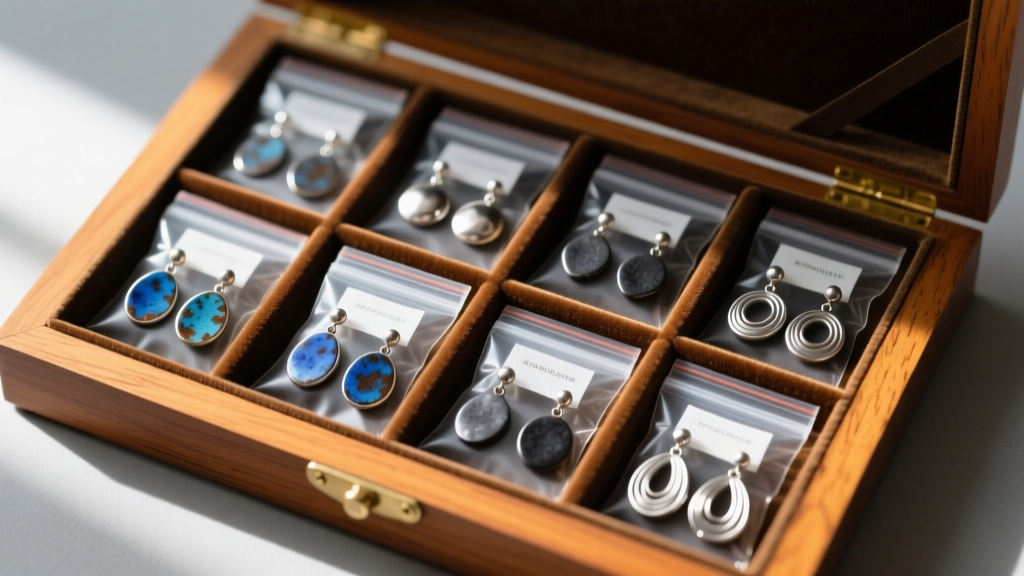
When storing your collection, structural protection is just as important as tarnish prevention. Always store silver clay pieces individually in airtight polyethylene ziplock bags. Include a 3M anti-tarnish strip in each bag to absorb ambient sulfur gases. Never toss multiple pieces into a single jewelry box drawer; the softer fine silver will easily scratch, and delicate elements like hand-sculpted prongs or thin bail loops can bend under the weight of heavier items.
Finally, inspect the structural integrity of your silver clay jewelry every six months. Pay close attention to jump rings, ear wires, and any bezel settings. Because fine silver lacks the copper that gives sterling its spring and memory, jump rings on silver clay pieces can pull open more easily. If you notice a gap, have a jeweler carefully close it and consider having the jump ring soldered to prevent the loss of your artisan pendant. For further insights on maintaining the structural integrity of precious metal clays, refer to Rio Grande's technical firing and finishing guides, which outline how proper initial firing schedules dictate long-term durability.
Summary Checklist for Silver Clay Owners
- Do: Use mild soap, distilled water, and a soft baby toothbrush for routine cleaning.
- Do: Utilize a brass wire brush to maintain satin finishes and protect dark patinas.
- Do: Store in airtight bags with anti-tarnish strips to protect against environmental sulfur.
- Don't: Ever submerge silver clay in commercial liquid tarnish dips.
- Don't: Use the aluminum foil and boiling water method, as galvanic reactions can leave residue in porous textures.
- Don't: Wear silver clay jewelry during heavy manual labor or gym sessions, as .999 fine silver bends easily under pressure.
By respecting the unique metallurgical properties of sintered silver, you ensure that the intricate textures and organic beauty of your silver clay jewelry remain pristine for generations.


