Can Silver Plated Jewelry Tarnish? The Complete Beginner Guide
Can silver plated jewelry tarnish? Yes. Discover why silver plate tarnishes, how micron thickness affects longevity, and expert tips to prevent it.

The Short Answer: Why Silver Plating Tarnishes
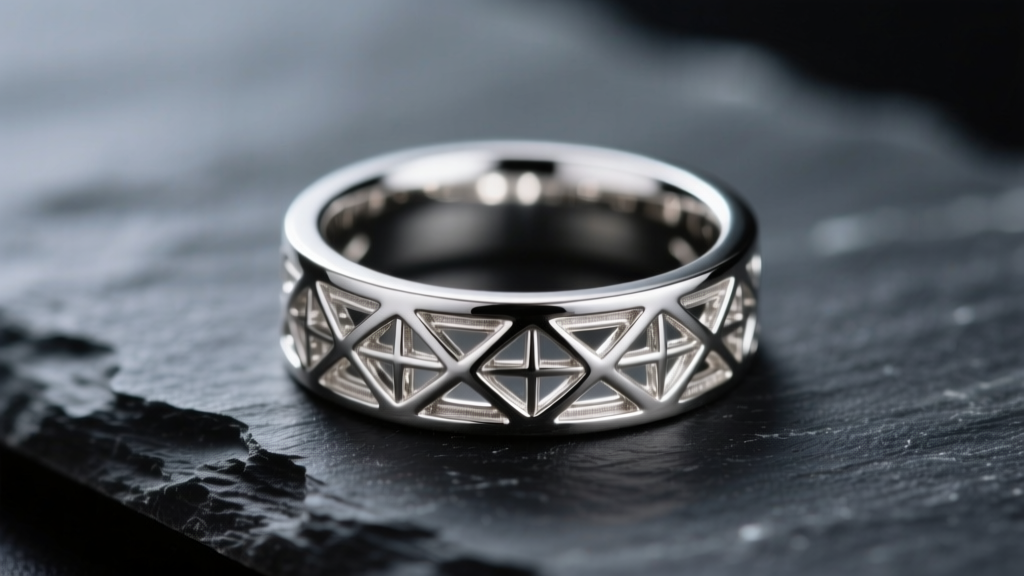
If you are new to building a jewelry collection, you have likely asked: can silver plated jewelry tarnish? The short answer is an absolute yes. In fact, silver-plated pieces can sometimes tarnish more aggressively and unpredictably than solid sterling silver. To understand why, we must look at how plated jewelry is manufactured. Silver plating involves using an electrical current to fuse a microscopic layer of pure silver onto a base metal core—usually brass, copper, or nickel. While the surface looks identical to solid silver, the underlying core and the extreme thinness of the silver layer introduce unique vulnerabilities to environmental factors.
The Science of Tarnish: Base Metals and Porosity
Tarnish is not a defect; it is a natural chemical reaction. Pure silver reacts with hydrogen sulfide in the atmosphere to form silver sulfide, which manifests as a dull, yellowish, or black film on the surface. According to Encyclopedia Britannica, this oxidation process is accelerated by moisture and airborne pollutants.
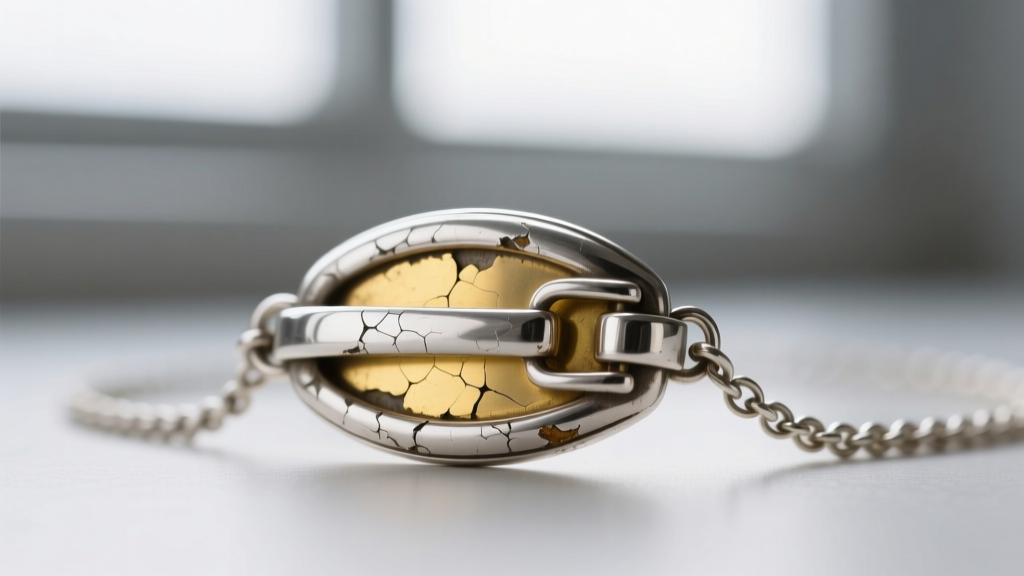
However, with silver-plated jewelry, a secondary failure mode occurs. The electroplating process, especially on mass-produced items, can leave microscopic pores in the silver layer. When moisture and oxygen penetrate these pores, the base metal (often copper or brass) begins to oxidize. This base metal oxidation creates a dark or greenish bleed-through that pushes up against the silver layer, causing the piece to look tarnished or discolored from the inside out. Once the base metal is exposed, the structural integrity of the plating is compromised.
Understanding Micron Thickness and FTC Guidelines
The longevity of your silver-plated jewelry is directly tied to the thickness of the silver layer, measured in microns (one-thousandth of a millimeter). The Federal Trade Commission (FTC) Jewelry Guides strictly regulate how manufacturers can label plated items, but the market is still flooded with ultra-thin "flash plated" pieces that degrade within weeks.
| Plating Grade | Thickness (Microns) | Expected Lifespan (Daily Wear) | Common Use Cases |
|---|---|---|---|
| Flash Plated | 0.01 - 0.1 | 1 to 3 months | Fast fashion, disposable trend jewelry |
| Standard Plated | 0.5 - 1.0 | 1 to 2 years | Mid-tier boutique jewelry, occasional wear |
| Heavy Plated | 2.0 - 3.0+ | 3 to 5+ years | High-end fashion, heirloom-style pieces |
| Silver Filled | 5.0 - 10.0+ | 10+ years | Alternative to solid sterling silver |
Environmental Triggers: What Accelerates Plated Tarnish?
Because the silver layer is so thin, plated jewelry is highly reactive to everyday environments. If you want to preserve your pieces, you must avoid the following accelerants:
- Sulfur Compounds: Found in rubber bands, wool, latex, and even certain foods like eggs and onions. Storing silver-plated jewelry secured with a rubber band will guarantee a black tarnish ring.
- Chlorides and Salts: Human sweat contains salts and lactic acid that rapidly eat through thin silver plating, exposing the copper core beneath.
- Cosmetics and Fragrances: Lotions, hairsprays, and perfumes contain alcohols and emulsifiers that strip the protective oils from the metal and accelerate oxidation.
- High Humidity: Moisture acts as a catalyst for both silver sulfide formation and base metal corrosion.
The Cleaning Myth: Why You Must Avoid DIY Electrochemical Baths
If you search for silver cleaning hacks, you will inevitably find the "aluminum foil, baking soda, and boiling water" trick. Never use this method on silver-plated jewelry.
This DIY method relies on an electrolytic (galvanic) reaction to transfer silver sulfide from the jewelry to the aluminum foil. While this works wonders for thick, solid sterling silver, it is disastrous for plated items. The electrical current generated in the bath can actually strip the microscopic silver layer right off the base metal. Furthermore, if there are any microscopic pores or scratches in the plating, the galvanic reaction will cause the exposed brass or copper core to oxidize instantly, leaving you with a permanently ruined, blackened piece of jewelry.
How to Clean Tarnished Silver Plated Jewelry Safely
Instead of harsh chemical dips or electrochemical baths, rely on gentle mechanical cleaning. The principles of electroplating dictate that the silver layer is physically bonded but mechanically delicate. Follow these steps:
- Mix a few drops of mild, phosphate-free dish soap into a bowl of lukewarm (not hot) water.
- Submerge the jewelry for no more than three to five minutes to loosen surface oils.
- Gently agitate the water with your fingers. Do not scrub with a toothbrush, as the bristles can create micro-scratches in the thin silver layer.
- Rinse thoroughly under cool distilled water to prevent hard water mineral deposits.
- Pat completely dry with a lint-free microfiber cloth. Air drying will leave water spots that mimic tarnish.
Preventative Care: Extending the Life of Your Plated Pieces
Preventing tarnish is vastly easier than trying to reverse it on a delicate plated surface. Implementing a strict storage protocol will add years to the life of your jewelry.
The Ultimate Storage Protocol
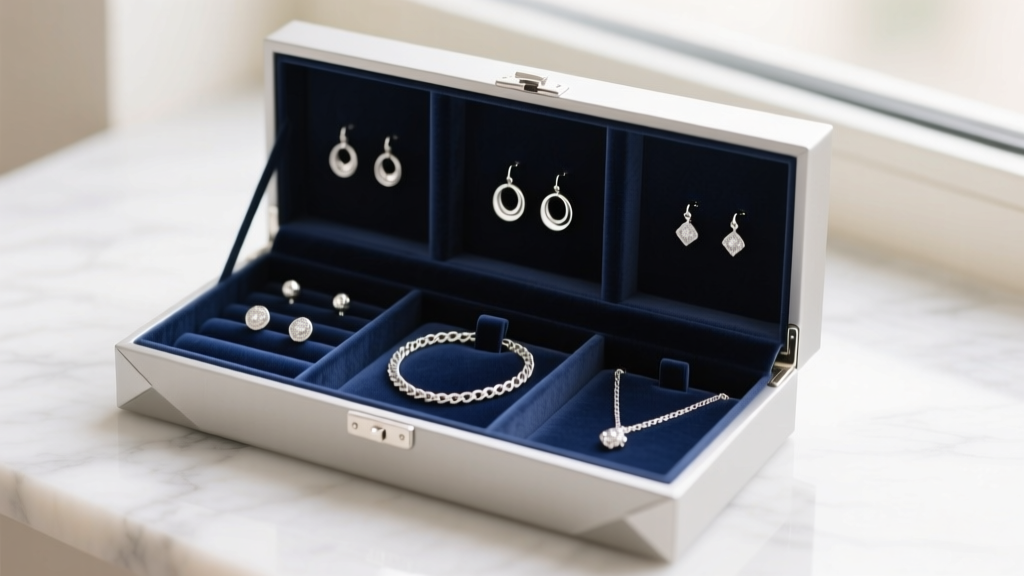
Never toss silver-plated jewelry into an open dish or a shared jewelry box where pieces can scratch one another. Scratches breach the silver layer, exposing the base metal to air. Instead, store each piece individually in an airtight polyethylene ziplock bag. Squeeze out as much air as possible before sealing. For maximum protection, drop a 3M anti-tarnish strip or a small packet of silica gel desiccant into the bag to absorb ambient sulfur and moisture.
Expert Tip: If you live in a highly humid coastal climate, consider applying a micro-thin layer of museum wax or a specialized jewelry sealant to your silver-plated pieces before storing them. This creates an invisible, inert barrier that blocks oxygen and sulfur from reaching the metal surface.
When to Replate: Recognizing the Point of No Return
Eventually, friction from daily wear will wear through the silver plating, particularly on high-contact areas like the inside of rings or the clasps of necklaces. Once you see a distinct yellow, pink, or grey metallic hue showing through, the base metal is exposed. At this stage, polishing will not help; it will only remove more of the surrounding silver.
When this happens, you have two options. You can take the piece to a professional jeweler for replating. Standard silver replating typically costs between $35 and $75, depending on the surface area of the item. Alternatively, you can ask the jeweler to plate the item with rhodium—a hard, tarnish-resistant platinum group metal. While rhodium plating is more expensive (often $60 to $120), it provides a brilliant, mirror-like finish that will never tarnish and offers a highly durable shield over the base metal, effectively solving the tarnish problem forever.


