Silver Paint for Jewelry: DIY Custom Gifts & Restoration Guide
Discover how to use silver paint for jewelry to craft custom gifts and restore vintage pieces. A complete DIY occasion-matching guide for 2026.

The Art of the Personalized Jewelry Gift
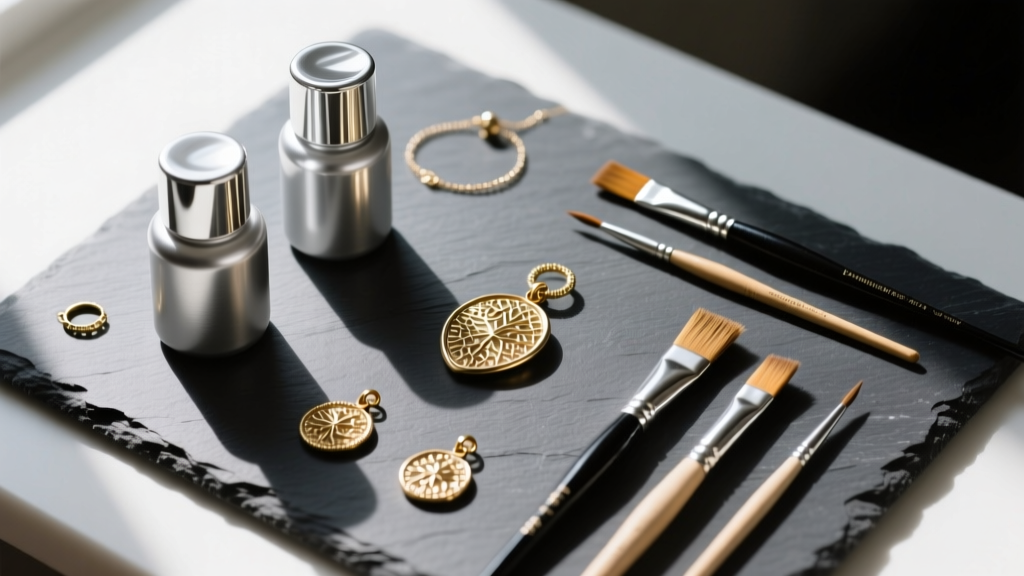
Gifting jewelry is a deeply personal endeavor, but buying mass-produced pieces off the rack often lacks the soul and narrative of a handcrafted or meticulously restored item. For the DIY enthusiast and the thoughtful gift-giver, learning how to properly utilize silver paint for jewelry opens up a highly rewarding niche of bespoke present-making. Whether you are breathing new life into a worn family heirloom, crafting mixed-media resin pendants, or building functional circuit-board wearables, specialized silver paints offer a versatile medium for creating unforgettable, occasion-specific gifts.
However, applying paint to jewelry requires an understanding of material science, skin safety, and proper sealing techniques. Fine 925 sterling silver should rarely be painted, as it diminishes the intrinsic value and patina of the precious metal. Instead, the art lies in using silver paints on base metal blanks, mixed-media components, and vintage silver-plated items, then assembling them with high-quality sterling findings. In this comprehensive guide, we will explore the exact materials, techniques, and occasion-matching strategies you need to create stunning DIY jewelry gifts.
Understanding Silver Paint for Jewelry: Types & Grades
Not all silver-colored paints are created equal. The term 'silver paint' encompasses a wide spectrum of chemical compositions, each suited for entirely different jewelry applications. Choosing the wrong type can lead to peeling, tarnishing, or even skin irritation. To achieve professional results, you must distinguish between decorative metallic enamels, conductive silver epoxies, and solvent-based leafing pens.
| Paint Type | Composition | Best Application | Durability | Avg. Price Range |
|---|---|---|---|---|
| Decorative Metallic Enamel | Mica/Aluminum flakes in acrylic/polyurethane binder | Mixed-media, Resin accents, Polymer clay | Medium (Requires topcoat sealing) | $5 - $15 / 2oz |
| Conductive Silver Epoxy | Real micronized silver dust in two-part epoxy resin | Circuit jewelry, Smart wearables, LED integration | High (Structural & Electrical) | $35 - $60 / syringe |
| Silver Leafing Pen | Metallic pigment in solvent base | Quick touch-ups, Calligraphy on metal bezels | Low (Decorative only, chips easily) | $8 - $12 / pen |
For most crafting and restoration projects, high-quality metallic acrylic enamels (such as Jacquard Lumiere or specialized jewelry lacquers) are the standard. They provide a brilliant, reflective finish that mimics polished silver when properly sealed. For tech-integrated jewelry, conductive epoxies like MG Chemicals 8331 are mandatory, as they contain actual silver particles that allow electrical current to flow.
Occasion Matching: Which Project Fits Your Recipient?
The beauty of DIY jewelry is its ability to be tailored to the exact personality and milestone of the recipient. Here is how to match your silver paint project to specific gifting occasions.
The Sentimental Anniversary: Restoring Vintage Silver-Plate
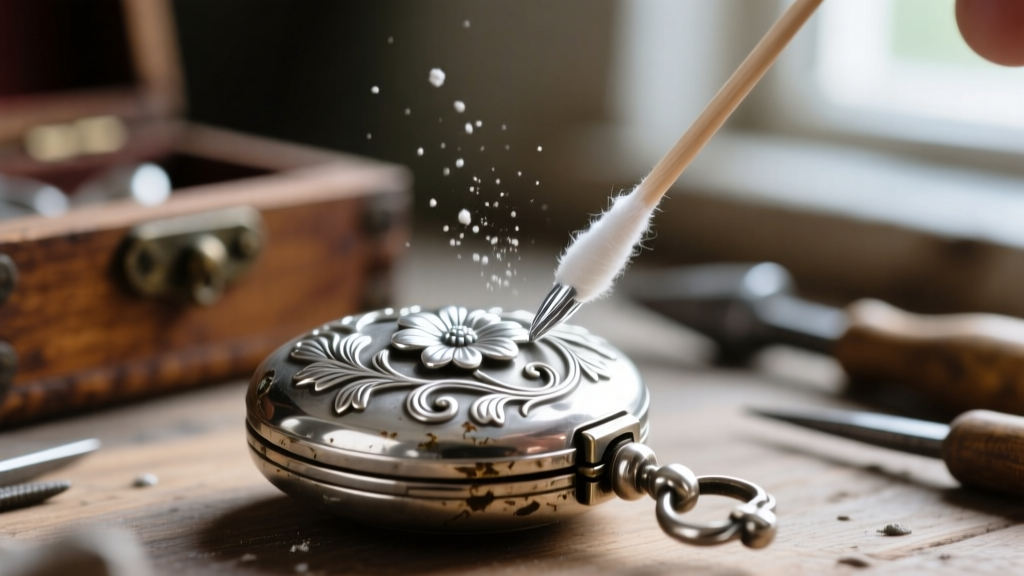
For a 25th or 50th wedding anniversary, few gifts carry the emotional weight of a restored family heirloom. Vintage silver-plated brass or copper lockets often suffer from 'brass bleed,' where the base metal shows through the worn silver plating. Instead of expensive and sometimes impossible re-plating, you can use metallic silver enamel paint to meticulously restore the piece.
The Process: Begin by degreasing the locket with 99% isopropyl alcohol. Do not use abrasive polishes, as they will strip more plating. Lightly scuff the worn areas with 800-grit sandpaper to give the paint a mechanical tooth. Using a size 0 spotter brush or a silicone color shaper, carefully apply thin layers of metallic acrylic enamel. Allow 24 hours of cure time. Finally, seal the restored area with a UV-curable, non-yellowing jewelry resin to protect the paint from the friction of daily wear and skin oils.
The Tech-Savvy Graduation: Conductive Circuit Jewelry
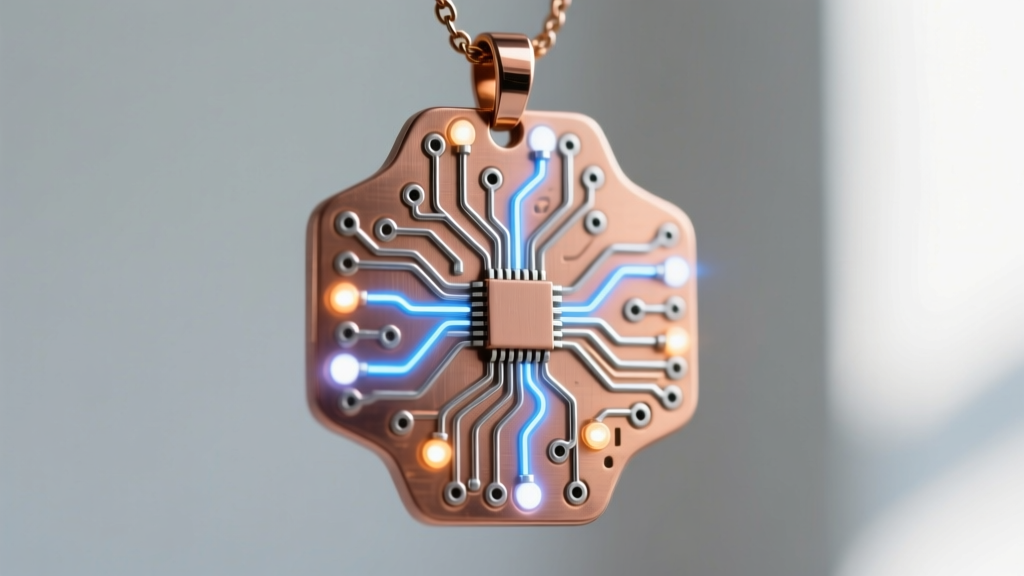
For the STEM graduate or tech enthusiast, traditional jewelry might not resonate. Instead, use conductive silver paint for jewelry to create a functional, light-up circuit pendant. This involves embedding a micro SMD LED and a hidden CR1220 coin cell battery into a custom bezel.
The Process: Cut a pendant shape from a 24-gauge copper sheet. Use a 2-part conductive silver epoxy to draw your circuit traces, connecting the anode and cathode pads of your LED to the battery contact points. The silver epoxy boasts a volume resistivity of roughly 0.0006 ohm-cm, ensuring the LED shines brightly. Once the epoxy cures for 24 hours, encapsulate the entire circuit in a deep-pour clear epoxy resin, leaving only the battery slot accessible. Pair the finished pendant with a heavy-duty 925 sterling silver rolo chain for a premium finish.
The Milestone Birthday: Mixed-Media Resin & Silver Accents
Celebrating a 30th or 40th birthday calls for something contemporary and artistic. Mixed-media jewelry combining deep-bezel sterling silver trays with painted resin elements is a massive trend in artisan markets. You can use silver paint to create a 'faux-metal' gallery wall effect or delicate filigree patterns inside a clear resin dome.
Paint your design onto a piece of 24-gauge brass or heavy watercolor paper using a silver leafing pen or metallic enamel. Once dry, place it inside a 22mm round sterling silver bezel cup. Pour a layer of ArtResin or a specialized jewelry doming resin over the painted element. The magnification of the resin dome will make the silver paint catch the light brilliantly, creating a high-end, custom look that rivals fine jewelry boutique pieces.
Sourcing & Pairing with Fine Metals
A critical rule of E-E-A-T in jewelry crafting is knowing where to invest your materials budget. Never apply silver paint directly to fine 925 sterling silver or fine 999 silver; it ruins the metal's natural luster, interferes with future soldering, and destroys its resale value. Instead, apply your paints to base metal blanks (brass, copper, or nickel-silver) and use sterling silver for the structural and skin-contact components.
Source your sterling silver jump rings, ear wires, and chains from reputable, industry-standard suppliers like Rio Grande. Using high-quality sterling findings ensures that the recipient won't experience allergic reactions, even if the painted pendant itself is made of brass. The contrast between the meticulously painted focal piece and the bright, polished sterling chain elevates the entire project from a 'craft' to a 'fine jewelry' gift.
Pro Tips for Sealing and Skin Safety
The most common failure mode in DIY painted jewelry is the degradation of the paint layer due to the acidic pH of human sweat and the natural oils in the skin. Acrylic and solvent-based paints will soften, lift, and tarnish if left exposed.
Expert Insight: Always seal painted jewelry components with a skin-safe, non-yellowing topcoat. Two-part epoxy clear coats or UV-curable doming resins provide the highest level of protection. Avoid aerosol spray lacquers, as they often contain solvents that can reactivate and smear metallic acrylic paints upon contact. For comprehensive safety data on metal finishing and sealants, consult the educational archives at Ganoksin, the jewelry industry's premier knowledge base.
Ensure that any resin or sealant you use is fully cured before packaging the gift. Incomplete curing can lead to contact dermatitis, turning a thoughtful gift into a medical inconvenience. Follow the manufacturer's exact curing times, and consider using a UV lamp to accelerate the curing process for resin topcoats.
Final Thoughts on Handcrafted Silver Gifts
Mastering the use of silver paint for jewelry allows you to transcend the limitations of traditional metalworking. You don't need a fully equipped silversmithing studio with a rolling mill and a torch to create breathtaking, meaningful gifts. By understanding the chemistry of your paints, matching the project to the recipient's milestone, and rigorously sealing your work, you can produce custom jewelry pieces that carry a profound emotional resonance. In an era of fast fashion and mass production, a hand-painted, meticulously assembled, and thoughtfully restored piece of jewelry remains one of the most powerful gifts you can offer.


