2026 Trends: How Jewelry Sterling Silver 925 Is Evolving
Discover 2026 style trends for jewelry sterling silver 925. Explore heavy gram weights, oxidized finishes, Argentium alloys, and 2026 pricing indexes.

The 2026 Shift: From Minimalist to Sculptural 925
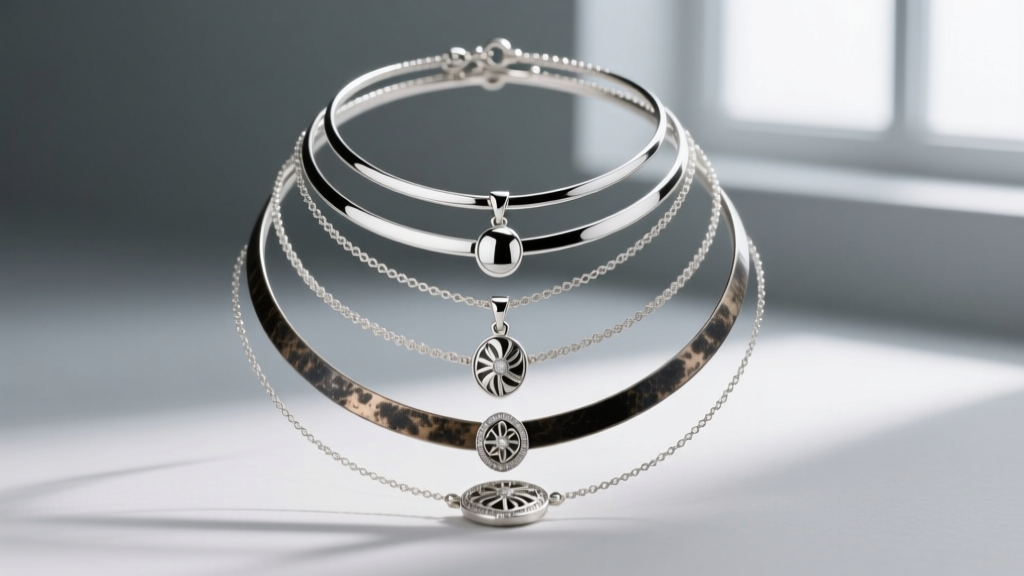
For the past decade, the jewelry sterling silver 925 market was dominated by ultra-dainty, barely-there chains and subtle stacking rings. However, as we move through 2026, a massive stylistic pivot has occurred. Driven by a desire for tangible luxury and a reaction against fast-fashion fragility, consumers and designers alike are embracing sculptural, high-gram-weight silver. According to The Silver Institute, industrial and retail demand for silver has surged, but the jewelry sector is seeing a distinct shift toward heavier, statement-making pieces rather than high-volume, lightweight inventory.
In 2020, a standard 18-inch sterling silver curb chain weighed between 15 and 30 grams. Today, the trending baseline for a unisex statement curb or rope chain sits between 60 and 120 grams. This isn't just an aesthetic choice; heavier chains offer superior drape, resist kinking, and provide a satisfying, premium tactile experience. Designers are pairing these heavy chains with oversized, asymmetrical pendants featuring raw, unpolished silver textures that mimic molten metal or organic topography.
Surface Treatments and Finish Trends
The high-polish mirror finish, while classic, is taking a backseat to more nuanced surface treatments in 2026. The modern collector wants depth, contrast, and evidence of craftsmanship.
High-Contrast Oxidation
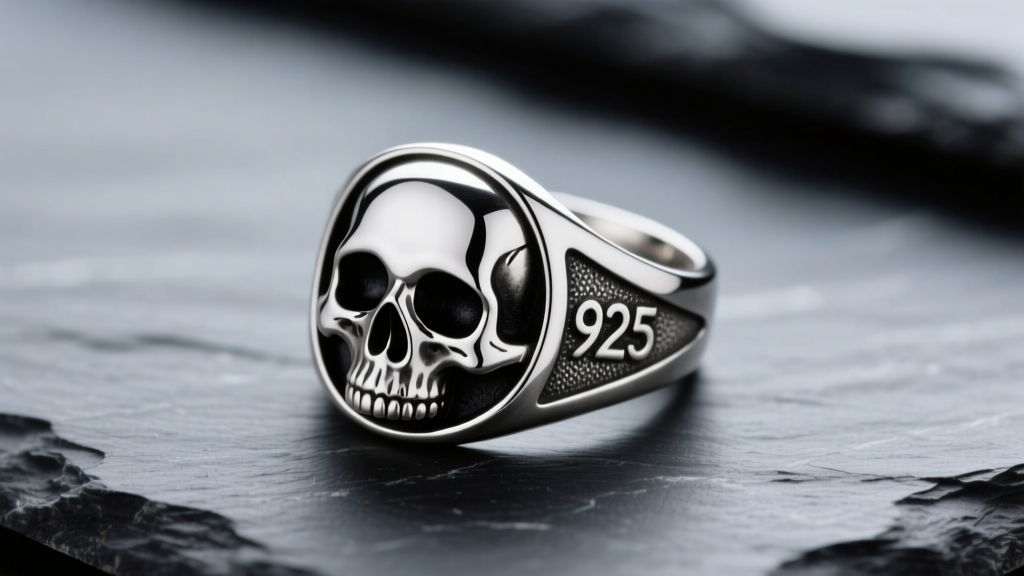
Oxidized silver is experiencing a renaissance, but the application is far more sophisticated than the uniform dark-grey washes of the 2010s. Artisans are now using liver of sulfur (potassium sulfide) to create targeted, high-contrast oxidation. By applying the chemical to recessed areas and then meticulously polishing the high points, jewelers create a striking three-dimensional effect. This technique is heavily featured in the 2026 neo-gothic and punk-revival trends, particularly in heavy signet rings and intricate link bracelets.
Matte and Sandblasted Textures
To complement the oxidized recesses, matte finishes achieved through glass-bead sandblasting or fine-grit abrasive pads are highly sought after. A matte finish diffuses light, giving the jewelry sterling silver 925 a soft, velvet-like glow that contrasts beautifully with high-polish edges or diamond-cut facets. This interplay of textures transforms a simple silver band into a complex, light-catching sculpture.
Metallurgy: Traditional 925 vs. Argentium Silver
When discussing jewelry sterling silver 925, we must address the alloy composition. Traditional sterling is 92.5% pure silver and 7.5% copper. While copper provides necessary hardness, it is also the culprit behind tarnish (silver sulfide formation) and skin discoloration. In 2026, Argentium Silver has captured a significant portion of the premium market share.
Argentium replaces a portion of the copper with germanium. This seemingly minor metallurgical tweak has profound effects: the germanium forms a transparent, self-regenerating oxide layer on the surface that virtually eliminates tarnish and increases the metal's resistance to firescale during soldering.
| Property | Traditional 925 Sterling | Argentium 935/960 | Silver-Plated Brass |
|---|---|---|---|
| Composition | 92.5% Ag, 7.5% Cu | 93.5%+ Ag, Cu, Germanium | Base brass with thin Ag wash |
| Tarnish Resistance | Low (Requires frequent polishing) | Exceptional (Highly resistant) | N/A (Wears off to expose brass) |
| Hypoallergenic | Moderate (Copper can react) | High (Germanium reduces reactivity) | Low (Nickel/Brass allergies common) |
| 2026 Price Tier | Mid-Range | Premium | Budget / Fast Fashion |
Ear Curation: Gauge Sizes and Biocompatibility
The ear curation trend remains strong in 2026, but consumers are more educated about material safety than ever before. When shopping for jewelry sterling silver 925 for piercings, gauge size and healing status are critical variables.
- Standard Lobe Piercings (20G - 18G): Traditional 925 is perfectly safe for fully healed lobes. However, avoid wearing it in the shower, as trapped moisture accelerates copper oxidation.
- Cartilage and Clickers (16G - 14G): For 16G (1.2mm) and 14G (1.6mm) hinged clickers and segment rings, 925 silver is acceptable only in fully healed piercings. The copper content in traditional sterling can react with the pH of bodily fluids in a fresh or irritated piercing, leading to contact dermatitis or localized argyria (skin staining).
- The Titanium Rule: For any fresh piercing, or if you have sensitive skin, bypass 925 entirely and opt for ASTM F-136 implant-grade titanium. Reserve your 925 silver pieces for outer-ear styling once the tissue is 100% mature.
2026 Pricing Index for 925 Silver
With silver spot prices fluctuating and artisan labor costs rising, understanding the fair market value of jewelry sterling silver 925 is essential for the modern buyer. Here is a realistic pricing framework for 2026, moving away from arbitrary brand markups and focusing on weight and craftsmanship.
- Commercial Cast Chains (15g - 30g): $60 - $120. (Mass-produced, machine-finished, standard 925).
- Artisan Handmade Chains (50g - 100g): $250 - $600. (Hand-soldered links, custom clasps, oxidized finishes).
- Heavy Signet Rings (12g - 25g): $150 - $350. (Depends heavily on whether the motif is CAD-milled or hand-engraved).
- Argentium Premium Upcharge: Expect to pay a 20% to 35% premium over traditional 925 for pieces cast or fabricated in Argentium, reflecting the higher cost of germanium and specialized refining.
Verifying Authenticity in a Flooded Market
As the price of silver rises, so does the sophistication of counterfeit jewelry. The old "magnet test" is virtually useless today, as base metals like brass and copper are also non-magnetic. Furthermore, heavily rhodium-plated silver can mask a base-metal core.
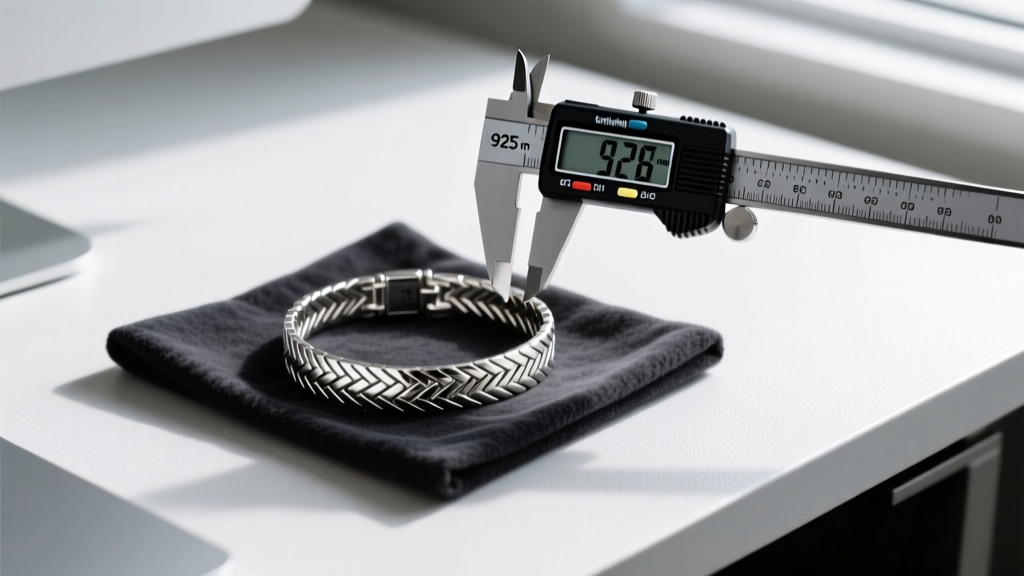
To truly verify jewelry sterling silver 925, rely on the specific gravity test or X-ray Fluorescence (XRF) analysis. According to the Gemological Institute of America (GIA), pure silver has a specific gravity of 10.49, while sterling silver sits at approximately 10.36. By weighing the piece in air and then suspended in distilled water, you can calculate its density and confirm its authenticity without damaging the surface. For high-value vintage or heavy investment pieces, seeking out a jeweler with an XRF scanner provides an exact elemental breakdown in seconds, ensuring your 925 is genuinely 92.5% pure silver.
"In 2026, silver is no longer just the accessible alternative to gold; it is a primary medium for sculptural, architectural jewelry. The buyers who understand alloy composition and gram-weight pricing are the ones building heirloom-level collections."
Whether you are investing in a 100-gram oxidized curb chain or a delicate, sandblasted Argentium wedding band, understanding the metallurgy and market trends of 925 silver ensures your collection is both stylish and structurally sound for decades to come.


