How to Authenticate and Care for Nevada Silver Mine Jewelry
Learn how to authenticate, clean, and source authentic Nevada silver mine jewelry with our expert step-by-step guide and alloy charts.

The Metallurgical Legacy of the Silver State
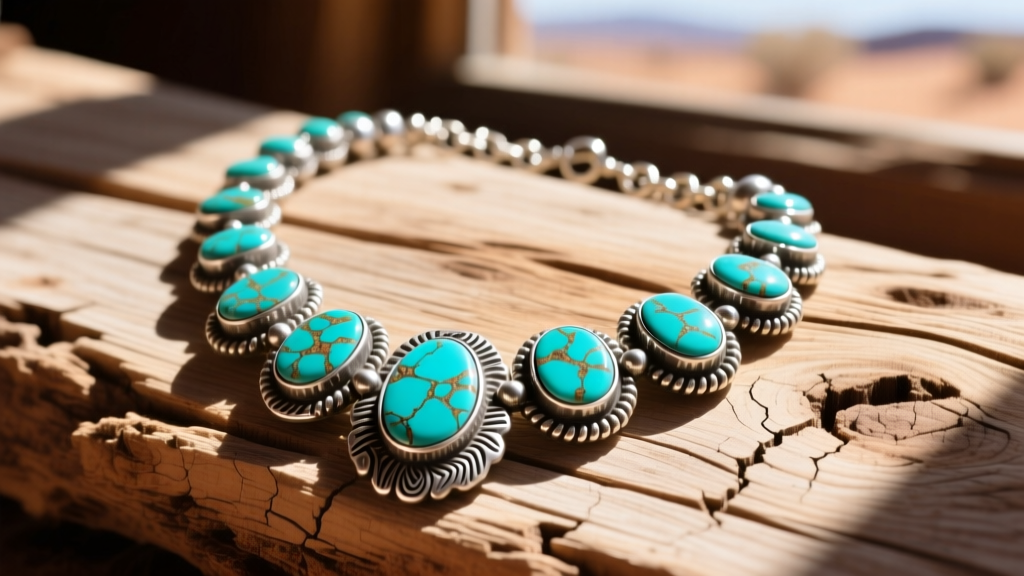
When collectors, historians, and jewelry enthusiasts search for nevada silver mine jewelry, they are typically looking for pieces that embody the rich geological and cultural history of the American West. Nevada, famously known as the Silver State, has produced some of the most iconic precious metal artifacts in North America, largely stemming from the legendary Comstock Lode discovery in 1859 and subsequent booms in Tonopah and Rochester. However, authenticating these pieces requires more than a casual glance. Unlike mass-produced commercial sterling, vintage and artisanal Nevada silver often features unique alloy compositions, distinct hallmarking practices, and pairings with highly specific local gemstones. This comprehensive guide will walk you through the exact steps to authenticate, evaluate, and preserve these historically significant pieces.
Step-by-Step Guide to Authenticating Nevada Silver
The market for Southwestern and Native American jewelry is unfortunately saturated with imported imitations. To ensure your nevada silver mine jewelry is genuine, follow this rigorous three-step authentication protocol.
Step 1: Inspect the Hallmarks and Patina
Authentic vintage pieces from the Nevada and broader Southwest region rarely feature the modern ".925" stamp. Instead, look for specific historical indicators. Early Native American and regional silversmiths often used melted down US coins, resulting in "Coin Silver" which contains roughly 90% silver and 10% copper. Look for the word "Coin", "Silver", or specific artisan hallmarks (such as a chisel mark, initials, or a clan symbol). Furthermore, examine the patina. Genuine aged silver develops a warm, dark, grayish-black oxidation in the crevices, particularly around turquoise bezels. Fake antiquing often looks uniformly black, painted-on, or slightly iridescent, indicating chemical sulfide dips used in overseas factories.
Step 2: The Neodymium Magnet Test
Silver is diamagnetic, meaning it is slightly repelled by magnetic fields rather than attracted to them. Using a strong N52-grade neodymium magnet, slide it down the surface of a heavy silver cuff or bangle. If the piece is solid silver, you will feel a subtle "braking" effect due to eddy currents. If the magnet snaps to the metal or slides down with zero resistance, the core is likely brass, copper, or a ferrous alloy heavily plated in silver. According to the Gemological Institute of America (GIA), magnet testing is a crucial first-line defense against silver-plated base metals commonly sold at tourist traps near historic mining towns like Virginia City.
Step 3: Specific Gravity and Acid Testing
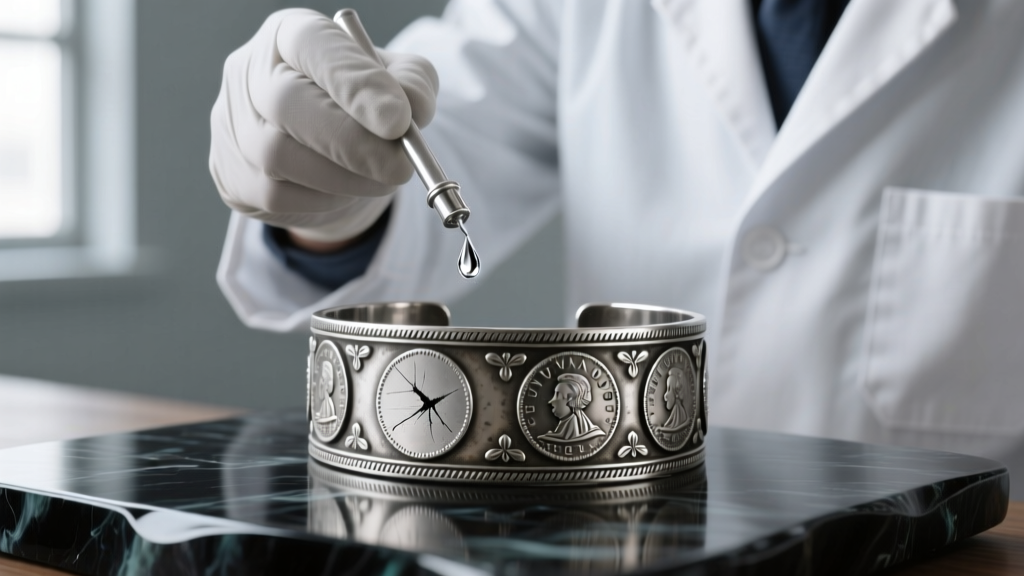
For definitive proof of the alloy's purity, a silver acid test is required. Use a jeweler's file to make a microscopic scratch in an inconspicuous area (such as the inside of a ring shank or the back of a pendant). Apply a single drop of standard silver testing acid (nitric acid and potassium dichromate). Creamy or milky white indicates .925 Sterling Silver. Darker gray or greenish-black indicates Coin Silver (.900) or a lower purity. Green immediately reveals a copper or brass base metal. Always neutralize the acid with water and baking soda immediately after observing the reaction.
Understanding Nevada Silver Alloys
The terminology surrounding regional jewelry can be confusing. The Nevada Bureau of Mines and Geology notes that the state's historical silver ores often contained significant copper and trace gold, which influenced early smelting and jewelry crafting. Below is a breakdown of the alloys you will encounter when collecting authentic regional jewelry.
| Alloy Type | Silver Purity | Copper Content | Common Use in Nevada Jewelry |
|---|---|---|---|
| Fine Silver | .999 (99.9%) | 0.1% | Bezel wire for setting turquoise and opal cabochons due to high malleability. |
| Sterling Silver | .925 (92.5%) | 7.5% | Standard stamped, cast, and wire-wrapped structural components. |
| Coin Silver | .900 (90.0%) | 10.0% | Vintage sandcast, tufa-cast, and heavily hammered cuffs from the early-to-mid 20th century. |
| Mexican Silver | .950 to .980 | 2% - 5% | Occasionally found in trade pieces; highly prized for its bright luster and softer drape. |
Identifying Authentic Nevada Turquoise Pairings
Rarely is authentic Nevada silver jewelry sold without local gemstones. The state is home to some of the world's most prized turquoise mines, and knowing your stones is just as important as testing the metal. When evaluating a piece, look for these specific regional markers:
- Royston Turquoise: Known for its deep, rich greens with a heavy, golden-brown to black matrix. Often found in heavy sterling settings from the Tonopah area.
- Pilot Mountain Turquoise: Recognizable by its striking, spider-webbed matrix and colors ranging from aqua to deep blue. It is notoriously hard and takes a brilliant polish.
- Carico Lake Turquoise: Famous for its unique, clear blue colors with a black or golden-brown matrix, and sometimes rare lime-green hues due to zinc content.
- Blue Diamond Turquoise: A rare, hard, deep blue stone with black matrix, sourced from the Battle Mountain area. Pieces featuring genuine Blue Diamond command a massive premium.
Expert Warning: Many modern pieces feature "stabilized" or "dyed" howlite or magnesite passed off as Nevada turquoise. Genuine turquoise will feel slightly porous and warm to the touch, whereas dyed howlite feels like cold glass or plastic. For deeper historical context on indigenous stone-setting techniques, consult the archives at the Smithsonian National Museum of the American Indian.
How to Clean and Preserve Nevada Silver and Turquoise
Cleaning vintage nevada silver mine jewelry requires a delicate balance. You want to remove damaging sulfides and environmental grime without stripping the historical patina or ruining the porous turquoise stones commonly set within the metal.
The Aluminum Foil Electrochemical Method (For Silver Only)
If you have a solid silver piece without any gemstones, pearls, or organic inlays, the electrochemical bath is the safest way to remove heavy tarnish without abrasive scratching.
- Line a glass bowl with heavy-duty aluminum foil, shiny side facing up.
- Place the silver jewelry directly onto the foil.
- Boil water and add 1 tablespoon of baking soda and 1 tablespoon of sea salt per cup of water.
- Pour the solution over the jewelry. You will see immediate bubbling as the sulfur transfers from the silver to the aluminum.
- Remove after 3 to 5 minutes, rinse with distilled water, and buff dry with a microfiber cloth.
Safe Cleaning for Stone-Inlay and Turquoise Pieces
Never submerge turquoise, coral, or lapis lazuli in water or chemical baths. These stones are highly porous; water can weaken the epoxy backing, cause the stone to crack, or alter its color permanently. Instead, use a localized cleaning approach:
- Mix a few drops of mild, phosphate-free dish soap (like Dawn) into a small bowl of lukewarm water.
- Dip a soft-bristled baby toothbrush or a cotton swab into the solution.
- Gently scrub only the silver bezels and shanks, carefully avoiding direct contact with the stones.
- Wipe the piece immediately with a damp cloth, followed by a dry microfiber towel.
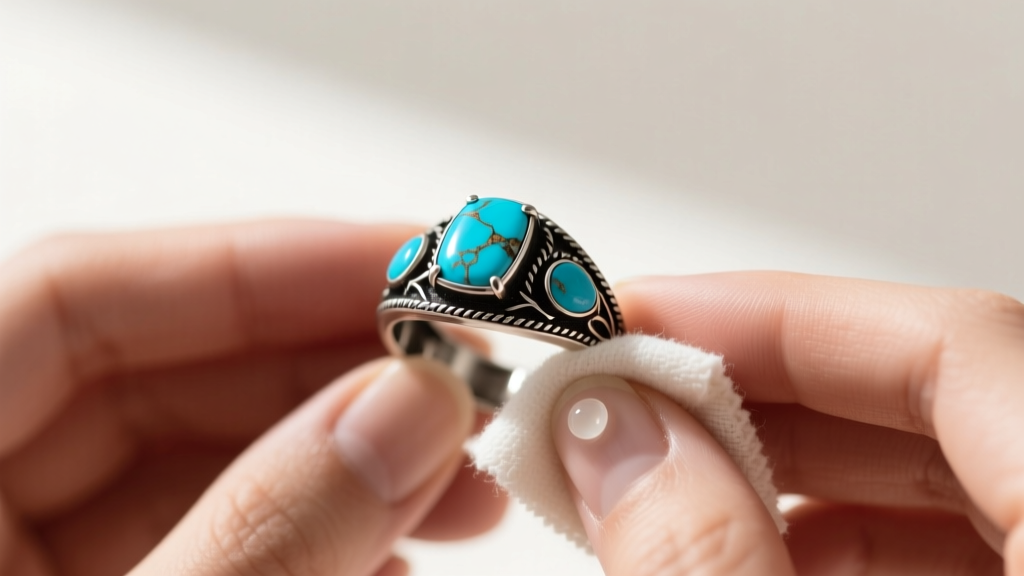
- Use a specialized silver polishing cloth (impregnated with micro-abrasives) to buff the high-relief areas of the silver, leaving the dark oxidation in the deep crevices to highlight the hand-stamped details.
Where to Source Authentic Pieces Today
Finding genuine nevada silver mine jewelry requires moving beyond standard commercial jewelry stores. The most reliable sources include estate auctions, specialized Southwestern antique dealers, and direct purchases from indigenous artisans in regions like Reno, Carson City, and the reservation trading posts. When buying from online marketplaces, always demand high-resolution macro photos of the hallmarks, the interior of the shank, and the back of the turquoise cabochons. By applying these strict authentication and care methodologies, you ensure that the legacy of the Silver State's incredible metallurgical history is preserved for generations to come.


