Safe Gifting: Jewelry Manufacturer Certifications Lead Cadmium Nickel Free 925 Silver
Discover the ultimate 2026 safe gifting guide. Learn to navigate jewelry manufacturer certifications for lead, cadmium, and nickel-free 925 silver.

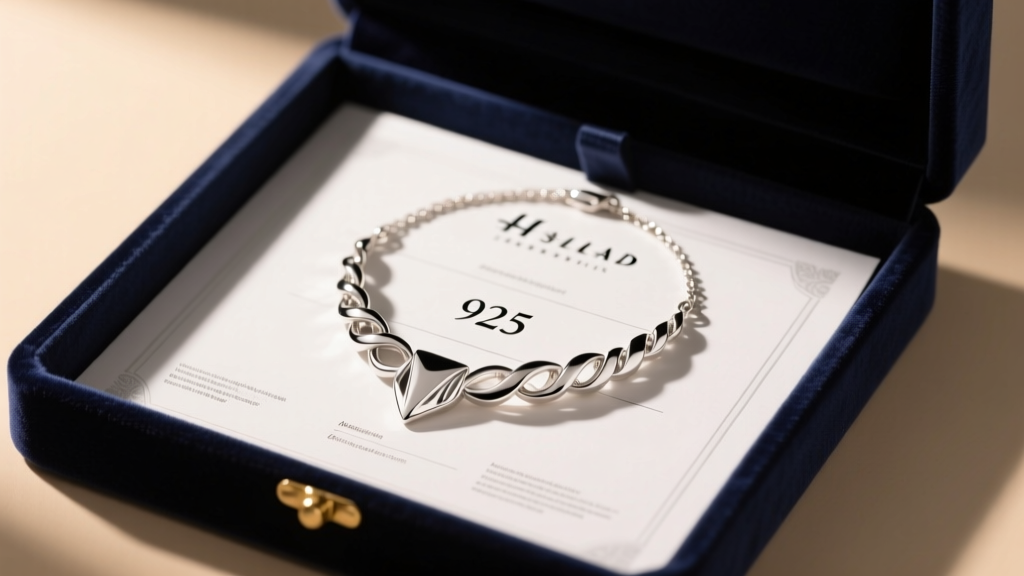
Gifting sterling silver is a timeless tradition, symbolizing elegance, durability, and emotional connection. However, as consumer awareness regarding heavy metal toxicity and contact dermatitis reaches an all-time high in 2026, the modern gift-giver must look beyond the "925" stamp. Navigating jewelry manufacturer certifications lead cadmium nickel free 925 silver standards is no longer just an industry concern; it is a critical step in ensuring your gift is both beautiful and biologically safe. Whether you are shopping for a newborn's first bangle or a hypoallergenic wedding band, understanding these certifications is the key to responsible gifting.
Decoding Jewelry Manufacturer Certifications for Safe Gifting
The "925" hallmark guarantees that an item contains 92.5% pure silver, but it says absolutely nothing about the remaining 7.5% alloy mix or the solders and plating used in the manufacturing process. Unregulated markets frequently use toxic heavy metals to cut costs. To ensure your gift is safe, you must look for compliance with major international safety frameworks.
The Big Three Regulatory Standards
- CPSIA (Consumer Product Safety Improvement Act): Enforced by the U.S. CPSC, this is non-negotiable for children's jewelry. It mandates that total lead content must not exceed 100 parts per million (ppm) in the substrate, and 90 ppm in surface coatings.
- EU REACH Annex XVII: The European Chemicals Agency (ECHA) strictly regulates nickel release in items intended to come into direct and prolonged contact with the skin. The limit is set at less than 0.5 µg/cm²/week. If you are gifting earrings or rings, REACH compliance is your gold standard.
- California Proposition 65: Often considered the strictest state-level regulation in the US, Prop 65 requires warning labels for products containing cadmium or lead above microscopic thresholds. A brand that explicitly markets its 925 silver as "Prop 65 Compliant" has likely subjected its supply chain to rigorous third-party XRF (X-ray fluorescence) testing.
The Metallurgical Reality: Why Toxins Hide in Sterling Silver
To make informed gifting decisions, it helps to understand exactly why lead, cadmium, and nickel end up in silver jewelry in the first place. Pure silver is too soft for daily wear, so it is alloyed with copper. However, unethical manufacturers introduce other elements to manipulate the metal's behavior during casting and assembly.

Lead in Low-Temperature Solders
When a jeweler attaches a jump ring, a clasp, or a gemstone setting, they must solder the joint. High-quality, nickel-free silver solder requires precise temperature control, often utilizing expensive laser welders. To save money, mass-market manufacturers use lead-based solders, which melt at significantly lower temperatures. If a gift recipient frequently handles a charm bracelet or puts a pendant near their mouth, lead solder poses a severe neurological risk.
Cadmium as a Casting Refiner
Cadmium is occasionally added to silver casting alloys to improve the metal's fluidity, allowing it to fill intricate, lace-like molds without porosity. However, cadmium is a known carcinogen and highly toxic if ingested or inhaled. This makes cadmium-laced silver an incredibly dangerous choice for baby shower gifts, such as teething rings or rattles, where oral exposure is guaranteed.
Nickel in Rhodium Underplating
Many 925 silver gifts are plated with rhodium to prevent tarnish and provide a bright, white-gold-like finish. Rhodium is expensive. To reduce costs, some factories plate a microscopic layer of nickel beneath the rhodium to act as a brightening barrier. As the rhodium wears off over a few months, the nickel is exposed, triggering severe contact dermatitis in the roughly 15% of the population with nickel allergies.
Occasion Matching: Best Certified Silver Gifts for 2026
Matching the right certified piece to the specific occasion ensures your gift is both emotionally resonant and physically safe. Use this framework to guide your purchasing decisions.
| Gifting Occasion | Ideal Certified Piece | Required Certification Standard | Key Design Feature to Demand |
|---|---|---|---|
| Baby Shower / Christening | Seamless 925 Silver Bangle | CPSIA (Lead < 100ppm) | Laser-welded seams, no mechanical clasps |
| First Piercings (Teens) | Threadless Labret Studs | EU REACH (Nickel < 0.5 µg/cm²/week) | Internally threaded or press-fit posts |
| Anniversaries / Weddings | Rhodium-Plated Eternity Band | Prop 65 Compliant (Cadmium Free) | Palladium alloy instead of copper/nickel |
| Graduations / Milestones | Heavyweight Chain Necklace | SGS / TÜV Heavy Metal Test Report | Solid lobster clasps, lead-free solder joints |
Deep Dive: Gifting for Sensitive Skin and Autoimmune Conditions
If your gift recipient suffers from eczema, psoriasis, or systemic autoimmune flare-ups triggered by heavy metals, standard "hypoallergenic" labels are insufficient. You must specifically seek out palladium-alloyed 925 silver. In premium manufacturing, palladium is used as the 7.5% alloying metal instead of copper. This not only eliminates the risk of nickel and cadmium but also inherently prevents the copper-induced oxidation (tarnish) that can irritate compromised skin barriers. Brands that utilize palladium-alloyed silver almost always hold top-tier SGS or Intertek certifications, as the raw material cost is significantly higher.
How to Verify Certifications When Shopping Online
Reading "nickel-free" in a product description is a marketing claim; a test report is a legal document. When purchasing high-value silver gifts online, take these actionable steps to verify the manufacturer's claims.
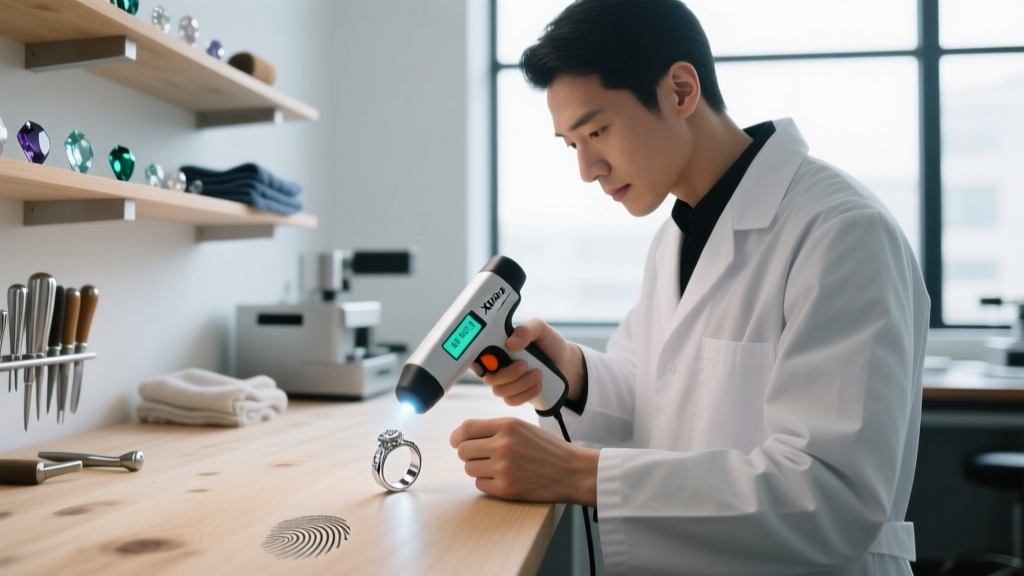
1. Request the XRF Scan or Third-Party Assay
Reputable direct-to-consumer silver brands in 2026 are transparent about their supply chains. Do not hesitate to email customer service and ask: "Can you provide the most recent third-party XRF or ICP-MS test report verifying this piece is free of lead, cadmium, and nickel under REACH and CPSIA limits?" If they respond with confusion or only offer a "certificate of authenticity" (which merely proves it is 925 silver, not that it is non-toxic), abandon the purchase.
2. Beware of "Tibetan Silver" and "Alpaca" Traps
When shopping for bohemian or vintage-style silver gifts, avoid terms like "Tibetan Silver," "Nepalese Silver," or "Alpaca." These are not silver at all. They are typically base metal alloys containing high levels of nickel, lead, and sometimes even arsenic. True certified 925 silver will always bear a clear, legible "925" or "Sterling" stamp, often accompanied by a maker's mark that can be traced back to a registered, regulated foundry.
3. Check the Clasp and Solder Points
Even if the main body of a silver chain is certified pure, the clasp is often a weak point. Spring-ring clasps frequently contain steel or nickel internal springs to maintain tension. When gifting to someone with a known allergy, specifically look for lobster clasps made entirely of solid 925 silver, or magnetic clasps engineered from surgical-grade titanium and silver.
The 2026 Gifting Golden Rule: The true value of a silver gift is not just measured in its weight or gemstone clarity, but in the metallurgical integrity of its construction. A certified, heavy-metal-free piece of 925 silver is an heirloom that can be safely worn, cherished, and eventually passed down without carrying a hidden toxic legacy.
Final Thoughts on Responsible Silver Gifting
As the jewelry industry continues to evolve, the demand for total supply chain transparency has forced manufacturers to elevate their standards. By prioritizing jewelry manufacturer certifications and actively seeking out lead, cadmium, and nickel-free 925 silver, you elevate your gift from a simple accessory to a profound gesture of care. Whether you are celebrating a birth, a union, or a personal milestone, verified safe silver ensures your gift remains a source of joy, not a trigger for harm.


