Why 925 Sterling Silver Jewelry Turns Skin Green & How to Fix It
Discover why 925 sterling silver jewelry turns skin green or black. Learn expert troubleshooting steps, copper alloy science, and proven fixes.

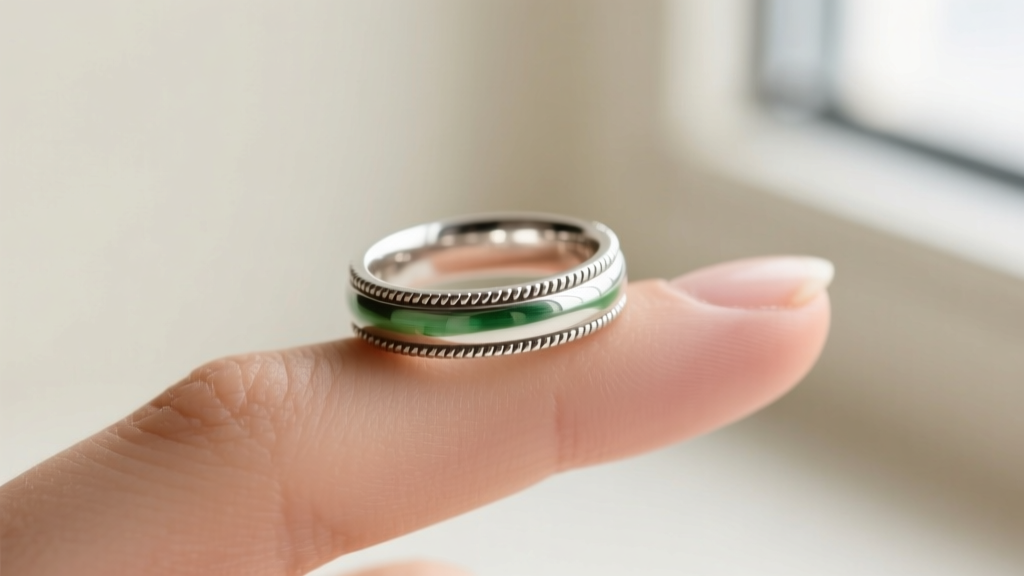
Slipping on a favorite ring or bracelet only to discover a murky green or black ring staining your skin is a universal frustration. When this happens with 925 sterling silver jewelry, the immediate assumption is often that the piece is fake or of poor quality. However, skin discoloration is rarely an indicator of counterfeit metal; rather, it is a predictable chemical reaction rooted in metallurgy, environmental factors, and individual biology. As a fundamental standard in the industry, 925 sterling silver consists of 92.5% pure silver and 7.5% alloy metals—most commonly copper. It is this exact 7.5% margin that dictates how your jewelry interacts with the world around it.
In this comprehensive troubleshooting guide, we bypass the myths and dive deep into the material science of silver oxidation, providing actionable frameworks to diagnose, prevent, and reverse skin discoloration and metal tarnish.
The Metallurgy of the Green: Why Reactions Occur
Pure silver (99.9%) is highly unreactive and hypoallergenic, but it is too malleable for structural jewelry. To achieve the durability required for daily wear, copper is introduced. According to the Gemological Institute of America (GIA), this copper alloy provides the necessary tensile strength but introduces a reactive element to the jewelry's surface.
When the copper in 925 sterling silver jewelry is exposed to moisture, oxygen, and the natural acids present in human sweat, it undergoes oxidation. The specific green stain you see on your skin is copper chloride or copper sulfide, which transfers from the microscopic porous surface of the metal onto the epidermis. This is not a skin infection or a toxic exposure; it is simply a harmless, water-soluble metallic salt resting on the outermost layer of dead skin cells.
Troubleshooting Matrix: Identifying Your Specific Reaction
Not all discoloration is created equal. The color, texture, and accompanying symptoms of the reaction will tell you exactly what is happening at the molecular level. Use the matrix below to diagnose your specific issue.
| Symptom Profile | Likely Culprit | Material Science Explanation | Immediate Action Plan |
|---|---|---|---|
| Faint green stain, no itching | Copper Oxidation | Sweat (lactic acid) reacts with the 7.5% copper alloy, creating water-soluble copper salts. | Wash skin with soap; apply a barrier wax to the jewelry interior. |
| Black smudge, easily wipes off | Cosmetic Abrasion | Hard chemical compounds in makeup (like zinc oxide) physically abrade microscopic silver particles. | Remove jewelry before applying lotions; polish the piece with a microfiber cloth. |
| Red, itchy, flaking rash | Nickel Allergy / Contact Dermatitis | The 7.5% alloy contains nickel instead of copper, or the piece is silver-plated over a nickel base. | Stop wearing immediately. Have the piece XRF tested; switch to Argentium silver or platinum. |
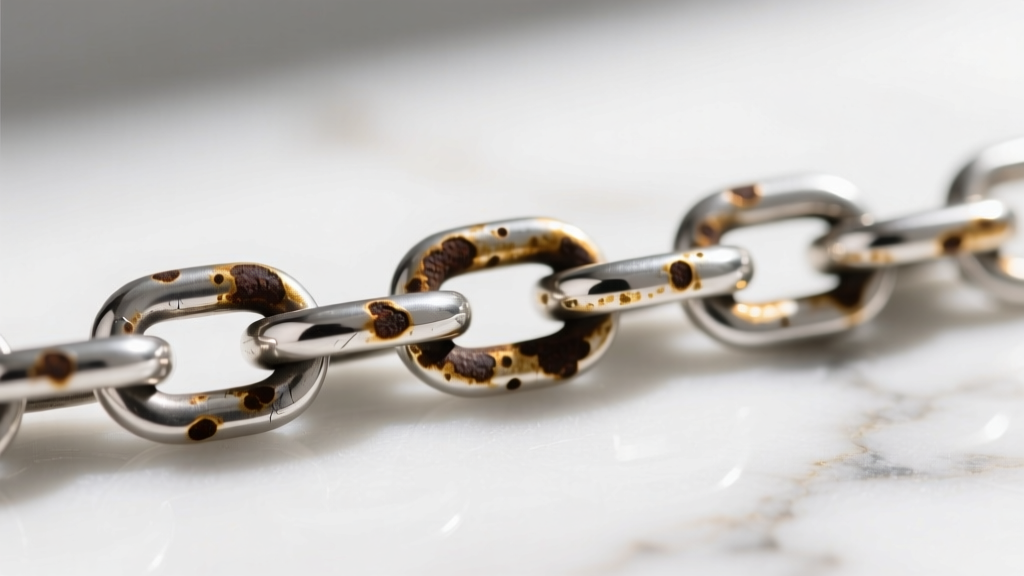
| Dark brown/black crust on metal | Sulfur Tarnish | Silver reacts with hydrogen sulfide in the air or sulfur-rich foods, forming silver sulfide (Ag2S). | Perform an electrochemical aluminum foil bath to reverse the sulfide bond. |
Environmental & Biological Catalysts
If your 925 sterling silver jewelry only turns your skin green intermittently, the variable is not the metal—it is your environment and biology. The pH level of your skin's acid mantle typically ranges from 4.5 to 5.5. However, dietary changes, hydration levels, and hormonal fluctuations can temporarily lower your skin's pH, making it more acidic and highly reactive to copper.
The Cosmetic "Black Smudge" Phenomenon
One of the most misunderstood troubleshooting scenarios is the "black smudge." Unlike the green copper stain, black smudging is a mechanical issue, not a chemical one. Many high-end cosmetics, sunscreens, and setting powders contain microscopic abrasive particles such as titanium dioxide, zinc oxide, and calamine. These compounds are harder than silver on the Mohs scale. When they rub against your jewelry, they act like ultra-fine sandpaper, shaving off microscopic particles of silver. Because finely powdered silver appears black (rather than reflective), it leaves a dark, grease-like smudge on the skin.
Proven Fixes and Preventative Coatings
Once you have identified the catalyst, you must alter the surface interface between the 925 sterling silver jewelry and your skin. While the internet is flooded with temporary hacks, professional jewelers rely on specific, measurable barrier methods.
- Micro-Crystalline Wax: Products like Renaissance Wax form a stable, non-yellowing barrier. Apply a micro-thin layer to the interior band of rings or the back of pendants. This lasts roughly 2 to 3 weeks of daily wear before requiring reapplication.
- Rhodium Flash Plating: A professional jeweler can electroplate the jewelry with rhodium, a platinum-group metal that is entirely inert and highly reflective. A standard "flash" plate is 0.1 to 0.2 microns thick and costs between $35 and $60. For high-friction areas like ring shanks, request a heavy plate of 0.75 to 1.0 microns to prevent premature wear-through.
- E-Coating (Electrophoretic Deposition): Increasingly popular in 2026, e-coating uses an electrical current to deposit a clear, nano-ceramic polymer over the entire piece. Unlike rhodium, which can wear off in high-friction zones, e-coating reaches deep into filigree and chain links, offering up to three years of tarnish and oxidation resistance.
- The Clear Nail Polish Myth: Avoid using standard polyurethane nail polish. It degrades rapidly upon contact with skin oils, yellows over time, and traps moisture against the metal, accelerating localized pitting and corrosion beneath the plastic shell.
When It’s Not Copper: Spotting Fake Hallmarks
If your jewelry leaves a green stain but also causes severe contact dermatitis, you may be dealing with a counterfeit hallmark. Unscrupulous manufacturers will stamp base metals (like brass or nickel-silver alloys) with a fraudulent "925" mark. The The London Assay Office strictly regulates hallmarks in the UK, but international e-commerce platforms are rife with misstamped goods.
Expert Diagnostic Tip: Perform the Ice Test. Silver has the highest thermal conductivity of any common metal. Place an ice cube directly on the 925 sterling silver jewelry. If the ice does not begin melting almost instantaneously—significantly faster than it would on a countertop or a piece of steel—the core metal is a base alloy disguised by a thin silver wash.
For absolute certainty, jewelers use X-ray Fluorescence (XRF) spectrometry, which reads the exact elemental breakdown of the metal without causing surface damage. If a piece tests at anything below 92.5% silver content, it fails the legal definition of sterling.
Step-by-Step Electrochemical Restoration
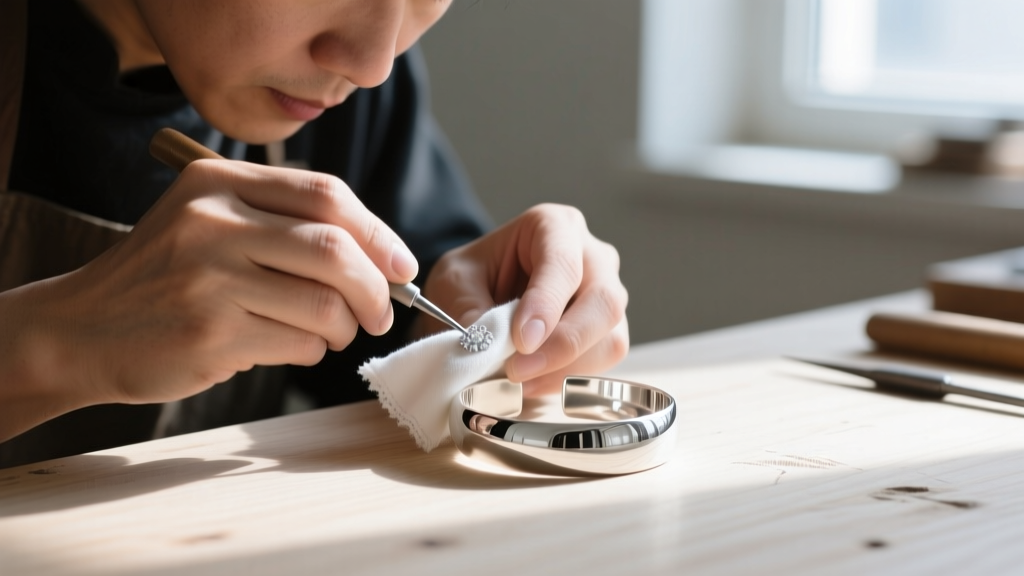
If your 925 sterling silver jewelry has already succumbed to heavy black silver sulfide tarnish, abrasive polishing pastes will strip away microscopic layers of the silver itself, eventually eroding fine details and hallmarks. Instead, utilize a non-destructive electrochemical redox reaction to convert the silver sulfide back into pure silver.
The Professional Home Protocol:
- Line a heat-safe glass bowl with heavy-duty aluminum foil, shiny side facing up. The aluminum will act as the sacrificial anode.
- Place the heavily tarnished 925 sterling silver jewelry directly onto the foil. Physical contact between the silver and the aluminum is mandatory for the electron transfer to occur.
- Sprinkle 2 tablespoons of sodium bicarbonate (baking soda) and 1 tablespoon of non-iodized salt over the jewelry.
- Pour boiling water into the bowl, ensuring the piece is fully submerged. You will immediately notice a sulfuric (rotten egg) odor as the hydrogen sulfide gas is released.
- Allow the piece to sit for exactly 4 to 7 minutes. Using wooden tongs (never metal, which will disrupt the ionic circuit), remove the jewelry.
- Rinse thoroughly under warm distilled water to remove any residual alkaline salts, and pat completely dry with a lint-free microfiber cloth.
By understanding the precise chemical interactions at play, you can maintain the brilliant luster of your 925 sterling silver jewelry for decades. As noted by Jewelers of America, proactive environmental management and the use of modern nano-coatings are the most effective strategies for preserving both the metal and your skin. Treat the metallurgy with respect, and the green stains will become a thing of the past.


