The Science of Silver Jewelry Cleaning: Expert Methods & Risks
Master the chemistry of silver jewelry cleaning. Compare electrolytic baths, abrasive polishes, and chemical dips to protect your 925 sterling pieces.

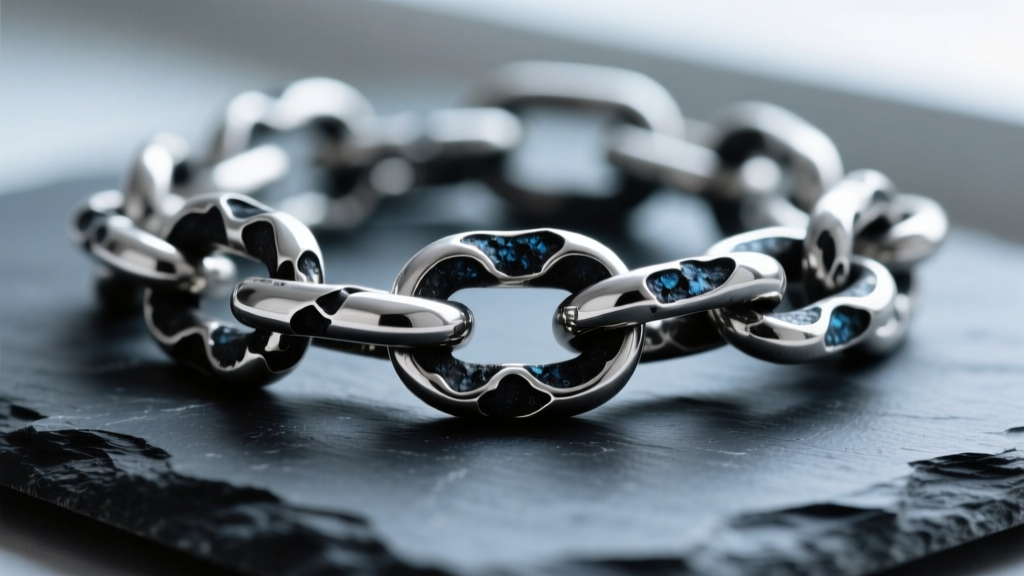
The Chemistry of Tarnish: Why Silver Blackens
To master silver jewelry cleaning, one must first understand the metallurgical and chemical reality of tarnish. Unlike iron, which oxidizes and flakes away (rust), silver reacts primarily with hydrogen sulfide (H2S) in the atmosphere to form silver sulfide (Ag2S). This creates a dense, blackened patina on the surface. According to The Silver Institute, pure fine silver (99.9%) is highly resistant to tarnish. However, the vast majority of jewelry is crafted from 925 sterling silver—an alloy containing 92.5% silver and 7.5% copper. It is this copper content that accelerates tarnishing, as copper is highly reactive to sulfur and moisture, creating microscopic galvanic cells on the metal's surface that speed up the degradation process.
Method 1: Electrolytic Reduction (The Aluminum Foil Bath)
The most scientifically sound method for removing heavy silver sulfide without removing microscopic layers of the base metal is electrolytic reduction. This process reverses the chemical reaction, converting silver sulfide back into elemental silver while transferring the sulfur to an aluminum anode.
Technical Protocol for Electrolytic Cleaning
- Prepare the Anode: Line a heat-safe glass or ceramic vessel with heavy-duty aluminum foil, ensuring the jewelry will make direct physical contact with the foil.
- Formulate the Electrolyte: Add 2 tablespoons of sodium carbonate (washing soda) or sodium bicarbonate (baking soda) per liter of water. This creates the ionic bridge necessary for electron transfer.
- Thermal Acceleration: Pour near-boiling water (approximately 85°C to 90°C) over the jewelry. Heat drastically increases ion mobility, accelerating the redox reaction.
- The Redox Reaction: The aluminum (anode) oxidizes, releasing electrons. The silver sulfide (cathode) accepts these electrons, reducing back to elemental silver. The sulfur binds with the aluminum, forming aluminum sulfide, which you will notice as a yellowish or blackened residue on the foil.
- Neutralization: Remove the jewelry after 3 to 5 minutes, rinse thoroughly in distilled water to halt the reaction, and dry immediately with compressed air or a microfiber cloth to prevent water spots.
Expert Warning: Never use this method on jewelry featuring glued-in gemstones, as the thermal shock and alkaline bath will dissolve cyanoacrylate and epoxy adhesives.
Method 2: Abrasive Polishing (Mechanical Removal)
Abrasive polishing physically removes the silver sulfide layer, but it also removes a microscopic layer of the underlying silver alloy. Over decades, aggressive polishing can obliterate hallmarks, soften sharp milgrain detailing, and alter the structural integrity of delicate filigree.
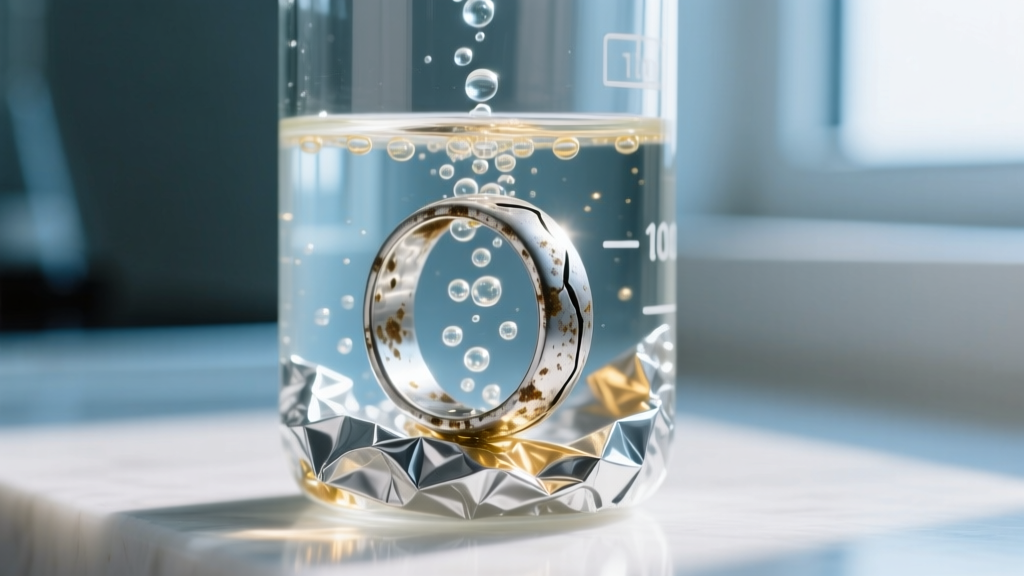
Comparing Abrasive Compounds
- Jeweler's Rouge (Iron Oxide): A very fine abrasive used for final high-polish finishes. It removes minimal metal but requires a mechanical buffing wheel for optimal results.
- Calcium Carbonate Pastes: Found in commercial silver creams (e.g., Wright's Silver Cream). These offer moderate cutting power and are safe for hand application, but they leave microscopic scratches that can actually increase the surface area for future sulfur adhesion if not buffed completely smooth.
- Treated Polishing Cloths: Impregnated with micro-abrasives and anti-tarnish inhibitors (like benzotriazole). These are ideal for light maintenance but entirely ineffective against heavy, layered sulfide buildup.
Method 3: Chemical Dips (Thiourea-Based Solutions)
Commercial liquid silver dips rely on thiourea, an organosulfur compound, suspended in a mild acid base. Thiourea complexes with silver ions, dissolving the tarnish almost instantly. While visually satisfying, gemologists and conservators heavily advise against routine use of chemical dips.
The primary failure mode of thiourea dips is flash tarnishing. The acid etches the silver surface at a microscopic level, leaving it highly porous. If the piece is not rigorously neutralized in an alkaline bath (like a baking soda slurry) immediately after dipping, residual acid will cause the silver to re-tarnish within days, often at an accelerated rate. Furthermore, repeated chemical dipping degrades the crystalline structure of the alloy over time, leading to a dull, matte appearance that cannot be fixed without professional mechanical burnishing.
Comparative Analysis: Cleaning Methods vs. Silver Alloys
| Silver Alloy | Composition | Electrolytic Bath Safety | Chemical Dip Safety | Abrasive Polishing |
|---|---|---|---|---|
| Fine Silver (999) | 99.9% Ag | Excellent | Good (Rarely needed) | Use sparingly; metal is soft |
| Sterling (925) | 92.5% Ag, 7.5% Cu | Excellent | Moderate (Rinse immediately) | Standard maintenance |
| Argentium (935/960) | Ag, Cu, Germanium | Excellent | Poor (Strips germanium oxide layer) | Rarely needed |
| Silver-Plated | Cu/Brass base, thin Ag coat | Risky (Can expose base metal) | High Risk (Strips plating) | Extreme caution; micron-thin |
| Oxidized Sterling | 925 with intentional Ag2S | Never (Removes patina) | Never (Removes patina) | Only on high-relief areas |
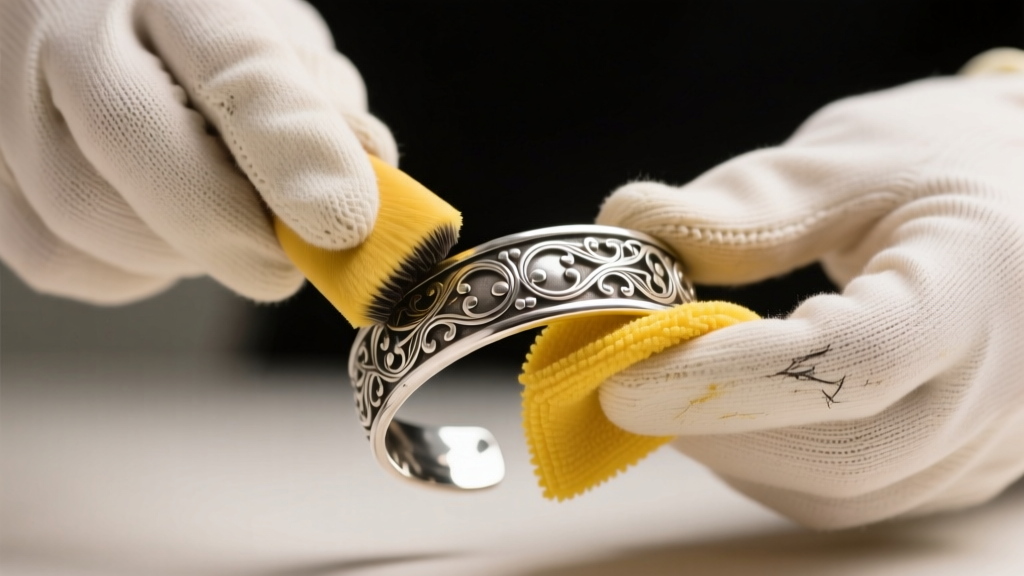
Critical Failure Modes: Gemstone and Finish Risks
According to the Gemological Institute of America (GIA), the most catastrophic errors in silver jewelry cleaning occur not to the metal, but to the stones set within it. The porosity and Mohs hardness of gemstones dictate their chemical tolerance.
Stones That Will Be Destroyed by Liquid Cleaners
- Turquoise & Lapis Lazuli: Highly porous. They will absorb alkaline electrolytes and acidic thiourea, leading to permanent color shifts and structural crumbling.
- Opals: Contain up to 20% water. Thermal shock from hot electrolytic baths will cause crazing (internal fracturing), while chemical dips will dehydrate the stone, leading to cracking.
- Pearls & Coral: Composed of calcium carbonate. Any acidic silver dip will literally dissolve the nacre of a pearl or the surface of coral within seconds.
- Black Rhodium & Matte Finishes: Electrolytic baths and abrasives will strip black rhodium plating and ruin intentional matte or sandblasted textures, turning them into high-polish surfaces.
Archival Storage and Tarnish Prevention
Expert silver care shifts the focus from reactive cleaning to proactive prevention. Tarnish requires sulfur and moisture. By controlling the microclimate of your jewelry storage, you can reduce the need for cleaning to once a decade.
"The most effective silver preservation relies on scavenging atmospheric sulfur before it reaches the metal. Anti-tarnish strips utilize copper-based polymers to absorb H2S gas, sacrificing themselves to protect the sterling silver."
Advanced Prevention Protocols
- Pacific Silvercloth: Unlike standard flannel, this specialized fabric is embedded with microscopic zinc and silver particles. These particles act as a sacrificial anode, absorbing sulfur and moisture before it reaches your jewelry. It must never be washed, or the embedded particles will be destroyed.
- 3M Anti-Tarnish Strips: Place one strip per cubic foot of storage space. These strips utilize a copper-based scavenger that changes color from white to dark brown when exhausted, providing a visual indicator for replacement (typically every 6 to 12 months).
- Humidity Control: Silver sulfide formation requires moisture as a catalyst. Store silver in airtight polyethylene bags (avoid PVC, which emits sulfur-based plasticizers) with silica gel desiccant packets to maintain relative humidity below 50%.
By understanding the electrochemical realities of silver alloys and the specific failure modes of commercial cleaning products, collectors and jewelers can preserve both the metallurgical integrity and the historical patina of their pieces for generations.


