The Best Way to Clean Silver Jewelry by Metal Grade
Discover the best way to clean silver jewelry based on its alloy. Compare 925 sterling, fine, Argentium, and plated silver cleaning methods.

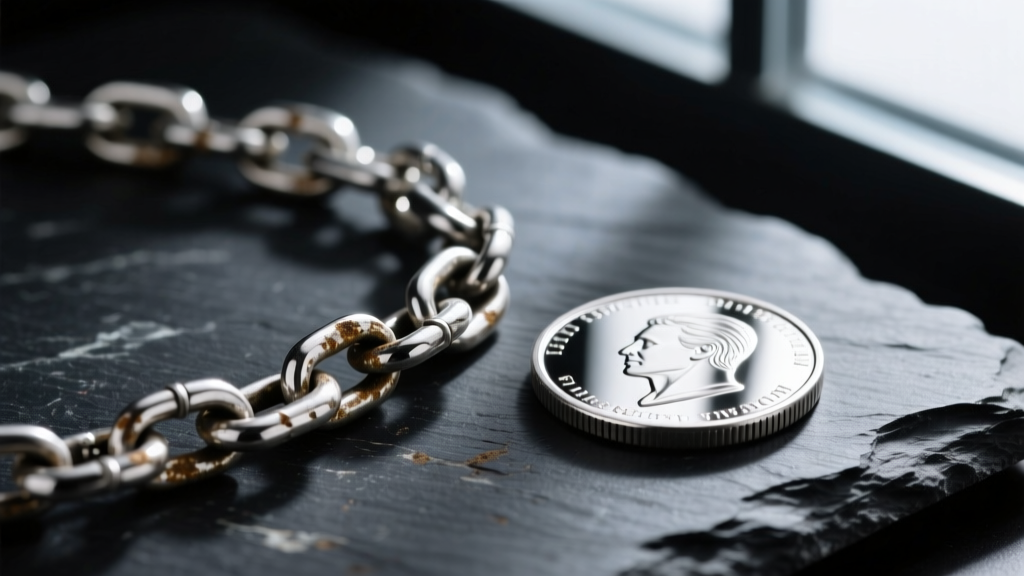
When searching for the best way to clean silver jewelry, most guides offer a one-size-fits-all solution. However, as any metallurgist or master jeweler will tell you, silver is rarely just "silver." The cleaning protocol that restores a brilliant shine to a 925 sterling ring could permanently ruin a silver-plated pendant or strip the protective germanium layer off an Argentium piece. In 2026, with the rise of advanced silver alloys and specialized finishes, understanding the material properties of your jewelry is the only way to clean it safely and effectively.
The Chemistry of Silver Tarnish: Why Alloys Matter
Pure silver is highly resistant to tarnish. The black or yellowish film we associate with "dirty" silver is actually silver sulfide (Ag2S), a chemical reaction that occurs when silver is exposed to sulfur compounds in the air, combined with moisture. However, pure silver is too soft for most jewelry applications. To increase durability, it is alloyed with other metals—most commonly copper. It is this copper content that accelerates tarnishing and dictates the best way to clean silver jewelry based on its specific grade.
Material Breakdown: Matching the Cleaning Method to the Grade
Fine Silver (.999): The Gentle Approach
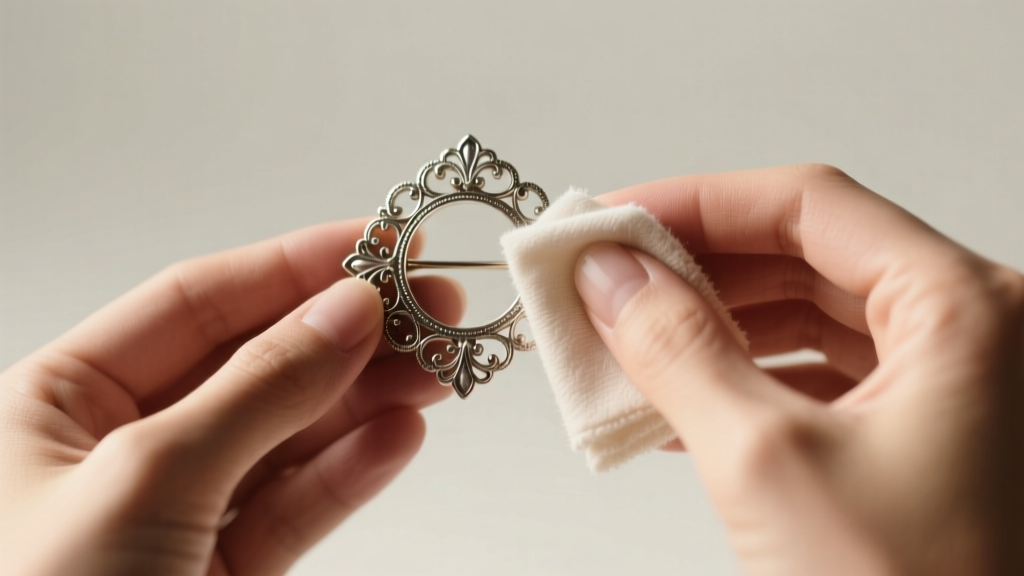
Fine silver consists of 99.9% pure silver. Because it lacks copper, it is highly resistant to tarnishing and usually only accumulates surface oils and environmental dust. With a Mohs hardness of just 2.5, fine silver is exceptionally soft and prone to micro-scratching. The best way to clean silver jewelry of this purity is purely mechanical and non-abrasive. Use a high-density, lint-free microfiber cloth to gently buff the surface. Avoid liquid dips entirely, as they are unnecessary and can leave chemical residues in the porous metal.
Sterling Silver (.925): Electrolytic and Chemical Solutions
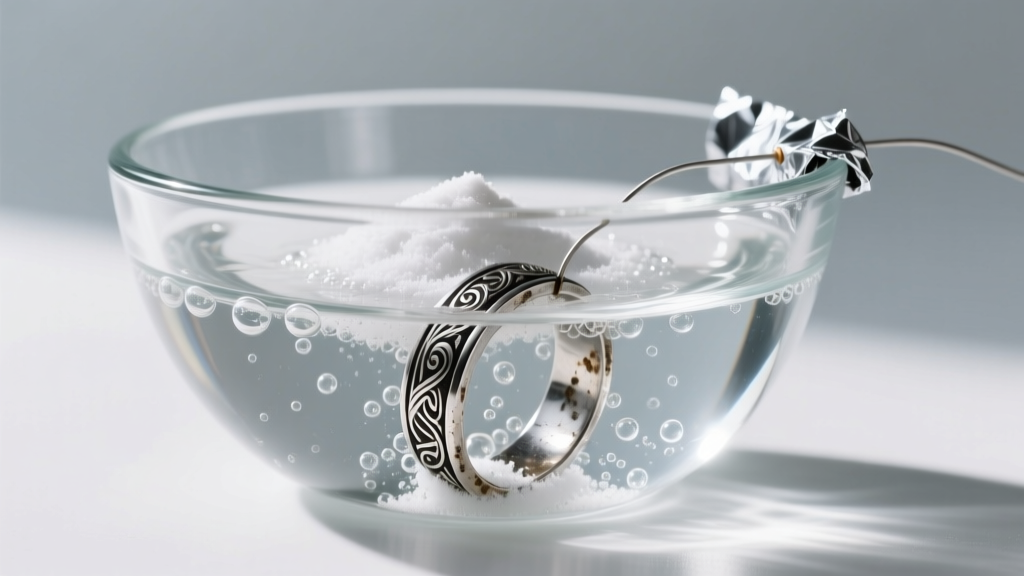
Sterling silver contains 92.5% silver and 7.5% copper. This copper addition provides structural integrity but makes the alloy highly susceptible to silver sulfide formation. For heavy tarnish, the most effective and scientifically sound method is an electrolytic reduction bath. This process reverses the chemical reaction, converting silver sulfide back into elemental silver without removing any base metal.
The Electrolytic Bath Protocol:
- Line a glass or ceramic bowl with aluminum foil (shiny side up).
- Add 1 tablespoon of baking soda and 1 tablespoon of non-iodized salt per cup of boiling water.
- Submerge the sterling silver piece, ensuring it physically touches the aluminum foil.
- Let it sit for 3 to 5 minutes. The sulfur transfers from the silver to the aluminum via the electrolyte solution.
- Rinse thoroughly with distilled water and pat dry with a microfiber cloth.
Note: Never use this method on jewelry with porous gemstones like turquoise, opals, or pearls, as the heat and alkalinity will destroy them.
Argentium Silver: Protecting the Germanium Layer
Argentium silver (typically .935 or .960) replaces some of the copper with germanium. This creates a transparent, self-healing layer of germanium oxide on the surface, making it up to seven times more tarnish-resistant than traditional sterling. The best way to clean silver jewelry made of Argentium is with a mild, phosphate-free dish soap and lukewarm water. Crucial Warning: Never use commercial silver dips containing thiourea or harsh polishing compounds on Argentium. These chemicals strip the germanium oxide layer, permanently removing its tarnish-resistant properties.
Silver-Plated Jewelry: Avoiding the Abrasion Trap
Silver-plated pieces feature a microscopically thin layer of silver (usually between 0.5 and 2.5 microns) electroplated over a base metal like brass or copper. Flash-plated items may have less than 0.1 microns of silver. The best way to clean silver jewelry with plating is extreme gentleness. Use only a damp microfiber cloth with a drop of mild soap. Polishing cloths embedded with jeweler's rouge or baking soda pastes will act as sandpaper, stripping the silver layer entirely and exposing the base metal beneath.
Comparative Matrix: Silver Grades vs. Cleaning Protocols
| Silver Alloy | Purity | Tarnish Rate | Best Cleaning Method | Methods to Avoid |
|---|---|---|---|---|
| Fine Silver (.999) | 99.9% | Very Low | Dry microfiber buffing | Abrasive pastes, stiff brushes |
| Sterling (.925) | 92.5% | High | Aluminum foil electrolytic bath | Toothpaste, paper towels |
| Argentium (.935+) | 93.5%+ | Extremely Low | Mild soap and distilled water | Thiourea chemical dips, polishing wheels |
| Silver-Plated | Surface only | Moderate (Base metal dependent) | Damp microfiber, mild soap | Electrolytic baths, rubbing, silver dips |
What to Avoid: Universal Silver Cleaning Mistakes
According to conservation guidelines from the Victoria and Albert Museum, many popular DIY cleaning hacks cause irreversible damage to silver artifacts and jewelry alike.
- Toothpaste: Toothpaste contains hydrated silica, which ranks at a 3 to 4 on the Mohs hardness scale. Sterling silver ranks at 2.5 to 3. Scrubbing silver with toothpaste guarantees micro-scratches that will dull the finish and actually trap more tarnish in the future.
- Paper Towels and Tissues: Wood pulp products contain microscopic wood fibers that are hard enough to scratch high-polish silver. Always use 100% cotton flannel or synthetic microfiber.
- Rubber Bands: Never secure silver jewelry with rubber bands during storage or cleaning. Rubber contains high levels of sulfur and will cause severe, localized black tarnishing that is difficult to remove.
Long-Term Storage and Tarnish Prevention
Understanding the best way to clean silver jewelry is only half the battle; preventing the chemical reaction in the first place is the hallmark of proper jewelry care. The Gemological Institute of America (GIA) recommends controlling the environment where silver is stored.
"Tarnish is a symptom of environmental exposure. By removing sulfur and moisture from the storage equation, you eliminate the need for aggressive cleaning altogether."
Store your pieces in airtight polyethylene ziplock bags. Avoid polyvinyl chloride (PVC) plastics, which emit chemicals that corrode silver. Place a 3M anti-tarnish strip or a small packet of activated charcoal inside the bag to absorb ambient sulfur compounds. For high-humidity environments, add a silica gel desiccant packet to control moisture. By matching your cleaning chemistry to your specific silver alloy and controlling your storage environment, your jewelry will maintain its metallurgical integrity and brilliant luster for generations.


