What Does 925 Mark on Jewelry Mean? A Trend Analysis
Discover what the 925 mark on jewelry means for purity, styling, and 2026 trends. Learn to authenticate sterling silver and spot counterfeit hallmarks.

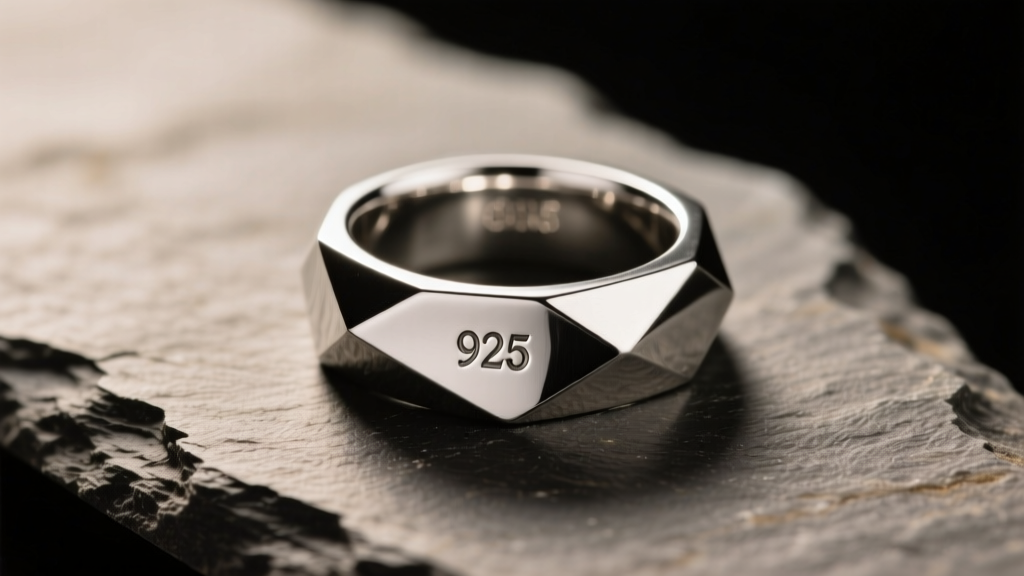
When navigating the curated world of fine and demi-fine accessories, one question consistently anchors the buying process: what does 925 mark on jewelry mean? At its most basic metallurgical level, the '925' stamp signifies that a piece is composed of 92.5% pure silver and 7.5% alloy metals—typically copper. However, from a style and trend analysis perspective, this tiny hallmark has evolved far beyond a mere measure of purity. In 2026, the 925 mark represents a baseline for structural integrity, a canvas for avant-garde design motifs, and a crucial shield against the influx of counterfeit fast-fashion metals.
As jewelry trends shift toward architectural silhouettes and hyper-textured brutalism, understanding the physical and stylistic implications of the 925 stamp is essential for collectors, stylists, and everyday wearers. Here is a deep dive into the metallurgy, design evolution, and authentication of sterling silver in the modern style landscape.
The Metallurgy of the Mark: Beyond Basic Sterling
Pure silver (999 fine silver) is exceptionally soft, ranking just 2.5 to 3 on the Mohs hardness scale. While it possesses a brilliant luster, it is entirely unsuitable for the structural demands of modern jewelry, such as securing gemstone bezels or holding the tension of a cuff bracelet. The addition of 7.5% copper elevates the hardness to approximately 3.5, creating the durable alloy we recognize as sterling silver.
However, this copper content introduces a well-known vulnerability: tarnish. Copper reacts with sulfur and moisture in the air, leading to the dark silver sulfide layer that plagues neglected jewelry boxes. According to The Silver Institute, this chemical reality has driven modern metallurgists to develop alternative 925 alloys. Argentium silver, for instance, replaces a portion of the copper with germanium. This 925-stamped variant offers profound tarnish resistance and a naturally whiter hue, making it a favorite among contemporary minimalist designers who want to avoid heavy rhodium plating.
The 925 Hallmark as a Visible Design Motif
Historically, the 925 stamp was hidden—tucked inside a ring band or clamped near a lobster clasp to avoid disrupting the piece's aesthetic flow. Today, the hallmark has been reclaimed as a deliberate design element.
Brutalism and the Exposed Stamp
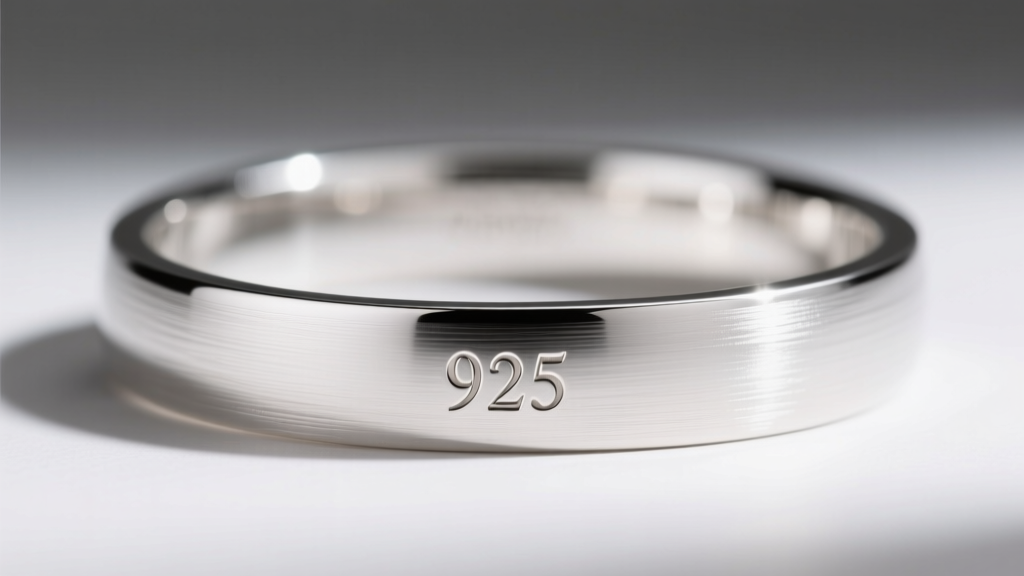
The brutalist jewelry movement, which celebrates raw, unpolished, and industrial textures, has pushed the 925 stamp to the forefront. Designers are now casting oversized, deeply recessed '925' numerals directly onto the outer faces of heavy signet rings and thick chain links. This trend speaks to a consumer desire for radical transparency and industrial authenticity. Wearing an exposed hallmark is no longer a faux pas; it is a stylistic flex that signals an appreciation for the raw materials of the craft.
Minimalist Micro-Branding
Conversely, in the realm of ultra-fine minimalist jewelry, the 925 mark is being integrated into micro-branding. Laser-engraved maker's marks that combine the brand's logo with the 925 purity stamp are being placed on the exterior of ultra-thin stacking bands. This requires immense precision, as the stamp must be legible under a jeweler's loupe without compromising the structural integrity of a 1.2mm band.
Authentication: Protecting Your Curated Collection
As the demand for demi-fine jewelry surges, so does the market for deceptive stamping. It is remarkably easy for unethical manufacturers to stamp '925' onto brass, copper-nickel alloys, or low-grade steel. For the discerning collector, relying on visual inspection of the stamp is no longer sufficient. You must employ physical and chemical verification methods.
| Alloy Type | Purity | Composition | Tarnish Rate | Best Style Application |
|---|---|---|---|---|
| 999 Fine Silver | 99.9% | Pure Silver | Low (but soft) | Delicate wire-wrapping, bezels |
| 925 Sterling | 92.5% | 7.5% Copper | Moderate | Everyday rings, structural cuffs |
| Argentium 925 | 92.5% | Copper + Germanium | Very Low | High-polish minimalist bands |
| Coin Silver (900) | 90.0% | 10% Copper | High | Vintage revival, oxidized pieces |
The Magnet Test: Silver is paramagnetic, meaning it exhibits only a very weak attraction to magnetic fields. If a heavy silver chain snaps to a neodymium magnet, it contains a ferromagnetic core like iron or steel.
The Thermal Conductivity Test: Silver possesses the highest thermal conductivity of any common metal. If you place an ice cube on a 925 silver coin or thick bangle, the ice will begin to melt almost instantaneously, far faster than on stainless steel or brass.
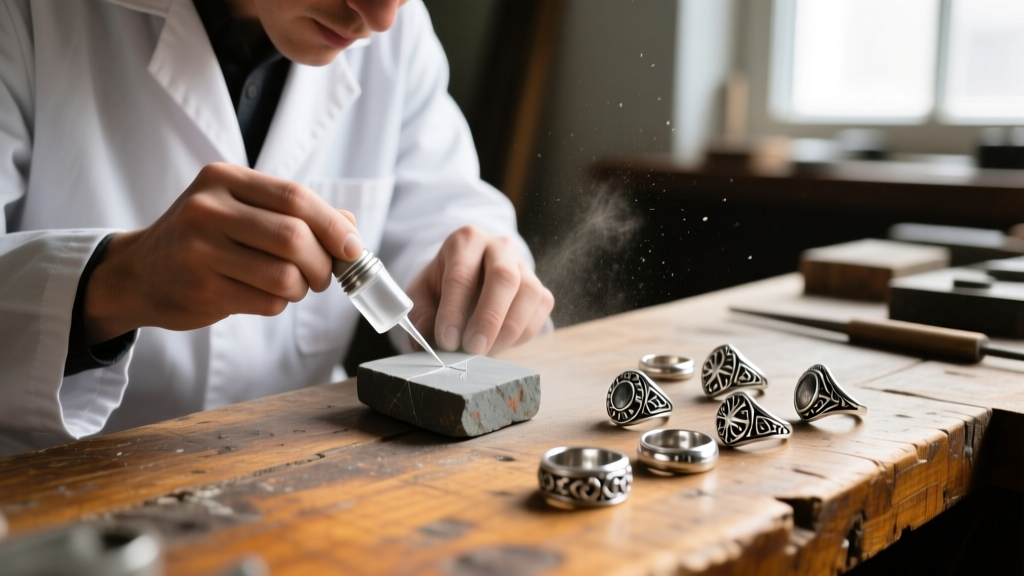
The Acid Scratch Test: For absolute certainty, jewelers use a black touchstone and nitric acid. As noted by the Gemological Institute of America (GIA), filing a small, discreet notch into the metal and applying a drop of silver testing acid will yield a creamy white color for authentic 925 sterling. If the acid turns green, you are looking at a base metal counterfeit.
The Rhodium Plating Debate in 2026
For decades, the standard industry practice was to electroplate 925 sterling silver with a thin layer of rhodium (usually 0.75 to 1.0 microns thick). Rhodium, a platinum group metal, provides a brilliant, tarnish-proof, chrome-like finish. However, it masks the natural, warm undertones of true silver.
In 2026, style analysts are noting a massive pivot away from rhodium-plated silver. The 'naked silver' trend champions unplated, high-polish 925 sterling. Consumers and designers alike are embracing the slight warmth and organic aging process of the bare alloy. This shift is deeply tied to the sustainability movement; stripping rhodium plating from silver for recycling is an energy-intensive process, and unplated silver is significantly easier to refine and repurpose.
2026 Trend Forecast: Styling Authentic 925 Silver
Understanding what the 925 mark means allows you to leverage the metal's natural properties in your styling. Here is how authentic sterling is being worn this year.
The Patina Revival
Rather than fighting tarnish, avant-garde stylists are accelerating it using Liver of Sulfur to create intentional, high-contrast patinas. By oxidizing a textured 925 piece and then polishing only the high points, designers create a moody, antique depth that highlights the brutalist and organic shapes dominating current runways. A 925 stamp on an intentionally oxidized piece is a badge of honor, proving the darkening is a chemical reaction of real copper alloys, not cheap paint.
Mixed-Metal Stacking
The rigid rule of matching metals is entirely obsolete. The 925 mark gives you the confidence to mix sterling silver with 14k yellow gold and rose gold vermeil. Because 925 sterling has a distinct visual weight and a slightly cooler temperature than gold, it serves as the perfect visual anchor in a mixed-metal stack. When stacking, use a 925 sterling signet or wide cuff as the foundational piece on the wrist or finger, and flank it with thinner, warmer gold chains or bands to create dynamic contrast.


