Silver Dollar Pawn & Jewelry: 2026 Silver Value & Buying Guide
Discover how Silver Dollar Pawn & Jewelry prices 925 sterling silver in 2026. Learn melt value formulas, testing methods, and negotiation tactics.

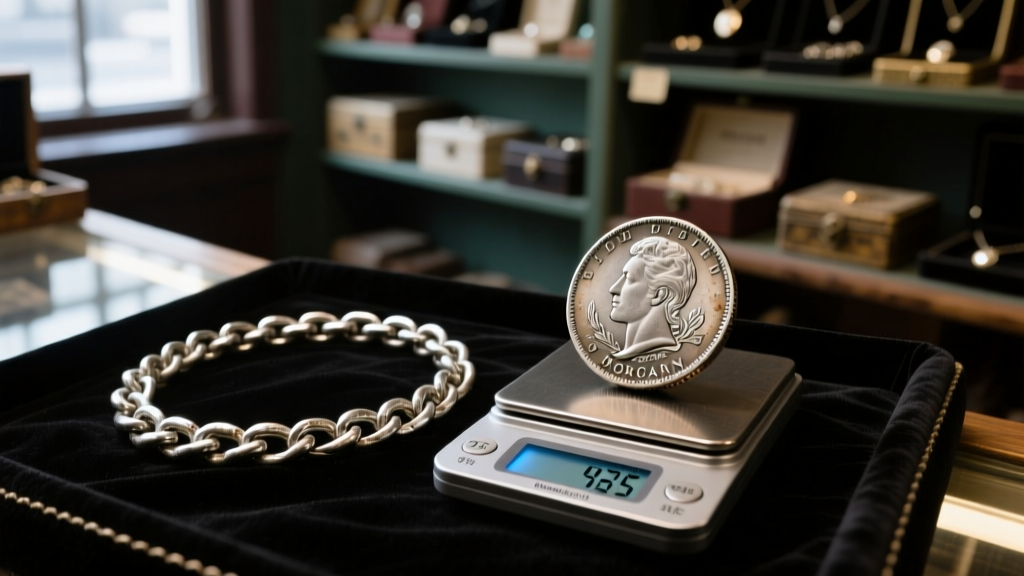
Walking into a pawn shop to buy or sell precious metals can feel like navigating a maze of fluctuating markets and hidden margins. For budget-conscious collectors and sellers, establishments like Silver Dollar Pawn & Jewelry represent a unique intersection of numismatic history and wearable sterling silver. But how exactly do these shops determine the value of a tarnished 925 chain or a circulated Morgan dollar in 2026? Understanding the mechanics of pawn shop appraisals is the key to securing a fair deal, whether you are liquidating an estate or hunting for below-retail sterling silver jewelry.
The Economics of Pawn Shop Silver in 2026
The silver market has seen significant volatility over the last few years, driven by industrial demand in green technology and electronics, alongside traditional investment hedging. When you approach a counter at Silver Dollar Pawn & Jewelry, the pawnbroker is primarily looking at the melt value of your items, tempered by the retail demand for specific jewelry styles. Unlike gold, which carries high premiums for craftsmanship, silver jewelry is often traded very close to its raw material weight unless it features high-end designer hallmarks (like Tiffany & Co. or Georg Jensen) or rare turquoise inlay work.
According to real-time market trackers like Kitco, the spot price of silver fluctuates daily. In 2026, a savvy seller must check the spot price before walking through the pawn shop doors. Pawn shops typically offer between 40% to 60% of the current melt value for scrap silver, while retail pricing on their display shelves usually sits at 2.5x to 4x the melt value. This gap covers their overhead, testing time, and the risk of holding inventory in a fluctuating market.
How Silver Dollar Pawn & Jewelry Assesses Purity
Not all silver is created equal. The Gemological Institute of America (GIA) notes that while sterling silver is the global standard for jewelry, pawn shops encounter a wild array of alloys. Here is the exact hierarchy of testing methods used by professional pawnbrokers to verify authenticity:
1. X-Ray Fluorescence (XRF) Analysis
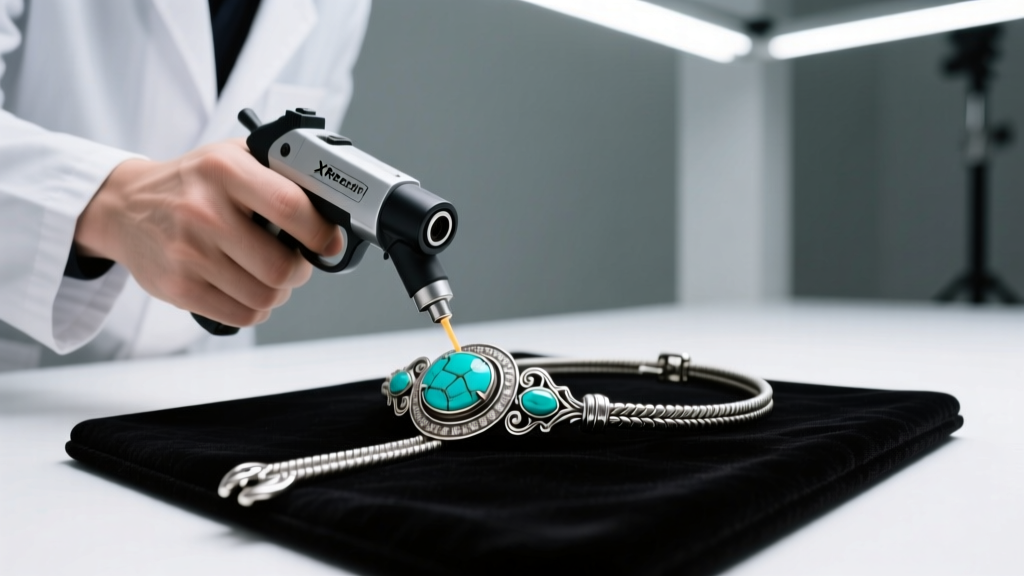
For high-value items or bulk lots, modern pawn shops use XRF analyzers. This non-destructive method fires X-rays into the metal and reads the fluorescent bounce-back to determine the exact elemental breakdown. It can instantly tell a broker that a piece is 92.6% silver and 7.4% copper, or expose a piece as a rhodium-plated brass counterfeit.
2. The Acid Test Protocol
For everyday jewelry, the Schwerter's solution acid test remains the industry workhorse. A small scratch is made on a testing stone, and nitric acid is applied. The color reaction dictates the purity:
- Blood Red: 925 Sterling Silver (The standard for jewelry)
- Dark Brown: 800 Silver (Common in vintage European pieces)
- Coin Silver Reaction: 900 Silver (Typical of US Morgan and Peace dollars)
- Green: Base metal or silver-plated over copper/brass
3. The Magnet and Ping Tests
Silver is paramagnetic, meaning it exhibits no noticeable attraction to a strong neodymium magnet. If a silver chain clings to a magnet, it contains a ferromagnetic core (usually steel or iron) and is immediately rejected. For silver dollars and heavy coins, brokers use the "ping" test. Struck lightly, genuine 90% silver coins emit a high-pitched, long-lasting resonance, whereas copper-nickel clad coins produce a dull thud.
Melt Value vs. Retail Markup: A Pricing Breakdown
To understand the budget and value assessment at Silver Dollar Pawn & Jewelry, let us break down the exact math applied to a standard 50-gram 925 sterling silver Cuban link chain. This framework will help you set realistic expectations whether you are selling your scrap or buying from their showcase.
| Valuation Metric | Calculation / Formula | Estimated 2026 Value |
|---|---|---|
| Total Item Weight | Measured on a calibrated digital scale | 50.0 grams |
| Pure Silver Content | 50g × 0.925 (Sterling Purity) | 46.25 grams (1.48 Troy oz) |
| Spot Melt Value | 1.48 oz × $32.00 (Hypothetical Spot) | $47.36 |
| Pawn Shop Cash Offer | Typically 50% - 65% of Melt Value | $23.00 - $30.00 |
| Pawn Shop Retail Price | Typically 2.5x - 4x Melt Value | $118.00 - $189.00 |
As the table illustrates, the spread between what you receive in cash and what the next buyer pays is substantial. However, for a buyer, purchasing that chain for $130 at a pawn shop still represents a massive discount compared to a $400+ price tag at a traditional retail jewelry mall store. The value proposition of pawn shop silver lies in bypassing the massive retail markups of brand-new jewelry.
Spotting the Fakes: What Pawnbrokers Look For
Silver Dollar Pawn & Jewelry sees dozens of counterfeit or misrepresented items weekly. Budget buyers looking for deals on secondary markets must be aware of the common traps that pawnbrokers are trained to avoid.
The EPNS and Silver-Plate Trap
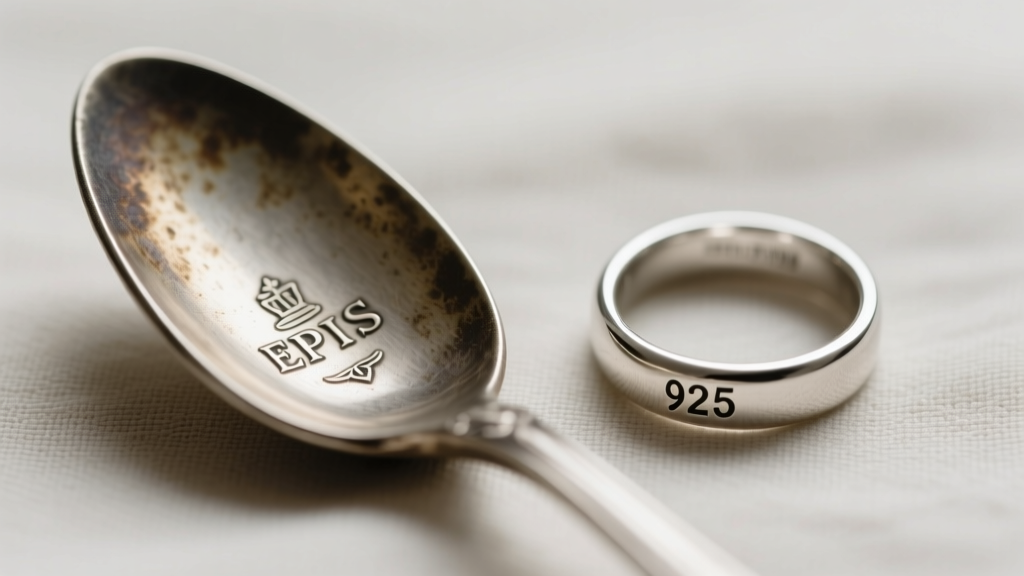
Electroplated Nickel Silver (EPNS) or items marked "Silver on Copper" contain virtually no recoverable precious metal. The silver layer is often only microns thick. While these vintage pieces might have antique or aesthetic value, their melt value is effectively zero. Pawn shops will weigh these items and immediately deduct them from a bulk jewelry lot.
Tibetan and Tribal Silver
Often sold at flea markets and online auction sites, "Tibetan Silver" is a notorious misnomer. In 2026, metallurgical testing confirms that most modern items bearing this label are actually alloys of copper, zinc, and nickel, sometimes containing trace amounts of lead. They are completely devoid of elemental silver and are rejected by reputable pawn brokers.
Hollow-Core and Weighted Silver
Some vintage sterling silver candlesticks and large beads are filled with pitch, resin, or cement to give them structure. While the outer shell may be genuine 925 silver, the actual silver weight is a fraction of the total scale weight. Experienced brokers at Silver Dollar Pawn & Jewelry will tap the base of these items or use specific gravity water-displacement tests to calculate the true silver content before making an offer.
Negotiation Framework for Sellers and Buyers
Whether you are cashing in inherited jewelry or building a silver stack on a budget, negotiation at the pawn counter requires data, not emotion. Here is a proven framework to maximize your value:
- Bring Your Own Calibration: While pawn shops use certified scales, bringing a small, calibrated pocket scale shows the broker you are an informed seller who knows the exact gram weight of their items.
- Quote the Daily Spot: Politely referencing the current Kitco spot price establishes a baseline. If silver is up 4% that morning, ensure the broker's offer reflects the daily shift, not yesterday's closing price.
- Separate the Scrap from the Art: If you are selling a lot of jewelry, separate the broken, tangled chains (scrap) from the intact, vintage, or gemstone-set pieces (retail). Brokers will offer a higher percentage of melt for scrap, but will negotiate on retail value for wearable pieces.
- Buy on Slow Days: If you are shopping at Silver Dollar Pawn & Jewelry for sterling silver, visit on weekday mornings. Brokers are more likely to negotiate retail prices down toward their wholesale cost when foot traffic is low and they need to move inventory.
Ultimately, assessing the budget and value of silver at pawn shops requires a blend of metallurgical knowledge and market awareness. By understanding the precise testing methods, the mathematical spread between melt and retail, and the common pitfalls of silver-plated fakes, you can confidently navigate the pawn counter and secure the best possible value for your sterling silver assets in 2026.


