What 925 on Jewelry Means: Decoding Sterling Silver Hallmarks
Discover what 925 on jewelry means, from sterling silver alloy compositions to hallmark authenticity and modern styling trends for your collection.

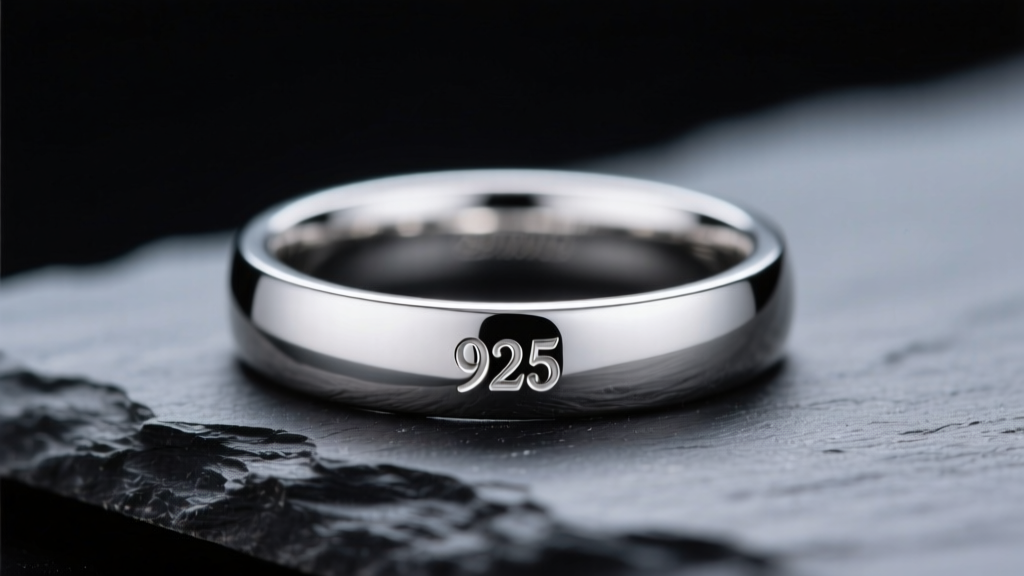
The Metallurgy Behind the Mark: Why 92.5%?
When you turn over a silver ring or inspect the clasp of a chain, spotting that tiny stamp raises a fundamental question for collectors and stylists alike: what 925 on jewelry means for your collection, your skin, and your wallet. The '925' hallmark is the universal indicator of sterling silver, signifying that the piece is composed of exactly 92.5% pure silver and 7.5% alloy metals—most commonly copper.
Pure silver, often stamped as '999' or fine silver, is exceptionally soft, ranking just 2.5 on the Mohs hardness scale. While brilliant and highly resistant to tarnish, it is entirely unsuitable for everyday jewelry like rings or bracelets, as it will scratch, dent, and lose its shape within days. By alloying the silver with 7.5% copper, metallurgists raise the hardness to a durable 3.5, creating a metal that can withstand the rigors of daily wear while retaining the luminous, white-metal reflectivity that defines silver's aesthetic appeal.
Silver Grade Comparison Chart
| Grade | Purity | Tarnish Resistance | Best Use Case |
|---|---|---|---|
| Fine Silver (999) | 99.9% | Excellent | Stud earrings, pendants, investment bullion |
| Sterling Silver (925) | 92.5% | Moderate | Rings, chains, bracelets, daily wear |
| Argentium Silver (935/960) | 93.5% - 96% | Superior | High-end bridal, low-maintenance daily wear |
| Coin Silver (900) | 90.0% | Poor | Vintage pieces, antique flatware |
Global Hallmarking Laws: Is the Stamp Enough?
Understanding what 925 on jewelry means also requires navigating international hallmarking laws. In the United States, the Federal Trade Commission (FTC) Jewelry Guides mandate that if a quality mark like '925' or 'Sterling' is applied, the piece must accurately reflect that purity. However, the US does not legally require a maker's mark or an independent assay stamp alongside it. This creates a loophole where counterfeiters can easily stamp '925' on base metals.
Conversely, the United Kingdom enforces a strict, centuries-old hallmarking system. According to The Goldsmiths' Company Assay Office, a legal UK hallmark must include three distinct marks: the Sponsor's Mark (the maker), the Standard Mark (the 925 millesimal fineness symbol), and the Assay Office Mark (e.g., a leopard's head for London). For high-value vintage and contemporary pieces, seeking out these triple-stamped hallmarks provides a much higher guarantee of authenticity than a solitary '925' stamp.
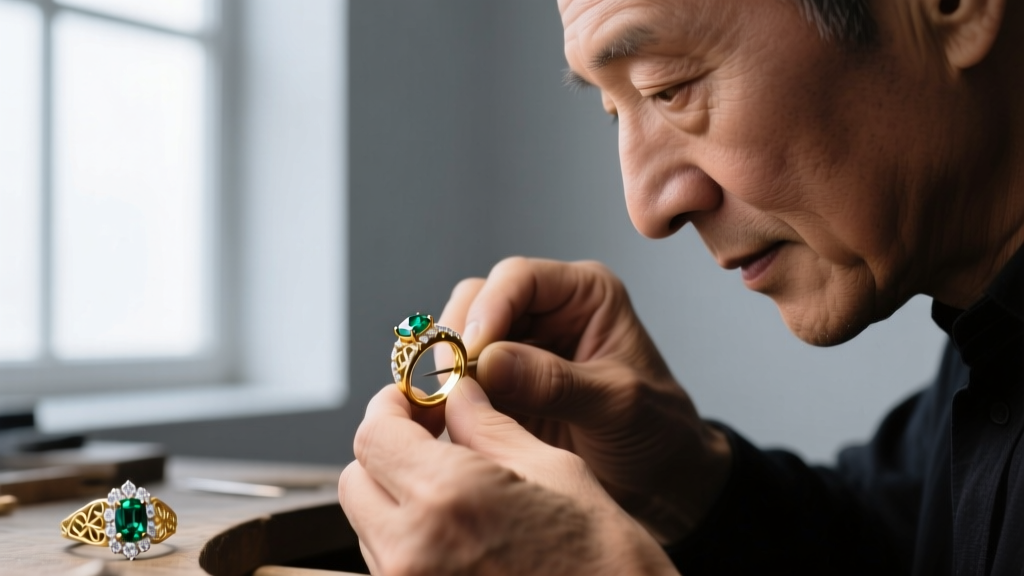
Spotting Fakes: When the '925' Stamp is a Lie
Because the 925 stamp is easily forged using cheap steel punches, the Gemological Institute of America (GIA) advises consumers and collectors to rely on physical and chemical properties rather than visual stamps alone. Here are the most reliable, non-destructive methods to verify sterling silver in the field:
- The Magnet Test: Silver is diamagnetic, meaning it is slightly repelled by magnets. If a '925' chain clings strongly to a rare-earth neodymium magnet, the core is likely steel or iron, and the piece is heavily silver-plated at best.
- The Ice Cube Test: Silver possesses the highest thermal conductivity of any common metal. Place an ice cube on a 925 silver coin or thick bangle; it should begin melting almost instantly, far faster than it would on stainless steel or room-temperature glass.
- The Olfactory Test: Pure silver and properly alloyed sterling silver are virtually odorless. Rub the piece vigorously between your fingers to generate friction heat, then smell it. A distinct metallic, brassy, or sulfurous odor indicates a high copper or brass content, exposing it as a fake.
- The Polishing Cloth Test: When buffing genuine 925 silver with a microfiber or treated jeweler's cloth, the cloth will pick up a black residue (tarnish/copper sulfide). Plated base metals will often leave a greenish hue or no residue at all until the plating wears through.
2026 Style Trends: How Top Designers Use 925 Silver
From a stylistic perspective, the interpretation of what 925 on jewelry means has shifted dramatically on the runways and in street style. In 2026, the 'quiet luxury' movement has evolved into 'textured maximalism.' Designers are moving away from high-polish, mirror-finish sterling silver and embracing the metal's natural propensity to oxidize.
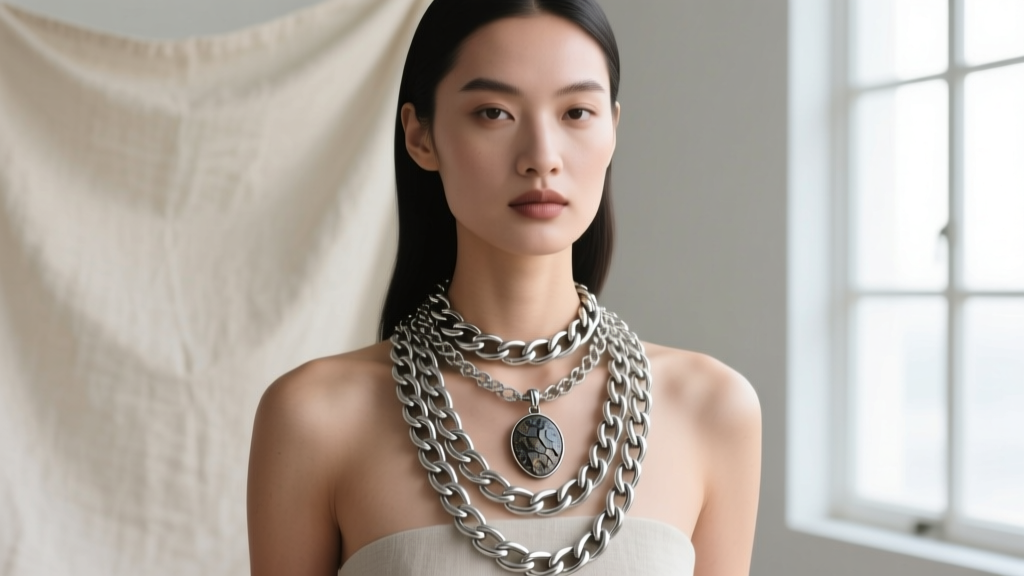
Heavy-gauge chains—specifically 5mm to 8mm Cuban and Figaro links crafted in solid 925 silver—are dominating necklines. Stylists are intentionally applying liver of sulfur to these pieces to create deep, blackened crevices that highlight the architectural geometry of the links while leaving the high-contact surfaces bright. Furthermore, mixed-metal layering is peaking; wearing a 925 silver chain intertwined with a 14k yellow gold vermeil rope chain creates a dynamic, high-contrast aesthetic that feels both vintage and hyper-modern. Oxidized 925 silver signet rings featuring deep relief carvings are also replacing traditional smooth bands, offering a gothic, heritage-inspired look that pairs effortlessly with both tailored suiting and casual denim.
Investment and Pricing: Calculating the Real Value
When evaluating pricing, it is crucial to separate the melt value of the metal from the craftsmanship premium. As of early 2026, the spot price of silver hovers around $28 to $32 per troy ounce. A standard 20-inch, 5mm solid 925 sterling silver Cuban chain weighs approximately 45 grams (about 1.45 troy ounces). Since it is 92.5% pure, it contains roughly 1.34 troy ounces of fine silver, yielding a baseline melt value of around $40.
However, retail pricing reflects labor, design, and brand positioning. A generic, mass-produced 925 chain of this weight will typically retail between $120 and $180. Conversely, a hand-forged, artisan-crafted chain from a recognized silversmith or luxury house can command $600 to over $1,500. When shopping, always weigh the piece (if possible) and calculate the price-per-gram to ensure you are not being subjected to exorbitant markups on basic cast items. Always request a certificate of authenticity or a detailed receipt specifying the exact gram weight and metal purity when purchasing high-ticket 925 items from independent jewelers.
Advanced Care: Preserving the 925 Finish
The 7.5% copper in 925 silver is the culprit behind tarnish, reacting with sulfur compounds in the air and on human skin to form silver sulfide. To preserve your collection, avoid storing 925 pieces in humid environments like bathrooms, and never expose them to chlorinated pool water or harsh household bleach, which can cause irreversible pitting and blackening.
Stylist's Pro-Tip: Store your 925 jewelry in individual anti-tarnish flannel bags infused with activated charcoal or silver cloth strips. For pieces worn daily, the natural oils from your skin will actually act as a mild polishing agent, keeping high-contact areas bright and delaying the onset of heavy tarnish.
If heavy tarnish does develop, skip the abrasive liquid silver dips that strip away the metal's natural luster and damage any porous gemstones like turquoise or opals. Instead, use a specialized silver polishing foam and a soft-bristled detailing brush to gently lift the sulfide layer from intricate crevices without scratching the surrounding polished surfaces. Ultimately, understanding what 925 on jewelry means empowers you to buy with confidence, spot counterfeit pieces instantly, and curate a collection that balances metallurgical integrity with cutting-edge style.


