Al's Beads & Silver Jewelry: Material Properties Compared
Compare aluminum beads and sterling silver jewelry properties. Learn about galvanic corrosion, weight, and best practices for mixed-metal designs.

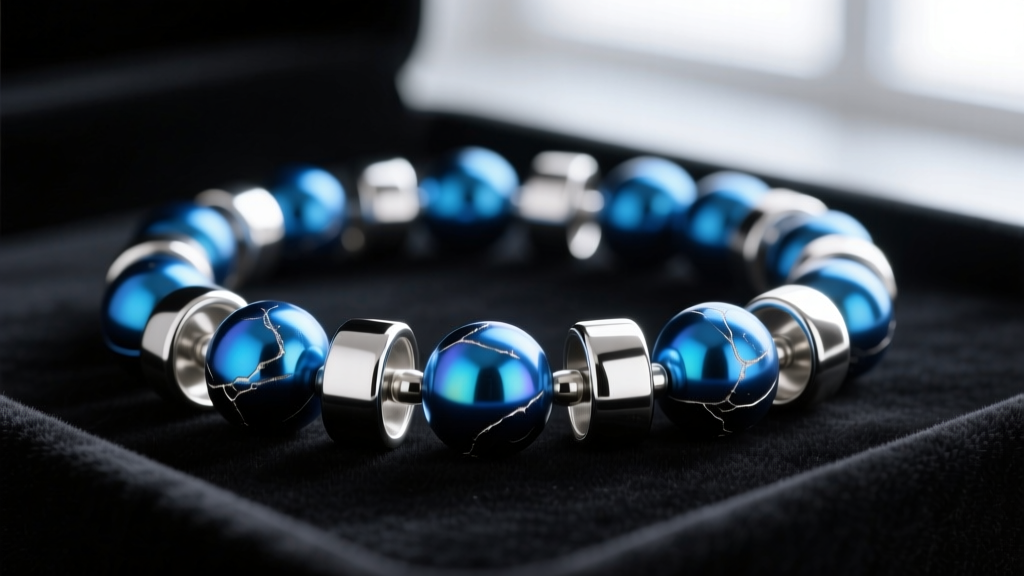
The intersection of mixed-media design has redefined contemporary adornment, allowing artisans to blend industrial versatility with traditional luxury. For makers and collectors navigating the market for al's beads & silver jewelry, understanding the stark metallurgical differences between anodized aluminum components and precious 925 sterling silver is critical. While combining these materials yields striking visual contrasts and innovative price points, it also introduces complex chemical and structural challenges that can compromise the longevity of the piece if not properly managed.
In 2026, the demand for lightweight, hyper-colored statement pieces has driven a surge in aluminum bead usage. However, pairing these components with sterling silver requires a deep understanding of material science. This guide explores the specific properties, failure modes, and assembly protocols necessary for successfully integrating aluminum and sterling silver in fine and fashion jewelry.
The Metallurgical Reality: Alloy Composition and Surface Treatments
To understand how these metals interact, we must first examine their base compositions. Sterling silver is an alloy consisting of 92.5% pure silver and 7.5% copper. The copper is essential; pure silver (999 fine) is far too soft for functional jewelry components like clasps or ear wires. However, this copper content is also responsible for sterling's primary vulnerability: tarnishing. When exposed to atmospheric sulfur compounds, the copper reacts to form silver sulfide, creating the familiar black patina on the metal's surface.
Aluminum jewelry components, on the other hand, are typically crafted from 1100 (commercially pure) or 6061 aerospace-grade alloys. Bare aluminum reacts instantly with oxygen to form a microscopic, self-healing layer of aluminum oxide. In the jewelry industry, this property is exploited through Type II sulfuric acid anodizing. The metal is submerged in an acid bath and subjected to an electrical current, thickening the oxide layer and creating a porous, honeycomb-like surface. Dyes are introduced into these pores, and the metal is then sealed in boiling water, trapping the vibrant colors beneath a hard, transparent ceramic-like shell.
The Galvanic Corrosion Threat in Mixed-Metal Assembly
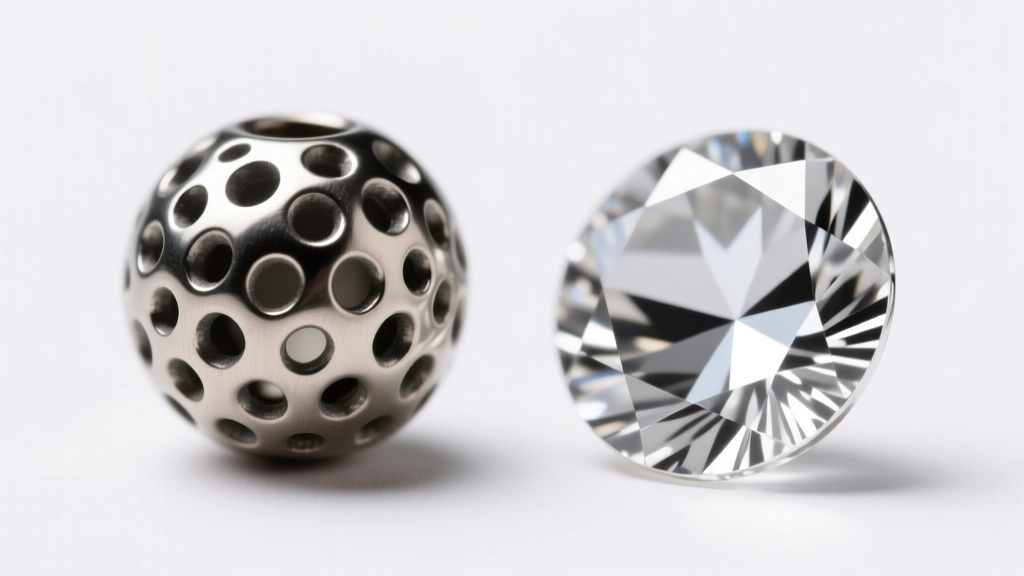
The most critical risk when combining aluminum beads with sterling silver findings is galvanic corrosion. This electrochemical process occurs when two dissimilar metals with different standard electrode potentials come into electrical contact in the presence of an electrolyte (such as human sweat, which is rich in sodium chloride).
On the galvanic series chart, silver is highly cathodic (noble), sitting at a standard potential of +0.80V. Aluminum is highly anodic (active), sitting at approximately -1.66V. This massive potential difference of over 2.4 volts means that if a sterling silver bead rests directly against an aluminum bead on a necklace, and the wearer perspires, a microscopic battery is formed. The sterling silver acts as the cathode and remains perfectly protected, while the aluminum acts as a sacrificial anode.
Real-World Failure Modes
- Pitting and Chalking: The aluminum bead will rapidly corrode, leaving a white, powdery aluminum oxide residue that stains clothing and skin.
- Dye Bleeding: As the anodized surface degrades from galvanic action, the sealed pores rupture, causing the vibrant dyes to bleed out onto adjacent silver components.
- Structural Failure: Over months of daily wear, the aluminum component can corrode entirely through its cross-section, leading to catastrophic strand breakage.
The Expert Solution: Never allow direct contact between sterling silver and aluminum. Artisans must use inert isolating spacers. Micro-beads made of PTFE (Teflon), medical-grade silicone, borosilicate glass, or niobium act as physical and electrical insulators, breaking the galvanic cell and preserving both metals.
Structural Integrity: Hardness, Gauges, and Metal Fatigue
When designing structural elements—such as ear wires, jump rings, or clasps—the mechanical properties of the metals dictate their viability. According to material data sheets provided by suppliers like Rio Grande, the Vickers hardness (HV) of these metals varies drastically based on their temper.
| Material Property | 925 Sterling Silver (Half-Hard) | 6061 Aluminum (T6 Tempered) | 1100 Aluminum (Dead Soft) |
|---|---|---|---|
| Density | 10.36 g/cm³ | 2.70 g/cm³ | 2.71 g/cm³ |
| Vickers Hardness | ~110 HV | ~107 HV | ~25 HV |
| Tensile Strength | 345 MPa | 310 MPa | 90 MPa |
| Metal Fatigue Resistance | High | Moderate | Very Low |
While 6061-T6 aluminum is surprisingly strong, the pure 1100 aluminum often used for stamped beads and charms is exceptionally soft. More importantly, aluminum suffers from poor metal fatigue resistance compared to sterling silver. If you use aluminum wire to create French hook ear wires, the repeated bending of putting the earring on and taking it off will cause the aluminum to work-harden, become brittle, and snap within weeks. Therefore, structural findings must always be fabricated from 20-gauge or 22-gauge half-hard 925 sterling silver, with the aluminum elements serving strictly as decorative drops or beads.
Weight Distribution and Biomechanics
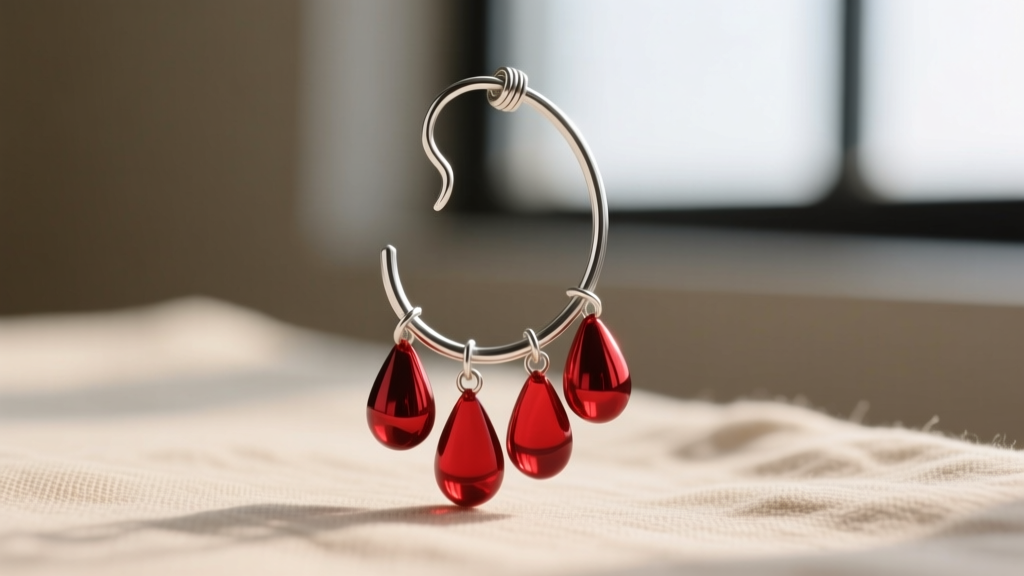
The most significant advantage of integrating aluminum into silver jewelry designs is weight reduction. Sterling silver is nearly four times denser than aluminum. In the realm of statement earrings or large-scale collar necklaces, a solid sterling silver design can easily exceed 40 grams per earring, leading to earlobe stretching, discomfort, and eventual piercing migration.
By utilizing large, anodized aluminum geometric beads as the focal point of a design, and reserving the heavier sterling silver for the structural framework and chain, designers can achieve a massive visual footprint while keeping the total weight under 10 grams per ear. This biomechanical consideration is essential for creating wearable, comfortable avant-garde jewelry that does not compromise the wearer's physical comfort.
Hypoallergenic Profiles and Skin Reactions
Both metals are generally well-tolerated, but they present different allergenic profiles. Sterling silver's 7.5% copper content can cause a greenish discoloration on the skin of individuals with highly acidic sweat pH, though true allergic contact dermatitis to silver or copper is rare. Aluminum, conversely, is highly biocompatible and widely considered hypoallergenic. However, the dyes used in the anodizing process, or the nickel content sometimes present in lower-grade aluminum alloys, can trigger reactions in highly sensitive individuals. Sourcing certified nickel-free aluminum components is a non-negotiable standard for professional jewelry makers.
Care and Maintenance Protocols
Mixed-metal jewelry requires specialized care protocols. The most common mistake consumers make is using commercial silver dip solutions (which rely on thiourea and harsh acids) to clean tarnished silver elements on a mixed piece. These chemical baths will instantly strip the anodized layer from aluminum beads, leaving them dull, grey, and permanently damaged.
To clean al's beads & silver jewelry combinations, artisans must instruct clients to use only a mild, phosphate-free dish soap, warm water, and a soft microfiber cloth. For localized silver tarnish removal, a specialized silver polishing cloth impregnated with mild micro-abrasives should be used carefully, ensuring the cloth does not aggressively rub against the dyed aluminum components, which can scratch the sealed oxide layer over time.
Conclusion
Blending the industrial vibrancy of aluminum beads with the timeless prestige of sterling silver offers unparalleled creative freedom. However, mastering this material combination requires respecting the laws of chemistry and physics. By implementing galvanic isolation techniques, selecting the correct wire tempers for structural findings, and educating end-users on proper mixed-metal maintenance, jewelers can create striking, durable pieces that stand the test of time.


