How to Clean Silver: Understanding the 925 Stamp on Jewelry
Learn how the 925 stamp on jewelry dictates your cleaning routine. Discover expert tarnish removal, authenticity tests, and hallmark preservation tips.

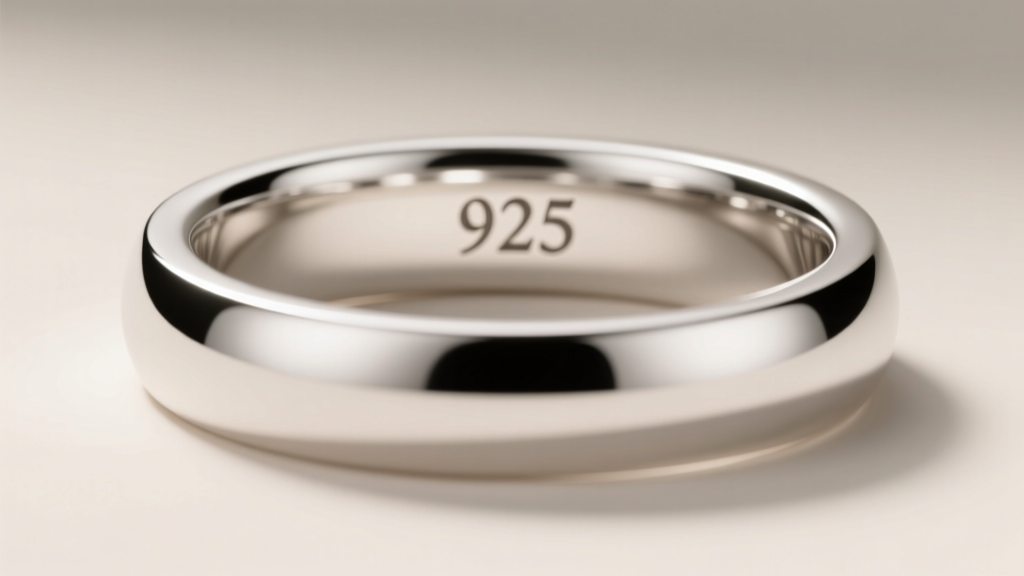
When you spot a 925 stamp on jewelry, you are looking at more than just a mark of authenticity. This tiny hallmark is a metallurgical blueprint that dictates exactly how your piece will age, tarnish, and respond to cleaning chemicals. Sterling silver is an alloy, and understanding its precise composition is the first step in mastering its long-term care. Whether you are maintaining a vintage heirloom or a modern minimalist chain, the cleaning protocols you choose must respect the physical realities of the 925 alloy.
In this comprehensive guide, we will decode what the 925 stamp means for your maintenance routine, explore the electrochemistry of tarnish removal, and provide actionable frameworks to clean your silver without eroding its precious hallmarks over time.
The Metallurgy Behind the Mark: Why 925 Tarnishes
The 925 stamp on jewelry guarantees that the piece is composed of 92.5% pure silver and 7.5% alloy metals, almost universally copper. Pure silver (999 fine silver) is highly resistant to tarnish, but it is far too soft for daily wear, possessing a Vickers hardness of roughly 25 HV. By alloying it with copper, the hardness increases to approximately 65 HV, making it durable enough for rings, clasps, and prong settings.
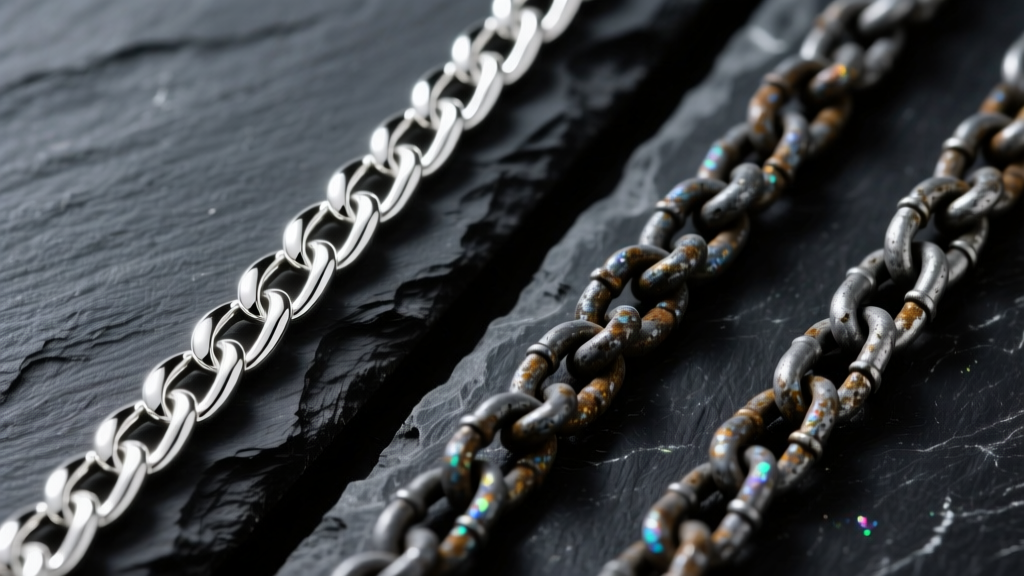
However, this 7.5% copper is the exact reason your jewelry tarnishes. According to the Gemological Institute of America (GIA), copper reacts with hydrogen sulfide (H2S) and sulfur dioxide in the atmosphere to form copper sulfide and silver sulfide (Ag2S). This chemical reaction manifests as the yellow, brown, and eventually black film we call tarnish. Because the tarnish is a surface-level chemical alteration rather than mere dirt, it requires specific chemical or electrochemical interventions to reverse.
Pre-Cleaning Verification: Is Your 925 Stamp Authentic?
Before applying any cleaning agents, you must verify that the 925 stamp on jewelry is genuine. Silver-plated items are frequently stamped '925' by bad actors, and applying harsh tarnish removers to plated brass or copper will strip the microscopically thin silver layer, ruining the piece permanently.
Use the following diagnostic framework to verify your alloy before cleaning:
| Testing Method | Procedure | Result for True 925 Silver | Risk Level |
|---|---|---|---|
| Neodymium Magnet | Hold a strong rare-earth magnet near the clasp or band. | No magnetic attraction. (Clasps may have steel springs). | Zero |
| Ice Thermal Test | Place an ice cube directly on the metal surface. | Ice melts rapidly due to silver's high thermal conductivity. | Zero |
| Nitric Acid Test | Apply a drop of diluted nitric acid to an inconspicuous area. | Turns a creamy white color. (Green indicates base metal). | High (Etches metal) |
For everyday consumers, the magnet and ice tests are highly reliable and non-destructive. If your piece fails these, you are likely dealing with silver-plated base metal, which requires only mild soap and water—never chemical dips or abrasive polishes.
The Safest Cleaning Protocols for Stamped 925 Silver
Once authenticity is confirmed, select your cleaning method based on the severity of the oxidation. The goal is to remove the silver sulfide layer without removing the underlying healthy silver.
Level 1: Light Tarnish and Daily Grime (Surfactant Wash)
For pieces with a slight yellowish hue or accumulated skin oils, avoid commercial polishes entirely. Mix three drops of pH-neutral dish soap (like Dawn) into a bowl of warm distilled water. Soak the jewelry for five minutes, then gently agitate with an ultra-soft baby toothbrush. Rinse with distilled water—never tap water, as the chlorine and minerals can leave spotting—and dry immediately with a lint-free microfiber cloth.
Level 2: Heavy Black Oxidation (Electrochemical Reduction)
For severe, blackened tarnish, skip the abrasive pastes and utilize an electrochemical reaction that converts silver sulfide back into pure silver. As detailed by the chemistry educators at Compound Interest, this method sacrifices aluminum to save the silver.
- Line a glass bowl with aluminum foil, shiny side up.
- Add 1 tablespoon of baking soda (sodium bicarbonate) per cup of boiling water.
- Submerge the 925 silver piece, ensuring it physically touches the aluminum foil.
- Wait 3 to 5 minutes. You will smell sulfur (like rotten eggs) as the Ag2S transfers to the aluminum.
- Remove with wooden tongs, rinse in distilled water, and buff dry.
Critical Warning: Never use this electrochemical method on jewelry featuring porous gemstones (turquoise, opals, pearls, lapis lazuli) or on intentionally oxidized (antiqued) silver designs, as it will strip the deliberate black detailing from the crevices.
Preserving the 925 Stamp During Polishing
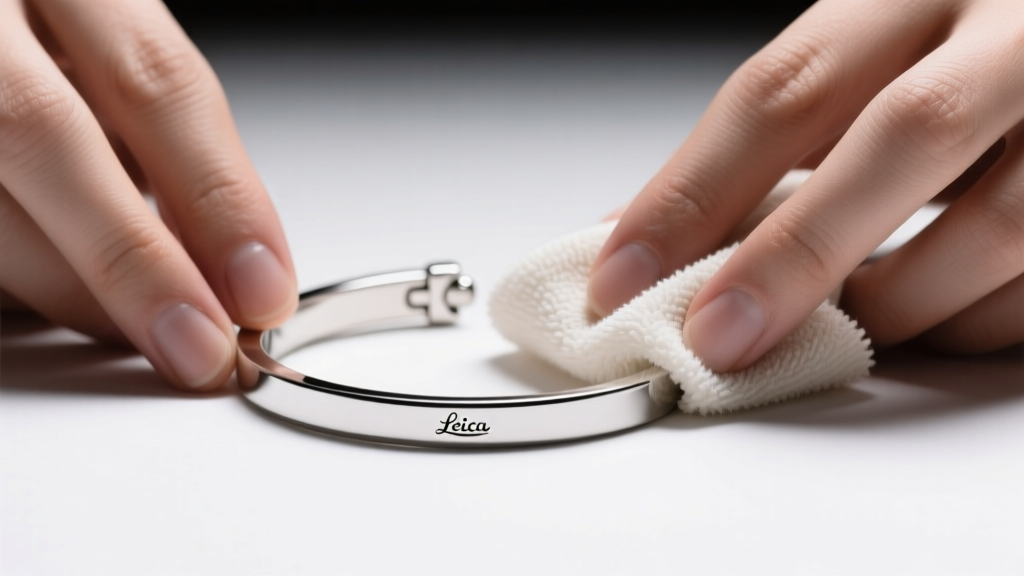
One of the most overlooked aspects of silver care is hallmark preservation. The 925 stamp on jewelry is applied using hardened steel punch dies that displace the metal to a depth of only 0.15mm to 0.35mm. Over a lifetime of aggressive polishing, this shallow stamp can be completely erased, severely impacting the resale and appraisal value of the piece.
To protect the hallmark, follow these strict preservation rules:
- Avoid Treated Cloths on Stamps: Commercial silver polishing cloths are impregnated with micro-abrasives and chemical tarnish inhibitors. Rubbing these vigorously over the stamp will gradually sand away the raised edges of the numbers.
- Beware of Silver Dips: Liquid silver dips rely on thiourea, a toxic chemical that strips tarnish instantly. However, thiourea leaves a white, powdery residue that becomes trapped inside the 925 stamp crevices, making the hallmark look cloudy and artificially aged.
- Use the Q-Tip Method: When using a mild silver polishing paste (like Wright's Silver Cream), apply it with a cotton swab around the stamped area, but use a clean, damp wooden toothpick to gently lift the paste out of the stamped numbers before it dries.
Long-Term Storage to Protect the Alloy
Because the 7.5% copper in 925 sterling silver is constantly seeking out sulfur in the environment, proper storage is a form of passive maintenance. The Federal Trade Commission (FTC) notes that proper care of precious metals extends their functional lifespan significantly.
Store your verified 925 pieces in airtight polyethylene zip-lock bags. PVC plastics should be strictly avoided, as PVC off-gasses chemicals that accelerate severe black tarnishing. Inside each bag, include a 3M anti-tarnish strip, which absorbs sulfur gases, and a small packet of silica gel to control ambient humidity. By controlling the micro-climate around your jewelry, you can reduce the need for active cleaning to just once or twice a decade, ensuring that the crisp 925 stamp on jewelry remains legible for generations.


