Metal Allergies: What Are the Benefits of Wearing Silver Jewelry?
Discover what the benefits of wearing silver jewelry are for solving metal allergies, skin rashes, and piercing irritation with expert troubleshooting.

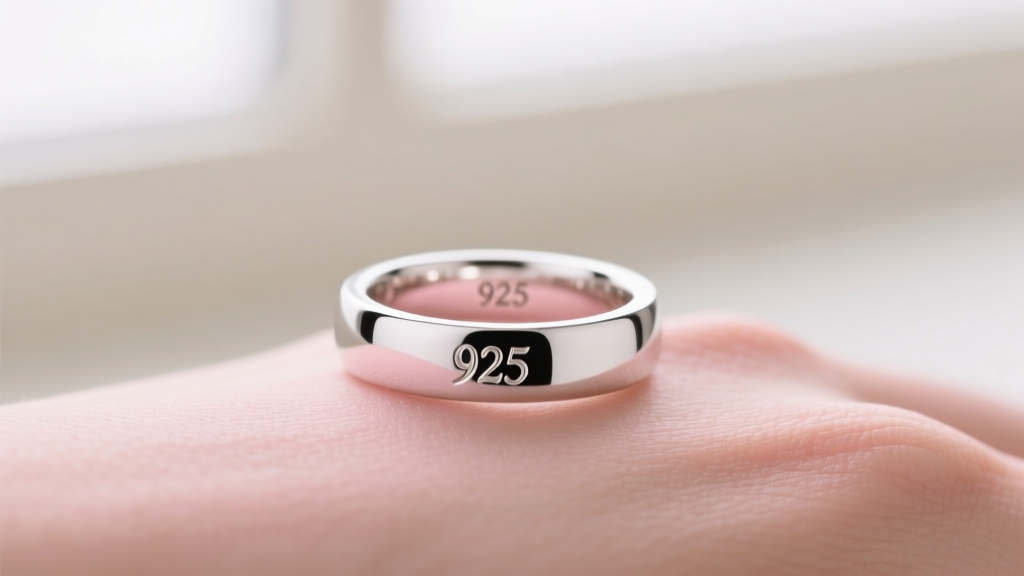
The Core Problem: Why Your Jewelry is Causing Skin Reactions
If you are reading this, you have likely experienced the frustrating cycle of buying a beautiful piece of jewelry, wearing it for a few hours, and developing an itchy, red, or flaky rash. Contact dermatitis from jewelry is one of the most common complaints we troubleshoot at Jewel Style Radar. The usual culprits? Nickel, cobalt, and cheap copper alloys hiding beneath flashy platings. When patients and clients ask us for a reliable alternative, the conversation inevitably turns to precious metals. But beyond aesthetics, what are the benefits of wearing silver jewelry when troubleshooting chronic skin reactions and metal sensitivities?
To answer this, we must look past the marketing fluff and examine the metallurgy of silver. Not all silver is created equal, and understanding the exact chemical properties of 925 sterling, 999 fine silver, and modern Argentium alloys is the key to solving your jewelry-induced skin issues.
What Are the Benefits of Wearing Silver Jewelry for Allergy Troubleshooting?
Silver offers distinct dermatological and practical advantages over white gold, platinum, and surgical steel, provided you select the correct grade for your specific sensitivity.
1. The Nickel-Free Advantage (When Sourced Correctly)
The most significant benefit of silver is its potential to be entirely nickel-free. According to the Cleveland Clinic, nickel allergy is the most common cause of allergic contact dermatitis, affecting up to 18% of the population. While white gold is almost always alloyed with nickel to achieve its color, standard sterling silver (925) is traditionally alloyed with 7.5% copper. If you have a nickel allergy but tolerate copper well, high-quality 925 sterling silver is an immediate, cost-effective solution compared to platinum.
2. Antimicrobial Properties of Fine Silver (999)
Fine silver (99.9% pure) possesses a well-documented oligodynamic effect—meaning it is inherently antimicrobial. Silver ions disrupt the cellular respiration of bacteria and fungi. For individuals troubleshooting smelly ear piercings, localized skin infections around dermal anchors, or delayed healing in new piercings, 999 fine silver acts as a passive hygienic barrier. The National Library of Medicine notes that silver's biocidal properties are highly effective in wound care, making fine silver an excellent choice for initial healing phases in body modification.
3. Superior Thermal Conductivity
Silver has the highest thermal conductivity of any metal. While this might seem like a purely physical trait, it solves a specific dermatological problem: heat trapping. Metals that trap heat against the skin (like titanium or certain steel alloys) can exacerbate sweat buildup, leading to maceration and fungal growth in humid environments. Silver rapidly dissipates body heat, keeping the skin beneath the jewelry cooler and drier, which is crucial for preventing irritation in high-friction areas like ear cuffs or tight chokers.
Troubleshooting Matrix: Symptoms, Causes, and Silver Solutions
Use this diagnostic table to identify your specific jewelry reaction and select the appropriate silver grade to solve it.
| Symptom | Usual Culprit | The Silver Solution | Recommended Grade |
|---|---|---|---|
| Itchy, red, blistering rash | Nickel or Cobalt | Eliminates nickel exposure entirely | 925 Sterling (Copper alloy) or Argentium 935 |
| Green or black skin staining | Copper oxidation / Brass | Seals the metal or removes copper | 999 Fine Silver or Rhodium-Plated 925 |
| Smelly, irritated piercings | Bacterial buildup / Porous metals | Oligodynamic antimicrobial action | 999 Fine Silver (Seamless rings) |
| Dull, flaky skin under rings | Trapped moisture / Heat | High thermal conductivity dissipates heat | Solid 925 Sterling (High polish) |
When Silver Fails: Troubleshooting 'Sterling' That Irritates
Despite its benefits, silver is not a universal panacea. If you switch to 925 sterling silver and still experience a reaction, you are likely facing one of two advanced troubleshooting scenarios:
The Copper Allergy Caveat: Approximately 2-3% of the population is allergic to copper, not nickel. Since standard 925 sterling is 7.5% copper, your sweat will interact with the copper alloy, creating copper salts that trigger contact dermatitis. Furthermore, cheap, mass-market 'sterling' silver imported from unregulated markets often uses nickel instead of copper because it is cheaper and easier to cast.
The Fix: If you suspect a copper allergy or have been burned by fraudulent nickel-laced sterling, you must upgrade to Argentium Silver. Argentium (usually 935 or 960 pure) replaces the copper alloy with germanium. This not only eliminates the copper allergy trigger but also makes the metal highly tarnish-resistant. As of 2026, Argentium has become the gold standard for high-end, hypoallergenic silversmithing, though it commands a 15-20% price premium over standard sterling.
Actionable Steps to Verify and Treat Your Silver Pieces
To fully leverage the benefits of wearing silver jewelry, you must verify what you actually own and maintain it correctly. Follow this troubleshooting protocol:
- Perform the Magnet Test: Silver is paramagnetic (non-magnetic). If your '925' ring snaps to a neodymium magnet, it contains a ferrous core or nickel alloy. Discard it immediately.
- Check for Threadless or Internally Threaded Designs: If you are using silver for body piercings (e.g., 16G or 14G gauges), never use externally threaded silver. The threads act as microscopic cheese graters on the fistula, tearing tissue and introducing bacteria. Opt for threadless push-pins or internally threaded posts.
- Apply a Rhodium Flash: If you love a sterling silver piece but it turns your skin green (copper oxidation), take it to a local jeweler for a rhodium plating. This creates a microscopically thin, inert barrier of platinum-group metal over the silver, completely halting the copper-sweat reaction while maintaining a bright white finish.
- Use Proper Anti-Tarnish Storage: Tarnish (silver sulfide) can mildly irritate compromised skin barriers. Store your pieces in airtight polyethylene bags with 3M anti-tarnish strips, which absorb ambient sulfur compounds before they can react with your jewelry.
Final Verdict: Is Silver the Right Fix for Your Skin?
When evaluating what the benefits of wearing silver jewelry are in a clinical, problem-solving context, the metal proves to be an exceptional tool for the vast majority of sensitive skin cases. Its inherent lack of nickel, superior heat dissipation, and the antimicrobial power of fine silver make it a cornerstone of hypoallergenic jewelry wardrobes. However, true relief requires you to act as a metallurgical detective: identify whether your skin reacts to nickel, copper, or bacteria, and select 925, Argentium, or 999 fine silver accordingly. By matching the exact silver grade to your specific biological trigger, you can finally wear your favorite pieces without the itch.


