How to Know if Jewelry is Sterling Silver: A Trend Buyer's Guide
Learn how to know if jewelry is sterling silver with expert tests, hallmark guides, and trend insights to avoid counterfeit metals.

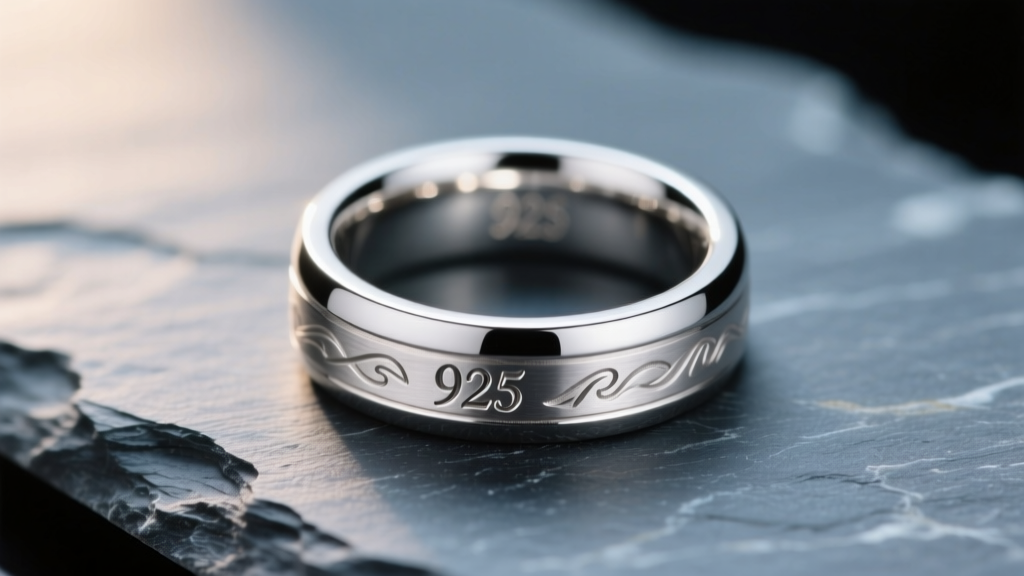
The 2026 Silver Renaissance: Why Authenticity Matters Now
In the current landscape of quiet luxury and archival vintage styling, solid silver has reclaimed its throne as the ultimate accessible luxury metal. However, as the demand for heavy, unbranded sterling silver cuffs and vintage taxco rings surges, so does the sophistication of counterfeiters. Fast fashion and drop-shipped trend pieces frequently masquerade as solid silver, leaving style-conscious buyers vulnerable to rapid tarnishing and skin reactions. Understanding how to know if jewelry is sterling silver is no longer just a concern for antique appraisers; it is a mandatory skill for the modern trend buyer navigating both estate sales and contemporary artisan markets.
Sterling silver is an alloy consisting of exactly 92.5% pure silver and 7.5% other metals, typically copper, which provides the structural integrity that pure 999 fine silver lacks. When you invest in a trending piece—like a molten silver statement ring or an oxidized chainmaille necklace—you are paying for the intrinsic value, durability, and hypoallergenic properties of this specific alloy. Let us break down the definitive, expert-level methods to verify your silver, moving far beyond the unreliable basic magnet test.
Decoding Hallmarks: Beyond the Basic "925"
The most immediate step in authentication is inspecting the hallmark. According to the Federal Trade Commission Jewelry Guides, any piece sold in the United States as silver must meet strict purity standards and be accurately marked. However, a simple "925" stamp is easily forged with a cheap metal punch. To truly authenticate a piece, you must look for secondary marks and understand regional variations.
- The Maker's Mark: Genuine artisan and luxury silver almost always features a registered maker's mark or brand logo alongside the purity stamp. In trending contemporary jewelry, this is often a tiny laser-engraved logo on the inner band or clasp.
- British Hallmarks: If you are sourcing vintage pieces from the UK, look for the Assay Office marks. A genuine British sterling piece will feature the Lion Passant (a walking lion), an assay office symbol (like an anchor for Birmingham), and a date letter.
- Mexican Taxco Marks: Vintage Mexican silver is highly trending. Look for the "Eagle" mark or the later "TC" (Taxco) followed by a number, indicating registered silversmiths from the mid-century boom.
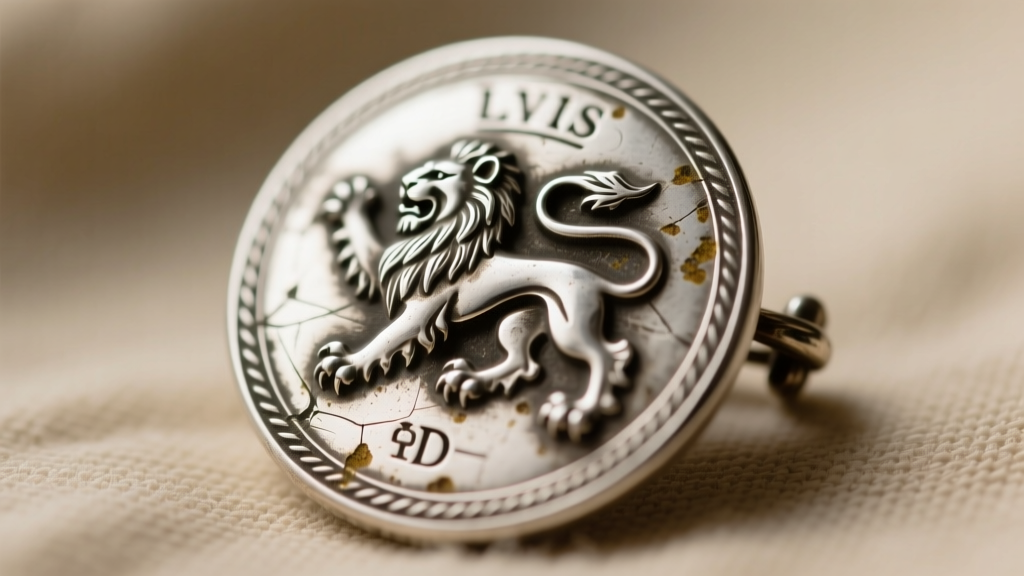
Pro-Tip: Use a 10x jeweler's loupe to inspect the edges of the stamp. Forged stamps often appear shallow, blurry, or stamped over a polished area, whereas genuine hallmarks are deeply and crisply struck into the metal before the final polish.
The Sensory & Visual Tests: What the Eye and Hand Reveal
Silver possesses unique physical properties that base metals struggle to replicate. Before resorting to chemicals, use your senses to evaluate the piece's density, thermal conductivity, and oxidation patterns.
The Ice Test (Thermal Conductivity)
Silver has the highest thermal conductivity of any common metal. If you place a standard ice cube on a room-temperature piece of solid sterling silver, the ice will begin to melt almost instantaneously, significantly faster than it would on stainless steel, brass, or silver-plated copper. The silver will also become freezing cold to the touch within seconds as it rapidly draws heat from your hand to melt the ice.
The Weight and Sound Test
Sterling silver has a specific gravity of 10.49 g/cm³, making it noticeably heavier than aluminum or hollow base metals, but slightly lighter than pure gold or platinum. When dropped on a hard surface or tapped with another piece of silver, genuine sterling produces a distinct, high-pitched, resonant "ping" that sustains for a second or two. Base metals like zinc or lead produce a dull, flat thud.
| Test Method | Sterling Silver Reaction | Base Metal / Plate Reaction |
|---|---|---|
| Ice Melt Test | Instantaneous melting; metal turns freezing cold | Slow melting; metal remains room temperature |
| Acoustic Ping | High-pitched, sustained resonant ring | Dull, flat, short thud |
| Tarnish Color | Yellow/brown progressing to deep black | Flaking, green verdigris, or pinkish hues |
| Friction Rub | Leaves black residue on soft white cloth | Leaves green/blue residue or no residue |
Chemical & Magnetic Diagnostics for Vintage and Trend Pieces
When hallmarks are worn away or sensory tests leave you uncertain, it is time to rely on physics and chemistry. These diagnostic methods provide near-absolute certainty regarding the metal's core composition.
The Neodymium Magnet Slide Test
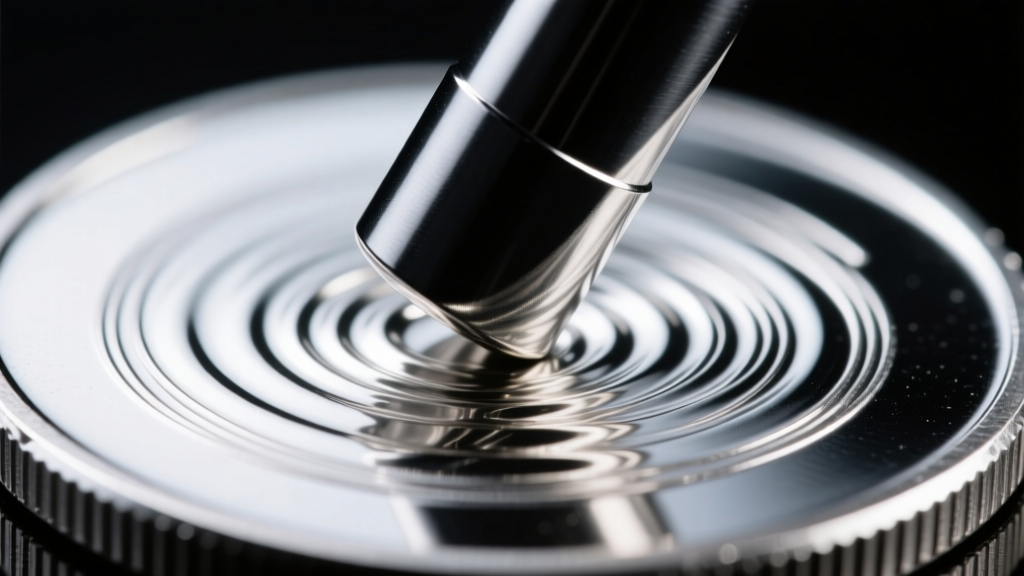
Silver is paramagnetic, meaning it is not attracted to a magnet. However, the standard "see if it sticks" test is insufficient, as copper and brass are also non-magnetic. Instead, perform the slide test. Hold a strong neodymium magnet at a 45-degree angle on the surface of a thick silver coin or heavy cuff. When you let go, the magnet should slide down slowly, as if moving through syrup. This happens because the moving magnetic field induces eddy currents in the highly conductive silver, creating a subtle opposing magnetic force that acts as a brake. If the magnet drops instantly, the piece is not silver.
The Nitric Acid Test
For definitive proof, jewelers use a precious metal testing acid (typically a dilute nitric acid solution). Caution: This test requires filing a tiny, hidden notch into the metal to bypass any surface plating. When a drop of acid is applied to genuine 925 sterling silver, it reacts to form silver chloride, turning a creamy, cloudy white. If the acid turns dark green, the piece is heavily copper-based; if it turns blue, it contains nickel. This test is the gold standard for verifying that a trending "solid silver" chain isn't merely brass with a thick rhodium flash.
Navigating the "Silver-Plated" Trend Trap
The most common deception in the modern jewelry market involves misleading terminology. Marketers frequently use terms that sound like silver but contain absolutely zero silver content. As a trend analyst, I advise buyers to immediately avoid pieces labeled with the following terms if they are seeking genuine sterling:
"Tibetan Silver," "German Silver," "Alpaca," and "Nickel Silver" are all historical or regional trade names for Cupronickel—an alloy of copper, nickel, and zinc. These metals contain 0% actual silver. They are cheap to produce, highly allergenic due to the nickel content, and will eventually wear down to reveal a brassy, irritating base.
Furthermore, be wary of "Silver Filled" or "Silver Plated" pieces being sold at solid silver price points. While silver-plated jewelry has its place in fast-moving micro-trends, the plating is usually measured in microns (often less than 3 microns on commercial pieces). Once worn through, the underlying brass will oxidize green and cannot be polished back to silver.
Expert Verdict: Building a Genuine Sterling Wardrobe
Mastering how to know if jewelry is sterling silver protects your investment and your skin. As we move through 2026, the shift towards sustainable, buy-it-for-life accessories means that solid 925 sterling silver remains a cornerstone of a curated wardrobe. Always carry a 10x loupe and a strong neodymium magnet when thrifting or visiting artisan markets. Demand transparent hallmarks, trust the thermal and acoustic properties of the metal, and never hesitate to walk away from a "too good to be true" price on a heavy, unmarked chain. True style relies on substance, and in the world of silver, authenticity is the ultimate luxury.


