Jewelry Polishing Cloth Silver: Troubleshooting Tarnish & Care
Is your jewelry polishing cloth silver leaving streaks or failing to remove tarnish? Learn expert troubleshooting tips to restore sterling pieces.

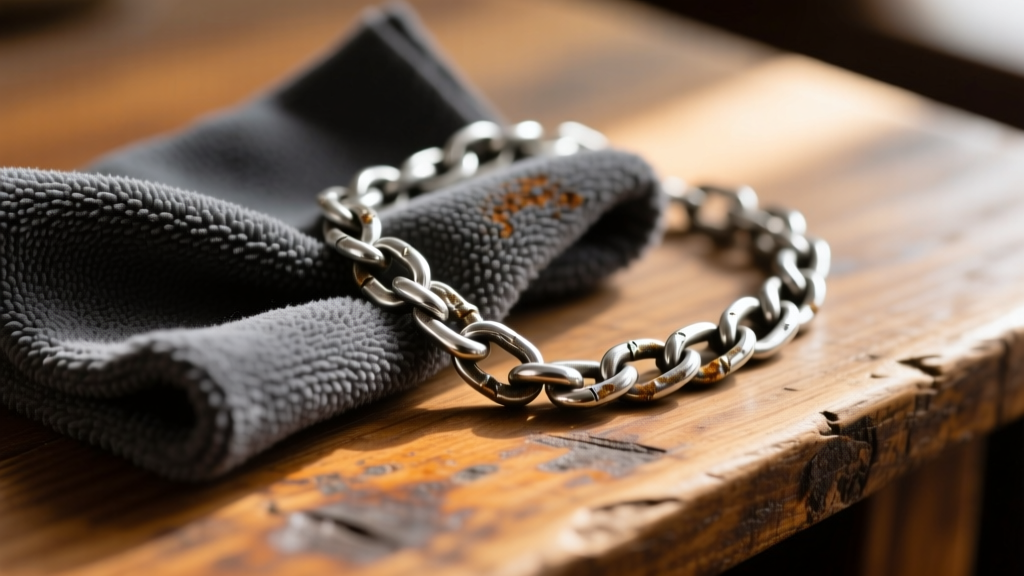
When a beloved piece of 925 sterling silver loses its luster, the immediate instinct is to reach for a trusted cleaning tool. However, many collectors and everyday wearers encounter frustrating roadblocks: the cloth leaves streaks, fails to lift dark patches, or inadvertently ruins specialized finishes. Understanding the exact mechanics behind your jewelry polishing cloth silver is the first step toward effective troubleshooting. Rather than relying on brute force, expert silver care requires diagnosing the specific type of tarnish, the chemical composition of your cloth, and the metallurgical properties of the piece itself.
The Chemistry and Mechanics of Polishing Cloths
To troubleshoot a failing polish, you must first understand what you are wiping away. Sterling silver is an alloy composed of 92.5% pure silver and 7.5% copper. According to the Gemological Institute of America (GIA), it is primarily the copper content that reacts with atmospheric sulfur and moisture to form silver sulfide ($Ag_2S$), the dark layer we recognize as tarnish. Fine silver (99.9% pure) lacks this copper and therefore tarnishes at a drastically slower rate.
Commercial polishing cloths generally rely on one of two mechanisms, or a combination of both:
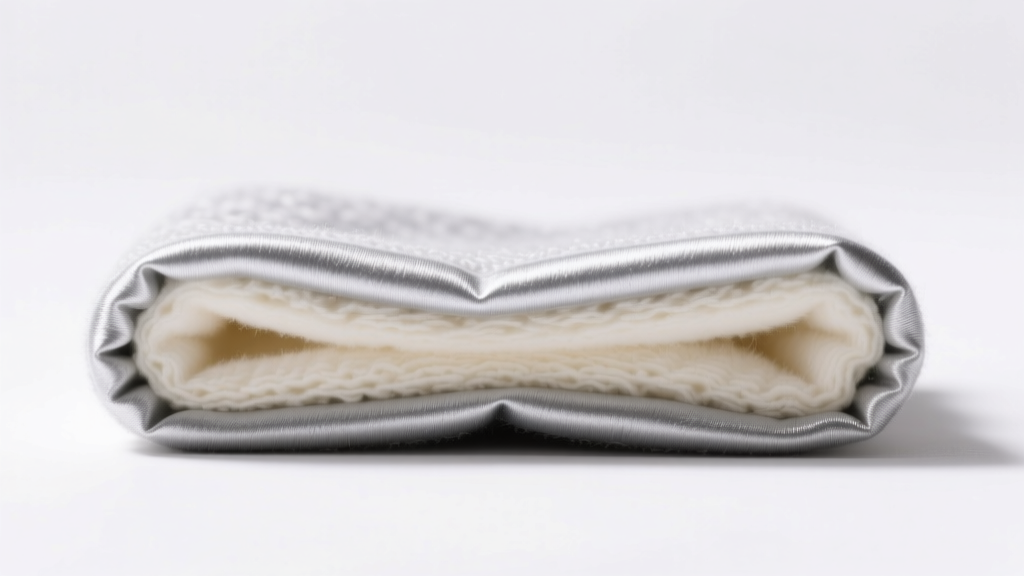
- Chemical Impregnation (Thiourea-based): Cloths like those made by Town Talk are treated with thiourea and mild surfactants. Thiourea chemically binds to silver sulfide, dissolving the tarnish layer without removing the underlying metal.
- Micro-Abrasives: Cloths like the popular Sunshine Cloth contain ultra-fine abrasive particles (often silica or aluminum oxide). These physically scrape the tarnish off the surface. While highly effective, they remove microscopic layers of silver with every use.
Troubleshooting Matrix: Why Your Cloth Isn't Working
If your polishing sessions are yielding poor results, consult this diagnostic matrix to identify the root cause and apply the correct metallurgical solution.
| Symptom | Root Cause | Expert Solution |
|---|---|---|
| Cloth glides without lifting dark spots | Thick, multi-layered silver sulfide buildup | Pre-treat with an electrolytic aluminum foil bath or a brief silver dip to break down the heavy crust before using the cloth. |
| White, chalky streaks left behind | Surface oils, lotions, or moisture blocking the chemical reaction | Degrease the piece with warm water and mild dish soap. Dry completely with a microfiber towel before polishing. |
| Micro-scratches on mirror finishes | Using an abrasive cloth (e.g., Sunshine) with excessive pressure | Switch to a chemical-only (thiourea) cloth. Use zero-pressure, sweeping motions to lift tarnish without scoring the silver. |
| Cloth transfers black residue but silver stays dull | The cloth's chemical agents are fully saturated and depleted | Retire the cloth. Once the embedded thiourea is exhausted, the cloth merely smears silver sulfide around the surface. |
The Black Residue Phenomenon
A common point of confusion is the black or dark grey stain that transfers onto the cloth during use. Many users mistakenly believe this means the cloth is 'dirty' or that the silver is degrading. In reality, this is a sign of success. The black residue is the physical silver sulfide being lifted from the metal's surface. However, if the cloth becomes entirely black, stiff, and stops transferring tarnish, its chemical capacity has reached its absolute limit. The Silver Institute emphasizes that exhausted cloths should be discarded, as attempting to wash them will destroy their chemical impregnation and render them useless.
Finish-Specific Troubleshooting: What to Polish and What to Avoid
Not all silver jewelry should be treated with a standard polishing cloth. Applying the wrong cloth to a specialized finish can cause irreversible aesthetic damage. Use this framework to protect your collection:
1. Rhodium-Plated Sterling Silver
Rhodium is a platinum-group metal applied to 925 silver to prevent tarnish and provide a bright, white-gold-like finish. Never use an abrasive polishing cloth on rhodium-plated silver. The micro-abrasives will strip the plating, exposing the underlying sterling silver and creating patchy, yellowish-grey spots. Use only a soft, untreated microfiber cloth or a chemical-only cloth with extreme gentleness.
2. Oxidized and Patinated Silver
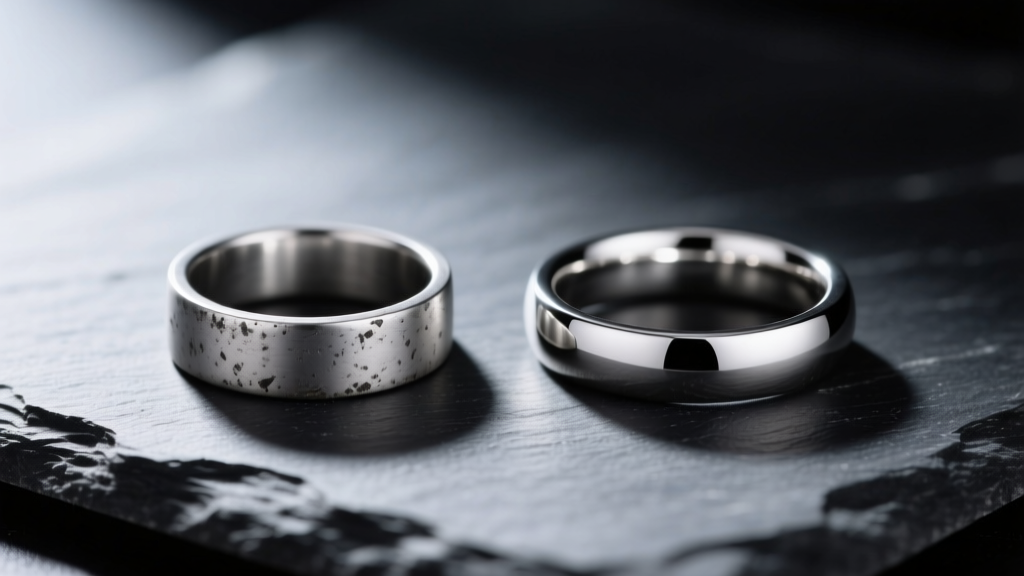
Oxidation is an intentional process where the jeweler applies liver of sulfur to darken the recesses of a piece, creating high-contrast, antique-looking details. A standard jewelry polishing cloth will aggressively strip this intentional patina, leaving the piece looking flat, bald, and artificially bright. To clean oxidized silver, use a soft-bristled brush with mild soapy water, avoiding the recessed areas entirely.
3. Satin and Matte Finishes
Matte finishes are achieved by blasting the silver with fine glass beads or brushing it with wire wool to create microscopic, light-diffusing grooves. Rubbing a polishing cloth over a matte surface will burnish these grooves flat, resulting in shiny, uneven bald spots. Limit cleaning to ultrasonic baths (if no porous gemstones are present) or gentle soap washes.
Advanced Troubleshooting: When the Cloth Isn't Enough
There is a threshold where mechanical and light chemical cloth polishing fails. If a piece has been stored in a high-humidity environment with sulfur-rich materials (like rubber bands or raw wood) for years, the silver sulfide layer can penetrate deeply. In these severe cases, follow this escalation protocol:
- Electrolytic Reduction: Line a glass bowl with aluminum foil (shiny side up). Add boiling water, a tablespoon of baking soda, and a tablespoon of sea salt. Submerge the silver. The electrochemical reaction forces the sulfur off the silver and onto the aluminum foil, lifting heavy tarnish without removing any silver metal.
- Silver Dip (Thiourea Liquid): For intricate filigree or heavy chainmaille (e.g., 20-gauge Byzantine weaves) where cloths cannot reach, a liquid silver dip is necessary. Submerge for no more than 10 seconds, then neutralize immediately in a baking soda and water bath to halt the chemical reaction.
- Final Buff: Only after the heavy sulfide layer is removed via the methods above should you use your jewelry polishing cloth to restore the final high-polish luster and apply a protective anti-tarnish barrier.
Storage and Lifespan Extension Protocols
To maximize the efficacy of your polishing cloths, proper storage is non-negotiable. Because the active ingredients (like thiourea) are volatile and react to ambient air and moisture, leaving a cloth exposed on a bathroom counter will degrade its chemical potency within weeks. Always store your cloth in an airtight, resealable polyethylene bag. Avoid storing it in PVC or vinyl containers, as the off-gassing from these plastics can actually accelerate the tarnishing of your silver and neutralize the cloth's anti-tarnish agents. By treating your polishing tools with the same care as your jewelry, you ensure that every troubleshooting session yields brilliant, scratch-free results.


