Is Sterling Silver Good Jewelry? The Ultimate Buyer's Guide
Asking is sterling silver good jewelry? Explore our expert buying guide on 925 silver, durability, and how to spot authentic pieces.

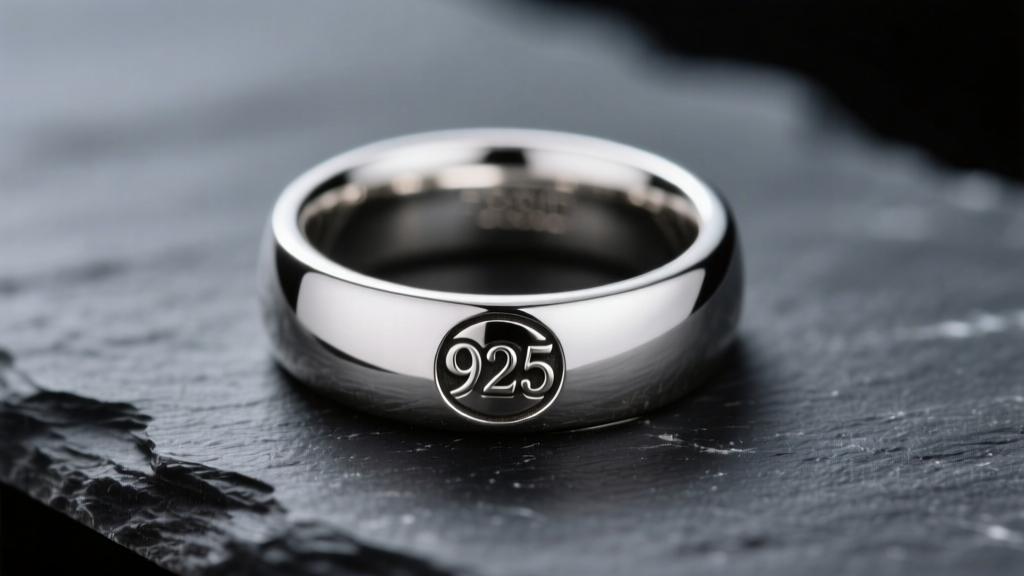
When building a versatile, everyday jewelry collection, consumers are frequently confronted with a wide array of metal options. A common question we receive at Jewel Style Radar is: is sterling silver good jewelry for daily wear, or is it merely a budget alternative to gold and platinum? The short answer is yes, sterling silver is excellent jewelry, provided you understand its metallurgical properties, how to verify its authenticity, and what specific finishes to look for based on your lifestyle.
This comprehensive buying guide cuts through the marketing fluff to give you actionable, expert-level insights into purchasing 925 sterling silver. From decoding hallmark stamps to understanding the real-world implications of rhodium plating, here is everything you need to know before adding silver to your collection.
The Short Answer: Is Sterling Silver Good Jewelry for Everyday Wear?
Pure silver (99.9% fine silver) is exceptionally soft, ranking just 2.5 on the Mohs hardness scale. In its pure state, it is easily scratched, bent, and deformed, making it entirely unsuitable for rings, bracelets, or structural jewelry components. To solve this, metallurgists alloy pure silver with other metals—most commonly copper—to create sterling silver.
By definition, sterling silver must contain exactly 92.5% pure silver and 7.5% alloy metals. This 7.5% addition dramatically increases the metal's tensile strength and durability, elevating its Mohs hardness to roughly 3.0 to 3.5. This makes it robust enough for everyday rings, heavy chains, and intricate settings, while retaining the brilliant, white-metal luster that makes silver so desirable.
Expert Insight: While traditional sterling uses copper as the alloy, copper is also the culprit behind tarnish and 'firescale' during manufacturing. If you want an upgrade, look for Argentium Silver (often stamped 935 or 960). Argentium replaces some or all of the copper with germanium, resulting in a highly tarnish-resistant, hypoallergenic alloy that is significantly more durable than standard 925 silver.
Decoding Silver Stamps: What to Look For When Buying
According to the Federal Trade Commission (FTC) Jewelry Guides, precious metals must be accurately marked to reflect their purity. When inspecting a piece, use a jeweler's loupe to locate the quality stamp. Here is a breakdown of the markings you will encounter in the market:
| Stamp / Hallmark | Silver Purity | Best Use Case | Buyer Notes |
|---|---|---|---|
| 925, .925, STER | 92.5% | Rings, chains, earrings, bracelets | The global standard for sterling silver jewelry. Ideal balance of purity and strength. |
| 999, Fine Silver | 99.9% | Investment coins, bezel wire, delicate pendants | Too soft for rings or prong settings. Highly tarnish-resistant but dents easily. |
| 900, Coin Silver | 90.0% | Antique jewelry, vintage flatware | Historically used in US coinage. Rare in modern jewelry; mostly found in estate pieces. |
| EPNS, Silver Plate | Microscopic layer | Costume jewelry, decorative objects | Electroplated nickel silver. Contains virtually no actual silver value. Avoid for fine jewelry. |
Durability and Tarnish: The Realities of 925 Silver
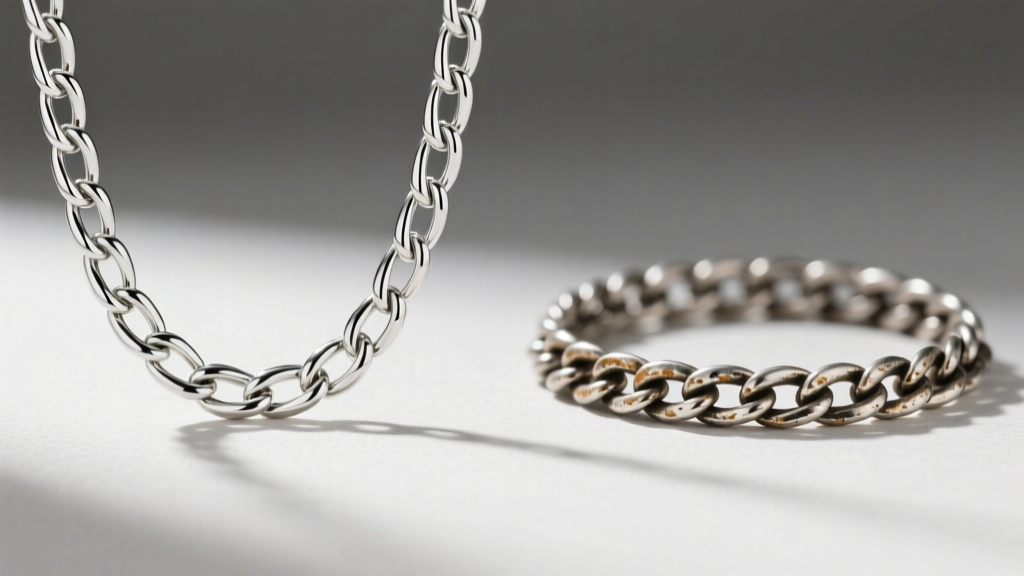
The primary drawback of the copper alloy in standard 925 silver is its reaction to sulfur and moisture in the air, which causes silver sulfide—commonly known as tarnish. If you live in a high-humidity environment or frequently expose your jewelry to chemicals (like chlorine, perfume, or lotions), unplated sterling silver will require regular polishing.
The Rhodium Plating Factor
To combat tarnish and mimic the look of white gold, many modern jewelers plate their sterling silver with rhodium, a rare, highly reflective platinum-group metal. Rhodium-plated silver is brilliant, scratch-resistant, and completely tarnish-proof. However, this plating is microscopic (usually 0.75 to 1.0 microns thick) and will eventually wear off, typically within 1 to 3 years depending on friction and skin acidity. Once it wears through, the piece must be professionally re-plated, or you must transition to polishing the raw silver beneath.
Red Flags: How to Avoid Silver-Plated Fakes
Because silver is a high-value commodity, the market is flooded with counterfeit pieces, particularly in online marketplaces. Before purchasing, especially from independent sellers or antique shops, employ these three non-destructive testing methods recommended by the Gemological Institute of America (GIA) and independent assay offices:
- The Neodymium Magnet Test: Silver is paramagnetic, meaning it exhibits very weak magnetic properties. If you hold a strong neodymium magnet to a silver chain or ring and it snaps to the metal or shows strong resistance when slid down an angle, the core is likely steel, iron, or nickel. It is not solid silver.
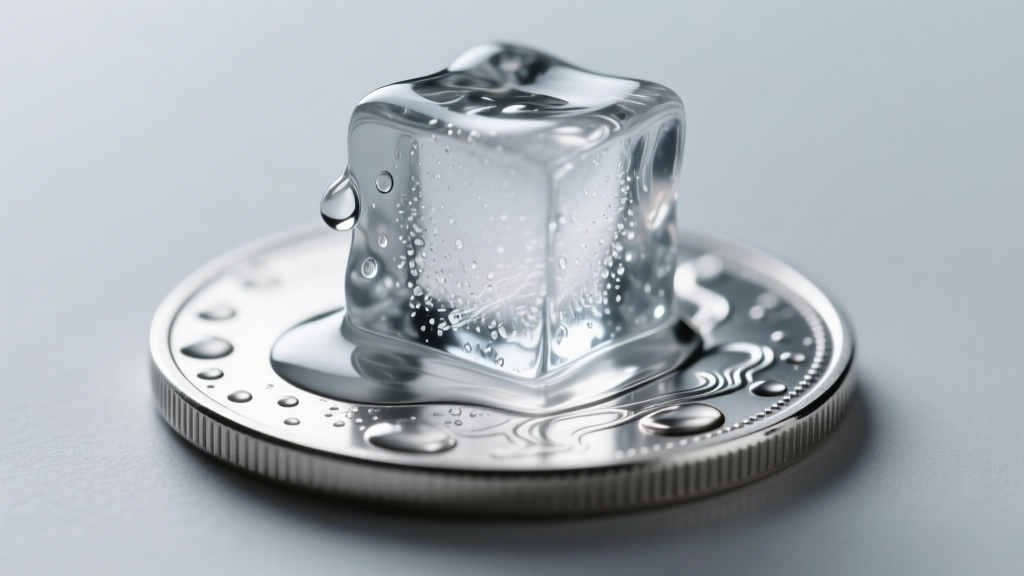
- The Ice Cube Test: Silver possesses the highest thermal conductivity of any common metal. Place an ice cube on the silver piece at room temperature. The ice should begin melting almost instantaneously, and the metal itself should become freezing cold to the touch within seconds. If the ice melts at a normal rate, the metal is a fake or a heavy plate over a base metal core.
- The Acoustic Ring Test: Gently tap a silver coin or a thick silver bangle with another piece of metal. Genuine sterling silver produces a clear, high-pitched, lingering 'ping' that resonates for a second or two. Base metals produce a dull, flat 'thud' with no resonance.
Price Benchmarks: What Should Authentic Sterling Silver Cost?
Understanding the spot price of silver is crucial for avoiding overpriced items or 'too good to be true' scams. While silver prices fluctuate daily, a general baseline for raw material costs helps establish a pricing floor. You must also factor in labor, brand markup, and gemstone settings.
Here are realistic 2026 price benchmarks for authentic, solid 925 sterling silver jewelry from reputable, non-luxury brands:
- Simple 925 Silver Band (2mm - 4mm): $25 to $60. (Anything under $15 is likely silver-plated brass).
- 18-Inch Rope Chain (2.5mm width, approx. 15 grams): $60 to $110. Calculate the gram weight; if the spot price of silver is $25/oz ($0.80/gram), the raw melt value of a 15g chain is only $12. The rest of the cost covers the intricate machine-weaving and labor.
- Stud Earrings (Plain or small CZ): $20 to $45.
- Heavy Cuff Bracelet (Solid, 30+ grams): $120 to $250+.
Warning: If a seller is offering a heavy, 50-gram sterling silver Cuban link chain for $20, it is mathematically impossible for it to be solid 925 silver. It is either hollow, heavily lead-weighted, or entirely fake.
Final Verdict and Expert Buying Checklist
So, is sterling silver good jewelry? Absolutely. It offers a premium, hypoallergenic, and highly versatile aesthetic at a fraction of the cost of platinum or white gold. To ensure your purchase stands the test of time, run through this final checklist before checking out:
- Verify the Stamp: Look for '925', '.925', or 'STER' in an inconspicuous area (inside the band, on the clasp).
- Check the Clasp: Authentic silver chains usually feature sturdy lobster clasps or spring rings stamped with 925. Flimsy, unmarked magnetic clasps are a red flag.
- Assess the Finish: Decide if you want the low-maintenance shine of rhodium-plated silver or the easy-to-polish, natural white glow of unplated sterling.
- Perform the Magnet Test: Always carry a small rare-earth magnet when shopping at estate sales or flea markets.
- Review the Return Policy: Only buy from merchants who offer a minimum 30-day return window and provide a certificate of authenticity for heavy or gemstone-set pieces.
By focusing on material integrity, accurate hallmarks, and realistic pricing, you can confidently build a sterling silver collection that lasts a lifetime.


