How to Clean Sterling Jewelry: Troubleshooting Stubborn Tarnish
Learn how to clean sterling jewelry safely. Expert troubleshooting for stubborn tarnish, gemstone settings, and chemical damage on 925 silver.

The Chemistry of Silver Sulfide: Why Tarnish Happens
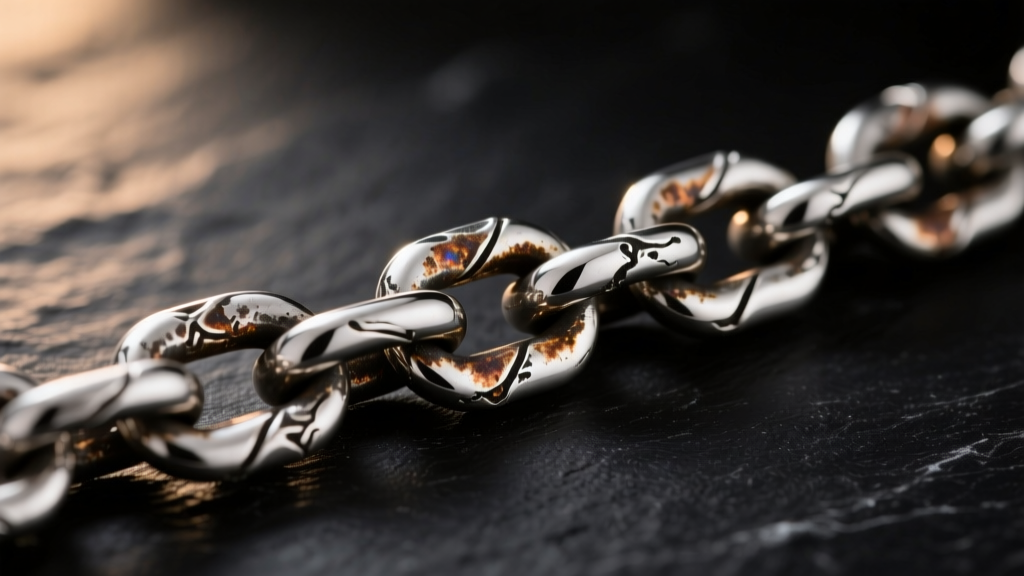
When figuring out how to clean sterling jewelry, you must first understand the chemical reality of your pieces. Sterling silver (92.5% pure silver, 7.5% copper alloy) does not tarnish because of oxygen; it tarnishes due to sulfur compounds in the environment. When hydrogen sulfide in the air reacts with the silver, it forms silver sulfide (Ag2S), a black, crusty layer on the surface. The copper in the 925 alloy also reacts to moisture and chlorides, creating green or dark brown copper oxide patches.
Modern 2026 sterling silver alloys often include trace amounts of germanium or silicon (such as Argentium silver) to dramatically slow this process. However, traditional 925 sterling remains highly susceptible to sulfur-rich environments, including wool clothing, rubber bands, latex gloves, and even certain foods like eggs and onions. Understanding whether your jewelry is suffering from standard silver sulfide tarnish, copper oxidation, or severe chemical pitting is the first step in our troubleshooting framework.
The Electrochemical Reduction Method (For Solid, Unset Silver)
For heavily tarnished, solid sterling silver chains (like 1.2mm rope chains where tarnish hides deep in the crevices) or ungemmed bangles, the aluminum foil and baking soda method is the gold standard. This is not merely a cleaning hack; it is a true redox (reduction-oxidation) chemical reaction that converts silver sulfide back into elemental silver without removing any metal.
Step-by-Step Protocol
- Preparation: Line a glass or ceramic bowl with a 12-inch sheet of heavy-duty aluminum foil, shiny side up.
- The Solution: Add 1 tablespoon of baking soda (sodium bicarbonate) and 1 tablespoon of sea salt. Pour 2 cups of boiling water over the mixture. The water must be near boiling (around 190°F to 212°F) to activate the ionic transfer.
- The Reaction: Submerge the sterling silver jewelry, ensuring it physically touches the aluminum foil. You will see bubbling and smell a distinct rotten-egg odor (hydrogen sulfide gas releasing). Leave it for 3 to 5 minutes.
- Finishing: Remove with wooden tongs (never metal, which can scratch). Rinse thoroughly in distilled water and dry immediately with a microfiber cloth.
Critical Warning: Never use the electrochemical foil method on sterling silver with intentional 'oxidized' or 'antiqued' finishes. The reaction cannot distinguish between accidental tarnish and deliberate blackened crevices used by jewelers to highlight engravings. It will strip the piece completely bare.
Troubleshooting Gemstone-Set Sterling Silver
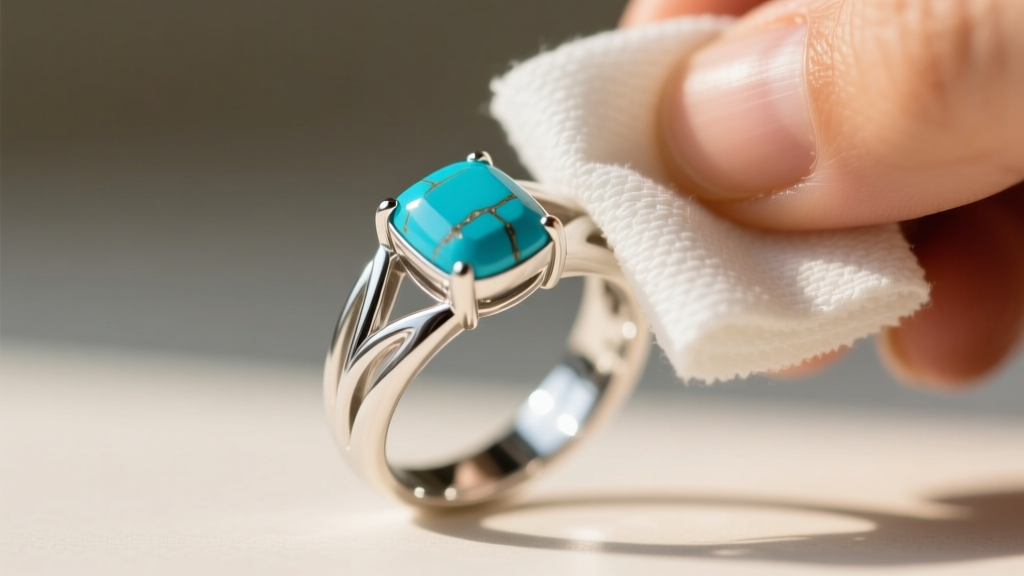
The most common disaster we see at the repair bench is ruined gemstones caused by aggressive silver dips. Liquid silver cleaners contain thiourea and hydrochloric acid, which will permanently etch, cloud, or dissolve porous and soft gemstones. If you are trying to determine how to clean sterling jewelry set with delicate stones, you must abandon liquid dips and rely on mechanical cleaning.
Gemstone Porosity & Cleaning Restrictions
| Gemstone | Mohs Hardness | Porosity | Safe Cleaning Method |
|---|---|---|---|
| Turquoise | 5.0 - 6.0 | Highly Porous | Dry microfiber wipe only. Liquids cause color shifts. |
| Opal | 5.5 - 6.5 | Water-Bearing | Damp cloth only. Avoid heat and ultrasonics. |
| Pearl | 2.5 - 3.0 | Organic/Porous | Mild soapy water on a Q-tip, avoid the drill holes. |
| Lapis Lazuli | 5.0 - 6.0 | Moderate | Soft dry brush. Acids will dissolve the calcite matrix. |
| Malachite | 3.5 - 4.0 | High | Dry cloth only. Extremely sensitive to all chemicals. |
For these settings, use a high-quality silver polishing cream like Wright's Silver Cream or Hagerty Silversmiths' Pump Polish. Apply the cream to a cotton swab or a soft horsehair detailing brush, carefully working it into the silver bezels and prongs while avoiding the gemstone entirely. Buff away the residue with a clean, dry jeweler's cloth. According to the Gemological Institute of America (GIA), porous gems require strictly mechanical, non-chemical surface cleaning to preserve their structural integrity and color saturation.
Fixing Accidental Chemical Damage (Chlorine & Sulfur)
Exposure to chlorine (hot tubs, swimming pools, household bleach) is catastrophic for sterling silver. Chlorine reacts with the silver alloy to form silver chloride (AgCl). Initially, this appears as a dull white or grey film, but upon exposure to UV light, it rapidly turns deep purple or black. Unlike silver sulfide, silver chloride causes actual pitting and structural degradation of the metal's surface.
Chemical reduction (the foil method) will not reverse silver chloride damage. The only troubleshooting solution is mechanical removal. A jeweler must use a polishing wheel loaded with jeweler's rouge (iron oxide) to physically grind away the pitted layer of metal. For minor chlorine exposure at home, you can use a specialized polishing cloth infused with micro-abrasives, but be aware that you are removing microns of silver to reveal the clean metal beneath.
Cleaning Rhodium-Plated Sterling Silver
A massive percentage of contemporary sterling silver jewelry is plated with rhodium, a platinum-group metal that provides a bright, white-gold-like finish and prevents tarnish. If your sterling silver never seems to tarnish but looks dull and dirty, it is likely rhodium-plated and covered in sebum, lotion, and dead skin cells.
Do not use silver polish on rhodium. Silver polishes contain micro-abrasives designed to cut through tarnish; on rhodium, these abrasives will wear through the microscopic plating layer, exposing the yellowish sterling silver underneath and creating a blotchy, uneven appearance. To clean rhodium-plated sterling, simply soak the piece in warm water with a few drops of pH-neutral dish soap (like Dawn) for 5 minutes. Gently agitate with a baby toothbrush, rinse in distilled water, and blow dry with a hair dryer on a cool setting to prevent water spots.
Preventative Maintenance Framework
Troubleshooting is only necessary when preventative measures fail. To minimize the need for deep cleaning, implement a strict storage protocol. The National Park Service Museum Handbook outlines rigorous conservation standards for silver that translate perfectly to home jewelry care:
- Anti-Tarnish Strips: Place 3M anti-tarnish strips inside your jewelry boxes. These strips absorb airborne sulfur compounds before they can reach your silver. Replace them every 6 months.
- Pacific Silvercloth: Store high-value sterling pieces in Pacific Silvercloth pouches. This specialized cotton flannel is embedded with microscopic silver particles that act as a sacrificial anode, tarnishing themselves so your jewelry does not.
- Avoid PVC Plastics: Never store sterling silver in polyvinyl chloride (PVC) plastic bags or flip-top coin holders. PVC off-gasses hydrochloric acid and plasticizers that will rapidly corrode and pit silver surfaces.
- Silica Gel Packets: Toss a few silica gel desiccant packets into your jewelry drawers to control ambient humidity, which acts as a catalyst for both silver sulfide and copper oxide formation.
By understanding the specific chemical threats to your 925 sterling silver and matching the cleaning method to the exact metallurgical and gemological profile of the piece, you can safely restore and maintain your jewelry for decades without causing irreversible damage.


