Is 925 Jewelry Worth Anything? Value & Trend Guide
Discover if 925 sterling silver jewelry holds real monetary and stylistic value in today's market, from melt prices to luxury brand premiums.

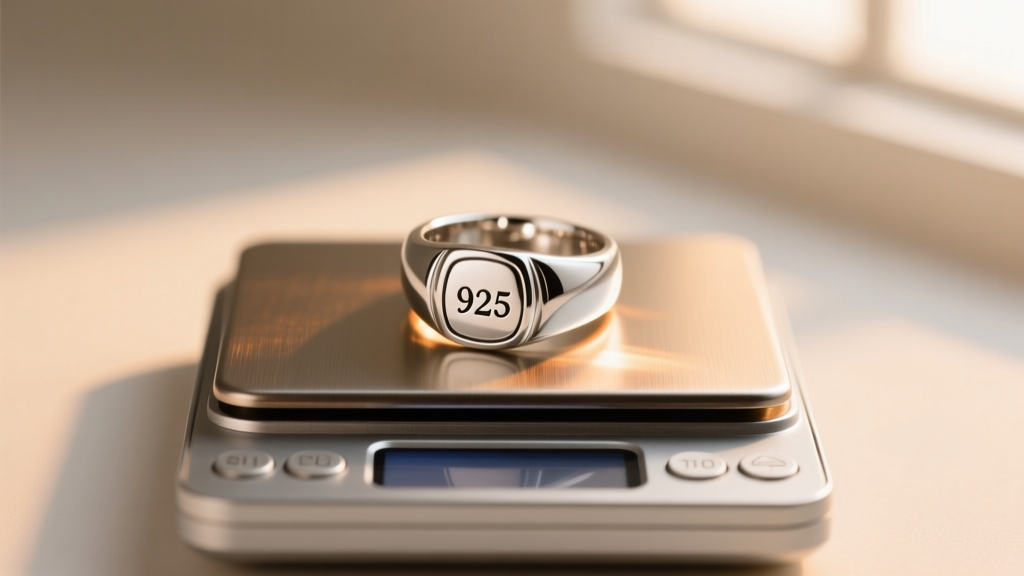
The Short Answer: Understanding 925 Silver Value
When browsing estate sales, vintage shops, or evaluating your own collection, a common question inevitably arises: is 925 jewelry worth anything? The short answer is a resounding yes. However, the type of value it holds depends entirely on whether you are looking at raw material melt value, designer premiums, or current fashion trends. As we navigate the jewelry market in 2026, sterling silver has completely transcended its outdated reputation as mere 'costume jewelry' to become a staple of both high fashion and sustainable luxury.
The '925' stamp is the universal hallmark for sterling silver, indicating that the piece is composed of 92.5% pure silver and 7.5% alloy metals—traditionally copper, which provides the necessary tensile strength for everyday wear. According to the Gemological Institute of America (GIA), this specific ratio has been the global standard for centuries, balancing the brilliant luster of pure silver with the durability required for rings, chains, and structural cuffs.
Melt Value vs. Retail Premium: The Financial Reality
To truly understand the financial worth of 925 silver, you must separate the intrinsic melt value from the craftsmanship premium. Pure silver is a globally traded commodity. If you take a plain, unbranded 925 silver chain to a scrap dealer, they will only pay you for the raw silver content. Because sterling is only 92.5% pure, you must multiply the current spot price of silver by 0.925 to find the melt value per troy ounce.
For example, if the spot price of silver is hovering around $32.00 per troy ounce (31.1 grams), the pure silver content in one ounce of 925 sterling is worth approximately $29.60. Scrap buyers will typically offer 70% to 85% of this melt value to account for refining costs. However, jewelry is rarely sold by weight alone. Below is a breakdown of how different tiers of 925 jewelry hold their value in the secondary market.
| Value Tier | Description & Brand Examples | Secondary Market Value |
|---|---|---|
| Scrap / Melt | Broken chains, heavily damaged pieces, unbranded mall jewelry. | 70% - 90% of raw melt value. |
| Commercial Retail | Mass-market brands (e.g., Pandora, Gorjana, Mejuri). | 10% - 25% of original retail price. |
| Designer / Luxury | Heritage houses (e.g., Tiffany & Co., David Yurman, Gucci). | 40% - 75% of original retail price. |
| Artisan / Cult Indie | Hand-forged, limited runs (e.g., Chrome Hearts, King Ice, bespoke silversmiths). | 100% - 300%+ of original retail (appreciating assets). |
2026 Style & Trend Analysis: The Cultural Value of Sterling
Beyond raw economics, the stylistic value of 925 silver is currently at an all-time high. Data from The Silver Institute indicates a massive surge in silver demand, driven not just by industrial applications, but by a cultural shift toward accessible, gender-fluid luxury. In 2026, jewelry trends heavily favor the weight, drape, and cool-toned aesthetic that only high-quality sterling can provide.
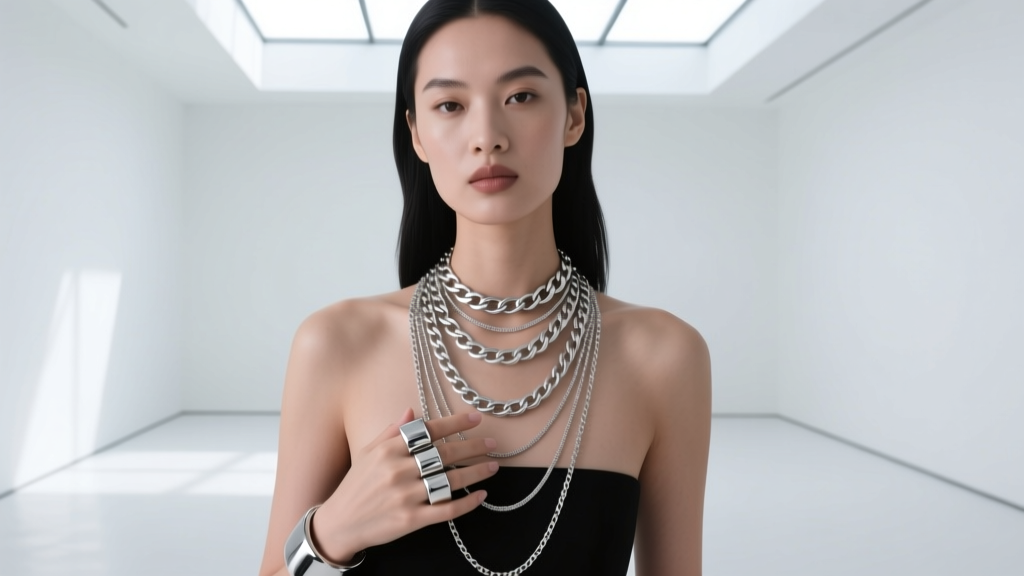
The Shift Toward Heavy Gauges and Brutalist Textures
Delicate, barely-there chains have taken a backseat to substantial, heavy-gauge silver. We are seeing a massive preference for 5mm to 10mm Cuban and Figaro links, as well as solid rope chains that carry significant physical weight. This trend is directly tied to the 'quiet luxury' and 'brutalist' movements in fashion, where the structural integrity and architectural presence of a piece dictate its style value. A solid 8mm 925 sterling silver Cuban link chain weighing 150 grams holds immense stylistic weight, and its high silver content means its baseline financial floor is also remarkably stable.
Argentium Silver and the Tarnish-Free Revolution
A major development impacting the value of modern 925 jewelry is the rise of Argentium silver. While still stamped '925', Argentium replaces a portion of the traditional copper alloy with germanium. This creates a silver that is highly resistant to tarnish and firescale. For collectors and daily wearers, Argentium pieces command a 15% to 20% premium over traditional sterling because they eliminate the maintenance fatigue associated with copper-heavy alloys.
How to Accurately Appraise Your 925 Silver Pieces
If you are looking to buy, sell, or insure 925 jewelry, you need a systematic approach to appraisal. Do not rely on guesswork; use the following framework to determine a piece's true market position.
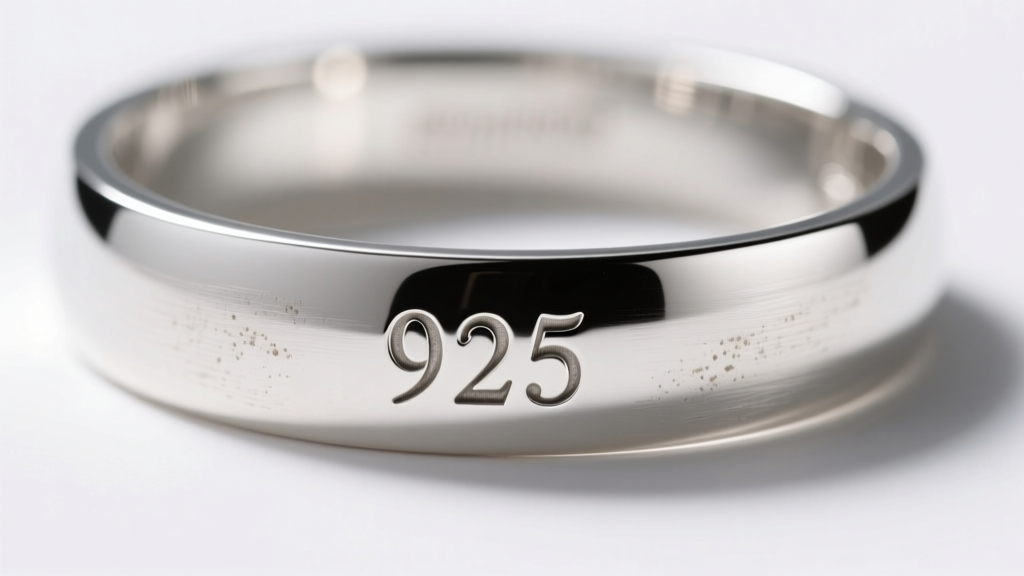
- Verify the Hallmarks: Look for '925', 'STER', 'STERLING', or '925/1000'. Use a jeweler's loupe (10x magnification) to inspect the stamp. Crisp, clean stamps usually indicate modern or high-quality manufacturing, while blurred stamps might suggest heavy wear, a cast replica, or silver-plated items where the base metal is bleeding through.
- Calculate the Gram Weight: Purchase a digital pocket scale calibrated to 0.01 grams. Weigh the piece and multiply the total grams by 0.925 to find the exact pure silver content. This is your absolute financial baseline.
- Assess Rhodium Plating: Many modern 925 pieces are plated with rhodium to mimic the bright, untarnishing finish of white gold or platinum. While this looks beautiful, it can complicate melt assays. Scrap buyers may offer slightly less for rhodium-plated items due to the extra refining steps required to separate the metals.
- Check for Maker's Marks: A '925' stamp tells you the metal content, but the maker's mark tells you the value. A small 'T & Co.' or a 'D.Y.' (David Yurman) next to the 925 stamp instantly elevates the piece from scrap value to designer resale value.
- Perform the Magnet Test: Silver is diamagnetic. If a clasp or chain is strongly attracted to a rare-earth magnet, it is either heavily plated base metal or contains a steel core. Note that some clasps contain tiny steel springs, so test the main body of the jewelry, not just the mechanisms.
Investment Verdict: Should You Buy or Sell?
So, is 925 jewelry worth anything as a pure financial investment? If you are buying unbranded sterling silver solely to hedge against inflation, you are better off buying .999 fine silver bullion coins or bars. The retail markup on jewelry manufacturing (the 'premium over spot') means you will likely lose money if you try to immediately melt down a newly purchased commercial silver ring.
However, as a blend of wearable art, cultural currency, and baseline commodity protection, 925 sterling silver is unparalleled. It offers a low barrier to entry for collecting luxury goods, and unlike gold-plated or brass alternatives, it will never degrade into worthless base metal. Even if the fashion trends shift, the elemental silver remains.
'Sterling silver occupies the perfect intersection in modern jewelry: it possesses the historical prestige and elemental permanence of a precious metal, while remaining accessible enough to encourage bold, avant-garde design experimentation.' — 2026 Precious Metals Fashion Report
Ultimately, the worth of your 925 jewelry is defined by its provenance, its weight, and its design. By understanding the difference between melt value and brand equity, you can confidently navigate the secondary market, ensuring you never undervalue a heritage designer piece or overpay for mass-market scrap.


