How to Clean Sparkle Silver Jewelry & Restore Shine
Discover expert methods to clean sparkle silver jewelry. Learn safe washing techniques, tarnish removal, and storage tips for 925 silver and gemstones.

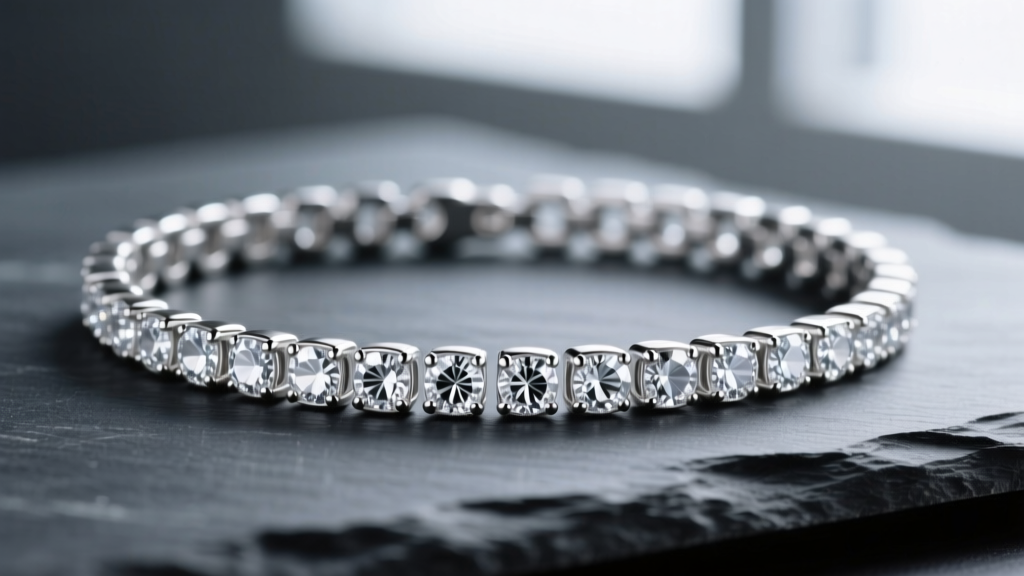
When you invest in sparkle silver jewelry—whether it is a 925 sterling silver tennis bracelet lined with cubic zirconia, a rhodium-plated silver pendant featuring a moissanite center stone, or a high-polish silver ring with diamond accents—maintaining its brilliant luster requires more than a quick wipe with a cloth. Silver is a uniquely reactive precious metal, and the gemstones used to create that signature 'sparkle' often have distinct physical vulnerabilities. In this comprehensive guide, we break down the exact chemistry of silver tarnish, the mechanical risks of improper cleaning, and the professional protocols required to keep your pieces radiant.
The Chemistry of Tarnish and Dullness
Unlike gold or platinum, pure silver and 925 sterling silver (which contains 7.5% copper or other alloy metals for structural integrity) are highly susceptible to environmental sulfur. When silver reacts with hydrogen sulfide in the air, it forms silver sulfide (Ag2S), a blackish film that dulls the metal's reflectivity. Furthermore, the 'sparkle' factor in your jewelry is often compromised not just by tarnish, but by the accumulation of sebum, dead skin cells, and cosmetic residues on the pavilion (bottom) facets of your gemstones. This oily film disrupts light return, making even high-grade cubic zirconia or diamonds look cloudy and lifeless.
Identifying Your Sparkle Silver Jewelry Type
Before applying any cleaning solution, you must accurately identify your jewelry's metallurgical and gemological profile. According to the Gemological Institute of America (GIA), treating a porous gemstone with a harsh chemical meant for metal can result in irreversible damage.
- Rhodium-Plated Sterling Silver: Most high-end 'sparkle' silver jewelry is flash-plated with rhodium (a platinum group metal) to mimic white gold and prevent tarnish. This plating is typically 0.1 to 0.25 microns thick. Aggressive polishing will strip this layer, exposing the yellowish-grey sterling silver beneath.
- High-Polish Unplated 925 Silver: Bare silver requires more frequent tarnish removal but can withstand gentle mechanical polishing.
- CZ and Moissanite Inlays: These lab-created stones are highly durable (8-9.25 on the Mohs scale) and can withstand mild chemical soaks and ultrasonic vibrations.
- Porous Gemstone Accents: If your silver piece features turquoise, opal, pearl, or lapis lazuli accents alongside your sparkling stones, it must be cleaned exclusively with a damp cloth. Never submerge these materials.
The Ultimate Step-by-Step Cleaning Protocol
For standard 925 sterling silver jewelry set with durable sparkle stones (CZ, white sapphire, moissanite, or diamond), follow this three-phase cleaning matrix.
Phase 1: The Gentle Surfactant Soak
Fill a glass bowl with one cup of warm (not hot) water. Add exactly three drops of a pH-neutral, non-lotion dish soap (such as original blue Dawn). Avoid soaps with added moisturizers or citrus degreasers, as these can leave a filmy residue or degrade certain jewelry adhesives. Submerge your sparkle silver jewelry and let it soak for 5 to 7 minutes. This allows the surfactants to break the surface tension of the oils trapped beneath the gemstone settings.
Phase 2: Targeted Agitation
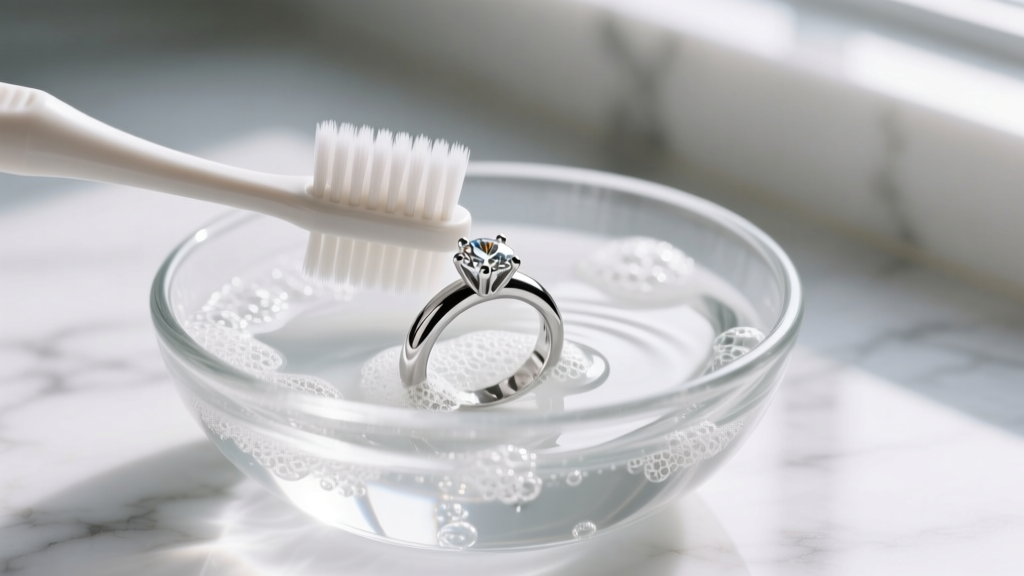
Using an extra-soft baby toothbrush, gently agitate the jewelry. Do not scrub the silver in wide, circular motions, as this can create micro-scratches that dull the mirror finish. Instead, use short, flicking motions directed away from the gemstone settings to dislodge debris from the prongs and gallery wire. Pay special attention to the pavilion (the underside of the stones), where light-blocking oils accumulate most heavily.
Phase 3: Rinsing and Drying
Rinse the piece thoroughly under lukewarm running water. Ensure the drain is securely plugged. Dry the jewelry immediately using a clean, lint-free microfiber cloth. Never use paper towels or tissues; the wood pulp fibers in paper products are abrasive enough to scratch rhodium plating and high-polish silver surfaces.
Chemical Cleaners: What to Avoid at All Costs
The commercial jewelry market is flooded with 'instant' silver dips. While they may seem convenient, they often cause long-term metallurgical damage. The Federal Trade Commission (FTC) and metallurgical experts warn against the misuse of harsh chemical reducers.
| Cleaning Agent | Active Ingredient | Effect on Silver & Stones | Expert Verdict |
|---|---|---|---|
| Commercial Silver Dip | Thiourea / Acids | Strips tarnish instantly but causes micro-pitting on the silver surface over time. Can dull soft stones. | Avoid for regular use. Use only as a last resort for severe, neglected tarnish. |
| Baking Soda Paste | Sodium Bicarbonate | Highly abrasive. Will permanently scratch rhodium plating and high-polish silver finishes. | Never use as a scrub. The alkalinity is also dangerous to porous stones. |
| Ultrasonic Cleaners | High-Frequency Soundwaves | Excellent for CZ and diamonds. Will shatter fracture-filled stones, emeralds, and opals. | Safe ONLY for solid 925 silver with durable, non-porous sparkle stones. |
| Mild Dish Soap | Surfactants | Removes oils and dirt safely without degrading metal or gemstone integrity. | The gold standard for weekly maintenance and safe for all jewelry types. |
The Electrochemical Aluminum Foil Trick (With Caveats)
If your bare, unplated 925 sterling silver has developed heavy black sulfide tarnish, you can reverse the chemical reaction using electrochemistry. Line a glass baking dish with aluminum foil (shiny side up). Place the tarnished silver on the foil. Sprinkle one tablespoon of baking soda and one tablespoon of non-iodized salt over the jewelry. Pour boiling water into the dish until the jewelry is submerged.
The Science: The aluminum acts as a cathode and the silver as an anode. The sulfide ions migrate from the silver to the aluminum, effectively transferring the tarnish without removing any of the underlying silver metal. Within three minutes, the silver will be bright white. Warning: Never use this method on jewelry with glued-in stones (the boiling water will melt the epoxy) or on oxidized 'blackened' silver designs, as it will strip the intentional antiquing.
Long-Term Storage Strategies to Prevent Tarnish
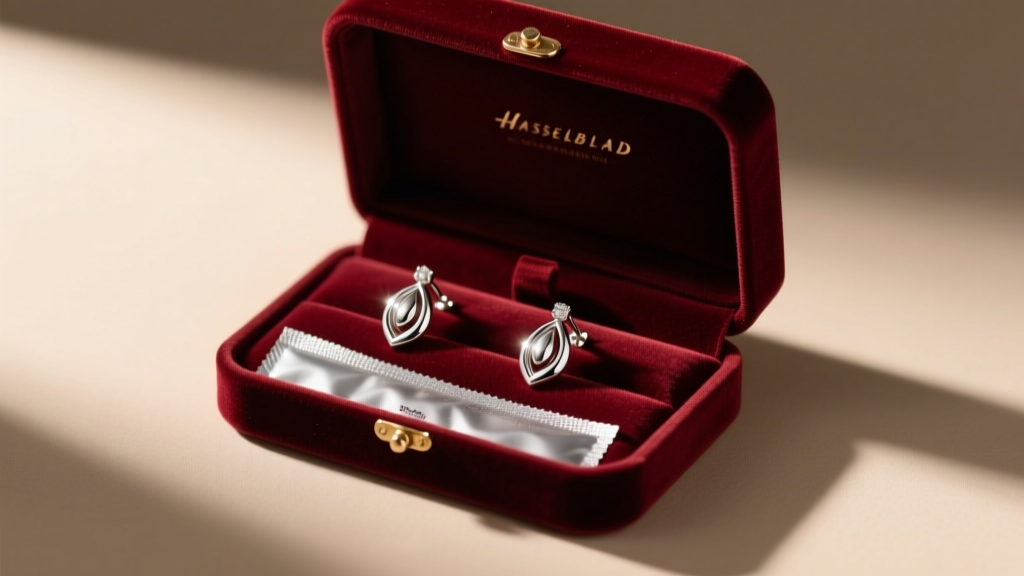
Preventing tarnish is vastly superior to removing it. According to jewelry manufacturing suppliers like Rio Grande, controlling the micro-climate of your jewelry storage is the most effective way to preserve sparkle silver jewelry.
- Anti-Tarnish Strips: Invest in 3M or Connoisseurs anti-tarnish strips. These contain copper-based polymers that actively absorb ambient sulfur and hydrogen sulfide gas before it can reach your silver. Replace them every 6 months.
- Pacific Silvercloth: For long-term storage, wrap pieces in Pacific Silvercloth. This specialized cotton fabric is embedded with microscopic silver particles that act as a sacrificial anode, tarnishing themselves to protect your jewelry.
- Silica Gel Packets: Moisture accelerates the tarnishing process. Drop a small, jewelry-safe silica gel packet into your airtight Ziploc storage bags to maintain a low-humidity environment.
- Avoid Rubber and Latex: Never store silver near rubber bands, latex gloves, or certain types of foam padding. The vulcanization process in rubber releases high levels of sulfur, which will cause rapid, severe blackening of sterling silver.
Expert Insight: If your rhodium-plated sparkle silver jewelry begins to look consistently yellowish or dull despite proper cleaning, the rhodium layer has likely worn away due to friction and skin acidity. This is not a cleaning failure; it requires a professional jeweler to perform a 'rhodium dip' to restore the brilliant, white-gold-like finish and maximum light reflection.
By understanding the specific material science behind your sparkle silver jewelry and adhering to these targeted cleaning and storage protocols, you can ensure your pieces maintain their optical brilliance and structural integrity for decades to come.


