The Ultimate Silver and Black Jewelry Gift Guide for 2026
Discover the perfect silver and black jewelry gifts for 2026. Match striking sterling silver and onyx pieces to anniversaries and milestones.

The Allure of High-Contrast Aesthetics in 2026
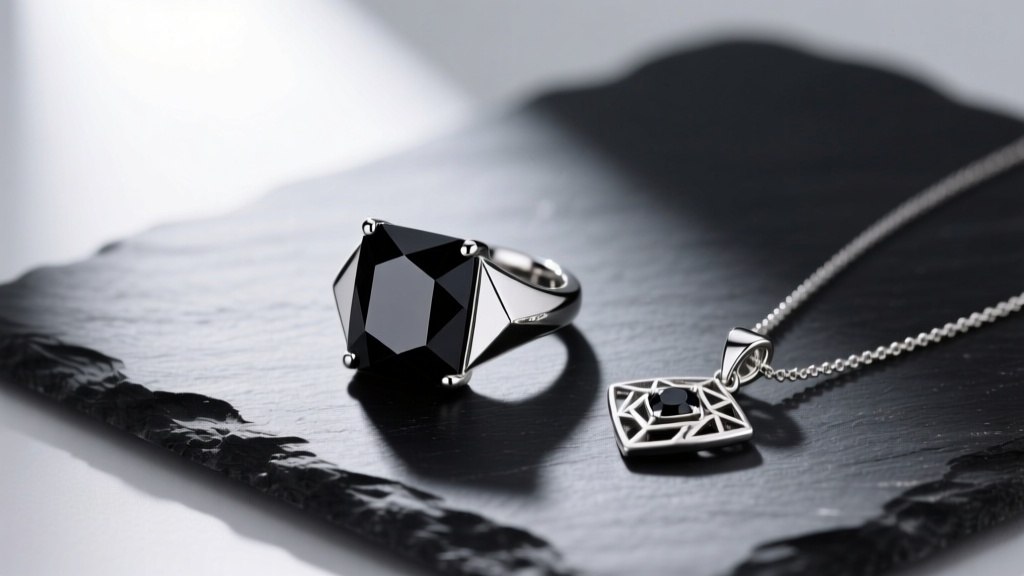
When curating a meaningful gift, the interplay of light and shadow offers a sophisticated narrative. Silver and black jewelry represents a masterclass in visual contrast. The brilliant, reflective nature of polished 925 sterling silver perfectly offsets the light-absorbing depth of dark gemstones. In 2026, this high-contrast aesthetic has moved beyond alternative subcultures into mainstream luxury, favored for its versatility, gender-neutral appeal, and striking photographic presence.
However, gifting dark gemstones requires a nuanced understanding of gemology and metallurgy. Not all black stones are created equal, and the silver settings that house them demand specific finishing techniques to ensure longevity. This guide decodes the material science and occasion-matching strategies necessary to select the perfect piece.
Gemological Deep Dive: Choosing the Right Black Stone
The term "black jewelry" encompasses a wide array of minerals, each with distinct physical properties that dictate their suitability for daily wear versus occasional use. According to the Gemological Institute of America (GIA), understanding the Mohs hardness scale and structural integrity of these stones is critical for gift selection.
Black Spinel: The Underrated Powerhouse
Natural black spinel (Mohs 8) is an exceptional choice for rings and bracelets subjected to daily impact. Its color derives from natural iron and chromium inclusions, meaning it will not fade or leach dye. It takes a brilliant faceted polish, offering a subtle, glassy luster that rivals black diamonds at a fraction of the cost (typically $80–$250 for a well-cut 925 silver cocktail ring).
Black Onyx: The Classic Cabochon
True black onyx is incredibly rare; the market is saturated with gray agate that has been treated with carbon and sulfuric acid to achieve a uniform black hue. While beautiful and traditional (Mohs 7), its porous nature means it can be damaged by harsh chemicals. It is best suited for pendants, earrings, or signet rings where direct abrasion is minimal.
Black Diamonds: The Opaque Anomaly
Carbonado, commonly known as black diamond, is a polycrystalline aggregate of diamond, graphite, and amorphous carbon. Unlike monocrystalline diamonds, it is completely opaque and incredibly tough, making it highly resistant to chipping. However, its porous nature means it can trap skin oils and lotions, requiring more frequent cleaning to maintain its subtle adamantine luster.
Black Obsidian: The Fragile Statement
Volcanic glass (Mohs 5–5.5) offers an unparalleled, mirror-like finish but is highly susceptible to scratching and chipping. Obsidian should only be gifted as statement pendants or brooches, always set in protective bezels.

Occasion Matching Matrix: When to Gift What
Matching the structural integrity and visual weight of the jewelry to the recipient's lifestyle and the significance of the occasion is the hallmark of an expert gift-giver. Use the following matrix to align your purchase with the event.
| Occasion | Recommended Stone | Metal Finish | Ideal Piece & Gauge | Estimated Price Range |
|---|---|---|---|---|
| 5th or 10th Anniversary | Black Spinel (Faceted) | High-Polish Rhodium | Cocktail Ring (2.5mm shank) | $150 – $350 |
| 21st Birthday / Graduation | Black Onyx (Cabochon) | Brushed / Matte Silver | Signet Ring or 3mm Curb Chain | $80 – $180 |
| Corporate Milestone | Black Diamond (Carbonado) | Dark Ruthenium Plating | Minimalist Bar Pendant (1.5mm) | $300 – $600 |
| Valentine's / Romantic | Black Obsidian or Enamel | Oxidized Sterling Silver | Heart Locket or Cameo Brooch | $60 – $140 |
Metallurgy & Finishing: Beyond Standard Sterling
Sterling silver (92.5% pure silver, 7.5% copper alloy) is inherently prone to tarnishing due to the copper content. When pairing silver with black stones, the metal's finish drastically alters the final aesthetic. As noted by Jewelers of America, modern plating techniques are essential for maintaining high-contrast pieces.
Rhodium vs. Ruthenium Plating
- Rhodium Plating: A platinum-group metal that provides a brilliant, white-mirror finish. It prevents tarnish and creates the sharpest possible contrast against black spinel or onyx. Look for a plating thickness of 0.75 to 1.0 microns for jewelry intended for frequent wear.
- Ruthenium Plating: Offers a dark, gunmetal-gray finish. This creates a moody, tonal gradient rather than a stark contrast. It is highly scratch-resistant and ideal for industrial or avant-garde designs.
- Oxidized Silver: A deliberate chemical tarnishing process that darkens the recesses of a design, highlighting the textured relief of the silver while allowing the black stone to blend seamlessly into the shadows.
Sizing, Gauges, and Setting Security
Dark gemstones are often cut into large, dramatic cabochons or heavy geometric shapes. This added weight requires robust silver settings to prevent warping or stone loss.
Chain Gauges for Heavy Pendants
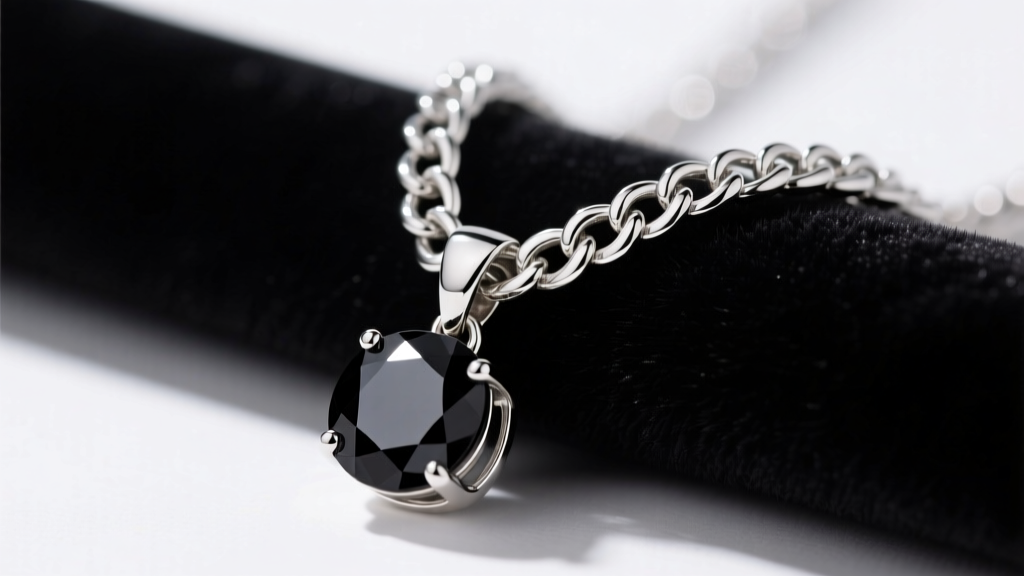
A common failure point in silver and black jewelry is a chain snapping under the weight of a large onyx pendant. For pendants weighing over 15 grams, avoid delicate cable chains (typically 0.9mm–1.2mm). Instead, opt for a 3.0mm to 4.0mm curb or Figaro chain with a secure lobster clasp and a soldered jump ring.
Ring Shank Dimensions
For heavy cocktail rings featuring large black spinel or onyx center stones, the silver shank (the band of the ring) must be at least 2.5mm wide and 1.8mm thick. Thinner shanks will inevitably warp under the pressure of daily hand movements, which compromises the structural integrity of the setting and leads to the stone popping out.
Prong vs. Bezel Settings
While prong settings maximize light return in faceted black spinel, they leave the girdle of the stone exposed. For softer stones like obsidian or heavily included black diamonds, a full or partial bezel setting is mandatory. A bezel wraps a continuous rim of silver around the stone's edge, protecting it from lateral impacts that could cause cleaving or chipping.
Care and Maintenance for High-Contrast Pieces
Maintaining the stark contrast between bright silver and dark stones requires specific cleaning protocols. The porous nature of many black stones means that standard silver cleaning methods can cause irreversible damage.
Expert Warning: Never use commercial silver dip solutions or ultrasonic cleaners on black onyx or obsidian. The harsh chemicals in silver dips can penetrate the microscopic pores of dyed agate, causing the black dye to leach out and leaving a cloudy, white residue that cannot be removed.
The Safe Cleaning Protocol
- Mix a solution of one part mild, phosphate-free dish soap to ten parts lukewarm water.
- Submerge the jewelry for no more than three minutes.
- Gently agitate the silver areas with a baby-soft toothbrush, avoiding aggressive scrubbing on the stone's surface.
- Rinse under a gentle stream of distilled water to prevent hard water spots on the dark gems.
- Pat dry immediately with a microfiber cloth. Never air-dry, as water spots are highly visible on polished black surfaces.
Strategic Storage Solutions
Storage is equally critical. High-contrast jewelry should be stored in individual anti-tarnish flannel pouches. Storing multiple pieces together in a communal jewelry box allows the harder silver or spinel pieces to scratch the softer oxidized finishes or obsidian stones. Include a silica gel packet in the storage pouch to control ambient humidity, which is the primary catalyst for silver sulfide formation (tarnish).
By understanding the gemological properties, structural requirements, and aesthetic nuances of these materials, you can confidently select silver and black jewelry that serves as a striking, enduring gift for any occasion in 2026 and beyond.


