925 Jewelry Meaning: Troubleshooting Tarnish, Fakes, and Green Skin
Decode the 925 jewelry meaning and troubleshoot common issues like rapid tarnish, green skin stains, and suspected fake stamps with expert methods.

The Core 925 Jewelry Meaning: What You Actually Own
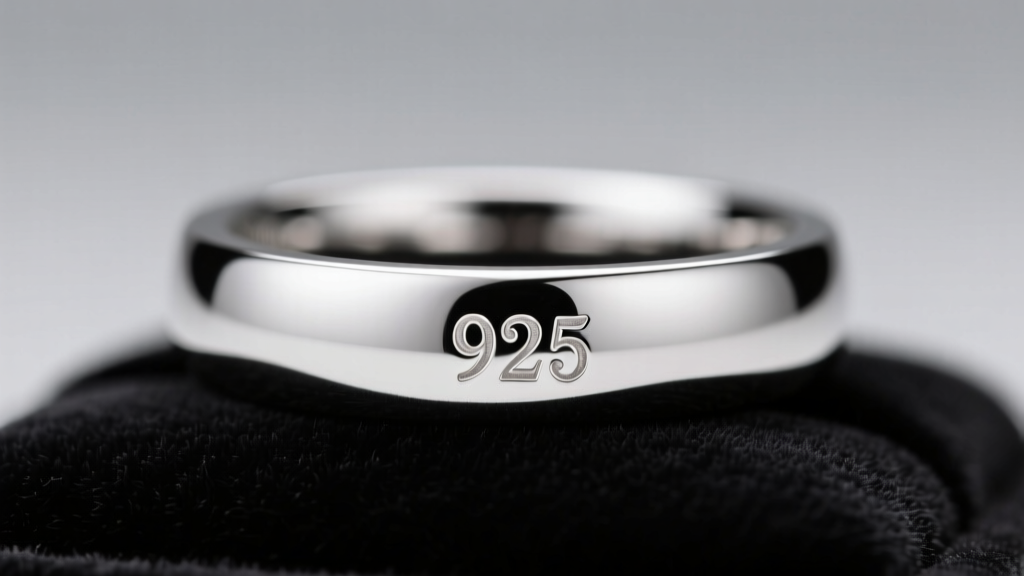
When consumers search for the 925 jewelry meaning, they are usually trying to verify authenticity after finding a tiny stamp on a ring clasp or necklace chain. In metallurgical terms, "925" signifies that the alloy consists of 92.5% pure silver and 7.5% secondary metals—most commonly copper. Pure silver (99.9%) is too malleable for daily wear; it would bend, scratch, and lose its shape within days. The 7.5% copper addition provides the necessary tensile strength and durability for structural integrity.
However, this exact alloy composition is the root cause of the most common consumer complaints: rapid black tarnishing and green skin discoloration. According to the Gemological Institute of America (GIA), sterling silver is inherently reactive. If your stamped 925 piece is exhibiting strange behaviors, it does not necessarily mean it is fake. Instead, it requires targeted troubleshooting based on environmental and chemical interactions.
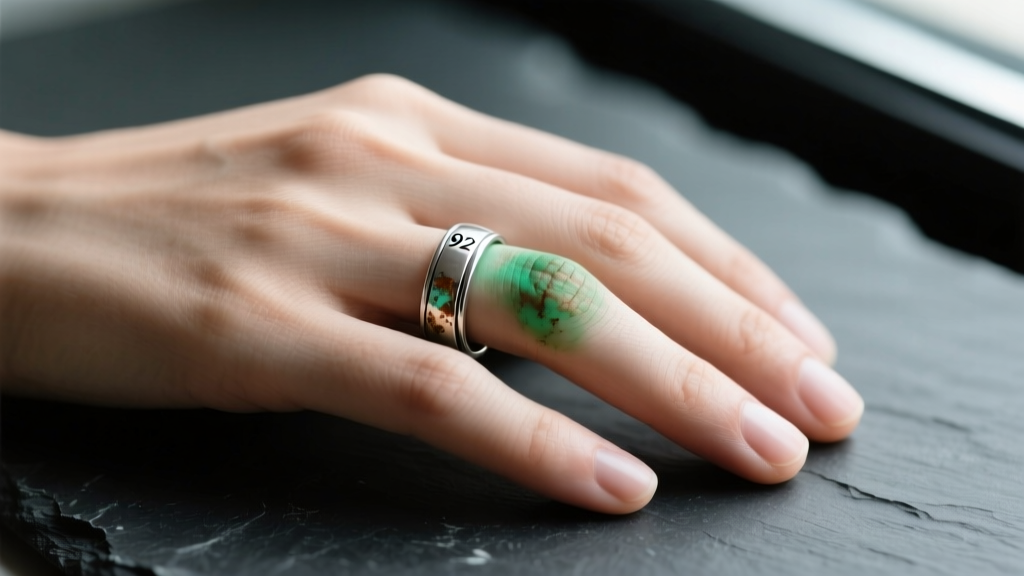
Troubleshooting Problem 1: "My 925 Ring Turned My Finger Green"
Finding a green or blackish stain on your skin is the most frequent panic point for silver wearers. This is not an allergic reaction, nor does it automatically indicate a counterfeit piece. The green stain is primarily copper(II) chloride or copper sulfate, a byproduct of the 7.5% copper alloy reacting to your specific body chemistry.
- Acidic Skin pH: Normal skin pH ranges from 4.5 to 5.5. If your sweat is highly acidic, or if you frequently use lotions containing sulfur or harsh emulsifiers, the copper in the sterling silver oxidizes rapidly and transfers to your skin.
- Environmental Humidity: High moisture levels trap sweat and cosmetics between the metal and your skin, accelerating the oxidation process.
Expert Solutions for Green Skin
To solve this without abandoning your favorite jewelry, you must create a physical barrier or alter the surface metal. The most permanent professional solution is rhodium plating. A jeweler can electroplate the inner band with 0.05 to 0.1 microns of rhodium (a platinum-group metal), rendering it completely hypoallergenic and non-reactive. For an immediate, zero-cost at-home fix, apply a thin coat of clear polyurethane nail polish to the inner shank of the ring. Reapply every 3 to 4 weeks as the polish wears away from friction.
Troubleshooting Problem 2: Rapid Tarnish on Stamped 925 Silver
Silver does not rust; it tarnishes. The black coating that forms on neglected sterling silver is silver sulfide (Ag2S). This occurs when the silver atoms react with sulfur compounds present in the atmosphere, household gas, wool, felt, and even certain foods like eggs and onions. If your 925 jewelry turns pitch black within weeks of purchase, it is likely being exposed to high-sulfur environments or stored improperly.
The Electrochemical Reduction Bath (Do Not Use Abrasives)
Never use toothpaste or abrasive silver dips on oxidized or gemstone-set 925 jewelry. Abrasives remove microscopic layers of silver, eventually wearing down intricate details and hallmarks. Instead, use an electrochemical reduction method that converts silver sulfide back into pure silver without removing any metal.
- Line a glass or ceramic bowl with heavy-duty aluminum foil, shiny side up.
- Place your tarnished 925 jewelry directly on the foil, ensuring physical contact between the silver and the aluminum.
- Boil 2 cups of distilled water and pour it into the bowl.
- Add 2 tablespoons of baking soda (sodium bicarbonate) and 1 tablespoon of non-iodized salt. Stir gently with a wooden spoon.
- Let the piece sit for 3 to 5 minutes. You will smell a faint sulfur (rotten egg) odor as the sulfur atoms detach from the silver and bond to the aluminum.
- Remove with plastic tongs, rinse thoroughly in distilled water, and pat dry with a microfiber cloth.
Expert Note: Do not use this electrochemical bath on jewelry featuring porous gemstones like turquoise, opals, pearls, or amber. The heat and alkaline solution will permanently damage their structure and luster.
Troubleshooting Problem 3: Suspecting a Fake 925 Stamp
Because the "925" stamp adds significant retail value, counterfeiters frequently stamp base metals (like brass or nickel alloys) with the hallmark. The Federal Trade Commission (FTC) strictly regulates precious metal stamping, but enforcement against overseas fast-fashion manufacturers and unverified online marketplaces is virtually impossible. If your piece is turning your skin green *and* exhibiting magnetic properties, you likely have a counterfeit.
Advanced At-Home Verification Tests
Before taking your piece to an assayer, perform these three non-destructive tests to verify the 925 jewelry meaning on your specific item:
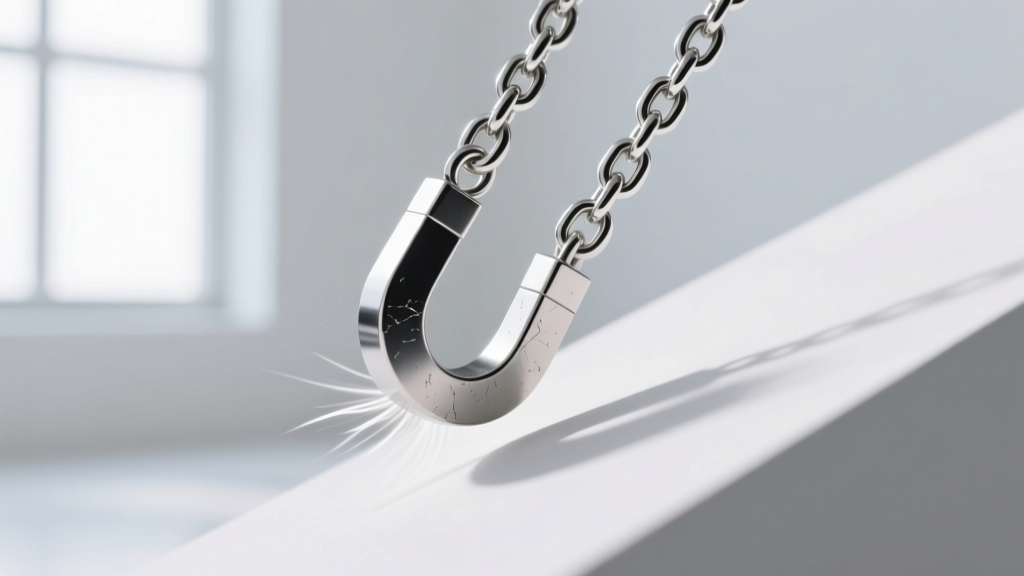
- The Neodymium Magnet Slide Test: Silver is paramagnetic (not noticeably magnetic). Hold a strong N42-grade neodymium magnet at a 45-degree angle against a thick silver chain or coin. If it is genuine 925, the magnet will slide down slowly due to the eddy current braking effect. If it snaps instantly or falls off like a stone, it is fake.
- The Thermal Conductivity (Ice) Test: Silver has the highest thermal conductivity of any common metal (429 W/(m·K)). Place an ice cube directly on the silver piece. It should begin melting almost instantly, and the metal itself will become freezing cold to the touch within seconds. Base metals like stainless steel or brass will not transfer heat this rapidly.
- The Olfactory (Smell) Test: Rub the metal vigorously between your fingers to generate slight heat. Pure silver and genuine 925 have no distinct odor. If you smell a sharp, metallic, "coin-like" scent, you are smelling oxidized copper or brass, indicating a silver-plated fake.
Comparison Chart: Genuine 925 vs. Deceptive Counterfeits
| Diagnostic Feature | Genuine 925 Sterling Silver | Silver-Plated Base Metal (Fake) |
|---|---|---|
| Magnetism | Paramagnetic (No pull) | Ferromagnetic (Strong pull if steel/iron core) |
| Tarnish Color | Yellowish-brown progressing to black | Flaking, peeling, or revealing brassy/green underlayer |
| Weight/Density | Heavy, dense feel (10.4 g/cm³) | Noticeably lighter (if aluminum or hollow brass) |
| Acid Test Reaction | Turns dark red or creamy brown | Turns bright green (indicating high copper/brass) |
When to Upgrade: The Argentium Silver Alternative
If you are exhausted by the constant maintenance required by traditional 925 sterling silver, the modern jewelry industry has developed a superior alloy: Argentium Silver. Stamped as 935 or 960, Argentium replaces a portion of the copper with the metalloid germanium. This structural change makes the alloy highly resistant to tarnish, eliminates firestain during soldering, and is naturally brighter than traditional sterling. While it commands a 15% to 20% price premium over standard 925, it entirely eliminates the "green skin" and rapid blackening troubleshooting headaches detailed above.
Understanding the true 925 jewelry meaning goes beyond simply reading a hallmark. It requires acknowledging the chemical realities of copper-silver alloys. By utilizing electrochemical cleaning, rhodium barriers, and rigorous paramagnetic testing, you can confidently maintain, authenticate, and troubleshoot your silver collection for a lifetime of wear.


