How to Polish Silver Plated Jewelry Without Ruining Its Value
Learn how to polish silver plated jewelry safely without stripping the finish. Compare DIY methods, replating costs, and value retention tips.

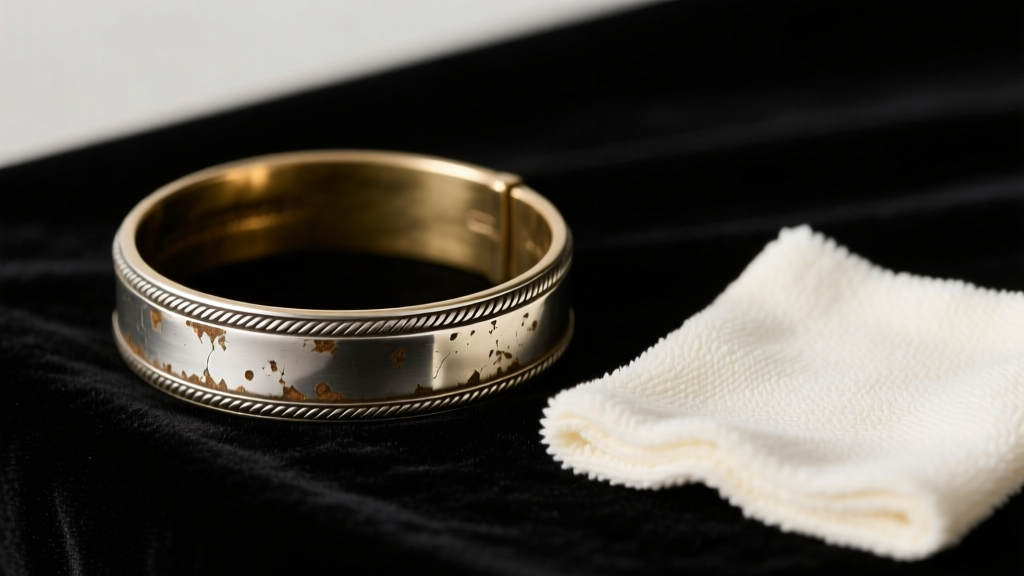
Silver-plated jewelry occupies a unique space in the accessories market: it delivers the brilliant, reflective aesthetic of fine sterling silver at a fraction of the cost. However, this budget-friendly advantage comes with a distinct maintenance vulnerability. The silver layer is typically measured in microns, meaning aggressive cleaning can strip the precious metal entirely, exposing the base metal beneath and destroying the piece's aesthetic and resale value. Understanding how to polish silver plated jewelry requires a shift in mindset from traditional sterling silver care. You are not just removing tarnish; you are actively preserving a microscopically thin veneer of value.
From a budget and value assessment perspective, the goal is to maximize the lifespan of the plating while minimizing the recurring costs of replacement or professional restoration. In this guide, we break down the exact economics of silver plating, the chemistry behind safe polishing, and the hidden costs of popular DIY hacks that ruin budget jewelry.
The Economics of Silver Plating: Is It Worth Polishing?
Before applying any polish, it is critical to understand what you are actually working with. Silver plating generally falls into two categories, which dictate the piece's intrinsic value and how aggressively you can treat it:
- Flash Plating (0.1 to 0.5 microns): Common in fast-fashion and ultra-budget jewelry. The silver layer is incredibly thin. Polishing with any abrasive will instantly wear through to the brass or copper base.
- Heavy Silver Plating (1.5 to 3.0+ microns): Found in higher-end vintage pieces, luxury fashion jewelry, and quality holloware. This can withstand gentle, targeted polishing and holds a higher secondary market value.
According to the Smithsonian Museum Conservation Institute, the underlying base metal (often copper, brass, or nickel-silver) reacts differently to environmental sulfides than solid silver, meaning once the plating is compromised, the tarnishing process accelerates and becomes much harder to manage.
| Metric | Flash Plated Jewelry | Heavy Plated Jewelry | Solid 925 Sterling |
|---|---|---|---|
| Plating Thickness | < 0.5 microns | 1.5 - 3.0+ microns | N/A (Solid) |
| Avg. Replacement Cost | $15 - $45 | $80 - $250 | $150 - $1,000+ |
| Polishing Risk | Extreme (High strip risk) | Moderate (Safe with foam) | Low (Can take abrasives) |
| Value Retention (5 Yrs) | Near Zero | Moderate (If intact) | High (Melt + Craft value) |
How to Polish Silver Plated Jewelry Safely (The Micro-Abrasion Method)
When dealing with plated jewelry, mechanical friction is your enemy. Traditional silver polishing cloths are often treated with micro-abrasives (like jeweler's rouge) designed to cut through heavy oxidation on solid metals. On plated jewelry, this friction acts like sandpaper on a thin coat of paint. Instead, you must rely on chemical lifting and ultra-soft buffing.
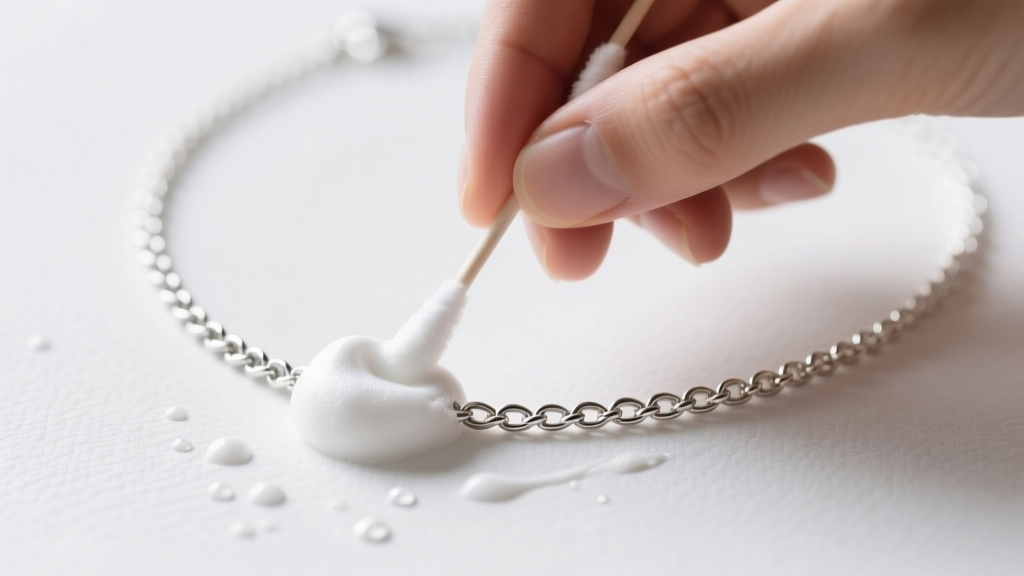
Step 1: The Degreasing Wash
Tarnish removers cannot penetrate oils, lotions, or sebum. Mix a few drops of pH-neutral dish soap (like Dawn) into lukewarm water. Submerge the piece for 3 to 5 minutes. Use a baby-soft toothbrush to gently dislodge debris from crevices. Rinse with distilled water to avoid hard water mineral deposits, and pat completely dry with a lint-free microfiber towel.
Step 2: Apply a Non-Abrasive Polishing Foam
Avoid liquid dips (which contain harsh thiourea acids) and pastes. Opt for a specialized non-abrasive silver foam, such as Goddard’s Silver Polish Foam or Hagerty Silversmiths Foam. These formulas use mild chemical surfactants to dissolve silver sulfide (tarnish) without requiring heavy physical scrubbing. Apply the foam to a damp cellulose sponge, not directly to the jewelry, and gently squeeze the sponge over the piece to distribute the lather.
Step 3: The Zero-Pressure Buff
Let the foam sit for no more than 60 seconds. Rinse thoroughly under distilled water. To dry and buff, use a clean, untreated microfiber cloth. Do not rub in circles; instead, use light, linear strokes to wick away moisture and bring up the shine. The goal is zero downward pressure.
The Hidden Costs of Common DIY Hacks
Many budget-conscious consumers turn to internet DIY hacks, unaware that these methods can cause irreversible financial damage to plated pieces.
- The Baking Soda & Aluminum Foil Bath: This method relies on an electrochemical galvanic reaction to convert silver sulfide back into silver. While miraculous for solid sterling, the alkaline environment and ionic transfer can cause flash plating to blister, peel, or completely detach from the brass substrate. The 'free' hack will cost you the entire value of the piece.
- Toothpaste: Toothpaste contains silica and calcium carbonate abrasives. The Relative Dentin Abrasivity (RDA) of standard toothpaste ranges from 70 to over 100. This is vastly too abrasive for a 1-micron silver layer and will leave micro-scratches that trap dirt and accelerate future tarnishing.
Professional Replating vs. Polishing: A Budget Breakdown
Eventually, even the most carefully maintained silver-plated jewelry will experience 'bleed-through,' where the yellowish hue of brass or the reddish tint of copper becomes visible at high-wear points like ring shanks and clasp edges. At this stage, polishing is no longer an option; you must assess the economics of professional replating.
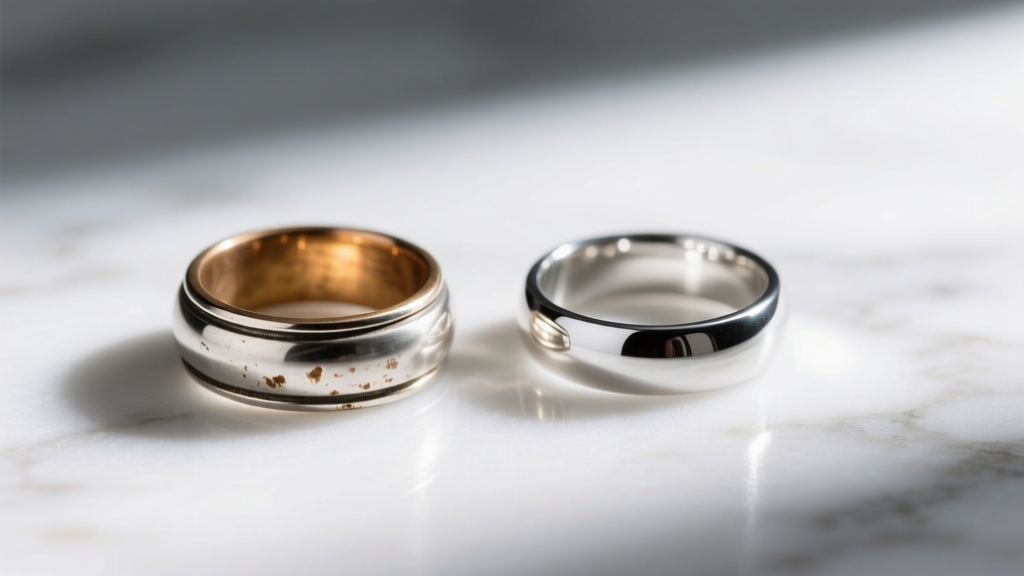
In 2026, the cost of professional electroplating has risen due to precious metal market fluctuations and stricter environmental regulations regarding cyanide-based plating baths. Here is a practical decision framework to determine if replating is a sound financial investment:
- Assess the Base Piece Value: If the jewelry is a mass-market fast-fashion item that originally cost under $40, professional replating (typically $45 to $85 for a small ring or pendant) is a negative return on investment. You are better off replacing the item.
- Sentimental or Designer Value: If the piece is a vintage designer item (e.g., vintage Trifari or Coro) or holds deep sentimental value, replating makes sense. A professional jeweler will first polish the base metal, apply a nickel or palladium barrier layer to prevent copper migration, and then apply a heavy 2.5-micron silver or rhodium flash.
- The Rhodium Alternative: Many jewelers recommend rhodium plating over silver replating for budget jewelry. Rhodium (a platinum group metal) costs slightly more ($60-$120) but is completely tarnish-resistant and vastly harder than silver, effectively 'future-proofing' the piece against the need for further polishing.
Preventative Maintenance to Maximize Your Investment
The most cost-effective way to manage silver-plated jewelry is to prevent silver sulfide from forming in the first place. Tarnish is a direct result of silver reacting with sulfur compounds in the air, combined with ambient humidity.
- Anti-Tarnish Strips: Invest in 3M anti-tarnish strips. These contain copper-based polymers that preferentially absorb airborne sulfides before they can reach your silver. A single strip costs less than $1 and protects a sealed jewelry box for up to 12 months.
- Pacific Silvercloth: For long-term storage, wrap pieces in Pacific Silvercloth. This specialized cotton fabric is embedded with microscopic silver particles that act as a sacrificial shield, tarnishing themselves so your jewelry does not.
- The 'Last On, First Off' Rule: Perfumes, hairsprays, and lotions contain alcohols and volatile organic compounds that degrade silver plating. Always put your plated jewelry on after your cosmetics have fully dried, and remove it immediately upon returning home to minimize exposure to skin acids.
By treating silver plating as a delicate, finite resource rather than a durable bulk metal, you can extend the life of your budget jewelry by years. For more insights on metal grades and hallmark identification, consult the London Assay Office's guide to silver hallmarks to ensure you know exactly what base metals and plating standards you are purchasing.


