Does Silver Plated Jewelry Tarnish? Style & Trend Guide
Discover if silver plated jewelry tarnishes and how to style it. Explore trend analysis, micron thickness guides, and care tips for plated pieces.

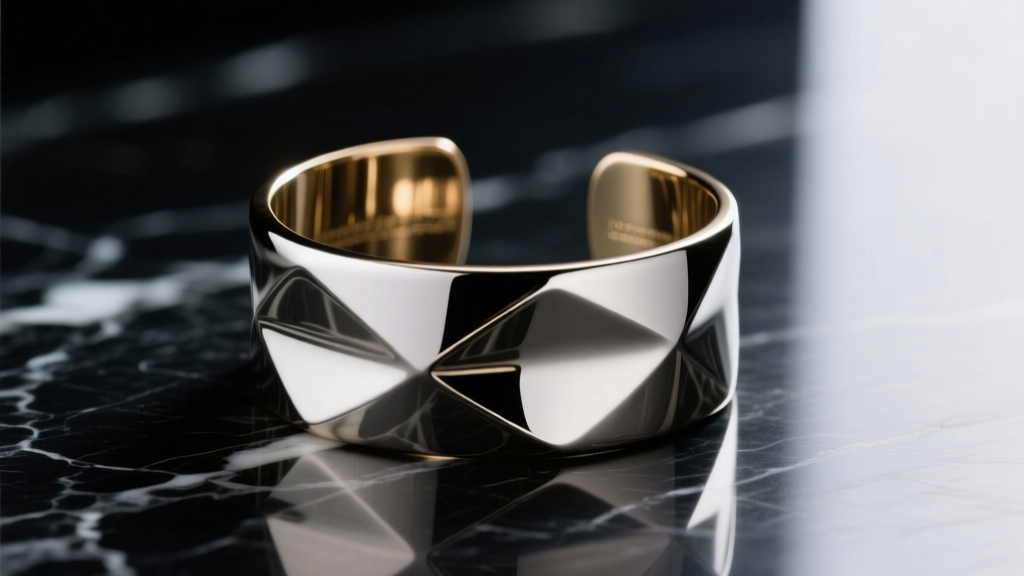
When curating a trend-forward jewelry wardrobe, a common question arises among style enthusiasts and collectors: does silver plated jewelry tarnish? The short answer is yes, but the reality of how, when, and why it tarnishes is deeply rooted in material science and modern manufacturing techniques. As we navigate the shifting landscape of fashion accessories, understanding the nuances of plated metals is essential for making informed, style-savvy investments.
The Science of Tarnish: Why Plated Pieces React
To understand the tarnishing process, we must first look beneath the surface. Pure silver (Ag) is actually highly resistant to tarnish. However, the dark, dull film that ruins your favorite pieces is not the silver itself oxidizing, but rather a chemical reaction involving the base metal and environmental sulfur. According to the Gemological Institute of America (GIA), silver reacts with hydrogen sulfide in the air to form silver sulfide (Ag2S), which manifests as a black or yellowish film.
In silver-plated jewelry, a microscopic layer of pure or sterling silver is electroplated over a base metal—typically brass, copper, or nickel. Over time, this porous silver layer wears thin, exposing the underlying base metal to moisture, oxygen, and the natural acids in your skin. Copper and brass are highly reactive, and when they oxidize, the resulting green or black oxidation can migrate through the microscopic pores of the silver plating, causing the entire piece to appear tarnished or discolored.
2026 Trend Analysis: The Return of Sculptural Silver
Despite the maintenance required, silver-plated jewelry is experiencing a massive renaissance in current fashion cycles. The prevailing "quiet luxury" and "avant-garde" aesthetics have sparked a demand for oversized, sculptural, and liquid-metal silhouettes. Solid 925 sterling silver is incredibly dense and expensive; a solid silver cuff bracelet of substantial volume could easily weigh over 300 grams and cost upwards of $600.

To achieve these dramatic, high-volume looks without the prohibitive weight and cost, contemporary designers are turning to heavy silver plating over lightweight brass or aluminum cores. This allows for bold, architectural statement pieces that drape beautifully and remain accessible. However, this trend means consumers must be more vigilant than ever about checking the micron thickness of their purchases to ensure their investment pieces survive beyond a single season.
Furthermore, the current styling zeitgeist heavily embraces the "curated vintage" aesthetic, where mixed metals are no longer a faux pas but a deliberate style choice. Stylists are intentionally pairing slightly oxidized, heavy silver-plated pieces with 18k yellow gold vermeil to create a lived-in, eclectic look. This trend actually works in favor of silver-plated jewelry; a slight patina on a sculptural brass-based piece can add character and depth that mimics expensive antique silver. However, there is a fine line between a deliberate, stylish patina and the flaky, green oxidation of exposed raw brass. The key lies in controlling the oxidation process through proper storage and selective wear, allowing the silver sulfide to darken the crevices of a textured piece while keeping the high-polish surfaces bright.
Micron Thickness vs. Flash Plating: The Buyer’s Matrix
Not all plating is created equal. The Federal Trade Commission's Jewelry Guides strictly regulate how metals can be marketed, but the thickness of the silver layer dictates the lifespan of the piece. Here is a breakdown of what to look for when shopping for plated trends:
| Plating Type | Thickness (Microns) | Estimated Lifespan | Best Use Case |
|---|---|---|---|
| Flash Plating | 0.1 - 0.5 µm | 1 - 6 Months | Fast fashion, ultra-trendy costume pieces |
| Standard Plating | 1.0 - 2.0 µm | 1 - 3 Years | Everyday trend pieces, lightweight earrings |
| Heavy Plating | 2.5 - 5.0+ µm | 5 - 10+ Years | Sculptural cuffs, heirloom-style statement rings |
When investing in the oversized sculptural trends dominating the runways, always seek out "heavy silver plate" or pieces that explicitly state a micron count of 2.5 or higher. Flash-plated pieces will tarnish and rub off within weeks of daily wear, exposing the raw brass beneath.
Strategic Styling: High-Friction vs. Low-Friction Zones
One of the most effective ways to prevent silver-plated jewelry from tarnishing prematurely is to style it strategically based on friction and moisture exposure. Not all jewelry placements are equal when it comes to preserving delicate metal layers.
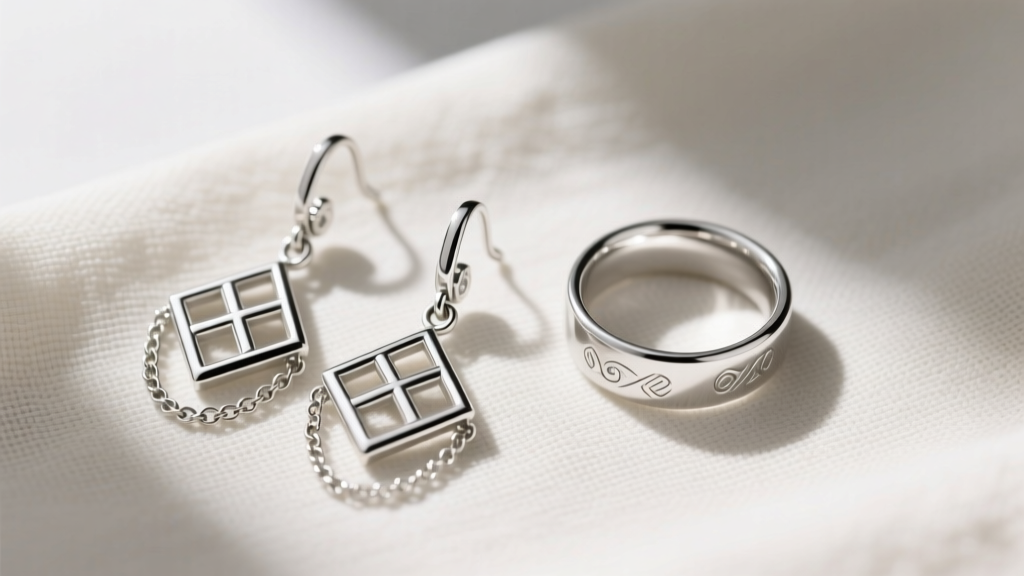
High-Friction Zones (Avoid Plating)
Rings, bangles, and delicate chain bracelets are subject to constant mechanical friction. They knock against desks, slide through hands, and endure frequent contact with water and lotions. In these high-friction zones, even heavy silver plating will eventually wear through to the base metal. For rings and everyday bracelets, it is always recommended to invest in solid 925 sterling silver, which can be endlessly polished and restored.
Low-Friction Zones (Ideal for Plating)
Earrings, pendants, and rigid collar necklaces experience minimal mechanical abrasion. They do not rub against surfaces or endure the constant bending and flexing that rings do. These low-friction zones are the perfect canvas for trend-forward, silver-plated statement pieces. A heavy silver-plated brass choker or a pair of sculptural drop earrings can maintain their brilliant luster for a decade if kept away from harsh chemicals and stored properly.
Maintenance & Care for Plated Statement Pieces
If your silver-plated jewelry does begin to show signs of silver sulfide buildup, you must clean it with extreme caution. The abrasive polishes and ultrasonic cleaners used for solid sterling silver will strip a plated finish in seconds, permanently ruining the piece.
- The Microfiber Method: Gently buff the surface with a dry, clean microfiber cloth. This removes skin oils and light oxidation without scratching the micron-thin silver layer.
- Mild Soap Bath: For heavier grime, use a few drops of pH-neutral dish soap in lukewarm water. Dip a soft cotton swab into the solution, gently clean the crevices, and immediately pat dry with a lint-free towel.
- Anti-Tarnish Storage: Store plated pieces in airtight ziplock bags with an anti-tarnish strip or a piece of activated charcoal. This neutralizes the sulfur in the trapped air, halting the chemical reaction before it begins.
It is crucial to understand that everyday environments are fraught with chemical hazards for plated metals. Chlorine in swimming pools, sulfur in hot springs, and even the acidic pH of certain skincare products (like those containing retinol or glycolic acid) can accelerate the breakdown of the silver layer. Always adopt a "last on, first off" rule: your silver-plated jewelry should be the final accessory you put on after your perfume, hairspray, and lotions have fully dried, and the very first thing you remove when you return home. This simple behavioral shift can easily double the lifespan of a standard 1.5-micron plated piece.
The Verdict: Navigating the Plated vs. Solid Debate
Ultimately, the question of whether silver-plated jewelry is worth the risk of tarnish depends entirely on your styling goals. If you are chasing the bold, oversized, liquid-metal aesthetics of the current fashion cycle, heavy silver-plated brass is your best ally. It provides the visual weight and luxury finish of solid silver at a fraction of the cost and physical weight. However, for intimate, high-touch pieces meant to be worn daily and passed down, solid 925 sterling remains the undisputed standard. By understanding the science of tarnish and styling your pieces according to their friction zones, you can confidently incorporate silver-plated trends into your wardrobe without the fear of premature fading.


