Private Label Fine Jewelry Manufacturer Low MOQ 925 Silver Guide
Sourcing from a private label fine jewelry manufacturer low MOQ 925 silver? Compare alloys, platings, and casting specs to ensure premium quality.

The Metallurgy of 925 Sterling: What Low MOQ Factories Actually Use
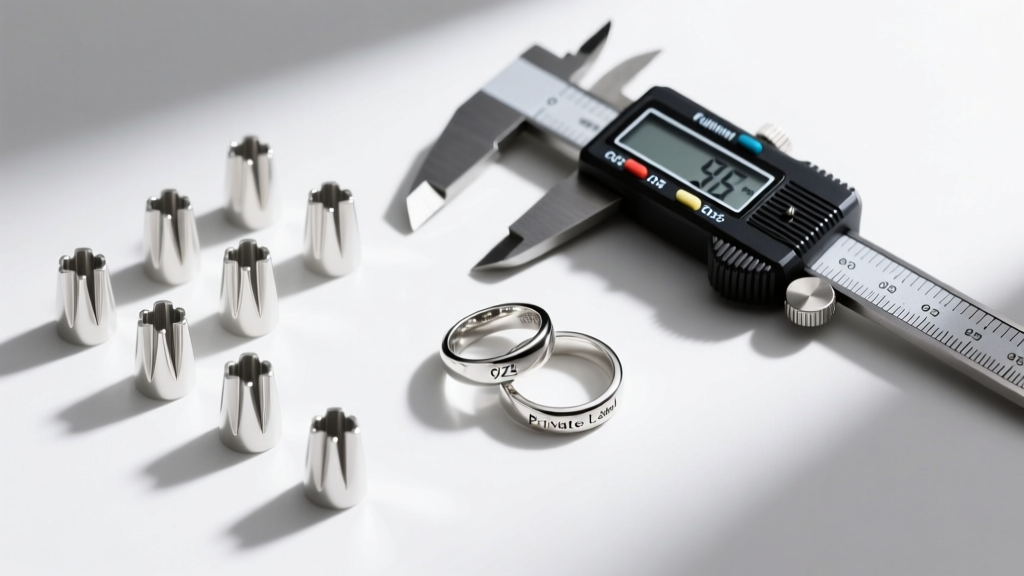
When launching an independent jewelry brand in 2026, finding a reliable private label fine jewelry manufacturer low MOQ 925 silver partner is only the first hurdle. The true challenge lies in controlling the metallurgical integrity of your supply chain. Standard sterling silver is an alloy consisting of 92.5% pure silver and 7.5% secondary metals, traditionally copper. However, copper introduces a major vulnerability: rapid oxidation and firescale during the casting and soldering processes. According to the Gemological Institute of America (GIA), the interaction between copper and atmospheric sulfur is the primary catalyst for tarnish, a critical quality control metric for private label brands.
Many low minimum order quantity (MOQ) manufacturers attempt to cut costs by utilizing recycled scrap silver with unknown trace elements, or by subtly altering the alloy to include zinc or nickel to improve fluidity during casting. While zinc can reduce firescale, it can also make the silver brittle if not properly balanced. As a brand owner, your tech pack must explicitly mandate the use of virgin casting grain or certified recycled grain that strictly adheres to the 92.5/7.5 ratio, free from cadmium or nickel, ensuring compliance with strict 2026 EU REACH regulations for skin-contact accessories.
Material Comparison: Standard 925 vs. Argentium vs. Silver-Plated
To position your private label brand effectively, you must understand how your chosen 925 silver alloy compares to market alternatives. Below is a technical comparison of material properties that dictate pricing, durability, and marketing claims.
| Property | Standard 925 Sterling | Argentium Silver (935/960) | Heavy Silver-Plated Brass |
|---|---|---|---|
| Composition | 92.5% Ag, 7.5% Cu | 93.5% Ag, Cu, Germanium | Brass core, 2-3 micron Ag coat |
| Vickers Hardness (Annealed) | ~65 HV | ~85 HV | ~100 HV (Brass dependent) |
| Tarnish Resistance | Low (Requires frequent polishing) | Extremely High (Germanium oxide layer) | Moderate (Until plating wears) |
| Casting Shrinkage | 1.5% - 2.0% | 1.5% - 1.8% | N/A (Machined/Cast Brass) |
| Cost per Troy Ounce | Market Spot + 15% premium | Market Spot + 45% premium | Fraction of solid silver cost |
While Argentium offers superior tarnish resistance due to the addition of germanium, its higher cost and specialized casting requirements (it requires a different investment powder and flask temperatures) make it less common among low MOQ private label factories. Standard 925 remains the industry workhorse, provided it is finished correctly.
Specifying Plating and Finishing in Your Tech Pack
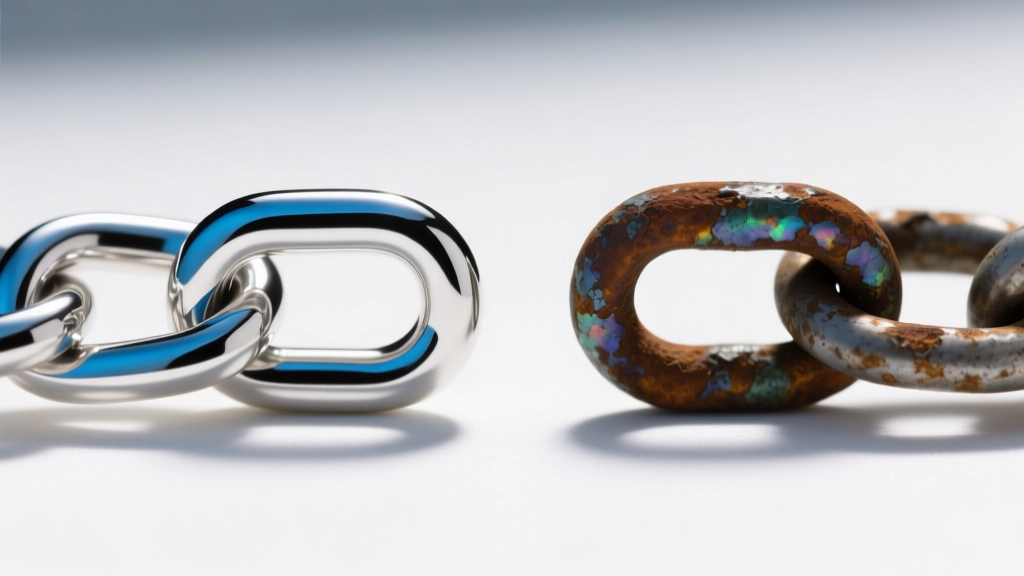
The raw 925 silver alloy is only half the battle; the surface finishing dictates the immediate unboxing experience and long-term wearability. When negotiating with a private label fine jewelry manufacturer low MOQ 925 silver providers often default to 'flash plating' to keep unit costs down. Flash plating involves a microscopic layer of rhodium (often less than 0.05 microns) that wears off within weeks of friction.
To build a premium brand, your technical specifications must demand a minimum of 0.5 to 1.0 microns of rhodium plating. Furthermore, because rhodium does not adhere perfectly to copper-rich alloys, your tech pack must specify a barrier layer. Historically, nickel was used as a barrier, but due to severe contact dermatitis risks and global regulatory bans, you must mandate a palladium or platinum barrier layer beneath the rhodium. For brands focusing on sustainability and a natural silver aesthetic, specify an electrophoretic deposition (E-coat) instead. E-coating applies a clear, nano-ceramic polymer layer that is invisible to the naked eye but prevents sulfur from reaching the copper atoms, extending the tarnish-free life of bare silver by up to 300%.
Casting Shrinkage and Porosity: Managing Tolerances
One of the most frequent points of failure when working with overseas low MOQ manufacturers is dimensional inaccuracy. According to casting data from Rio Grande, sterling silver undergoes a volumetric shrinkage of approximately 1.5% to 2.0% as it transitions from a molten state to a solid inside the plaster investment mold. If your CAD designer does not scale the 3D model by this exact shrinkage factor, your final private label pieces will be undersized, leading to stones that do not fit their bezels or rings that fail to match standard mandrel sizes.
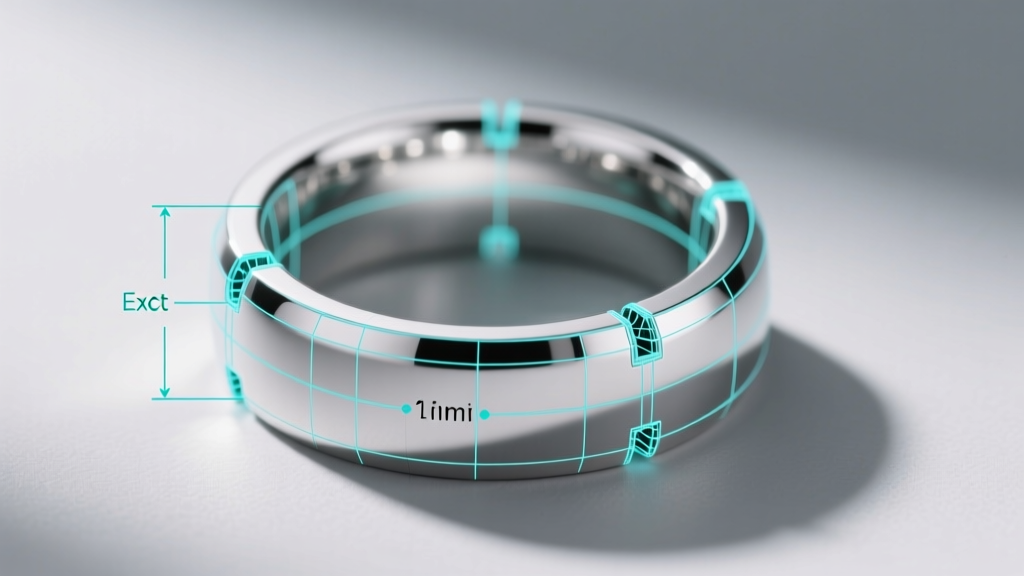
Porosity is another critical defect. It occurs when gases are trapped in the molten silver or when the investment mold is not properly prepared. In low MOQ production runs, factories may rush the burnout cycle of the wax trees to save time, leaving carbon residue that causes pitting on the silver surface. Your quality control checklist must include a 10x loupe inspection of the first article samples, specifically checking the thickest sections of the casting (usually where the sprue was attached) for microscopic gas pockets. If porosity is detected, mandate that the factory increases the flask burnout time and utilizes a vacuum-assisted or centrifugal casting machine with proper argon gas shielding.
Verifying Authenticity and Purity Post-Production
Trusting the hallmark stamped on your jewelry is not enough; the World Jewellery Confederation (CIBJO) maintains strict guidelines on precious metal tolerances, but enforcement at the factory level varies. To protect your brand's reputation, you must implement a post-production verification protocol.
- X-Ray Fluorescence (XRF) Testing: This non-destructive method bounces X-rays off the metal to determine its elemental makeup. While highly accurate for surface composition, XRF cannot detect thick silver plating over a base metal core. Always test a cross-section or a raw casting sprue included with your shipment.
- Specific Gravity Testing: Pure silver has a specific gravity of 10.49, while 925 sterling sits around 10.36. By weighing the piece in air and then suspended in distilled water, you can calculate its density. A significantly lower density indicates the presence of lighter metals like aluminum or excessive zinc.
- Fire Assay: The most accurate, albeit destructive, method. Sending a random sample from your low MOQ batch to an independent metallurgical lab for cupellation will definitively prove whether the manufacturer is using true 925 grain or cutting corners with inferior scrap.
By mastering these material properties and embedding them directly into your manufacturing contracts and tech packs, you transform the vulnerability of a low MOQ supply chain into a streamlined, premium private label operation capable of competing with legacy fine jewelry houses.


