Silver Spring Jewelry: Takoma Park & Langley Park Guide
Discover how to authenticate, buy, and care for sterling silver jewelry across Silver Spring, Takoma Park, and Langley Park with our 2026 beginner guide.

The DMV Corridor’s Silver Scene: A Beginner’s Overview
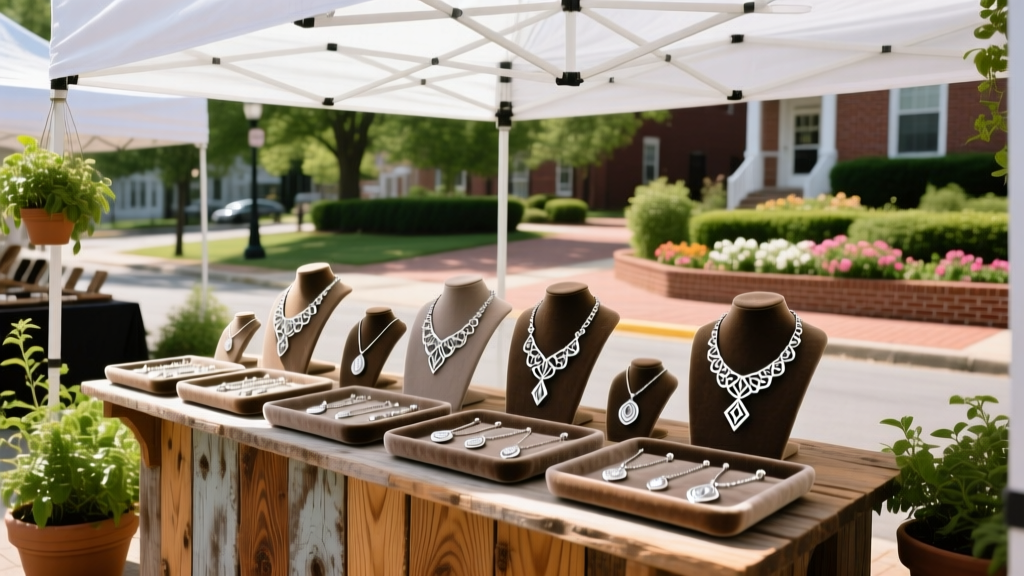
If you are exploring the vibrant arts and culture corridor of Montgomery and Prince George’s Counties, you have likely noticed a surge in independent metalsmiths. From the bustling weekend aisles of the Takoma Park Farmers Market to the curated vintage boutiques in downtown Silver Spring and the diverse, emerging artisan shops in Langley Park, sourcing authentic silver has never been more exciting. However, for a beginner, navigating the difference between handmade sterling silver, silver-plated imports, and fine silver can be daunting.
This guide is designed specifically for novice collectors and everyday wearers shopping in these neighboring communities. We will break down the metallurgy of silver, teach you how to evaluate craftsmanship at local art fairs, and provide actionable maintenance tips tailored to the unique Mid-Atlantic climate.
Metallurgy 101: Understanding What You Are Buying
Before you hand over your cash at a Silver Spring pop-up shop, you must understand the material. Pure silver, also known as fine silver (999), is exceptionally beautiful but far too soft for everyday jewelry. It will dent, scratch, and lose its shape rapidly. To solve this, metalsmiths create alloys.
The 925 Sterling Standard
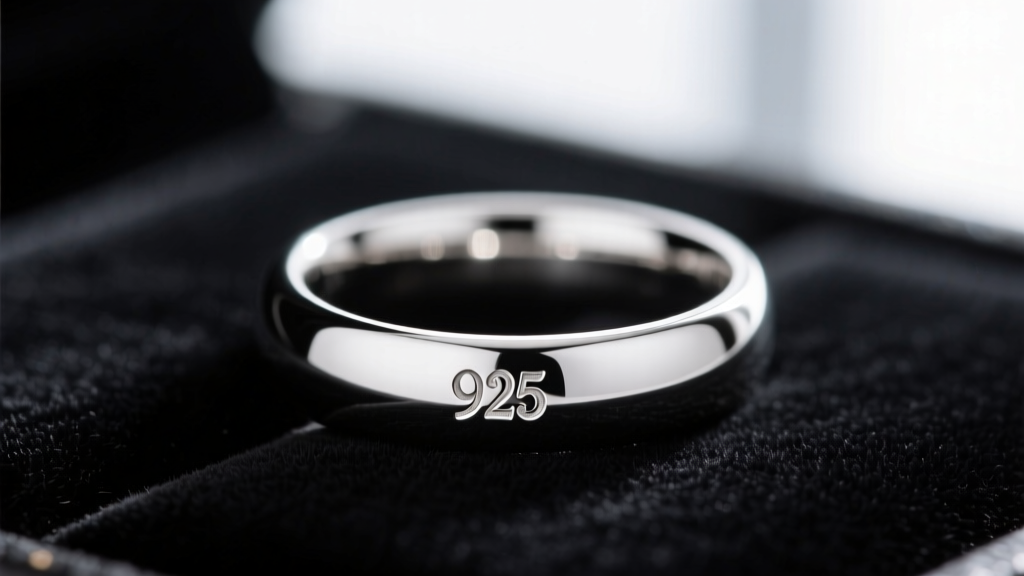
Sterling silver is an alloy consisting of 92.5% pure silver and 7.5% other metals, almost always copper. The copper adds the necessary tensile strength to make rings, clasps, and ear wires durable. According to the Federal Trade Commission Jewelry Guides, pieces must contain at least 925 parts per thousand of pure silver to be legally stamped and marketed as 'Sterling' or '925' in the United States.
Alternative Alloys: Argentium Silver
Some advanced silversmiths in the Takoma Park area have begun working with Argentium silver. This modern alloy replaces some of the copper with germanium, resulting in a metal that is highly tarnish-resistant and can be fused without traditional solder. While it costs roughly 20% to 30% more than traditional sterling, its bright white luster and low maintenance make it a favorite for bespoke wedding bands.
| Silver Grade | Purity | Primary Alloy | Tarnish Rate | Best Application |
|---|---|---|---|---|
| Fine Silver (999) | 99.9% | None | Very Slow | Bezel wire, PMC clay |
| Sterling (925) | 92.5% | Copper | Moderate | Rings, chains, ear wires |
| Argentium (935) | 93.5% | Germanium | Very Slow | High-end bands, fusing |
| Silver Plate | <1% | Brass/Copper core | Fast (wears off) | Costume fashion pieces |
Evaluating Craftsmanship at Local Artisan Fairs
When shopping for silver spring jewelry at local street fairs or the Langley Park community markets, you have the unique advantage of speaking directly to the maker. Use this opportunity to inspect the structural integrity of the piece. Here is what a beginner should look for:
Wire Gauge and Ear Wires
Handmade ear wires should be comfortable and secure. A reputable metalsmith will typically use 20-gauge (0.81mm) or 18-gauge (1.02mm) wire for French hooks. If the wire feels excessively thick (16-gauge or 1.29mm), it may stretch your piercing or cause discomfort. Conversely, if it is too thin (22-gauge or 0.64mm), the silver will easily bend out of shape when you take it off and eventually snap from metal fatigue.
Solder Joints and Stone Settings
Examine the back of rings and pendants. Solder joints should be smooth, flowing seamlessly into the shank without lumpy, visible seams or dark oxidation pits. If the piece features a gemstone, check the bezel or prong settings. The silver should be pushed tightly and evenly against the stone's girdle. Hold the piece up to the light; if you can see a gap between the metal and the stone, moisture and dirt will eventually get trapped, potentially ruining porous stones like turquoise or opal.
Pricing Realities in the DMV Area
Do not expect handmade, local artisan silver to be priced like mass-produced mall jewelry. As of 2026, the spot price of raw silver fluctuates, but the true cost of a handmade piece reflects the artist's labor, overhead, and expertise. A simple, hand-forged 18-gauge sterling silver bangle from a Silver Spring artisan will typically range from $65 to $120, while intricate wire-wrapped pendants or stone-set rings usually start around $85 and can exceed $250 depending on the gemstone's origin and cut.
Combating Tarnish in the Mid-Atlantic Climate
The DMV area is notorious for its sweltering, highly humid summers. Humidity, combined with airborne sulfur compounds and everyday pollutants, accelerates the formation of silver sulfide—the blackish layer we commonly call tarnish. The copper in 925 sterling silver is particularly reactive to moisture and sulfur.
The Electrochemical Cleaning Method
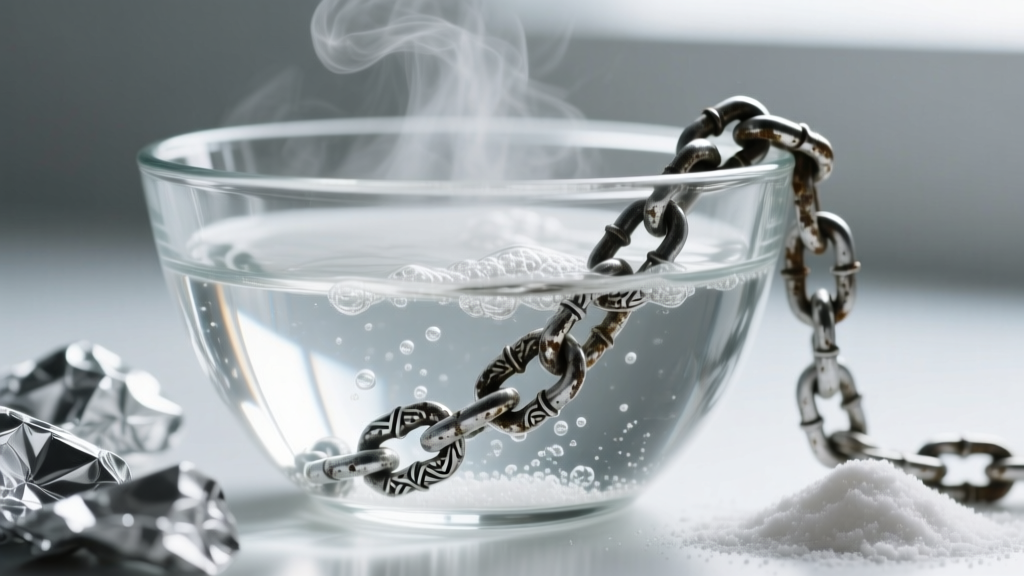
Forget harsh commercial silver dips, which strip away the metal's natural patina and can damage soft gemstones. The Gemological Institute of America (GIA) recommends gentle cleaning methods. For heavy tarnish on chains and solid silver pieces without glued-in stones, use this safe, science-based electrochemical bath:
- Line a glass or ceramic bowl with aluminum foil, shiny side up.
- Add 1 tablespoon of baking soda and 1 tablespoon of sea salt.
- Pour in 1 cup of boiling water and stir to dissolve.
- Submerge your tarnished silver jewelry so it physically touches the aluminum foil.
- Wait 3 to 5 minutes. The sulfur transfers from the silver to the aluminum foil via an ion exchange.
- Remove with wooden tongs, rinse in distilled water, and buff dry with a microfiber cloth.
Proper Storage for Local Collectors
Prevention is always easier than cleaning. Store your silver in a cool, dry place inside anti-tarnish cloth bags or zip-lock bags with a packet of silica gel. Never store silver loosely in a wooden jewelry box, as the acids and glues in certain woods (like oak) emit gases that rapidly accelerate tarnishing.
Authenticity Testing: Avoiding Fakes and Plate
While the artisan markets in Takoma Park and Silver Spring are generally highly reputable, buying vintage or estate silver at local flea markets requires a bit of skepticism. Here are three non-destructive tests you can perform on the spot:
- The Magnet Test: Silver is diamagnetic, meaning it is not attracted to magnets. If a silver chain or clasp snaps to a strong neodymium magnet, it has a ferrous core (like steel) and is merely plated.
- The Ice Test: Silver possesses the highest thermal conductivity of any common metal. Place an ice cube directly on a silver coin or thick ring. The ice should begin melting almost instantly, far faster than it would on stainless steel or glass, as the silver rapidly pulls heat from the surrounding air into the ice.
- The Hallmark Check: Look for stamps like '925', 'Sterling', or 'STG'. However, remember that stamps can be faked on imported goods. If you are investing in high-ticket vintage silver, take the piece to a reputable jeweler on Georgia Ave in Silver Spring. Many established shops have XRF (X-ray Fluorescence) analyzers that can read the exact elemental composition of the metal in seconds without damaging the piece.
Pro Tip for Beginners: When buying vintage silver in Langley Park or Silver Spring estate sales, look for 'patina' in the recessed areas of the design. Genuine, aged sterling silver will have dark oxidation trapped in the crevices that is difficult to fake. If a piece looks uniformly bright and white but is being sold as 'antique', proceed with caution.
Final Thoughts on Sourcing Local Silver
Shopping for silver in the Silver Spring, Takoma Park, and Langley Park areas is a rewarding experience that connects you directly with the vibrant DMV arts community. By understanding the 925 standard, inspecting wire gauges and solder joints, and knowing how to combat the Mid-Atlantic humidity, you can build a stunning, authentic collection that will last a lifetime. Take your time, ask the artisans about their process, and enjoy the thrill of discovering wearable art right in your own neighborhood.


