Sterling Silver Diamond Jewelry: The Ultimate Buying Guide
Discover what to look for when buying sterling silver diamond jewelry. Learn about metal grades, stone quality, settings, and 2026 pricing.

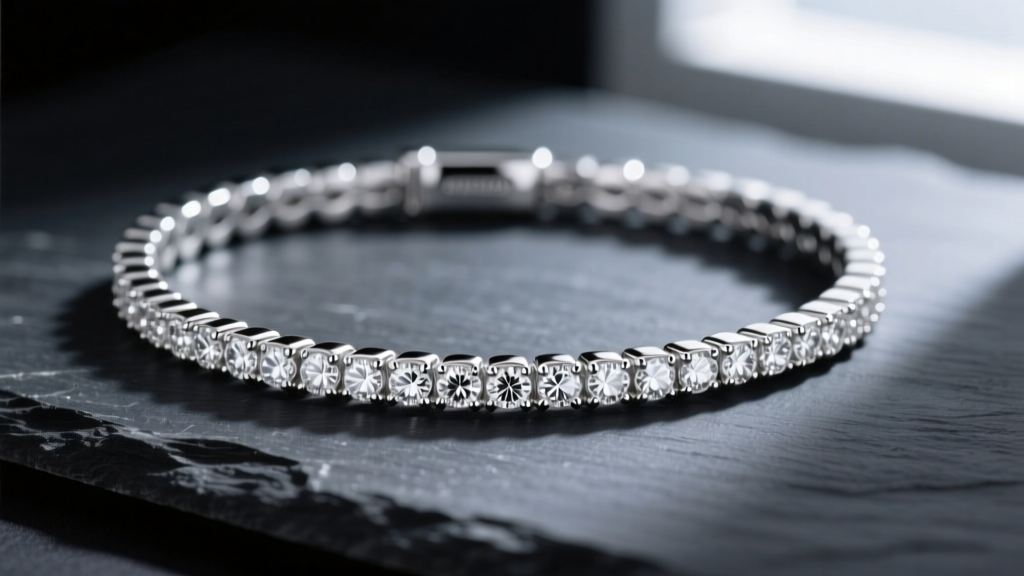
The Metallurgical Paradox: Diamonds Meet Soft Silver
When you begin shopping for sterling silver diamond jewelry, you are immediately confronted with a fascinating metallurgical paradox. On the Mohs scale of mineral hardness, a diamond scores a perfect 10, making it the hardest known natural material. Sterling silver, an alloy composed of 92.5% pure silver and 7.5% copper or other metals, scores a mere 2.5 to 3. This massive discrepancy in hardness dictates everything you need to know about how these pieces are manufactured, how they wear over time, and what you should realistically expect when making a purchase.
Because silver is relatively soft, it cannot grip a diamond with the same enduring tensile strength as platinum or 14k white gold. Over years of daily wear, the metal can bend, and prongs can pull back, risking the loss of the stone. Therefore, jewelers approach sterling silver diamond jewelry with specific design strategies, stone selections, and protective platings that differ vastly from fine gold jewelry. Understanding these nuances is the key to making a smart, long-lasting investment in 2026.
Decoding the Stones: What Grade of Diamond is Used?
The most critical mistake buyers make is assuming the diamonds set in sterling silver are of the same gemological quality as those set in platinum. High-clarity (VVS/VS) and high-color (D-F) diamonds are almost never set in silver; the metal's lower intrinsic value and softness do not justify the cost or risk of setting a $5,000 stone in a $50 metal band. Instead, you will typically encounter three categories of diamonds in silver settings:
1. Promotional Grade Melee (I1-I3 Clarity)
Small diamonds (melee) used in silver tennis bracelets, halo rings, and accent stones are usually graded I1 to I3 (Included). These stones have visible inclusions and lower color grades (J-M), but because they are cut small, they still offer the signature sparkle of a natural diamond. According to the Gemological Institute of America (GIA), included diamonds are much more affordable, making them the industry standard for silver jewelry.
2. Treated Black Diamonds
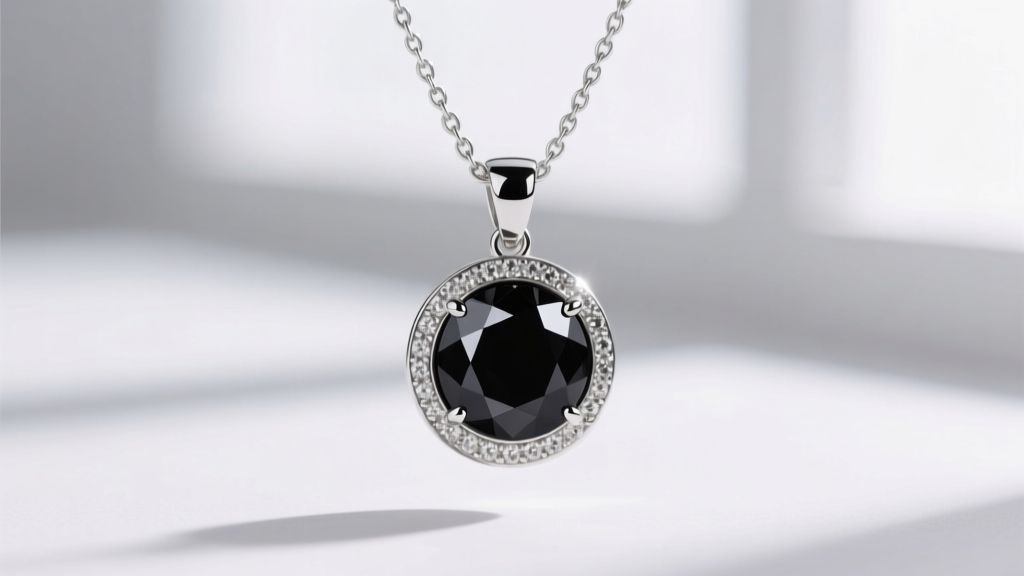
Black diamonds are incredibly popular in sterling silver pieces. These are typically natural, heavily included diamonds that have been subjected to heat or irradiation treatments to turn them completely opaque and black. The stark contrast between a black diamond and bright, polished silver is visually striking, and because the stones are opaque, clarity grading is irrelevant.
3. Lab-Grown Diamonds
As lab-grown diamond prices have plummeted by over 60% between 2022 and 2026, many modern jewelers are now setting high-quality lab-grown diamonds (VS clarity, F-G color) in heavy sterling silver mountings. This is the best route for buyers who want premium stone quality without the premium price tag of gold.
| Feature | Sterling Silver Jewelry | 14k/18k Gold & Platinum |
|---|---|---|
| Typical Clarity | I1 - I3 (Included) or Opaque | SI1 - VS2 (Slightly to Very Slightly Included) |
| Typical Color | J - M (Faint Yellow/Brown) | D - I (Colorless to Near Colorless) |
| Certification | Rarely certified (unless lab-grown > 0.5ct) | GIA, IGI, or AGS certified |
| Primary Stone Type | Melee, Black Diamonds, Lab-Grown | Natural Earth-Mined, Premium Lab-Grown |
The Crucial Role of Rhodium Plating
Pure silver has a slightly warm, yellowish-grey undertone that does not optimally reflect the icy white brilliance of a diamond. Furthermore, the copper alloyed in 925 sterling silver makes it highly susceptible to tarnishing when exposed to sulfur and moisture in the air. To solve both issues, high-quality sterling silver diamond jewelry is electroplated with rhodium, a precious metal in the platinum family.
When inspecting a piece, you must inquire about the rhodium plating thickness. "Flash plating" (0.1 to 0.5 microns) will wear off within a few months of daily wear, exposing the tarnish-prone silver beneath. Reputable jewelers apply a thickness of 1.0 to 2.5 microns, which can protect the silver and maintain a bright, white-gold-like finish for several years. If a piece of silver diamond jewelry looks exceptionally bright and mirror-like, it is likely well-plated with rhodium.
Setting Styles: Protecting Your Stones
Because sterling silver prongs can wear down, bend, or snap more easily than gold, the setting style is a major factor in the longevity of your jewelry. When evaluating sterling silver diamond jewelry, prioritize settings that offer structural protection.
- Bezel Settings: The absolute safest choice for silver. A rim of metal completely encircles the diamond's girdle, protecting the edges and eliminating the risk of bent prongs. Ideal for silver pendants and everyday rings.
- Channel Settings: Frequently used in silver tennis bracelets and eternity bands. The diamonds are nestled between two walls of silver, protecting the girdles and keeping the stones secure even if the metal slightly warps.
- Prong Settings (Proceed with Caution): If you prefer a classic prong setting to maximize light return, ensure the prongs are thick and rounded (often called "bead prongs"). Avoid delicate, sharp "claw prongs" in silver, as they will snag on clothing and pull away from the diamond.
2026 Pricing Benchmarks: What Should You Pay?
Understanding the fair market value prevents you from overpaying for promotional-grade stones or underestimating the value of heavy silver craftsmanship. Here is a realistic pricing framework for the current market:
- $40 - $120 (Entry-Level / Fashion): Thin 925 silver bands or studs featuring single-cut melee diamonds (I3 clarity) or black diamond chips. Often flash-plated.
- $150 - $400 (Mid-Tier / Statement): Heavy sterling silver cocktail rings, tennis bracelets, or pendants featuring genuine treated black diamonds or larger clusters of I1/I2 melee diamonds. Features thick rhodium plating and secure bezel/channel settings.
- $500 - $1,200+ (Premium / Lab-Grown): Designer sterling silver pieces featuring certified lab-grown diamonds (0.50ct to 1.50ct) with excellent cut and clarity. The price here reflects the stone's quality and the artisan metalwork.
Red Flags and FTC Disclosures
The Federal Trade Commission (FTC) maintains strict guidelines regarding jewelry marketing. A major red flag in the silver market is the unqualified use of the word "diamond." If a piece of sterling silver jewelry is advertised simply as a "Diamond Solitaire Ring" for $29.99, it is almost certainly cubic zirconia (CZ), moissanite, or a diamond simulant. Sellers are legally required to disclose if a stone is lab-created, treated, or a simulant. Always look for the qualifiers: natural diamond, earth-mined, lab-grown, or genuine black diamond.
Verifying the Metal Hallmark
Authentic sterling silver must be stamped. Look for 925, .925, STER, or STERLING stamped in an inconspicuous area, such as the inside of a ring band or the clasp of a necklace. Be wary of pieces marked "Tibetan Silver" or "Silver Plated" (often stamped EPNS or SP), as these contain little to no precious metal and will not hold up to the tension of diamond settings.
Expert Maintenance Tip: Never clean sterling silver diamond jewelry in an ultrasonic cleaner if the diamonds are fracture-filled or heavily included (I2-I3). The high-frequency vibrations and heat can cause heavily included natural diamonds to fracture further or shatter entirely. Instead, use a soft-bristled baby toothbrush, warm water, and a drop of mild, ammonia-free dish soap to gently clean behind the stones.
Final Verdict: Is Sterling Silver Diamond Jewelry Worth It?
Sterling silver diamond jewelry offers an accessible entry point into the world of genuine diamond wear, provided you manage your expectations. By prioritizing secure bezel or channel settings, verifying rhodium plating thickness, and understanding that the diamonds will likely be promotional grade or black diamonds, you can curate a stunning, durable collection. For those seeking higher stone quality without the gold markup, seeking out independent jewelers who set lab-grown diamonds in heavy 925 silver is the smartest strategy in 2026.


