What Does 925 on Jewelry Mean? A Step-by-Step Authenticity Guide
Discover what 925 on jewelry means and learn our step-by-step guide to testing sterling silver authenticity, spotting fakes, and understanding metal grades.

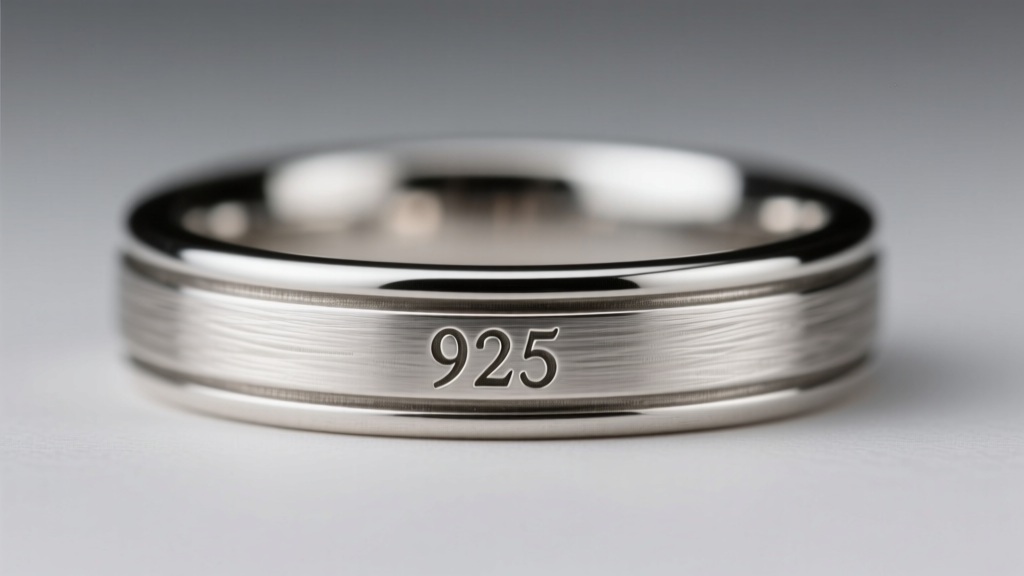
The Metallurgy Behind the Stamp: What 925 on Jewelry Actually Means
When you are shopping for fine accessories, you have likely noticed a tiny stamp reading "925" hidden on the inside of a ring band or the clasp of a necklace. But what does 925 on jewelry actually signify? In the world of precious metals, this hallmark is the universal standard for sterling silver. It indicates that the piece is composed of 92.5% pure silver and 7.5% alloy metals, most commonly copper. Pure silver (99.9%) is too soft for everyday wear, rating just 2.5 on the Mohs hardness scale. By alloying it with copper, jewelers increase the hardness and durability, making it suitable for intricate settings and lifelong wear.
According to the Federal Trade Commission (FTC) Jewelry Guides, a piece must contain at least 925 parts per thousand of pure silver to be legally marketed and stamped as "sterling" or "925" in the United States.
However, the rise of sophisticated counterfeit manufacturing means that a visual stamp is no longer a guarantee of authenticity. Fraudsters frequently stamp base metals or silver-plated brass with a fake 925 hallmark to deceive buyers. To protect your investment, you must look beyond the stamp and perform physical and chemical verifications.
Step-by-Step Guide: How to Verify the 925 Stamp at Home
Before resorting to harsh chemicals, you can perform a series of non-destructive physical tests to evaluate the authenticity of your silver. These steps leverage the unique physical properties of elemental silver.
Step 1: The Visual and Tactile Inspection
Begin with a jeweler's loupe (10x magnification). Examine the stamp closely. A genuine 925 stamp is usually crisp, evenly struck, and positioned near the manufacturer's trademark. Next, inspect the high-friction areas of the jewelry, such as the edges of a ring or the links of a chain. If you notice a different metal—like yellow brass or reddish copper—bleeding through the surface, the item is merely silver-plated. Genuine sterling silver is solid all the way through, meaning scratches will reveal the exact same bright white-grey metal beneath the surface.
Step 2: The Magnet Test (and Its Limitations)
Silver is paramagnetic, meaning it exhibits only a very weak, almost imperceptible magnetic reaction. It is not ferromagnetic like iron, nickel, or cobalt. To perform this test, use a strong N52-grade neodymium magnet.
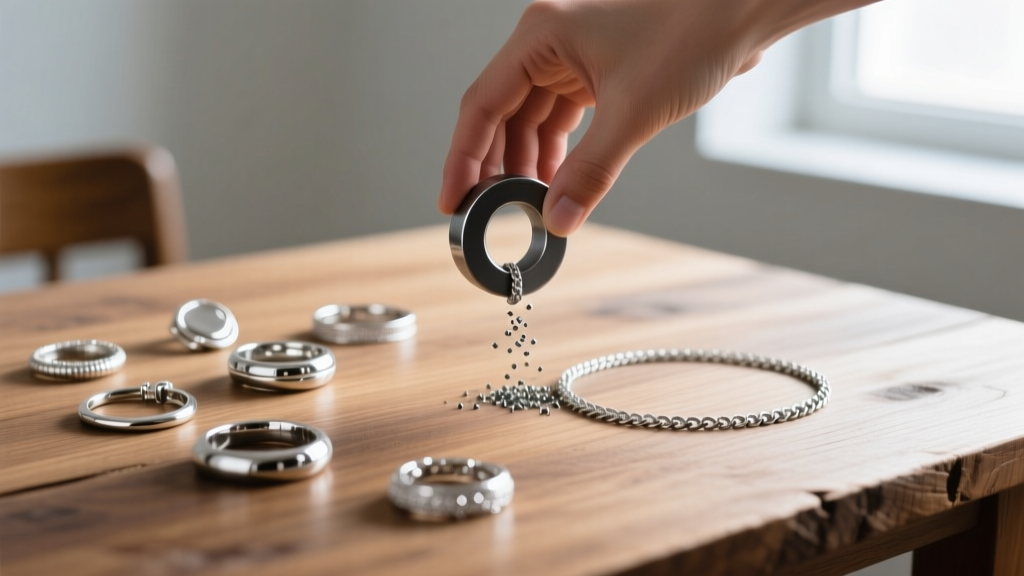
- The Pull Test: Bring the magnet close to the jewelry. If the piece snaps to the magnet or shows strong resistance, it contains a ferromagnetic core and is definitively not solid sterling silver.
- The Slide Test (Lenz's Law): For silver coins or thick bangles, hold the item at a 45-degree angle and let the magnet slide down. Because silver is highly conductive, the moving magnetic field creates eddy currents that generate a braking force. A genuine silver piece will cause the magnet to slide down slowly, as if moving through a thick liquid.
Step 3: The Ice Cube Thermal Conductivity Test
Silver possesses the highest thermal conductivity of any common metal, measuring an impressive 429 W/(m·K). This means it transfers heat incredibly fast. Place an ice cube on a flat surface of the suspected 925 jewelry, and place another ice cube on a piece of glass or plastic for comparison. The ice resting on genuine sterling silver will begin to melt almost instantly, despite the metal being at room temperature. If the ice melts at a normal, gradual pace, the metal is likely stainless steel, aluminum, or a base alloy.
Chemical Testing: When to Use Acid Kits and Silver Polish
If physical tests yield inconclusive results, chemical testing provides definitive proof of the metal's purity. You can purchase a commercial silver testing acid kit (which typically contains a nitric acid and potassium dichromate solution) from jewelry supply stores.
How to perform the acid test: Find an inconspicuous area of the jewelry or use the provided testing stone. Make a small scratch to bypass any potential surface plating. Apply a single drop of the testing acid to the scratch and observe the color change within five seconds.
| Acid Reaction Color | Indicated Metal Purity | Verdict |
|---|---|---|
| Blood Red / Dark Red | 92.5% Silver (Sterling) | Genuine 925 |
| Dark Brown | 80.0% Silver (Coin Silver) | Genuine, but lower grade |
| Green | Base Metal (Copper/Brass) | Fake / Plated |
| Blue | Nickel Silver / German Silver | Fake (Contains 0% Silver) |
Note: Always wear nitrile gloves and eye protection when handling testing acids, and neutralize the acid with a baking soda and water solution after testing.

Decoding Other Common Silver Hallmarks and Stamps
While 925 is the most common hallmark for sterling silver in the United States and international markets, you may encounter other numerical stamps depending on the origin and era of the piece. The Gemological Institute of America (GIA) notes that global standards for silver purity can vary significantly.
- 999 (Fine Silver): 99.9% pure silver. Extremely soft, usually reserved for investment bullion, bezel wire, or specific artisan castings. It lacks the durability for standard ring bands.
- 900 (Coin Silver): 90% silver and 10% copper. Common in antique American silverware and vintage coins minted before 1965.
- 800 (Continental Silver): 80% silver. Frequently found in vintage European jewelry, particularly from Germany and Italy.
- EPNS (Electroplated Nickel Silver): This is a red flag for buyers seeking solid silver. It indicates a base metal core coated in a microscopic layer of silver.
- 935 (Argentium Silver): A modern, patented alloy containing 93.5% silver and germanium instead of copper. It is highly tarnish-resistant but still legally qualifies as sterling.
Red Flags: How to Spot a Counterfeit 925 Stamp
Counterfeiters have become adept at mimicking the look of sterling silver. When evaluating a piece, be highly suspicious of the following warning signs:
1. The "Tibetan Silver" Trap: Despite the name, Tibetan silver contains zero elemental silver. It is typically a zinc, copper, and nickel alloy that may even contain dangerous levels of lead. If a piece is marketed as Tibetan silver but bears a 925 stamp, it is a fraudulent item.
2. Unusually Low Pricing: Silver is a globally traded commodity with a transparent spot price. If a heavy, solid 925 chain is being sold for $15, it is mathematically impossible for it to be genuine. The raw melt value of the silver alone would exceed the asking price.
3. Lack of a Trademark: According to the London Assay Office and US hallmarking laws, a purity stamp (like 925) should ideally be accompanied by a manufacturer's trademark or sponsor's mark. While not strictly enforced on all imported fast-fashion jewelry, high-quality pieces from reputable brands will always feature both.
Conclusion: Protecting Your Sterling Silver Investment
Understanding what 925 on jewelry means is the first step in building a high-quality, authentic collection. While the stamp is a necessary indicator of sterling silver, it should never be the sole factor in your purchasing decision. By combining visual inspections, thermal and magnetic tests, and chemical verification when necessary, you can confidently separate genuine 925 sterling silver from deceptive imitations. Always buy from reputable jewelers who provide clear metallurgical disclosures, and when in doubt, take the piece to a certified gemologist or local assay office for professional X-ray fluorescence (XRF) testing.


