Jewelry Silver Polishing Cloth: Material Properties & Tarnish Science
Compare jewelry silver polishing cloth materials. Discover how microfiber, treated cotton, and flannel interact with 925 sterling and silver-plated pieces.

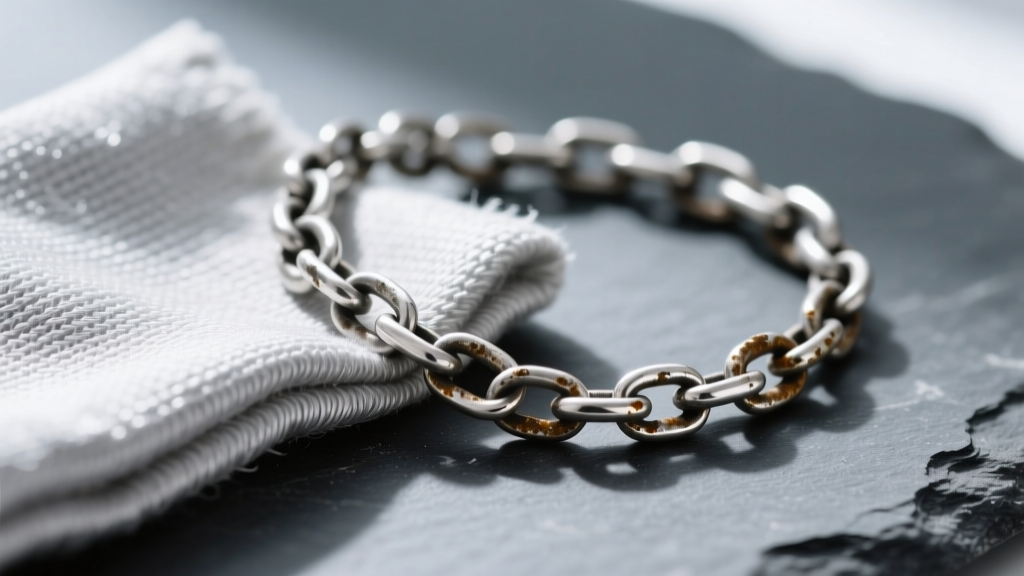
When maintaining the luster of precious metals, the tools you use are just as critical as the alloys themselves. A high-quality jewelry silver polishing cloth is not merely a piece of fabric; it is a precisely engineered material designed to interact with the specific chemical and physical properties of silver. Whether you are caring for a delicate 999 fine silver investment piece, a durable 925 sterling silver daily wearer, or a micron-thin silver-plated heirloom, understanding the material science behind your polishing cloth will prevent irreversible micro-scratches and extend the lifecycle of your collection.
The Chemistry of Tarnish and Cloth Interaction
To understand why cloth material matters, we must first look at what we are actually removing. Silver tarnish is primarily silver sulfide ($Ag_2S$), a dark compound that forms when silver reacts with hydrogen sulfide ($H_2S$) in the atmosphere. According to the Gemological Institute of America (GIA), this reaction is accelerated by humidity, sweat, and environmental pollutants.
Pure silver has a Mohs hardness of roughly 2.5 to 3, making it exceptionally soft. However, silver sulfide is slightly harder and more brittle. When you rub a cloth against tarnished silver, you are attempting to fracture and lift the $Ag_2S$ layer without gouging the softer, unoxidized silver beneath. This requires a delicate balance of mechanical friction and chemical reduction, which varies drastically depending on the fiber composition of your jewelry silver polishing cloth.
Material Breakdown: Comparing Polishing Cloth Fibers
The market is saturated with generic wipes, but professional-grade cloths rely on specific textile engineering. Here is how the three primary materials compare in terms of fiber structure and tarnish-removal efficacy.
1. Impregnated Treated Cotton (Dual-Layer Systems)
Professional jeweler cloths often utilize a dual-layer 100% cotton flannel system. The inner layer is heavily impregnated with micro-abrasives (such as jeweler's rouge or iron oxide) and proprietary anti-tarnish surfactants. The outer layer is untreated, high-pile flannel designed to catch the dislodged silver sulfide particles. The cotton fibers act as a delivery system for the chemical cleaners, which convert the black silver sulfide back into a soluble state or gently abrade it at a microscopic level. These cloths are highly effective on 925 sterling silver but can be too aggressive for softer metals or thin plating.
2. Untreated High-Density Microfiber
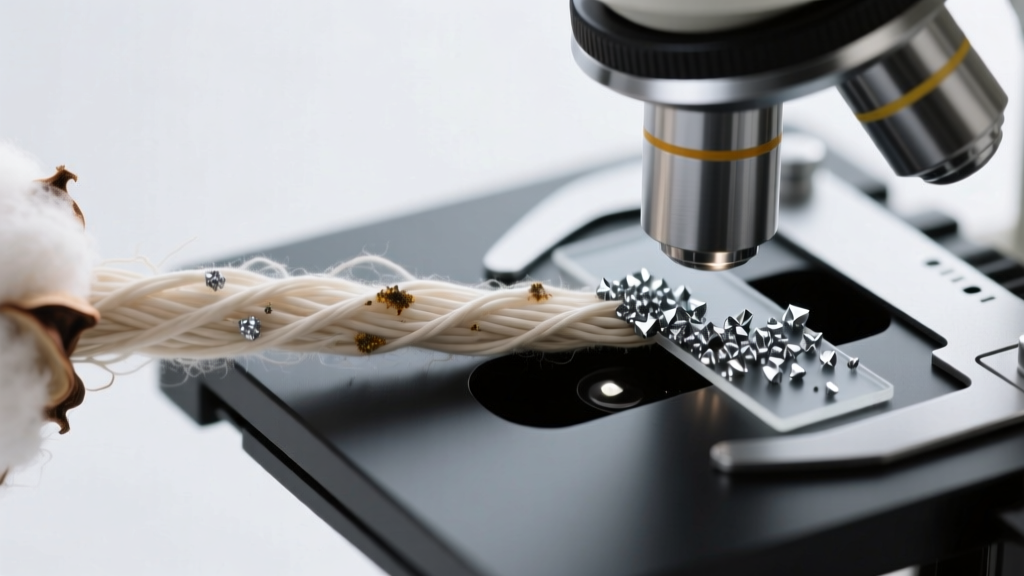
Microfiber cloths rely entirely on mechanical action rather than chemical impregnation. A premium microfiber jewelry cloth is woven from an 80/20 or 70/30 blend of polyester and polyamide. During manufacturing, the fibers are split to a denier of less than 0.13 (significantly finer than a human hair). This splitting creates microscopic "wedges" that physically scoop and trap tarnish particles and skin oils rather than just pushing them around. Because they lack abrasive chemicals, they are the safest option for frequent, light maintenance and highly polished mirror finishes.
3. Cellulose and Viscose Blends
Often marketed as eco-friendly or "green" polishing wipes, cellulose-based cloths are highly absorbent and excellent for removing liquid polishes or washing residue. However, their fiber structure is relatively rigid compared to split microfiber. When used dry on heavily tarnished silver, cellulose fibers can drag abrasive dirt particles across the metal surface, leading to localized micro-marring.
Performance Matrix: Cloth Types vs. Silver Grades
Matching your cloth material to your specific silver grade is the cornerstone of proper jewelry maintenance. The following matrix outlines the optimal pairings based on material hardness and plating thickness.
| Silver Grade | Material Properties | Recommended Cloth Type | Avoid / Risk Factor |
|---|---|---|---|
| 999 Fine Silver | 99.9% pure. Mohs 2.5. Extremely soft, highly malleable, prone to deep scratching. | Untreated Split Microfiber (0.13 denier) | Treated Cotton (Rouge). Risk of visible micro-scratches on mirror finishes. |
| 925 Sterling Silver | 92.5% silver, 7.5% copper. Mohs ~3. Harder, durable, but the copper content accelerates tarnishing. | Dual-Layer Treated Cotton for heavy tarnish; Microfiber for daily upkeep. | Cellulose blends. Risk of dragging embedded copper-oxide particles. |
| Silver-Plated (Flash) | 0.5 to 2 microns of silver over brass/copper base. Extremely thin, easily worn through. | Untreated Microfiber (gentle, chemical-free). | ALL Treated/Abrasive Cloths. Will strip the plating down to the base metal. |
| Silver-Plated (Heavy) | 10 to 20+ microns of silver. Found in antique flatware and high-end vintage jewelry. | Lightly Treated Cotton (outer layer only); Microfiber. | Aggressive rubbing with inner treated layers. Risk of uneven plating wear. |
Mechanical vs. Chemical Tarnish Removal
When you use a jewelry silver polishing cloth, you are engaging in either mechanical or chemical removal—and often a hybrid of both. Mechanical removal (microfiber) relies on the high surface-area-to-volume ratio of split fibers to create localized friction, physically breaking the bond between the silver sulfide and the silver substrate. This method removes a negligible amount of the base metal, making it ideal for preserving the sharp edges of engraved signet rings or the precise facets of oxidized gemstone settings.
Chemical removal (treated cotton) introduces reducing agents and mild surfactants that break down the sulfur bonds. According to metallurgical standards outlined by the UK Assay Office, maintaining the integrity of hallmarked silver requires minimizing the removal of the actual silver surface. Treated cloths achieve this by dissolving the tarnish rather than sanding it off. However, the trade-off is that the chemical impregnation degrades over time, and the cloth will eventually become saturated with suspended $Ag_2S$ particles, turning black and losing efficacy.
Failure Modes: When a Polishing Cloth Causes Damage
The most common point of failure in silver maintenance is the misuse of treated cloths on silver-plated items. Flash-plated jewelry typically features a silver layer only 0.5 to 2 microns thick. A treated jewelry silver polishing cloth contains micro-abrasives that can remove 1 to 3 microns of material with moderate pressure. Consequently, a single aggressive polishing session can completely strip the silver layer, exposing the underlying brass or nickel alloy and ruining the piece.
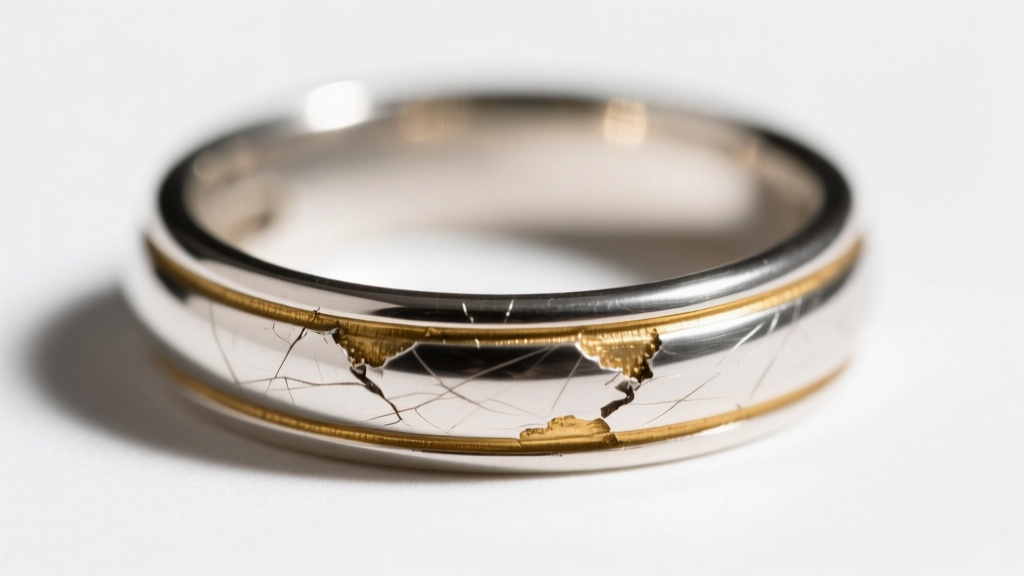
Another critical failure mode occurs when cloths are used on intentionally oxidized silver. Many contemporary designers use liver of sulfur to create dark, contrast-rich crevices in sterling silver jewelry. Using a treated cloth with high abrasive action will strip this intentional patina, flattening the visual depth of the design and leaving the piece looking flat and overly bright.
Maintenance and Lifecycle of Treated Cloths
To maximize the lifespan and safety of your polishing materials, strict adherence to care protocols is required. A common mistake that destroys the chemical efficacy of treated cloths is washing them. Water and laundry detergents strip the impregnated jeweler's rouge and anti-tarnish agents from the cotton fibers, rendering the cloth useless for chemical reduction and leaving behind a fabric that can trap hard-water minerals, which may scratch the silver.
Expert Rule of Thumb: Never wash an impregnated silver polishing cloth. As the cloth turns dark gray or black, it is simply holding the removed silver sulfide. It is still safe to use until the fibers become stiff or begin to shed lint. Conversely, untreated microfiber cloths should be washed regularly in warm water without fabric softener to release trapped oils and tarnish particles from the fiber wedges.
Synergy with Proper Storage Environments
The efficacy of any jewelry silver polishing cloth is heavily dependent on how the jewelry is stored between wearings. Polishing should be the final step, not the primary defense against tarnish. Storing 925 sterling silver in anti-tarnish flannel pouches or utilizing activated carbon and silver-chloride intercept strips in your jewelry box will drastically reduce the formation of $Ag_2S$. By minimizing the initial tarnish buildup, you reduce the need for aggressive mechanical friction, thereby preserving the microscopic surface finish of your precious metals for decades to come.


