Best Silver Wire for Jewelry: 2026 Value & Cost Guide
Discover the true cost of silver wire for jewelry in 2026. Compare gauge, temper, and bulk pricing to maximize your metalsmithing budget.

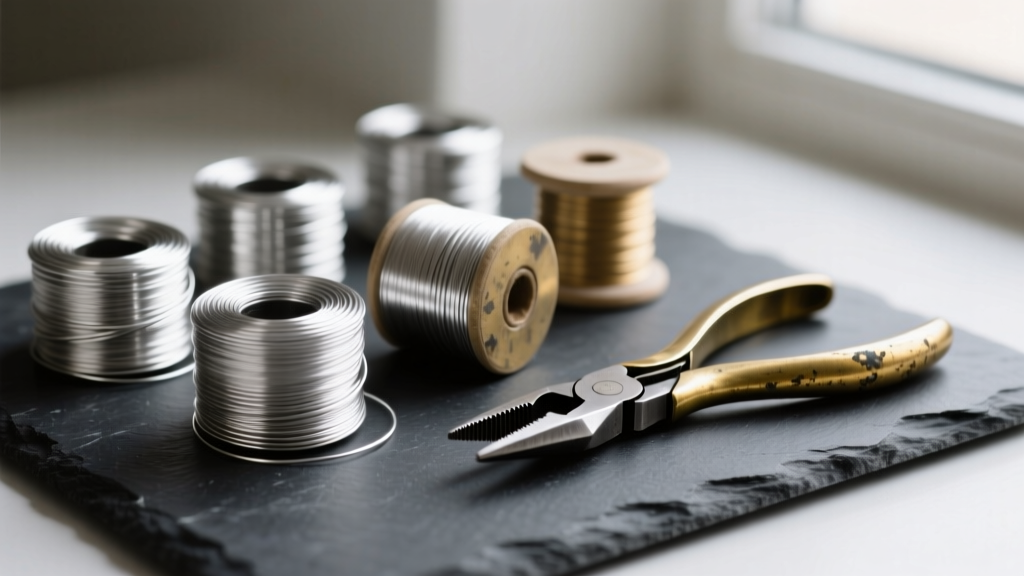
The True Cost of Silver Wire for Jewelry in 2026
When sourcing materials for your bench, understanding the pricing structure of silver wire for jewelry is just as critical as mastering your sawing technique. In 2026, with global silver spot prices experiencing notable volatility, jewelers can no longer afford to buy wire blindly based on retail spool prices. The fundamental rule of precious metal pricing is that you are paying for two distinct things: the intrinsic melt value (spot price) and the fabrication fee (the labor and machinery cost to draw the metal into a specific gauge).
According to real-time precious metal trackers like Kitco, the spot price of silver dictates the baseline. However, a 1-troy-ounce spool of 20-gauge wire at a local bead shop might cost $75, while the melt value of that same ounce is only around $32. That $43 difference is the retail markup and fabrication charge. To maximize your budget, you must learn to manipulate these variables by buying strategically based on gauge, temper, and alloy composition.
Sterling vs. Fine Silver: Where to Allocate Your Budget
Not all silver wire is created equal, and choosing the wrong alloy for your specific technique is a fast way to drain your materials budget. Fine silver (99.9% pure) and Sterling silver (92.5% silver, 7.5% copper) behave entirely differently on the bench, which directly impacts their value proposition.
- Fine Silver (999): Because it lacks copper, fine silver does not tarnish as quickly and does not develop firescale when soldered. It is inherently softer, making it the absolute best choice for bezel wire and intricate wire weaving. Budget Tip: Fine silver is often slightly cheaper per ounce than sterling because it skips the alloying process, but it is harder to find in half-hard tempers.
- Sterling Silver (925): The copper addition provides crucial tensile strength. You must use sterling for structural components like ear wires, jump rings, and clasps. Budget Tip: Because sterling is the industry standard, it is widely available in bulk, driving the fabrication costs down compared to niche fine silver gauges.
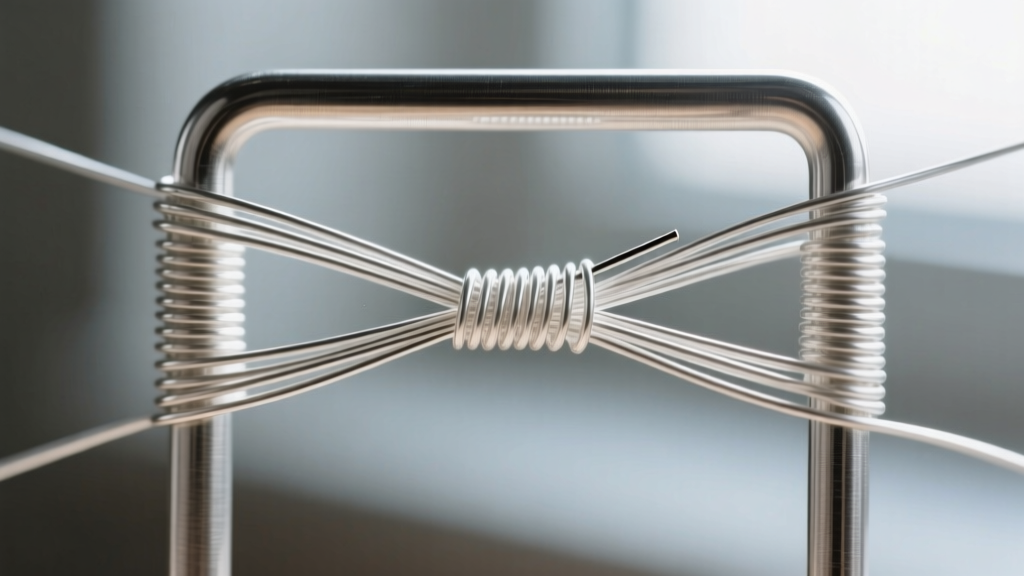
Gauge and Temper: How Specifications Dictate Price
The physical dimensions of your silver wire for jewelry drastically alter the fabrication fee. Wire is created by pulling a thick silver rod through a series of progressively smaller holes in a draw plate. The thinner the final wire, the more times it must be drawn, and the more frequently it must be annealed (heated to soften) to prevent snapping. Therefore, thinner gauges carry a much higher fabrication premium per ounce than thicker gauges.
Similarly, temper (the hardness of the metal) affects the price. Dead soft wire has been fully annealed. Half-hard wire has been slightly work-hardened or drawn to a specific tension. Full-hard and spring-hard wires require specialized rolling and tensioning. Below is a 2026 estimated breakdown of what you can expect to pay per troy ounce based on gauge and purchasing volume.
| Gauge (AWG) | Diameter (mm) | Primary Bench Use | Est. Retail $/oz (2026) | Est. Bulk $/oz |
|---|---|---|---|---|
| 28 | 0.32 | Weaving, Coiling, Micro-Macrame | $85 - $115 | $55 - $68 |
| 24 | 0.51 | Wire Wrapping, Small Jump Rings | $65 - $85 | $45 - $55 |
| 20 | 0.81 | Ear Wires, Standard Links | $55 - $75 | $40 - $48 |
| 16 | 1.29 | Clasps, Thick Frames, Bangles | $48 - $60 | $36 - $42 |
| 12 | 2.05 | Heavy Forging, Ring Shanks | $42 - $55 | $34 - $39 |
Dead Soft vs. Half-Hard: Avoiding Costly Mistakes
One of the most expensive mistakes a junior jeweler can make is buying dead soft wire for structural components, or half-hard wire for tight weaving. Metal has memory. If you use dead soft 20-gauge wire to make French ear wires, they will easily bend out of shape when the wearer puts them on. To fix this, you will have to work-harden them by tumbling or hammering, which adds labor time—and in a jewelry business, time is your most expensive overhead.
Conversely, if you buy half-hard 28-gauge wire for weaving around a cabochon, the wire will resist bending, kink easily, and snap under tension, forcing you to throw away ruined segments. Always match the temper to the technique:
The Bench Rule: Buy dead soft for any wire that will make sharp bends, loops, or woven wraps. Buy half-hard for any wire that needs to hold its shape against physical stress, like clasps, prongs, and ear wires.
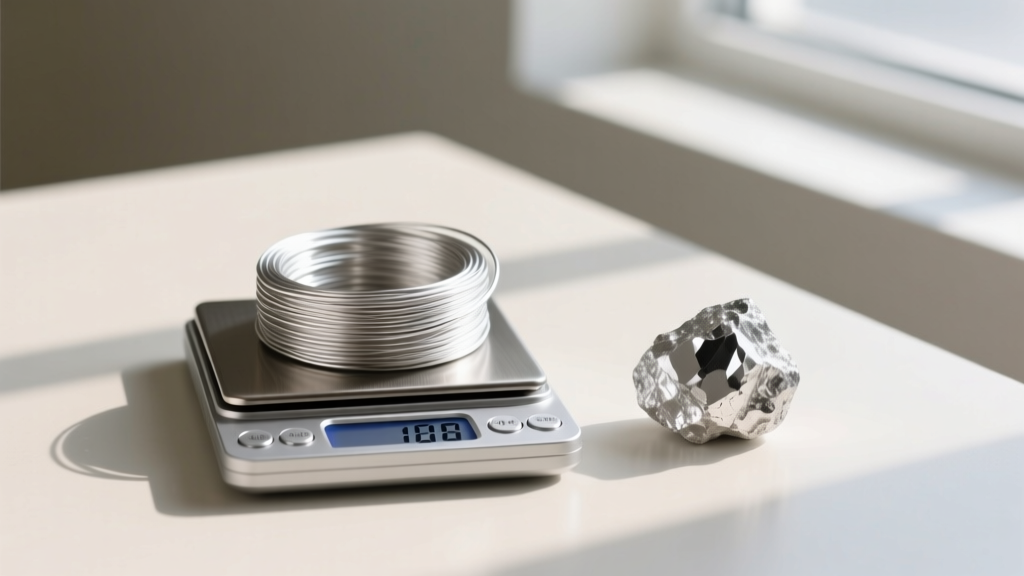
Bulk Buying vs. Retail: The Break-Even Point
Where you buy your silver wire for jewelry determines your profit margins. Retail spools (usually 10 to 20 feet) from craft stores or local bead shops carry markups of 200% to 400% over spot. This is acceptable for hobbyists who need a few feet of 22-gauge wire for a weekend project. However, for production jewelers, this model is financially unsustainable.
Industry-standard suppliers like Rio Grande or direct-from-refiner platforms offer wire by the troy ounce (ozt). Buying by weight rather than length eliminates the arbitrary retail spool markup. The break-even point for setting up a wholesale account usually occurs when your monthly metal spend exceeds $250. Once you cross that threshold, the 20% to 30% savings on fabrication fees will easily cover the cost of a digital jewelry scale and a proper storage system to prevent tarnish.
Verifying Authenticity: Protecting Your Investment
As silver prices rise, the market is flooded with counterfeit wire, particularly on third-party e-commerce marketplaces. Silver-plated copper wire is frequently mislabeled as solid sterling. To protect your budget and your reputation, you must verify your stock. Use a digital caliper to ensure the gauge matches the listing (plated wire often runs slightly thick to mimic the weight of silver). Furthermore, perform a specific gravity test on your bulk coils, or use a precious metal verifier (like the Sigma Metalytics machine) if you are purchasing high-volume lots from secondary market sellers. For comprehensive metallurgical testing standards and bench practices, the educational archives at Ganoksin remain an invaluable resource for professional jewelers.
Final Verdict: Maximizing Your Wire Budget
Sourcing the best silver wire for jewelry in 2026 requires a shift from thinking like a consumer to thinking like a metalsmith. Track the spot price, calculate the fabrication premium based on the gauge you need, and always align the temper with your specific bench technique. By shifting from retail spools to bulk, weight-based purchasing for your most-used gauges (like 20g and 24g sterling), you can reclaim up to 40% of your materials budget—capital that is much better spent on high-quality gemstones or marketing your finished collections.


