What 925 Jewelry Means: A Beginner's Guide to Sterling Silver
Discover what 925 jewelry actually means. Learn how to read silver stamps, spot fakes, understand pricing, and prevent tarnish like a pro.

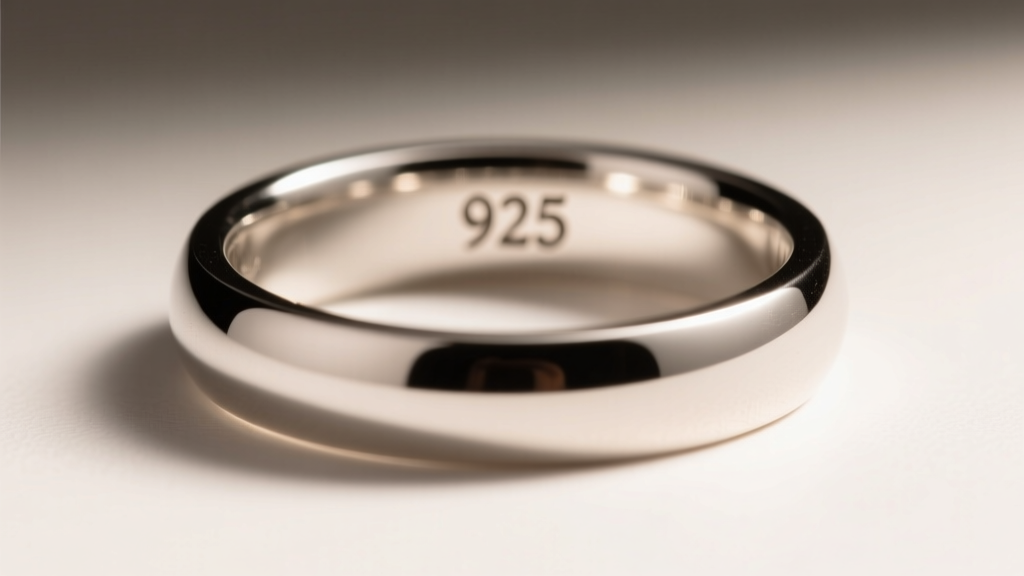
If you have ever shopped for silver accessories, you have undoubtedly encountered the term '925 jewelry.' It is stamped on the inside of rings, etched onto the clasps of necklaces, and printed on countless product descriptions. But for beginners navigating the vast jewelry market, this three-digit number can feel like an exclusive industry code. Is it a brand? A purity grade? A manufacturing location?
In this comprehensive beginner-friendly explainer, we will demystify the 925 hallmark. We will explore the exact metallurgy behind the stamp, teach you how to authenticate your pieces at home, break down realistic pricing benchmarks, and share a chemist’s approach to keeping your silver brilliantly polished for decades.
The Metallurgy Behind the Mark: Why 92.5%?
To understand 925 jewelry, you first need to understand the physical limitations of pure silver. Fine silver, which is 99.9% pure (often stamped as 999), is exceptionally beautiful and highly resistant to tarnish. However, it is also incredibly soft. On the Vickers hardness scale (HV), fine silver scores a mere 25 HV. If you were to craft a daily-wear ring or a delicate chain out of fine silver, it would bend, scratch, and lose its structural integrity within weeks.
To solve this, metallurgists created sterling silver. By alloying 92.5% pure silver with 7.5% other metals—most commonly copper—the resulting material achieves a Vickers hardness of roughly 65 to 70 HV. This nearly triples the durability of the metal, making it robust enough to secure gemstone prongs, withstand the tension of a chain link, and survive daily wear and tear. According to The Silver Institute, this 92.5% ratio has been the global standard for sterling silver since the 12th century, originating in Europe to ensure coinage and silversmithing maintained structural integrity without sacrificing the precious metal's intrinsic value.
The 7.5% alloy mixture is the secret to sterling’s strength, but it is also the culprit behind silver’s greatest weakness: tarnish. Pure silver does not easily react with oxygen, but copper reacts readily with moisture and sulfur in the environment, leading to the dark, dull patina that plagues neglected jewelry.
Decoding the Stamps: 925 vs. STER vs. 999
When inspecting your jewelry, the hallmark is your first line of defense against counterfeit metals. The Federal Trade Commission (FTC) strictly regulates how precious metals are stamped and marketed in the United States. Here is a breakdown of the most common stamps you will encounter:
| Stamp / Hallmark | Purity Level | Material Name | Best Use Case |
|---|---|---|---|
| 925, .925, STER | 92.5% Silver | Sterling Silver | Everyday rings, chains, earrings, gemstone settings |
| 999, FS | 99.9% Silver | Fine Silver | Investment bullion, bezel wire, soft ear wires |
| 925/1000 | 92.5% Silver | Sterling Silver | European hallmarking standard for sterling |
| EPNS, SP | Trace Silver | Silver-Plated | Costume jewelry, vintage silverware (not solid) |
| Argentium 935/960 | 93.5% - 96% Silver | Argentium Silver | Tarnish-resistant premium sterling alternative |
Pro Tip: If you see a stamp that simply reads 'Silver' or 'Tibetan Silver' without a numerical purity grade, proceed with caution. These are often base metal alloys (like zinc or nickel) that contain little to no actual precious metal.
3 Foolproof Ways to Authenticate 925 Jewelry at Home
While purchasing from reputable jewelers is always the safest route, knowing how to verify 925 jewelry at home is a crucial skill for thrifters and vintage collectors. Try these three non-destructive tests:
- The Neodymium Magnet Test: Silver is diamagnetic, meaning it does not attract to magnets. If you hold a strong neodymium magnet to your chain and it snaps to the metal, you are holding a ferromagnetic base metal like steel or iron, heavily plated in silver. Note: The clasp mechanisms (like the internal spring in a lobster clasp) are often made of steel, so test the chain links or the main body of the ring, not the clasp.
- The Ice Cube Thermal Test: Silver possesses the highest thermal conductivity of any common metal (429 W/m·K). Place a standard ice cube directly on top of a silver coin or a thick silver pendant. The ice should begin melting almost instantaneously, far faster than it would on a countertop or a piece of stainless steel. The silver will also become freezing cold to the touch within seconds as it rapidly pulls heat from the surrounding environment.
- The Polishing Cloth Test: Take a clean, white microfiber cloth and vigorously rub a tarnished area of the jewelry. If the cloth comes away with distinct black or dark grey streaks, that is silver sulfide (tarnish) being removed, which is a strong indicator of real silver. If the cloth remains perfectly clean despite the piece looking 'dark,' the item is likely rhodium-plated base metal or stainless steel mimicking silver.
The Real Cost of Sterling: Pricing Benchmarks
One of the most common beginner mistakes is overpaying for mass-produced 925 jewelry or underpaying for solid, heavyweight pieces. Because silver is a commodity traded on global markets, the baseline price of 925 jewelry is heavily dictated by its gram weight, combined with the labor required to craft it. Here are realistic pricing benchmarks for solid 925 sterling silver:
- Lightweight Box Chain (1mm - 1.5mm, 18 inches): $25 to $45. These are delicate and prone to snapping if caught on clothing.
- Medium Rope or Curb Chain (2.5mm - 3mm, 20 inches): $60 to $120. The sweet spot for daily wear pendant chains.
- Heavyweight Solid Curb Chain (5mm+, 22 inches): $200 to $450+. If you see a thick, heavy chain selling for $40, it is almost certainly hollow electroformed silver or silver-plated brass.
- Solid Signet Ring (8 to 12 grams): $90 to $180. Always check the gram weight of rings; many cheap 'chunky' rings are hollowed out underneath to save on material costs.
Preventing the Blackening: A Chemist’s Approach to Tarnish
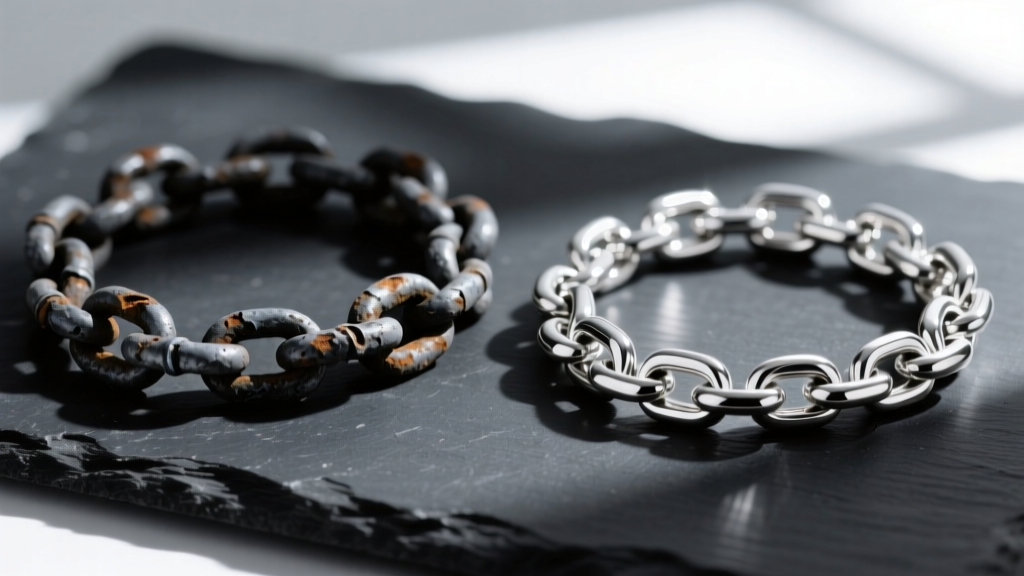
Tarnish is not a sign that your 925 jewelry is fake; it is a chemical certainty. When the copper in sterling silver is exposed to hydrogen sulfide (H2S) in the atmosphere—caused by pollution, humidity, wool, and even certain foods like eggs and onions—it forms a layer of silver sulfide (Ag2S) on the surface.
'The best way to manage silver tarnish is not to aggressively polish it away after it forms, but to control the micro-climate where the jewelry is stored.' — Master Silversmith Conservation Guidelines
To protect your investment, abandon the myth of using toothpaste or baking soda pastes. These are highly abrasive and will scratch the silver, creating micro-grooves that actually trap moisture and accelerate future tarnishing. Instead, adopt this three-step preservation protocol:
- Chemical Absorption: Store your 925 jewelry in an airtight ziplock bag or a sealed jewelry box containing 3M Anti-Tarnish strips. These strips absorb ambient sulfur compounds before they can reach your metal.
- Moisture Control: Toss a small silica gel packet into your jewelry drawer or storage bag. Lowering the relative humidity drastically slows down the copper oxidation process.
- Safe Polishing: When light tarnish does appear, use a treated jeweler's cloth (such as a Sunshine Cloth). These cloths are impregnated with microscopic polishing agents and silver-cleaning chemicals that lift tarnish without scratching the underlying alloy.
Understanding what 925 jewelry means transforms you from a passive buyer into an informed collector. By recognizing the metallurgy, verifying the stamps, and respecting the chemistry of sterling silver, you can build a jewelry wardrobe that retains its brilliance and value for a lifetime.


