How to Choose Silver Jewelry Sets: A Buyer's Guide
Discover what to look for when buying silver jewelry sets. Learn about 925 hallmarks, plating thickness, pricing, and how to spot authentic sterling pieces.

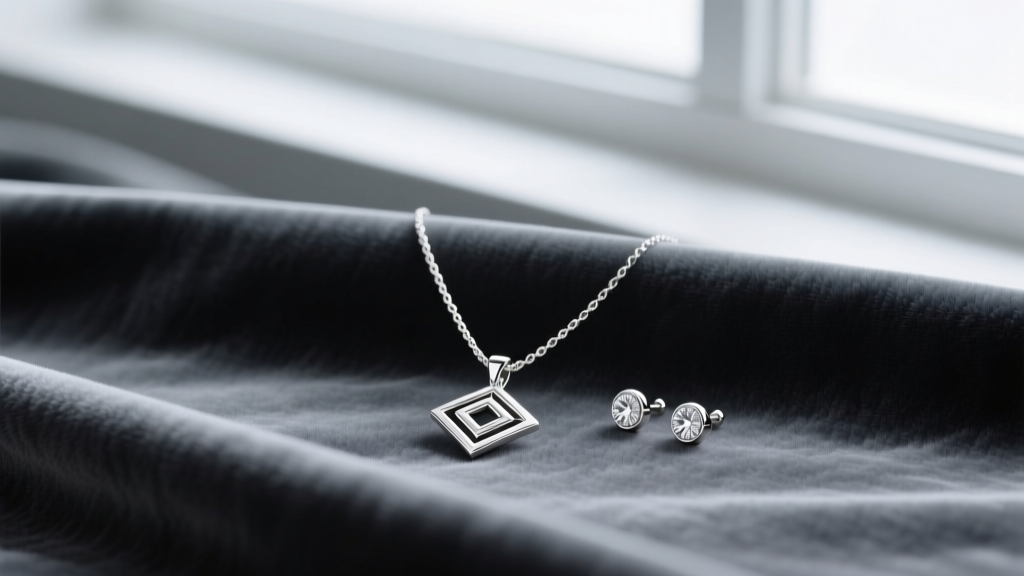
Understanding the Architecture of Silver Jewelry Sets
When investing in matching silver jewelry sets, buyers are often overwhelmed by the sheer volume of options, ranging from inexpensive fast-fashion accessories to heirloom-quality artisan pieces. A true jewelry set—historically referred to as a parure (a full matching set including necklace, earrings, bracelet, and brooch) or a demi-parure (a partial set, typically necklace and earrings)—requires a unified design language and consistent metallurgical quality. In 2026, the market is flooded with misleading terminology, making it crucial to look past the aesthetic and examine the structural integrity of the pieces. According to the Gemological Institute of America (GIA), silver is a highly malleable precious metal, meaning the alloy composition and hardware choices dictate whether your set will last a lifetime or tarnish and break within months.
Parure vs. Demi-Parure: Sizing and Proportions
When evaluating a set, pay close attention to the proportional weight of the items. A common failure mode in poorly manufactured demi-parures is a heavy, statement-style necklace paired with flimsy, lightweight earrings. This not only creates a visual imbalance but indicates that the manufacturer used different casting molds or wire gauges to cut costs. High-quality sets maintain a consistent wire thickness and gemstone bezel depth across all components.
Metallurgy Matters: 925, Fine Silver, and Argentium
Not all silver is created equal. Pure silver (99.9% fine silver) is too soft for functional jewelry hardware; a fine silver lobster clasp would bend open under the slightest tension. Therefore, alloying is necessary. Here is how the primary silver alloys compare when used in coordinated sets:
| Alloy Type | Composition | Best Use in Sets | Tarnish Resistance |
|---|---|---|---|
| 925 Sterling | 92.5% Silver, 7.5% Copper | Standard chains, cast pendants, hoop earrings | Low (Requires regular polishing) |
| Argentium Silver | 93.5%+ Silver, Germanium | High-end bridal sets, everyday wear chains | Very High (Highly tarnish-resistant) |
| 999 Fine Silver | 99.9% Pure Silver | Bezel wire, decorative accents only | High (Does not tarnish easily) |
| 800 Silver | 80% Silver, 20% Copper | Vintage European sets, heavy bangles | Very Low (Tarnishes rapidly) |
For a modern buyer, Argentium silver is often the superior choice for a matching set, as the addition of germanium creates a protective transparent oxide layer that drastically reduces maintenance.
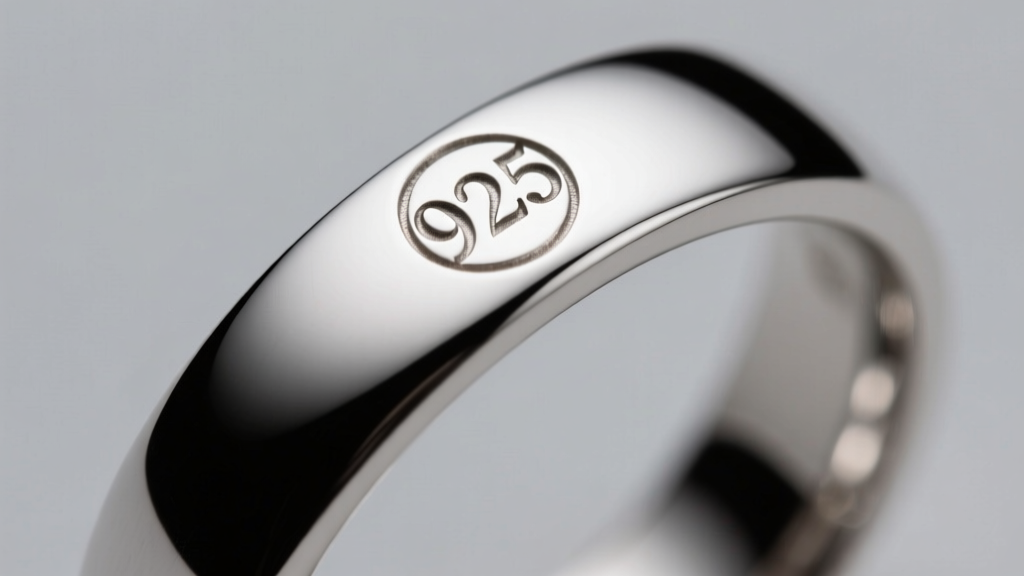
Decoding Hallmarks and Authenticity Stamps
The Federal Trade Commission (FTC) strictly regulates precious metal markings in the United States. A legitimate sterling silver set must bear a quality stamp, such as '925', 'STER', or 'Sterling', alongside a manufacturer's trademark. However, in matching sets, you must inspect every single piece. It is a common deceptive practice for a manufacturer to stamp the primary necklace pendant with '925' while using silver-plated base metal for the accompanying earrings and bracelet to save on material costs.
- Necklace: Check the small metal tag attached near the clasp or the back of the pendant bail.
- Earrings: Look on the flat back of the stud or the inside curve of a hoop. If the post is soldered, the post itself should ideally be stamped or marked as sterling.
- Bracelet: Inspect the inside of the clasp box or the final jump ring.
The Truth About Plating and Tarnish Resistance
Many 925 sterling silver sets are plated with rhodium or platinum to provide a bright, white-gold-like finish and prevent tarnishing. When buying a plated set, the thickness of the plating is the most critical metric. 'Flash plating' is a microscopic layer (often less than 0.1 microns) that will wear off within weeks of friction against the skin. You want to look for 'heavy electroplating' or vermeil standards, which dictate a minimum thickness of 2.5 microns. If a retailer cannot provide the micron thickness of their rhodium plating, assume it is a cheap flash coat that will quickly reveal the oxidizing copper alloy beneath.
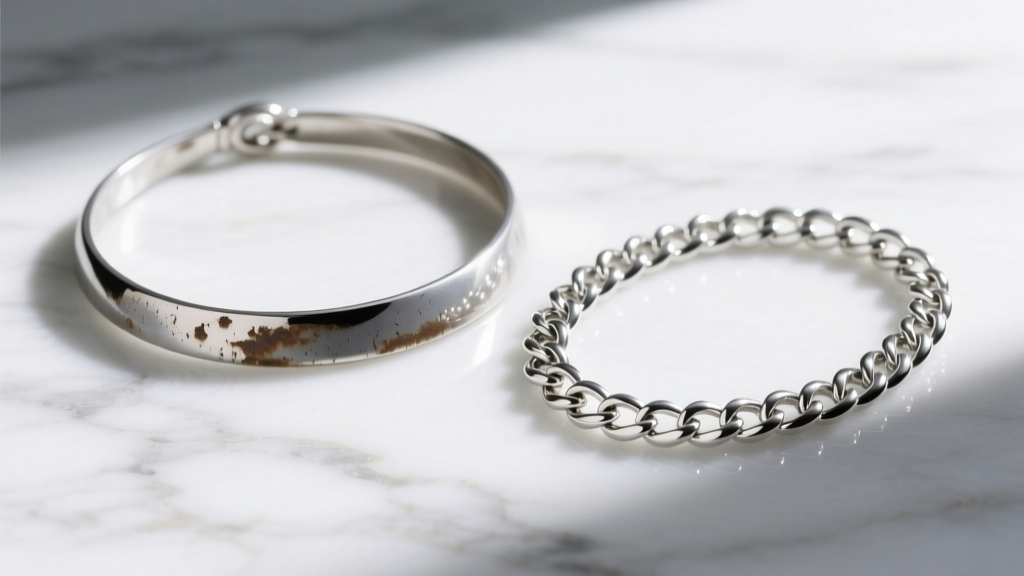
Hardware and Structural Failure Modes
The weakest points of any silver jewelry set are the mechanical connections. Because silver is relatively soft, hardware must be engineered with specific gauges to prevent structural failure.
Expert Insight: Never purchase a heavy sterling silver chain set that utilizes spring-ring clasps. Spring rings rely on a tiny internal steel spring that frequently fails, and the thin silver outer shell can easily crush. Always insist on solid cast lobster clasps or magnetic locking clasps for necklaces and bracelets exceeding 15 grams in weight.
Furthermore, examine the jump rings connecting the pendants and clasps. In high-quality sets, these jump rings are either soldered shut or made from thick 16-gauge or 18-gauge wire. If you see a gap in a thin 22-gauge jump ring, the chain will eventually pull apart under the weight of the pendant. For earrings, ensure the posts are at least 20-gauge (0.8mm), though 18-gauge (1.0mm) is vastly superior for preventing the posts from bending when you insert them.
Pricing Framework: What to Expect
Pricing for silver sets varies wildly based on manufacturing origin, gemstone inclusions, and brand prestige. As a baseline for 2026, a genuine 925 sterling silver demi-parure (necklace and earrings) with no gemstones should range between $65 and $150. If the set includes semi-precious stones like turquoise or amethyst, expect to pay $150 to $350. Full parures from artisan silversmiths utilizing Argentium silver and hand-set stones will reliably start at $450 and can exceed $1,200. Anything advertised as a 'solid 925 matching set' for under $30 is almost certainly silver-plated brass or copper, regardless of the stamps present.
Your Pre-Purchase Checklist
Before adding a silver jewelry set to your cart, run it through this final quality assurance checklist:
- Hallmark Audit: Are all three (or more) pieces individually stamped with 925 or Argentium marks?
- Clasp Integrity: Does the necklace use a sturdy lobster or box clasp rather than a fragile spring ring?
- Post Thickness: Are the earring posts thick enough (18g or 20g) to resist bending?
- Plating Disclosure: If rhodium-plated, does the seller disclose a thickness of at least 1.5 to 2.5 microns?
- Jump Ring Security: Are the connecting rings thick (18g+) or soldered shut to prevent stretching?
By prioritizing metallurgical transparency and structural hardware over fleeting trends, you ensure your silver jewelry set remains a cohesive, durable staple in your collection for decades.


