Chunzu Silver Jewelry: Technical Alloy Analysis & Quality Review
An expert technical review of Chunzu silver jewelry, analyzing 925 alloy composition, rhodium plating thickness, clasp durability, and tarnish resistance.

Market Positioning and the Direct-to-Consumer Silver Boom
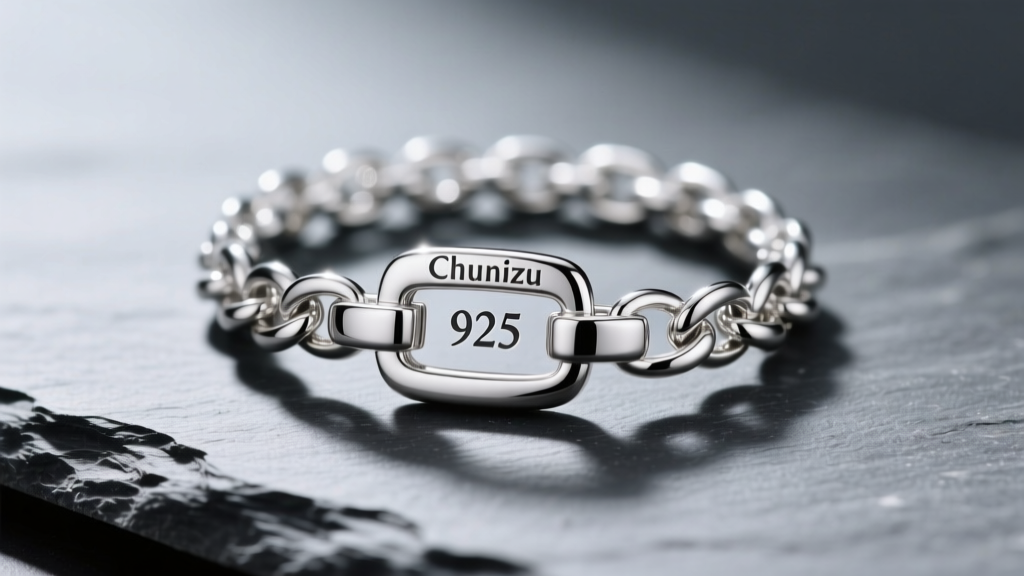
As the global jewelry market continues to shift toward digital-first storefronts in 2026, marketplace brands like Chunzu have captured significant market share by offering accessible sterling silver pieces. However, for metallurgists, bench jewelers, and informed consumers, the label "925 sterling" is merely a starting point, not a guarantee of longevity. Chunzu silver jewelry occupies a specific tier in the market: mass-produced, cast-in-place jewelry that prioritizes aesthetic trends and immediate visual appeal over generational durability. To truly understand the value proposition and physical limitations of these pieces, we must bypass marketing copy and examine the metallurgical realities, surface treatments, and structural engineering inherent in their manufacturing process.
Metallurgical Breakdown: The 925 Standard vs. Reality
By definition, sterling silver must contain a minimum of 92.5% pure silver and 7.5% alloying metals, a standard strictly regulated by the Federal Trade Commission (FTC). In Chunzu's manufacturing ecosystem, copper is the exclusive alloying agent used to achieve the necessary Vickers hardness (typically 65-75 HV) for casting and stone setting.
Copper Content and Tarnish Propensity
While copper provides essential structural integrity, it is also the primary catalyst for silver sulfide formation (tarnish). Chunzu utilizes standard investment casting techniques for their rings and pendants. During the burnout phase of the casting flask, if the oxygen environment is not perfectly controlled, the copper within the 7.5% alloy matrix can oxidize, leading to microscopic subsurface porosity. This porosity does not necessarily compromise the immediate structural integrity of a ring shank, but it increases the surface area exposed to atmospheric sulfur, accelerating the tarnishing process compared to vacuum-cast or continuously extruded silver.
Surface Treatments: Rhodium and E-Coating Analysis
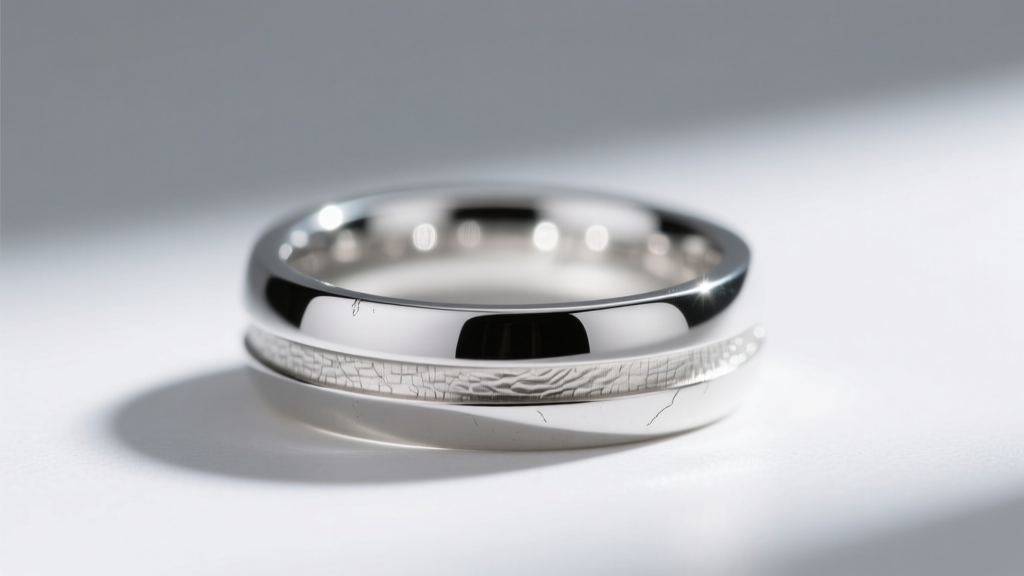
To combat the inherent tarnish susceptibility of cuprous sterling alloys, Chunzu silver jewelry relies heavily on electroplating and polymer sealing. Understanding the exact micron thickness of these layers is critical for predicting the lifespan of the jewelry's finish.
Plating Architecture
Direct silver-to-rhodium plating often results in poor adhesion and a dull, grayish hue. Therefore, Chunzu typically employs a multi-strike plating process. The base 925 silver is first polished, then subjected to a copper or brass strike to level microscopic casting lines, followed by a palladium or nickel barrier layer (though nickel is increasingly phased out due to EU REACH compliance), and finally capped with rhodium.
| Jewelry Tier | Plating Thickness | Expected Wear Life (Daily Use) | Common Failure Mode |
|---|---|---|---|
| Fast Fashion (Sub-$20) | 0.05 - 0.10 µm (Flash) | 1 - 3 Months | Immediate friction wear, galvanic peeling |
| Chunzu Silver Jewelry | 0.15 - 0.35 µm (Light Standard) | 6 - 14 Months | Gradual thinning at high-contact edges |
| High-End Boutique | 0.50 - 1.50 µm (Heavy) | 3 - 5+ Years | Micro-scratching, eventual polish-through |
The Role of E-Coating
Because 0.15 to 0.35 microns of rhodium will eventually wear through on high-friction areas (like the interior of a ring band or the links of a bracelet), Chunzu frequently applies an electrophoretic e-coat. This nano-polymer resin seals the metal in a microscopic, transparent layer. While highly effective at preventing silver sulfide formation for the first year, e-coatings are susceptible to degradation from cosmetic chemicals, high pH soaps, and UV exposure. Once the polymer matrix breaks down, the underlying rhodium and silver are exposed to rapid, localized oxidation.
Structural Integrity: Clasps, Prongs, and Soldering
The true test of any mass-market jewelry brand lies in its mechanical findings and stone-setting durability. According to the Gemological Institute of America (GIA), silver's relative softness makes it a challenging metal for securing faceted stones over long periods. Chunzu mitigates this through specific design choices.
Failure Modes in Chunzu Chains and Rings
- Clasp Springs: Chunzu lobster clasps and spring rings are manufactured with internal steel tension springs. Because steel is ferromagnetic, these clasps will react to a neodymium magnet. This is an industry-standard practice, but it means the clasp assembly is not entirely precious metal, and the steel spring is a prime candidate for rust if exposed to prolonged moisture.
- Jump Ring Soldering: On lighter cable and rolo chains, the jump rings connecting the clasp are often flash-soldered or laser-welded. Under tensile stress (e.g., snagging a pendant), the heat-affected zone of the solder joint is the most common point of catastrophic failure.
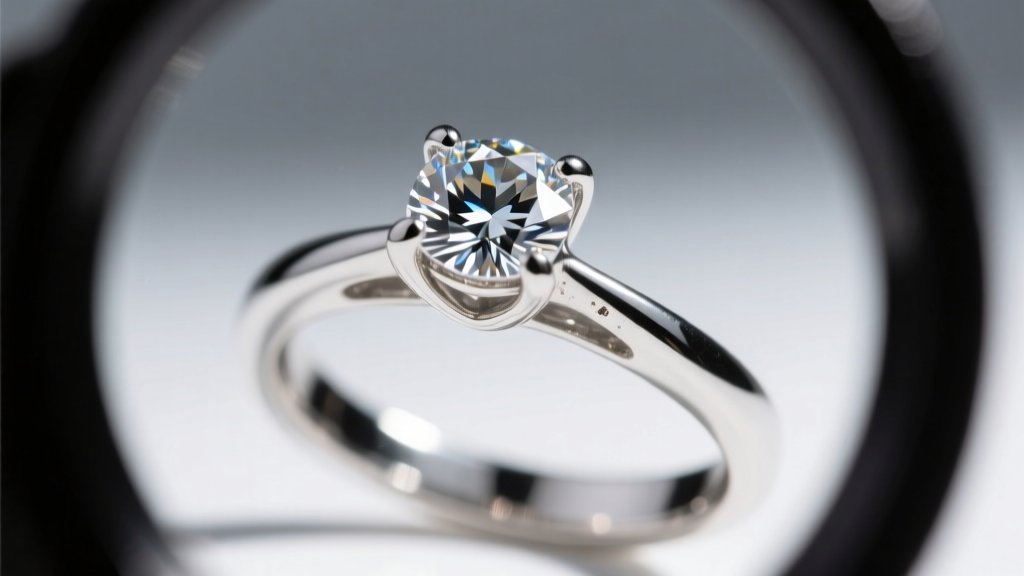
- Prong Wear: For rings featuring cubic zirconia or lab-created gemstones, Chunzu utilizes cast-in-place prongs rather than hand-tipped wire prongs. Cast silver prongs are inherently more brittle and porous. Over 18 to 24 months of daily wear, the friction from clothing can thin these prongs, leading to stone loss.
Authenticity Testing: Verifying Chunzu Pieces
Given the proliferation of counterfeit marketplace listings in 2026, verifying the authenticity of Chunzu silver jewelry requires moving beyond the standard "925" stamp, which can be easily forged. Bench jewelers and serious collectors utilize a tiered testing methodology to verify material composition without destroying the piece.
Non-Destructive Verification Methods
The most definitive method for analyzing Chunzu pieces is X-ray Fluorescence (XRF) spectrometry. An XRF gun can penetrate the rhodium and e-coat layers to read the elemental matrix below. A genuine Chunzu 925 piece will return a reading of approximately 92.3% to 92.8% Silver (Ag), 7.0% to 7.5% Copper (Cu), and trace elements of Zinc (Zn) or Tin (Sn) used as deoxidizers during the initial melting phase.
For consumers without access to XRF technology, specific gravity testing is highly effective. Pure 925 sterling silver has a specific gravity of roughly 10.36. By weighing the piece in air and then suspended in distilled water, you can calculate the density. If a heavy Chunzu pendant yields a specific gravity below 9.8, it is highly likely that the core is composed of brass or cupronickel, with only a thick silver plating on the exterior.
Final Verdict: Value Proposition in 2026
Chunzu silver jewelry represents a highly optimized intersection of aesthetic trendiness and accessible metallurgy. From a technical standpoint, their use of standard 925 cuprous alloys, combined with light rhodium plating and polymer e-coatings, provides excellent initial brilliance and tarnish resistance. However, the structural realities of cast-in-place prongs and flash-soldered findings dictate that these pieces are best categorized as medium-term fashion jewelry rather than heirloom-grade artifacts. For consumers seeking stylish, affordable silver for seasonal wear or occasional use, Chunzu delivers reliable quality. For those seeking daily-wear pieces meant to withstand decades of friction and environmental exposure, understanding these technical limitations is essential for setting proper expectations and implementing proactive maintenance routines.


