Godinger Silver 1992 Jewelry Box: Value & Budget Assessment
Discover the true market value of a Godinger Silver 1992 jewelry box. We break down silver plate vs. sterling, pricing, and restoration costs.

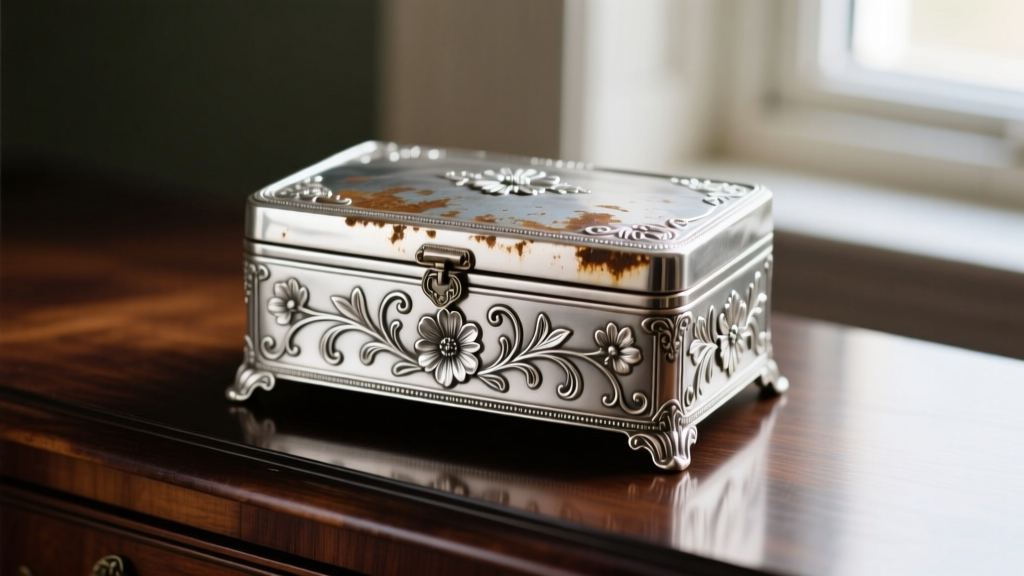
Estate sales, online auctions, and vintage home decor markets are frequently flooded with ornate metallic keepsakes, and one item that consistently catches the eye of collectors and bargain hunters alike is the Godinger Silver 1992 jewelry box. Whether you have inherited a heavy, intricately cast box or are browsing secondary markets for a vintage silver vessel to store your sterling silver rings, understanding the true market value and material composition is critical. In this 2026 budget and value assessment, we decode the hallmark confusion, analyze the secondary market pricing, and provide a strict framework for deciding whether to buy, sell, or restore these specific decorative pieces.
Decoding the Mark: The '1992' Hallmark Myth
Many buyers actively search for a 'godinger silver 1992 jewelry box' under the mistaken assumption that the number '1992' denotes the silver purity, much like '925' indicates sterling silver. This is a fundamental misunderstanding of antique and vintage silver marks that can lead to severe overpaying. Godinger Silver Art Co., a prominent manufacturer founded in 1973 by Godinger, primarily produced high-quality silver-plated items, alongside a much smaller selection of solid sterling pieces.
If your box is stamped '1992,' you are almost certainly looking at a copyright or design patent year for a specific collection mold (such as their heavily replicated Dublin, Belmont, or Baroque motifs), not a metal purity stamp. Alternatively, the '925' sterling mark may have been misread due to wear, heavy tarnish, or a poor factory strike. According to the comprehensive archives at 925-1000.com's silverplate directory, Godinger's standard marks include 'Godinger Silver Art,' '925' (for solid sterling), and 'Silver Plated' or 'EPNS.' Recognizing this distinction is the first step in an accurate budget assessment.
Material Composition: Silver-Plated vs. Sterling
To accurately assess your budget and the item's intrinsic value, you must determine the base material. Godinger is most famous for its heavy silver plate over brass, bronze, or white metal alloys, which gives their pieces a substantial, luxurious weight that mimics solid silver.
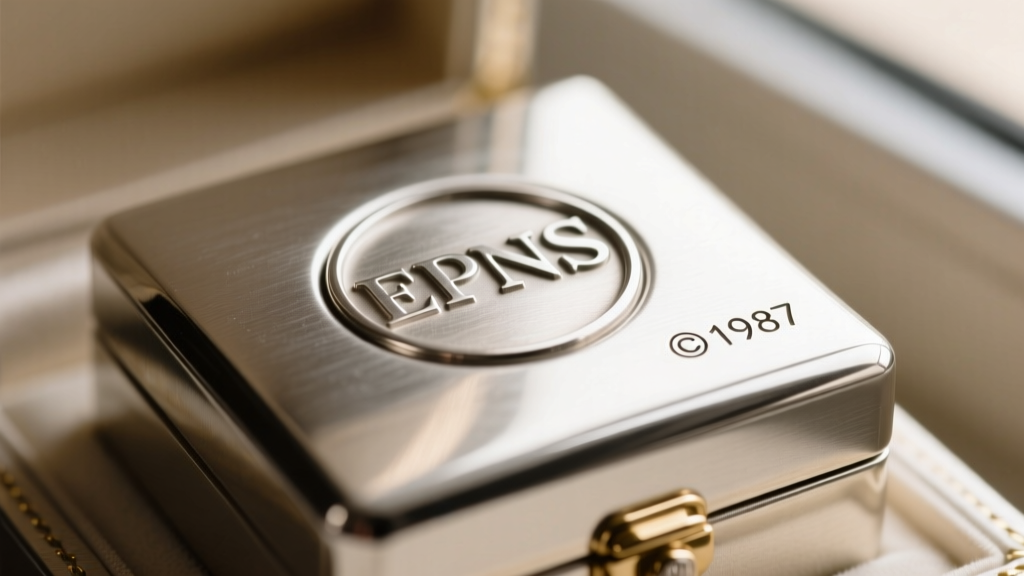
- Electroplated Nickel Silver (EPNS): Despite the word 'silver' in the name, EPNS contains zero elemental silver. It is a copper-nickel-zinc alloy plated with a microscopic layer of pure silver. Most Godinger boxes from the late 20th century fall into this category.
- Silver Overlay: Some premium Godinger pieces feature silver overlay, where a thicker layer of sterling is fused to a glass or ceramic base, though this is more common in their vases than jewelry boxes.
- Solid Sterling (925): If the box is genuinely stamped 925 and tests positive, it is solid sterling silver. These are significantly heavier in precious metal value but are rare in large, heavy-cast jewelry box formats due to the prohibitive cost of solid silver casting.
2026 Market Value & Pricing Tiers
The secondary market for vintage decorative silver has stabilized in 2026, with buyers prioritizing condition, aesthetic appeal, and interior functionality over raw melt value for plated items. Below is a structured pricing guide based on recent auction data, estate sale averages, and collector demand.
| Material / Mark | Condition | 2026 Estimated Resale Value | Target Buyer |
|---|---|---|---|
| EPNS / Silver Plate (1992 Patent) | Poor (Tarnish, velvet rot, missing feet) | $15 - $30 | Restorers, Prop Buyers |
| EPNS / Silver Plate (1992 Patent) | Good (Light wear, clean interior) | $45 - $85 | Home Decorators, Gift Buyers |
| EPNS / Silver Plate (1992 Patent) | Excellent (Pristine, original box/pouch) | $90 - $140 | Brand Collectors |
| Solid Sterling (925) | Good to Excellent | $180 - $450+ | Silver Investors, High-end Collectors |
Critical Value Depreciators
When evaluating a Godinger silver 1992 jewelry box, the exterior shine is only half the battle. The interior and structural integrity dictate the final resale price. Watch out for these specific failure modes:
- Velvet Lining Degradation: The synthetic velvet or felt used in the 1980s and 1990s often suffers from 'velvet rot,' becoming brittle, discolored, or harboring a musty odor. Re-lining a box professionally costs between $35 and $75, which often exceeds the value of a silver-plated piece.
- Hinge Misalignment: Heavy cast lids put immense stress on small brass hinges. If the lid wobbles or fails to close flush, the value drops by at least 30%.
- Silver Bleed (Strike-Through): On heavily polished EPNS boxes, the thin silver layer wears away on the high-relief floral or geometric patterns, revealing the yellowish brass or dark base metal beneath. This is permanent without professional re-plating.
Authentication and Testing Framework
Before handing over cash at an estate sale or antique mall, run these three non-destructive tests to verify the material and justify your budget. As highlighted in Invaluable's silver hallmark guide, counterfeit stamps and misread patents are common in the vintage market.
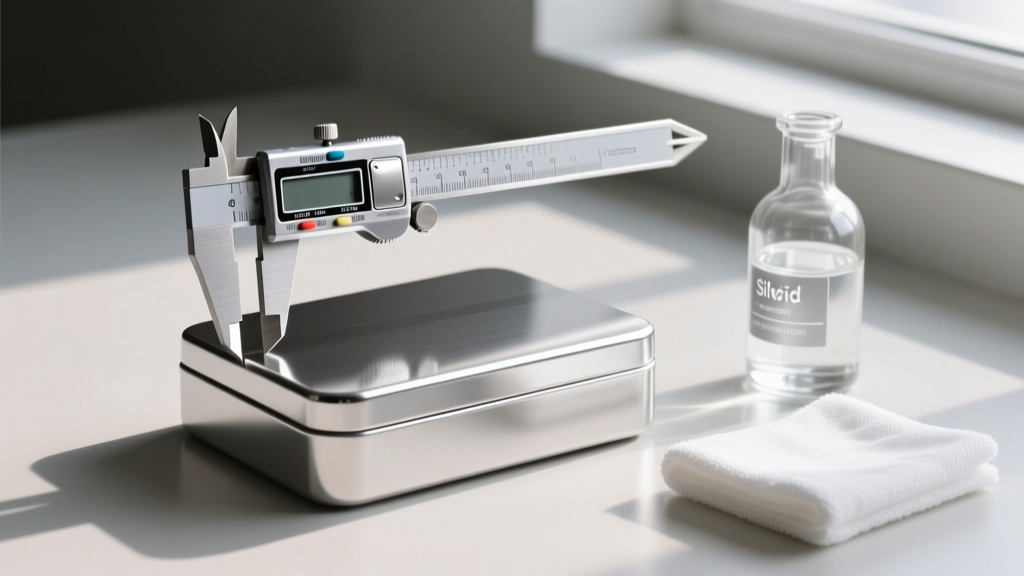
- The Magnet Test: Silver, brass, and copper are non-magnetic. If a strong neodymium magnet sticks to the body of the box, the core is likely steel or iron, indicating a lower-tier manufacturing process not typical of premium Godinger pieces.
- The Acoustic & Weight Test: Solid sterling silver has a distinct, high-pitched ring when gently tapped with a wooden stick, and it feels exceptionally dense. EPNS over brass will produce a duller, shorter 'clink' due to the alloy core.
- The XRF or Acid Test: For high-value purchases, an X-ray Fluorescence (XRF) scanner at a local jeweler will instantly reveal the elemental breakdown. If using a liquid acid test, always do it on the inside rim or bottom to avoid scarring the decorative exterior. A drop of Schwerter's solution will turn blood red on 925 sterling, but dark brown or green on EPNS or base metals.
Restoration vs. As-Is: A Budget Framework
A common dilemma for owners of a tarnished Godinger silver 1992 jewelry box is whether to invest in restoration. From a strict financial perspective, do not re-plate a silver-plated Godinger box. Professional silver electroplating services typically charge $8 to $15 per square inch. Given the intricate, high-relief surface area of a standard 6-inch Godinger box, re-plating can easily cost $150 to $250. Since a pristine EPNS box only retails for about $140, you will immediately lose money on the investment.
Instead, allocate a micro-budget of $15 to $25 for high-quality, non-abrasive cleaning supplies. Use a dedicated silver polish cream (like Wright's Silver Cream) and a soft microfiber cloth. Avoid harsh chemical dips like Tarn-X, which strip the factory patina, leave a harsh white glare, and can permanently damage the EPNS layer. If the velvet interior is ruined, purchase acid-free archival tissue paper to line the box instead of attempting a costly custom upholstery job. This preserves the piece for daily use while respecting the economic realities of vintage silver-plated decor.


