Milestone Gift Guide: Sterling Silver & How to Clean Silver Jewelry
Discover the ultimate milestone gift guide for sterling silver jewelry, plus expert techniques to clean silver jewelry and keep gifts pristine for decades.

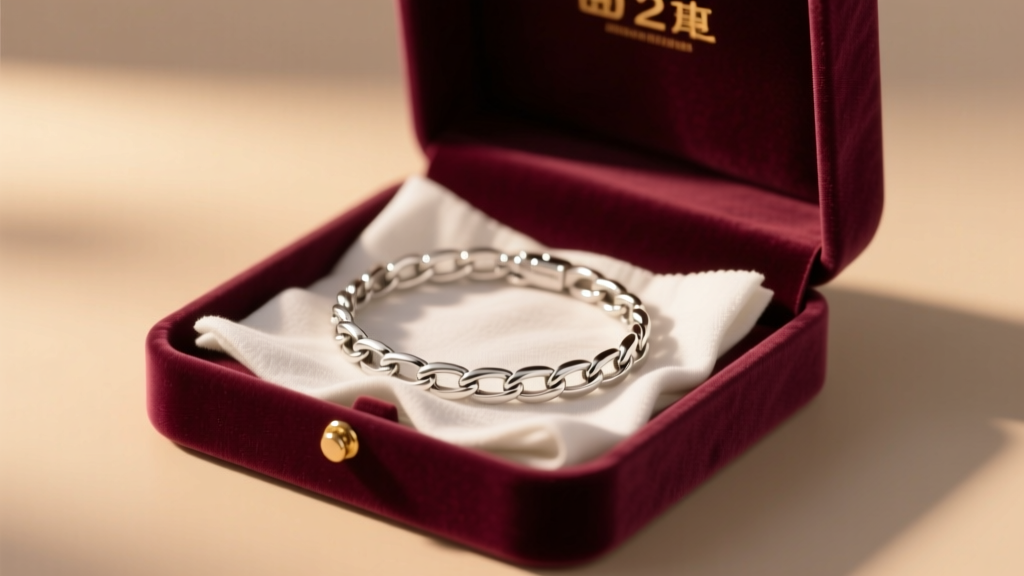
Gifting silver jewelry is a profound way to mark life’s most significant milestones. From 25th anniversaries to university graduations, silver carries a weight of tradition, elegance, and enduring value. However, unlike gold or platinum, silver is a reactive metal. It interacts with its environment, meaning that a pristine gift can quickly dull if the recipient doesn't know how to care for it. As we navigate the gifting landscape of 2026, the most thoughtful presents are those that come with education. This guide will help you select the perfect sterling silver piece for any occasion and provide a masterclass on how to clean silver jewelry so your gift remains breathtaking for generations.
The Metallurgy of Gifting: Choosing the Right Silver Alloy
Before selecting a piece, it is crucial to understand what you are actually buying. Pure silver (999 fine silver) is too soft for daily wear jewelry; it will scratch, bend, and lose its shape within weeks. Therefore, jewelers alloy it with other metals for durability.
- 925 Sterling Silver: The global standard. Composed of 92.5% pure silver and 7.5% copper. The copper adds immense tensile strength but is also the culprit behind tarnish, as copper reacts with sulfur and moisture in the air.
- 950 Britannia Silver: Contains 95% silver and 5% copper. It is noticeably softer than 925, making it ideal for intricate castings and heavy, hammered cuffs, but less suitable for delicate prong-set rings.
- Argentium Silver: A modern marvel where some of the copper is replaced with germanium. This creates a transparent germanium oxide layer on the surface, making it highly tarnish-resistant and brilliantly white. It is an excellent, albeit more expensive, choice for low-maintenance gifts.
Occasion Matching: Milestones and Specifications
Matching the jewelry piece to the specific milestone ensures the gift feels intentional. Below is a framework for selecting the right silver specifications based on the occasion.
| Milestone | Recommended Piece | Specifications & Details | Budget Range |
|---|---|---|---|
| 5th Anniversary | Heavy Cuff Bracelet | 14-16 gauge solid 925 silver, 1-inch width, hammered finish | $150 - $350 |
| 25th Anniversary | Figaro or Cuban Chain | 4mm - 6mm width, rhodium-plated lobster clasp for durability | $250 - $600 |
| Graduation | Signet Ring | 950 Britannia silver, 10k-14k gold vermeil crest, custom engraving | $120 - $280 |
| 21st Birthday | ID or Curb Bracelet | 3mm width, 7.5-inch length, secure box clasp with safety catch | $90 - $200 |
The Traditional Silver Anniversary (25 Years)
The 25th anniversary is universally recognized as the silver anniversary. For this milestone, avoid delicate, trend-driven pieces. Opt for substantial, heirloom-quality items. A 5mm sterling silver Cuban link chain or a heavy, hand-forged cuff bracelet carries the physical weight that matches the emotional weight of a quarter-century together. Ensure the clasp is rhodium-plated or crafted from white gold, as standard silver clasps can wear down and fail over decades of use.
Graduations and Coming-of-Age Milestones
For graduations, personalized silver is key. A solid 950 Britannia silver signet ring engraved with the graduation year or a family crest offers a mature, sophisticated transition into adulthood. Because signet rings take heavy impact on the hands, the slightly softer Britannia silver is actually preferred by master engravers for its ability to hold deep, crisp cuts without chipping.
The Art of Presentation: Including a Maintenance Kit
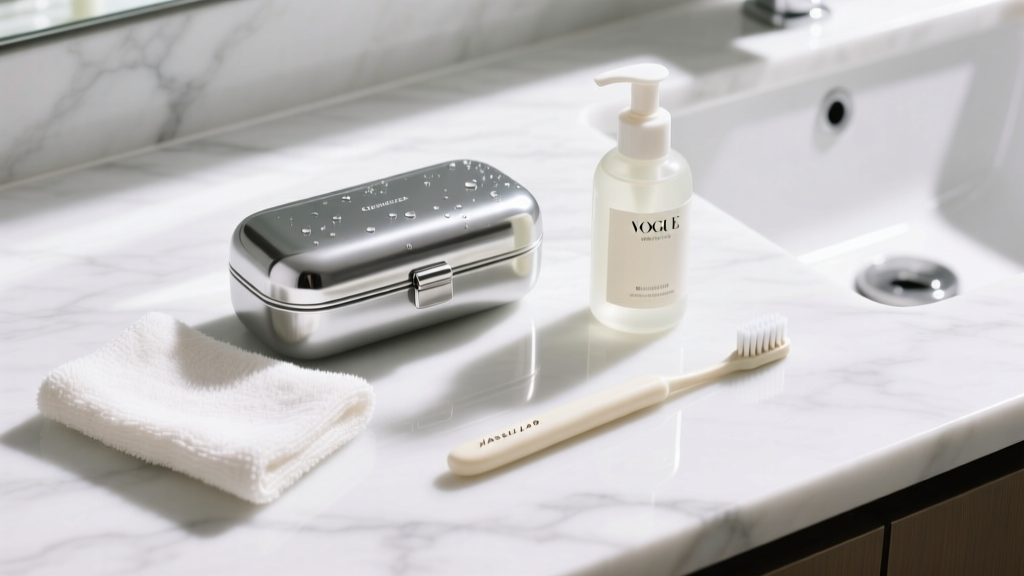
The difference between a good gift and an unforgettable one is anticipation. Anticipate that your recipient will need to maintain their new treasure. Instead of just handing over a velvet box, curate a small, elegant 'Silver Care Kit' to accompany the jewelry. Include a high-quality treated polishing cloth (impregnated with micro-abrasives and anti-tarnish agents), a bottle of pH-neutral liquid soap, and an ultra-soft baby toothbrush. Including a beautifully printed card detailing how to clean silver jewelry elevates the unboxing experience and shows a profound level of care.
Expert Techniques to Clean Silver Jewelry Safely
Tarnish is not a sign of poor quality; it is a natural chemical reaction where the copper in sterling silver reacts with hydrogen sulfide in the atmosphere to form silver sulfide (the black/dull layer). According to the Victoria and Albert Museum's conservation guidelines, abrasive pastes and harsh dips can strip away microscopic layers of silver and ruin oxidized (intentionally blackened) detailing. Here are the two safest, most effective methods to clean silver jewelry at home.
Method 1: The Electrochemical Ion Exchange (For Heavy Tarnish)
This method uses basic chemistry to reverse the tarnishing process without scrubbing or removing any silver from the piece. It is ideal for intricate chains or filigree pieces where a cloth cannot reach.
- Line a glass or ceramic bowl with aluminum foil, shiny side facing up.
- Place the tarnished silver jewelry on the foil, ensuring it touches the metal.
- Sprinkle 1 tablespoon of baking soda and 1 tablespoon of kosher salt over the jewelry.
- Pour boiling water into the bowl until the piece is fully submerged. You will see bubbles and smell a faint sulfur (rotten egg) scent.
- Let it sit for 2 to 5 minutes. The aluminum acts as a sacrificial anode, pulling the sulfur atoms off the silver and onto the foil.
- Remove with wooden tongs, rinse thoroughly under lukewarm water, and buff dry with a microfiber cloth.
Note: Never use this method on jewelry featuring porous gemstones like turquoise, pearls, or opals, as the boiling water and alkaline solution will destroy them.
Method 2: The Gentle Surfactant Wash (For Oils and Daily Grime)
Tarnish is different from the buildup of skin oils, lotions, and environmental dirt. For routine cleaning, use a mild surfactant.
- Mix a few drops of phosphate-free dish soap (like Dawn) into a bowl of lukewarm water.
- Soak the jewelry for 5 minutes to loosen sebum and cosmetics.
- Gently agitate the water, and use an ultra-soft baby toothbrush to lightly sweep around clasp mechanisms and stone settings.
- Rinse under clean water and immediately dry with a lint-free cloth to prevent water spots.
Long-Term Storage and Tarnish Prevention
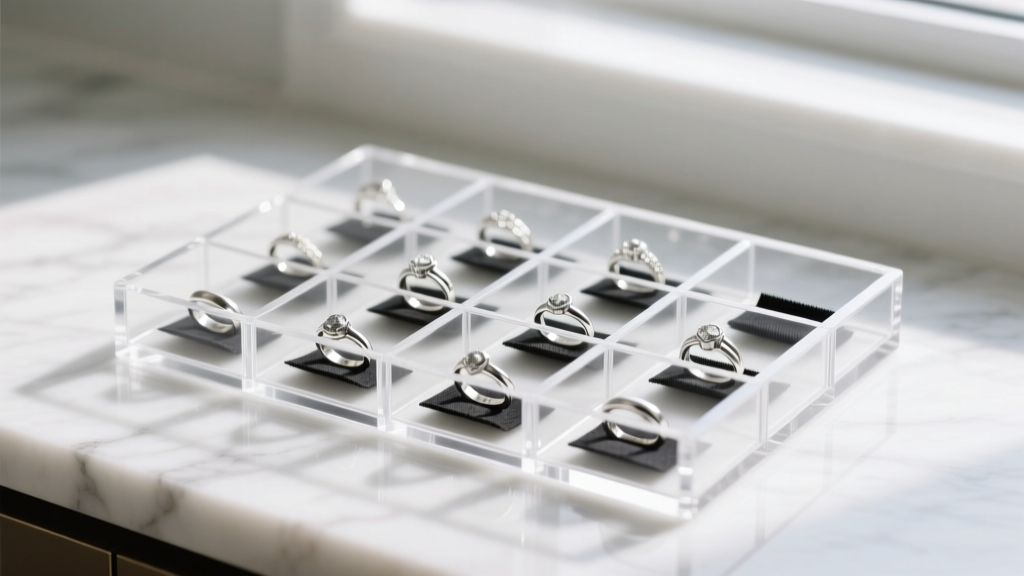
How a gift is stored when not being worn dictates how often it needs to be cleaned. The goal is to limit the silver's exposure to sulfur, moisture, and UV light.
- Anti-Tarnish Cloths: Wrap pieces in Pacific Silvercloth or similar metallized flannel. These fabrics are embedded with microscopic silver particles that act as a sacrificial shield, absorbing sulfur before it reaches the jewelry.
- Silica Gel Packets: Moisture accelerates the copper-tarnish reaction. Tossing a small, fresh silica gel packet into the jewelry box acts as a desiccant, keeping the micro-environment dry.
- Avoid Sulfur Sources: Never store silver in direct contact with rubber bands (which contain sulfur), wool, or unsealed oak wood drawers, all of which emit gases that rapidly blacken sterling silver.
Authenticating the Gift: Ensuring Genuine 925 Silver
When purchasing a milestone gift, authenticity is paramount. The Federal Trade Commission's Jewelry Guides strictly regulate how precious metals can be stamped and marketed in the United States. Always look for a quality mark such as '925', 'STER', or 'Sterling' stamped in an inconspicuous area, like the inside of a ring band or the back of a clasp.
If you are buying vintage or estate silver for a gift, perform the Ice Test. Silver possesses the highest thermal conductivity of any common metal. If you place an ice cube on a genuine silver coin or heavy silver platter, the ice will begin to melt almost instantaneously, far faster than it would on a stainless steel or silver-plated surface. For jewelry, a simple neodymium magnet test is useful: genuine silver is paramagnetic (non-magnetic). If a chain or clasp exhibits a strong magnetic pull, the core is likely brass or steel, and the piece is merely silver-plated.
Final Thoughts on Gifting Silver
Sterling silver is more than just an accessory; it is a canvas for memories. By carefully selecting the right alloy and gauge for the specific milestone, and by empowering the recipient with the knowledge of how to properly clean silver jewelry, you are giving a gift that transcends the moment of unboxing. It becomes a lasting heirloom, ready to be passed down to the next generation with its brilliance entirely intact.


