Siam Sterling Jewelry Value Guide: Is It Worth It?
Evaluate the true market value of Siam sterling jewelry. Learn to authenticate vintage niello, decode hallmarks, and price Thai silver in 2026.

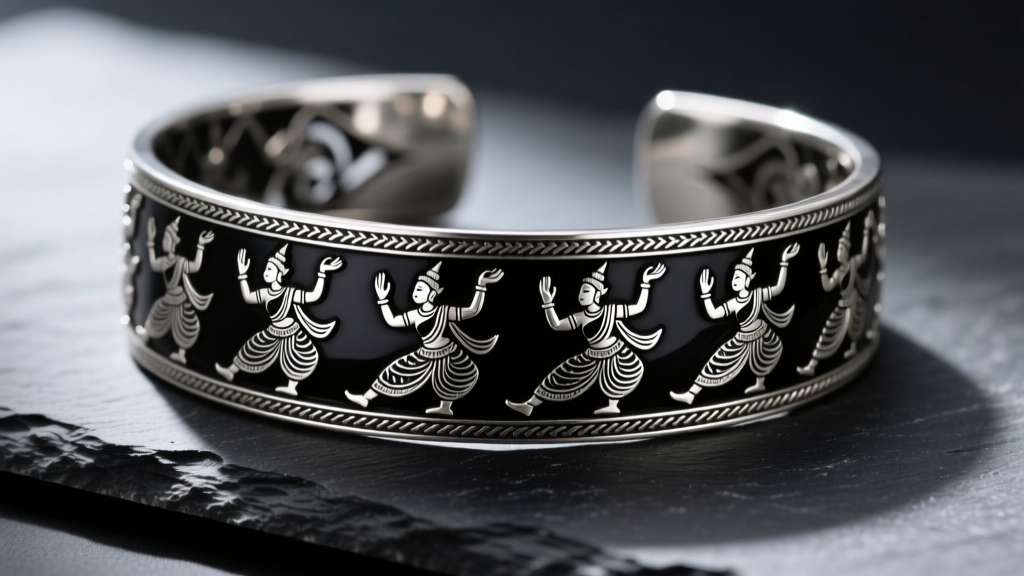
The Allure and Economics of Siam Sterling Silver
When navigating the vintage and antique jewelry market, few categories offer the intricate artistry and historical depth of Siam sterling jewelry. Characterized by elaborate motifs, traditional Thai dancers, and mythological creatures rendered in striking black-and-silver contrast, these pieces are highly sought after by collectors. However, as we assess the vintage jewelry landscape in 2026, the market is flooded with both genuine mid-century masterpieces and modern mass-produced tourist replicas. For collectors and budget-conscious buyers alike, understanding the true value of Siam sterling requires looking past the aesthetic and diving into metallurgy, historical hallmarks, and structural integrity. This guide provides a comprehensive value assessment to help you determine if a piece is a worthy investment or an overpriced souvenir.
Decoding the Hallmark: Pre-1939 vs. Post-1949
The term "Siam" is not merely a stylistic choice; it is a strict chronological marker. The country officially changed its name from Siam to Thailand in 1939, reverted briefly to Siam between 1945 and 1949, and then permanently adopted Thailand. Therefore, a genuine "SIAM STERLING" stamp almost always dates a piece to the pre-World War II era or the brief post-war window. According to the extensive archives at 925-1000.com, pieces stamped "THAILAND STERLING" or simply "THAILAND" with a 925 mark were produced from 1949 onward.
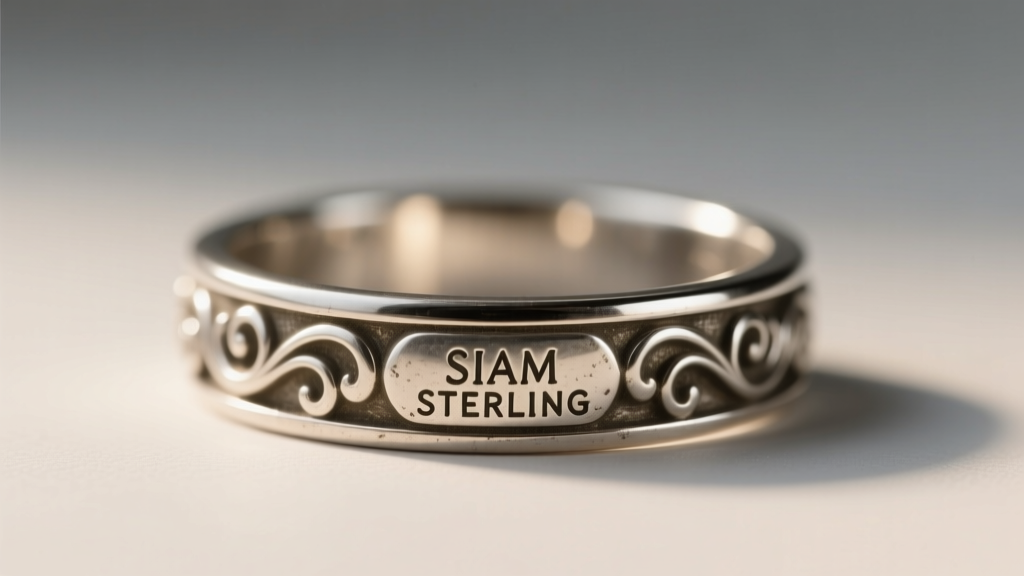
From a budget and value perspective, the "SIAM" stamp commands a 30% to 50% premium over identical "THAILAND" stamped pieces due to scarcity and historical significance. Furthermore, authentic vintage pieces often feature tiny maker's marks alongside the country stamp, such as "S.A." or "S.N.", which denote specific silversmithing guilds or family workshops in Bangkok and Chiang Mai. If a piece features laser-sharp, modern-looking "SIAM" stamps alongside uniform cast porosity, you are likely looking at a modern reproduction designed to deceive tourists.
The Niello Factor: Authentic Silver Sulfide vs. Modern Epoxy
The defining feature of classic Siam sterling jewelry is niello—the black inlay that provides contrast to the polished silver. True niello is not a paint or an enamel; it is a metallic alloy composed of silver, copper, lead, and sulfur. The Lang Antiques University notes that true niello is fused into engraved silver channels at high temperatures, creating a permanent, metallic bond. Modern tourist-market replicas, however, frequently use black epoxy resin or cold enamel to mimic the look at a fraction of the cost.
How to Authenticate Niello in the Field
- Thermal Conductivity Test: True niello is metallic and will feel ice-cold to the touch, matching the thermal conductivity of the sterling silver base. Epoxy and resin feel distinctly warmer and slightly plastic-like.
- The Pin Test (Proceed with Caution): If you heat a sewing needle until red-hot and touch it to an inconspicuous area of the black inlay, true niello will not melt (it has a melting point over 1,000°C). Epoxy will immediately melt, bubble, and emit a sharp chemical odor.
- Wear Patterns: Vintage niello wears down smoothly over decades, often revealing a dark grey metallic undertone. Chipped epoxy reveals a stark, glossy black layer that often separates cleanly from the silver channel.
Expert Warning: Because authentic vintage niello contains lead, it is not recommended to wear heavily degraded niello pieces directly against the skin, especially for children. Always ensure the niello is sealed or polished smoothly if worn daily.
2026 Market Pricing & Value Tiers
Valuing Siam sterling jewelry requires a departure from standard "melt value" calculations. The artistry, condition of the niello, and complexity of the hand-engraving dictate the price. Below is a structured assessment of current market tiers for 2026.
| Category | Era / Material | Average Price Range (USD) | Primary Value Driver |
|---|---|---|---|
| Tourist Market Bangle | Post-1980s / 925 Silver + Epoxy | $45 - $120 | Wearability, low silver weight |
| Mid-Century Cocktail Ring | 1940s-1960s / 925 Silver + True Niello | $150 - $350 | Maker's mark, complexity of dancer motif |
| Heavy Cuff Bracelet | Pre-1939 / 925 Silver + True Niello | $400 - $950 | "SIAM" stamp, weight (50g+), pristine inlay |
| Museum-Quality Collar | 19th Century / High Karat Silver + Niello | $1,500 - $4,000+ | Royalty provenance, exhibition history |
Hill Tribe Silver vs. Stamped Siam Silver
A common point of confusion for budget buyers is conflating stamped "Siam Sterling" with Thai Hill Tribe silver. These are fundamentally different markets with distinct value propositions. Hill Tribe silver, crafted primarily by the Karen and Hmong communities in northern Thailand, is traditionally made from 999 fine silver (99.9% pure), rather than the 92.5% sterling standard.
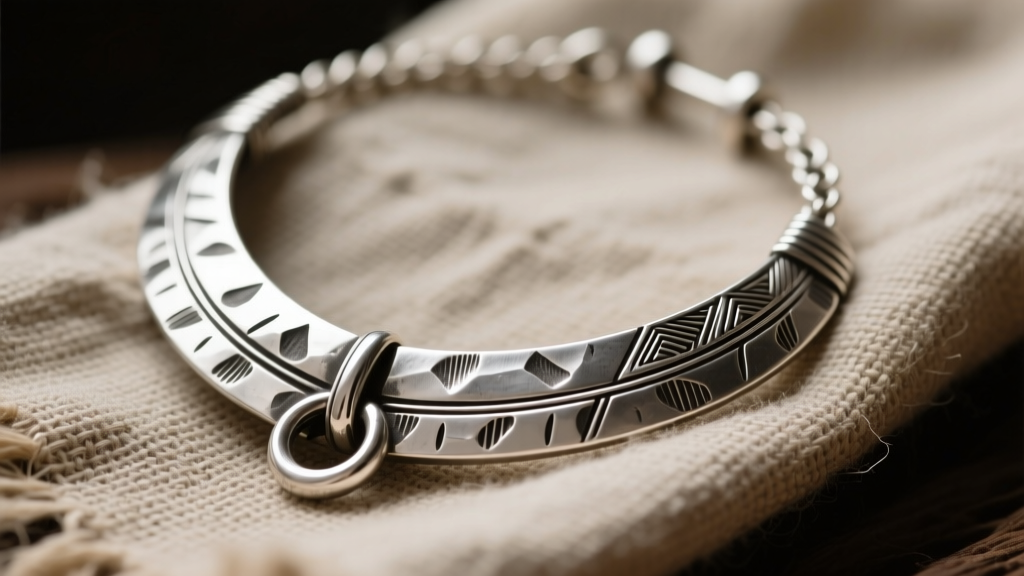
Because 999 fine silver is exceptionally soft, Hill Tribe pieces are rarely cast. Instead, they are hand-hammered, braided, and shaped, resulting in organic, asymmetrical designs that bear the literal fingerprints and hammer marks of the artisan. From an investment standpoint, Hill Tribe silver is valued by weight and artisan reputation, often trading closer to the spot price of silver plus a modest craftsmanship premium. In contrast, stamped Siam sterling is valued as an antique collectible. If your goal is pure silver bullion investment, Hill Tribe 999 silver offers a better weight-to-price ratio. If your goal is historical artistry and vintage aesthetics, mid-century Siam niello is the superior choice.
Flaws, Failure Modes, and Restoration Costs
When assessing a vintage Siam sterling piece for purchase, you must factor in potential restoration costs, which can easily obliterate your budget. The most common failure mode in vintage niello jewelry is inlay cracking. Because sterling silver is somewhat flexible and true niello is a rigid, brittle metallic alloy, bending a vintage bangle even slightly can cause the niello to fracture or pop out of its engraved channel.
Repairing true niello is a lost art in many Western countries. Finding a metalsmith capable of mixing and fusing traditional lead-silver-sulfur niello powder is difficult, and modern jewelers will often attempt to patch the crack with black rhodium plating or epoxy, which severely diminishes the antique value of the piece. Additionally, inspect the solder joints on vintage Siam box chains and link bracelets. The high heat required to solder sterling silver can sometimes melt or discolor adjacent niello, meaning original vintage chains in perfect condition are exceedingly rare and command a massive premium over pieces that have been retrofitted with modern chains.
Final Verdict: Budget Allocation Strategy
Is Siam sterling jewelry worth the investment in 2026? Absolutely, provided you buy with your eyes open. For buyers with a budget under $100, focus on smaller, post-1960s "THAILAND" stamped rings or pendants, accepting that the black inlay is likely enamel rather than true niello. For collectors with a budget between $300 and $800, hunt for heavy, pre-1939 "SIAM STERLING" cuffs and brooches with verified maker's marks and pristine, uncracked niello. By prioritizing historical hallmarks, conducting rigorous material tests, and understanding the structural vulnerabilities of metallic inlays, you can build a stunning, historically rich collection that retains both its financial and aesthetic value for decades to come.


