Silver Plated Jewelry Trends 2026: Style & Value Guide
Explore 2026 silver plated jewelry trends, plating thickness standards, and expert advice on when to buy plated versus solid sterling silver.


The jewelry landscape in 2026 is defined by a striking paradox: consumers are demanding massive, sculptural, and highly detailed silver pieces, yet the spot price of precious metals continues to climb. This economic reality has pushed silver plated jewelry out of the "cheap alternative" category and into the spotlight of high-end fashion design. When executed with precision, modern silver plating offers the visual weight and luster of solid sterling at a fraction of the cost, allowing designers to experiment with avant-garde silhouettes that would be prohibitively expensive in solid 925 silver.
However, the market is heavily saturated with varying quality levels. As a buyer navigating the 2026 trends, understanding the metallurgy, plating thickness, and base metal integrity is the difference between acquiring a stunning statement piece that lasts for years and a disposable accessory that turns your skin green within a month. This guide breaks down the technical realities and style trajectories of silver plated jewelry this year.
The 2026 Aesthetic: Why Plated Metals Dominate Runways
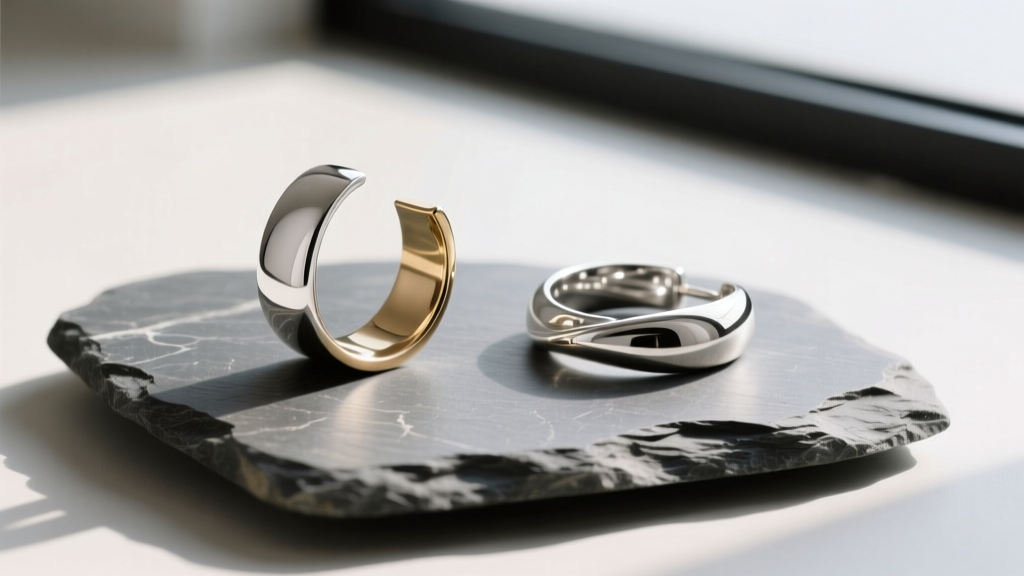
This year's dominant jewelry trends—heavy brutalist cuffs, molten "liquid metal" ear climbers, and oversized interlocking chain links—rely heavily on volume. A solid sterling silver brutalist cuff weighing 150 grams can easily retail for over $600 due to material costs alone. By utilizing a high-density brass core with a heavy silver plate, designers can achieve the exact same visual impact, structural weight, and light reflection for under $150.
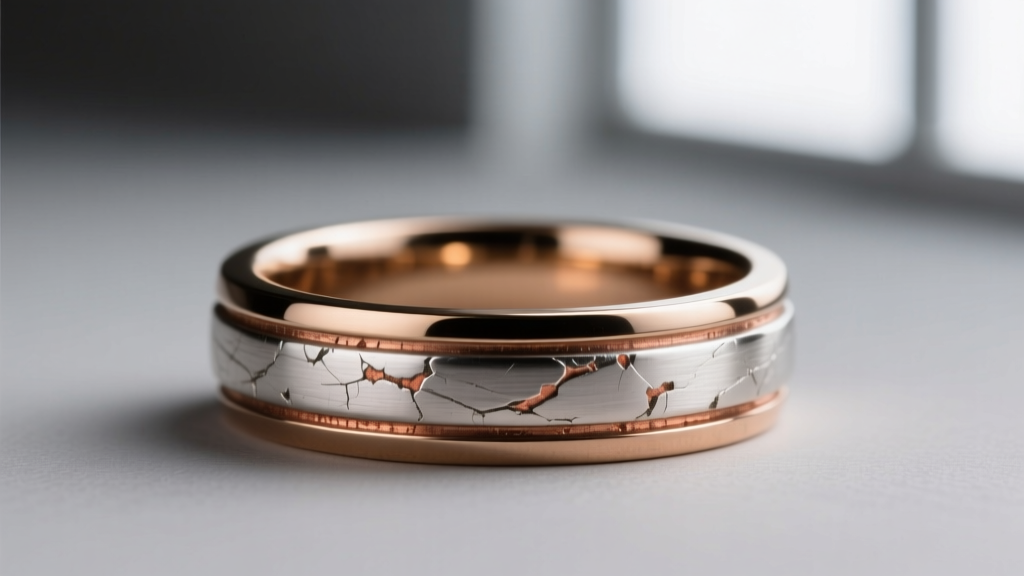
Furthermore, the 2026 trend of "mixed-metal oxidation" relies on complex chemical patinas. According to the Gemological Institute of America (GIA), silver alloys respond to sulfur and liver of sulfur to create striking black and gray contrasts in recessed areas. Modern electroplating techniques allow manufacturers to apply a thick layer of fine silver over brass, which can then be selectively oxidized and polished to highlight brutalist textures, mimicking the exact finish of artisan-cast solid silver.
Under the Microscope: Flash Plating vs. Micron Plating
The most critical factor in determining the lifespan and value of silver plated jewelry is the thickness of the silver layer, measured in microns (one-millionth of a meter). Not all plating is created equal, and the industry is currently divided into three distinct tiers:
1. Flash Plating (0.1 to 0.3 Microns)
Often referred to as a "silver wash," this is an ultra-thin layer applied via quick electroplating. It provides immediate brightness and shine but lacks durability. Flash-plated rings and bracelets typically show base-metal bleed-through within 3 to 6 months of regular wear, especially in high-friction areas like the inner band of a ring.
2. Standard Plating (0.5 to 1.0 Microns)
This is the industry standard for mid-tier fashion jewelry. It offers a robust silver appearance and can withstand occasional wear. However, it remains vulnerable to acidic skin pH levels and harsh environmental pollutants.
3. Heavy / Micron Plating (1.5 to 3.0+ Microns)
This is the gold standard for premium silver plated jewelry in 2026. At 2.5 microns, the silver layer is thick enough to withstand light polishing and offers a lifespan of several years before the base metal is exposed. High-end fashion houses exclusively use heavy micron plating for their runway and boutique collections.
Material Matrix: Silver Plated vs. Sterling vs. Vermeil
To understand where silver plated jewelry fits into your collection, it is essential to compare it against other common silver-toned metals. The table below outlines the structural and financial differences you will encounter when shopping this year.
| Material Type | Base Metal | Silver Thickness | 2026 Avg. Price (Statement Ring) | Expected Lifespan |
|---|---|---|---|---|
| Flash Silver Plated | Zinc Alloy / Copper | 0.1 - 0.3 µm | $15 - $35 | 3 - 6 Months |
| Heavy Silver Plated | C26000 Brass | 1.5 - 3.0 µm | $80 - $160 | 2 - 5 Years |
| Silver Vermeil | 925 Sterling Silver | 2.5+ µm (Gold) | $120 - $250 | 3 - 7 Years |
| Solid 925 Sterling | N/A (Solid Alloy) | Infinite | $250 - $600+ | Lifetime / Heirloom |
The Base Metal Dilemma: Brass, Copper, and Nickel Compliance
The silver layer is only half the story; the structural integrity of the piece depends entirely on the base metal. In 2026, premium silver plated jewelry predominantly uses C26000 cartridge brass (an alloy of 70% copper and 30% zinc). Brass is favored because it is highly malleable, allowing for intricate 3D-printed wax casting, and it provides a remarkably smooth surface that prevents the "bumpy" texture often seen in poorly plated zinc alloys.
Copper is sometimes used as a base or an intermediate "strike" layer to help the silver adhere to the brass. However, copper is soft and prone to rapid oxidation. If the silver layer wears through, copper will quickly react with the salts in your sweat, resulting in the notorious green skin effect.
Expert Warning: When purchasing vintage or unbranded silver plated jewelry, be wary of white metal alloys containing nickel. The Federal Trade Commission (FTC) Jewelry Guides strictly regulate nickel exposure due to its status as a primary contact allergen. Always look for explicit "nickel-free" or "EU Nickel Directive compliant" labeling on base metal disclosures.
Smart Shopping: The 2026 Decision Framework
Should you buy silver plated or save for solid sterling? The answer depends entirely on the piece's function within your wardrobe. Use this practical framework to guide your purchases:
- Buy Heavy Silver Plated For: Oversized cocktail rings, sculptural ear cuffs, wide statement cuffs, and seasonal trend pieces. These items experience less continuous friction and benefit from the lower weight-to-cost ratio of brass.
- Invest in Solid 925 Sterling For: Everyday wear items like thin chain necklaces, sleeper hoops, wedding bands, and simple stacking rings. These pieces endure constant friction, sweat exposure, and require regular polishing that would strip a plated layer.
Care and Longevity Hacks for Plated Pieces
Silver naturally reacts with hydrogen sulfide in the air to form silver sulfide, which manifests as black tarnish. While solid silver can be aggressively polished to remove tarnish, silver plated jewelry requires a much gentler approach to avoid stripping the micron layer.
- Ditch the Ultrasonic Cleaners: The high-frequency cavitation bubbles in ultrasonic machines can literally blast microscopic layers of flash and standard plating right off the base metal.
- Use Mild Surfactants: Clean your pieces using warm water and a few drops of pH-neutral dish soap (like Dawn). Gently rub with a microfiber cloth, never a bristled brush.
- Chemical Storage: Store plated jewelry in airtight ziplock bags with 3M Anti-Tarnish Strips. These strips absorb airborne sulfur compounds before they can react with the silver surface, extending the time between necessary cleanings.
- Avoid Polyurethane Lotions: Many modern sunscreens and body lotions contain chemical UV filters and polyurethane polymers that bond to silver and create a dull, cloudy film that is difficult to remove without abrasive polishing.
Final Verdict: The Value Proposition
Silver plated jewelry in 2026 is no longer a compromise; it is a strategic choice for the style-conscious consumer. By prioritizing heavy micron plating over C26000 brass bases, you can curate a wardrobe of massive, trend-forward, sculptural pieces that command attention without liquidating your savings. Treat your plated pieces with the same respect as fine jewelry, manage their exposure to friction and sulfur, and they will remain a cornerstone of your aesthetic for years to come.


