Best Affordable Fine Jewelry Brands: A Value Assessment
Discover the best affordable fine jewelry brands through a strict value assessment. We analyze gold karats, gem grades, and true cost-per-wear metrics.

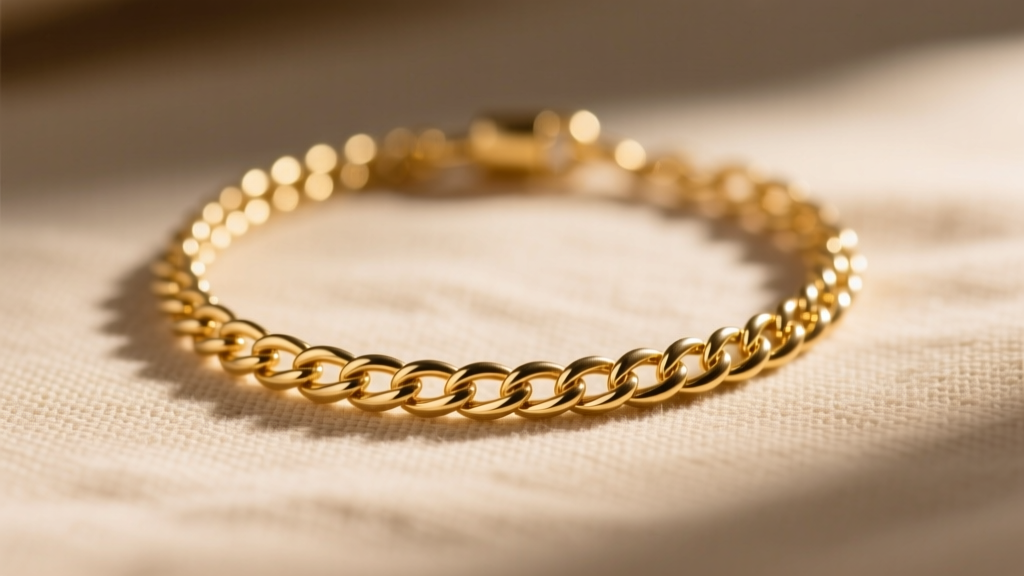
The 2026 Landscape: Redefining Value in Fine Jewelry
As we navigate the economic realities of 2026, the jewelry market has experienced a dramatic bifurcation. With gold spot prices hovering near historical highs, the definition of 'accessible luxury' has shifted. Consumers are no longer satisfied with mere gold-plated brass masquerading as luxury; they demand true material integrity without the traditional retail markup of legacy diamond houses. This is where the search for the best affordable fine jewelry brands becomes a complex exercise in material science and supply chain transparency.
At Jewel Style Radar, we define 'fine jewelry' strictly by its metallurgical and gemological composition: solid gold (minimum 10k, though 14k and 18k are the standards), platinum, and genuine earth-mined or certified lab-grown gemstones. Anything with a base metal core (brass, copper, or stainless steel) is classified as demi-fine or costume jewelry, regardless of the marketing copy. In this comprehensive value assessment, we strip away the influencer endorsements and analyze the actual cost-per-wear, alloy durability, and gemstone grading of the most prominent accessible brands on the market.
Material Integrity: What Separates True Fine from Plated Illusions
The most common trap when shopping for accessible luxury is confusing heavy gold electroplate (HGE) or gold vermeil with solid gold. According to the FTC Jewelry Guides, the term 'vermeil' legally requires a sterling silver base coated with a minimum of 2.5 microns of gold (usually 14k or 18k). However, many brands operating in the 'affordable' space utilize flash-plating (less than 0.5 microns) over brass cores. This results in galvanic corrosion when the piece interacts with the acidity in human sweat, leading to the dreaded 'green finger' effect and structural degradation within months.
Alloy Hardness and Daily Wear Metrics
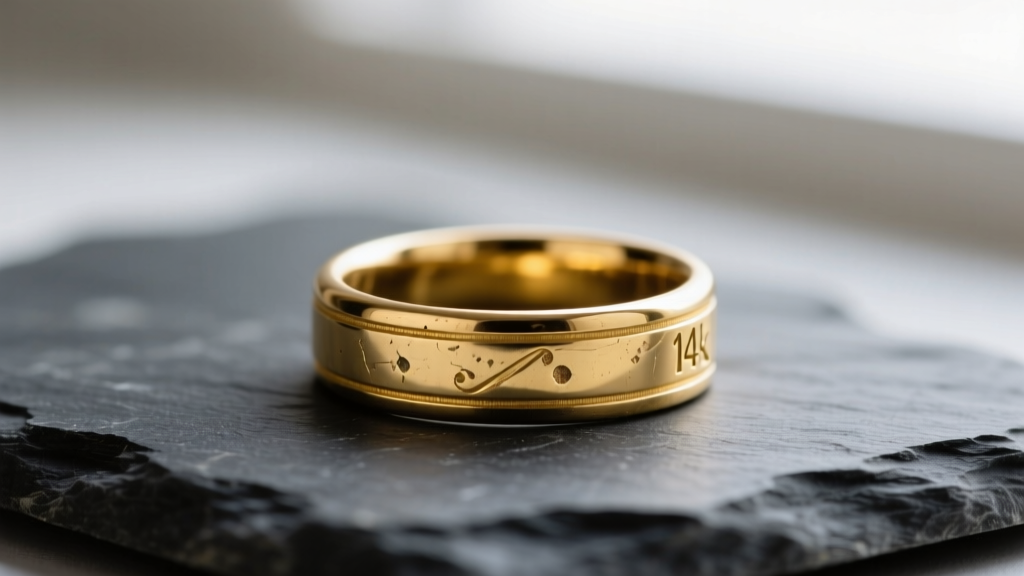
When evaluating affordable fine jewelry brands, the karat weight of the gold is a primary indicator of both value and durability. Pure 24k gold is too soft for daily wear rings or bracelets. Therefore, 14k gold (58.3% pure gold alloyed with metals like copper, silver, and zinc) remains the gold standard for structural integrity. It offers superior scratch resistance and tensile strength compared to 18k gold (75% pure), making it the superior choice for prong settings and thin chains that endure high mechanical stress.
Brand Value Matrix: Assessing the Top Contenders
To determine which brands offer genuine value, we evaluated four market leaders based on their metallurgical transparency, pricing models, and warranty structures. Here is how the top affordable fine jewelry brands stack up in 2026.
| Brand | Core Materials | Price Range (USD) | Transparency & Sourcing | Value Score |
|---|---|---|---|---|
| Quince | 14k Solid Gold, Lab Diamonds | $150 - $800 | High (Factory-direct model, clear karat stamps) | 9.2/10 |
| Mejuri | 14k Solid, 18k Gold Vermeil | $80 - $1,200 | Medium (Clear distinction between solid and vermeil lines) | 8.5/10 |
| Catbird | Recycled 14k & 18k Solid Gold | $250 - $2,500 | Exceptional (In-house Brooklyn casting, recycled metals) | 8.8/10 |
| Brilliant Earth | Recycled Gold, Lab & Mined Diamonds | $400 - $5,000+ | High (Blockchain tracking for select stones) | 7.9/10 |
While brands like Mejuri revolutionized the 'drop' model and made fine jewelry culturally relevant to younger demographics, their reliance on vermeil for entry-level price points dilutes their overall fine jewelry value proposition. Conversely, Quince's factory-direct approach strips away traditional retail markups, offering solid 14k gold essentials at prices that barely exceed the melt and labor value of the raw materials.
Gemstone Grading on a Budget: The Lab-Grown Revolution
The conversation around affordable fine jewelry is incomplete without addressing the lab-grown diamond market. By 2026, lab-grown diamonds have achieved near-total market penetration in the accessible luxury sector. However, not all lab diamonds are created equal. Understanding the synthesis method is crucial for assessing long-term optical performance.
CVD vs. HPHT Synthesis
Chemical Vapor Deposition (CVD) and High Pressure High Temperature (HPHT) are the two primary methods for creating lab diamonds. CVD diamonds are often more affordable but can suffer from brown or gray undertones, requiring post-growth HPHT treatment to achieve a colorless grade. When shopping affordable fine jewelry brands for diamond pieces, always demand a grading report from a tier-one laboratory. The Gemological Institute of America (GIA) maintains the strictest color and clarity grading standards, whereas IGI is more prevalent in the lab-grown space but can occasionally grade color slightly looser. A brand offering uncertified 'promotional' lab diamonds is a major red flag for value assessment.
Semi-Precious Alternatives for High-Impact Color
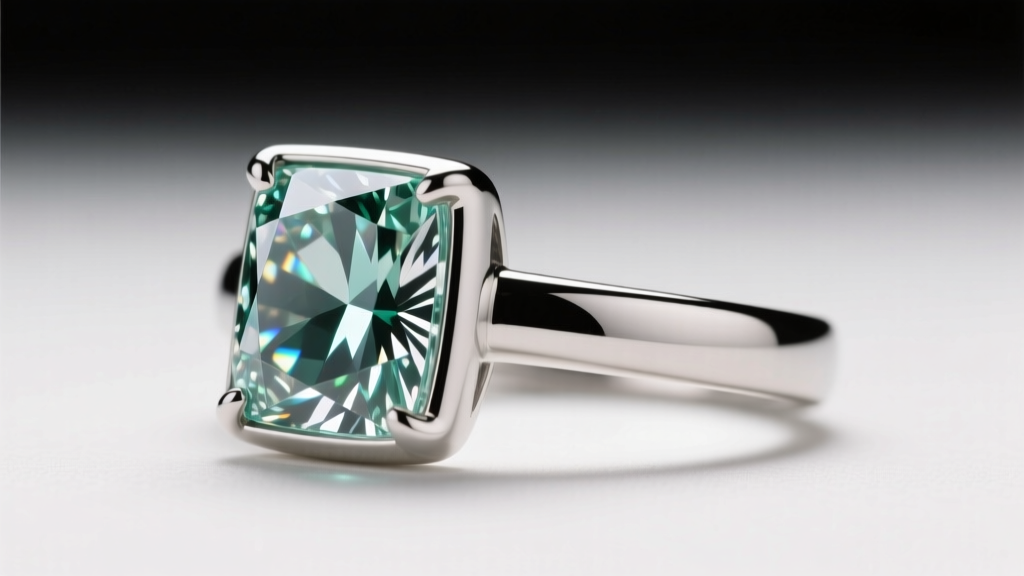
If your budget precludes high-clarity diamonds, look for brands utilizing high-grade semi-precious stones. Tsavorite garnet, for instance, offers a vivid green hue that rivals emerald but without the need for fracture-filling oils or resins. Similarly, blue spinel provides exceptional brilliance and a Mohs hardness of 8.0, making it a highly durable, affordable alternative to heavily included sapphires often found in budget-tier fine jewelry.
The Cost-Per-Wear (CPW) Framework for Fine Jewelry
True value in jewelry is not determined by the initial receipt total, but by the Cost-Per-Wear (CPW). The formula is simple: Total Cost / (Estimated Wears Per Year × Expected Lifespan in Years).
Case Study: The Everyday Hoop Earring
Option A (Demi-Fine): $95 gold-vermeil hoops on a sterling silver base. Due to friction from hair and exposure to cosmetics, the 2-micron gold layer wears through to the silver in 14 months. The silver then oxidizes, rendering the piece unwearable. CPW: $0.22 per wear.
Option B (True Fine): $350 solid 14k gold tube hoops. Solid gold cannot tarnish or wear away. With basic maintenance, they will last 50+ years. Assuming 150 wears a year over a conservative 10-year period. CPW: $0.23 per wear.
When viewed through the CPW lens, the upfront premium for solid gold from reputable affordable fine jewelry brands is mathematically justified. You are essentially paying the same per wear, but retaining an asset that possesses intrinsic melt value and generational longevity.
Final Verdict: Allocating Your 2026 Jewelry Budget
The era of paying exorbitant premiums solely for a legacy brand's blue box is fading, replaced by a highly educated consumer base that prioritizes material truth. As noted by Vogue Business, the modern consumer views jewelry as an alternative asset class and a personal archive rather than disposable seasonal fashion.
For foundational pieces like chains, signet rings, and everyday hoops, allocate your budget toward brands offering solid 14k or 18k gold with transparent supply chains, such as Quince or Catbird. Reserve demi-fine or vermeil purchases strictly for trend-driven, low-impact pieces like chunky seasonal cocktail rings or ear cuffs that do not endure constant friction. By rigorously applying these material and CPW assessments, you can build a fine jewelry collection that offers both immediate aesthetic gratification and enduring financial value.


