Wil McNabb Fine Jewelry: Troubleshooting Repairs & Care Guide
Expert troubleshooting for Wil McNabb fine jewelry. Learn how to authenticate bespoke pieces, fix setting issues, and manage metal patina.

The Intersection of Art and Wearability: Maintaining Bespoke Masterpieces
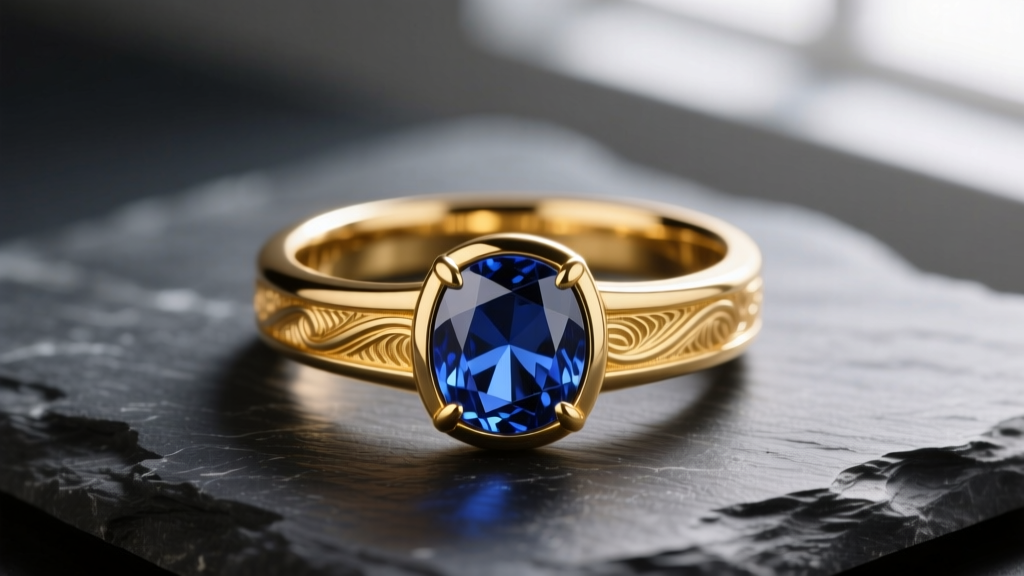
Owning a piece of Wil McNabb fine jewelry means possessing a wearable work of art. Known for intricate metalwork, unconventional gemstone cuts, and bespoke architectural settings, these pieces push the boundaries of traditional jewelry design. However, the very elements that make artisan jewelry breathtaking—delicate milgrain, tension elements, and custom-alloyed metals—also introduce unique structural vulnerabilities. As we navigate the jewelry landscape in 2026, the gap between mass-market maintenance and bespoke troubleshooting has never been wider. Standard mall-kiosk jewelers often lack the technical nuance required to service high-end artisan pieces without compromising their structural integrity or aesthetic intent. This comprehensive troubleshooting guide is designed for collectors and owners of Wil McNabb fine jewelry, providing actionable, bench-level insights to diagnose, repair, and preserve these heirloom investments.
Authenticating and Identifying Maker's Marks
Before troubleshooting any structural issue, verifying the provenance of your Wil McNabb fine jewelry is critical, especially if the piece was acquired on the secondary market or inherited. Authentic bespoke pieces carry specific identifiers that dictate how they should be serviced.
- The Primary Hallmark: Look for the distinct "WM" or "W. McNabb" stamp, typically laser-engraved or hand-stamped on the interior shank of rings or the hidden clasp plates of necklaces.
- Metal Purity Stamps: Wil McNabb frequently utilizes 18k gold (stamped 750) and platinum (stamped Pt950). Beware of pieces lacking these secondary purity marks, as they may be unauthorized replicas.
- Custom Serializations: Many bespoke Wil McNabb engagement rings and high-jewelry cuffs feature a microscopic serial number near the setting gallery, registered to the original buyer's certificate of authenticity.
If your piece lacks these identifiers but exhibits the signature design language, it may require verification by a certified gemologist appraiser before any invasive repair work begins.
Diagnosing Setting Failures in Architectural Designs
Artisan jewelry often prioritizes visual lightness and architectural geometry over the brute-force security of traditional cast settings. Troubleshooting loose stones in Wil McNabb fine jewelry requires a nuanced understanding of bespoke metallurgy and setting mechanics.
The Bezel Gap Dilemma
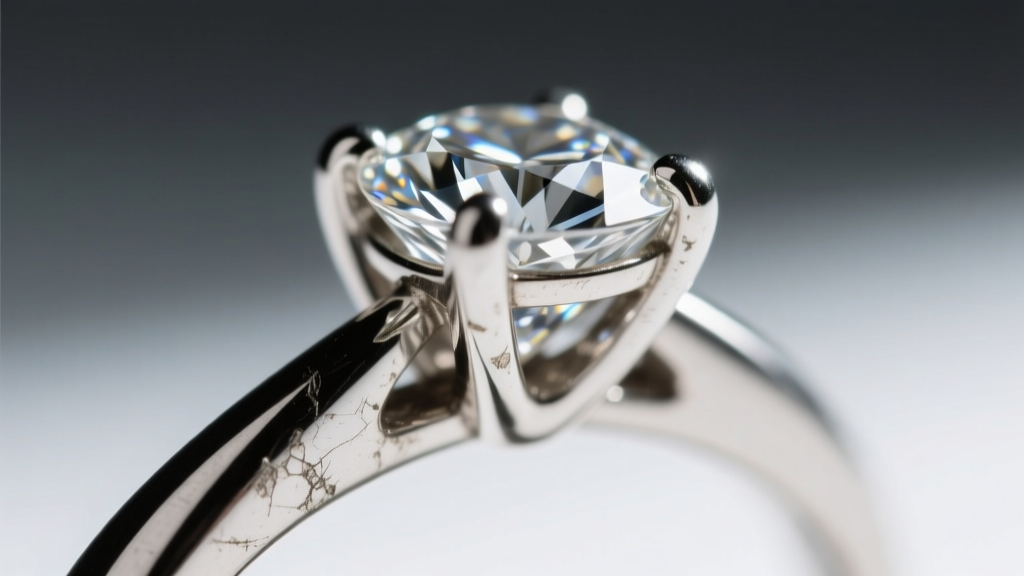
A signature element in many bespoke collections is the ultra-thin bezel. Over time, thermal expansion and contraction from daily wear can cause the metal to pull away from the gemstone's girdle, creating a microscopic gap. If you notice a slight "click" when tapping the stone, do not attempt to push the metal back yourself. Doing so with standard bezel rollers can work-harden the 18k gold, leading to micro-fractures. Instead, a master bench jeweler must use a specialized pneumatic burnisher to gently re-seat the metal without stressing the alloy.
Micro-Pavé and Flush Setting Attrition
For pieces featuring intricate micro-pavé or flush-set accent stones, metal fatigue around the tiny beads (bright cuts) is a common failure mode. According to the Jewelers of America, everyday friction can wear down these sub-millimeter prongs within 18 to 24 months of continuous wear. Troubleshooting this requires a microscope-assisted re-tipping process using a pulse-arc welder, which adds microscopic droplets of matching platinum or gold without exposing the surrounding delicate stones to the extreme heat of a traditional jeweler's torch.
The Ultrasonic Trap: Gemstone and Alloy Risks
One of the most frequent troubleshooting scenarios we see involves well-meaning owners destroying the patina or fracturing stones in their Wil McNabb fine jewelry using at-home ultrasonic cleaners. While a standard 40kHz ultrasonic cleaner is safe for a plain diamond solitaire, it is highly detrimental to artisan pieces.
Expert Warning: Never place tension-set stones, fracture-filled diamonds, or organic gems (like pearls or opals) often featured in bespoke Wil McNabb designs into an ultrasonic bath. The high-frequency cavitation bubbles can easily shatter included stones or vibrate delicate flush settings loose.
Furthermore, many artisan jewelers apply a deliberate oxidation or custom patina to the recessed areas of the metalwork to create contrast and highlight intricate engraving. Ultrasonic cleaning, especially when paired with harsh alkaline solutions, will strip this intentional antiquing in minutes, leaving the piece looking flat and over-polished. For routine cleaning, rely on a soft-bristled brush, lukewarm water, and a pH-neutral dish soap, following the GIA's official gemstone care guidelines.
Metal Fatigue and Alloy-Specific Troubleshooting
Understanding the specific metallurgy of your piece is paramount when troubleshooting shank thinning, porosity, or cracking. Wil McNabb fine jewelry utilizes various proprietary and traditional alloys, each with distinct physical properties measured on the Vickers Hardness (HV) scale.
| Metal Alloy | Hardness (HV) | Common Failure Mode | Troubleshooting & Repair Strategy |
|---|---|---|---|
| 18k Yellow Gold | ~125 HV | Shank thinning, deep scratching, prong wear | Traditional torch soldering; requires re-alloying and polishing to restore luster. |
| 18k Palladium White Gold | ~135 HV | Stress cracking at the sizing seam | Laser welding required to avoid the "grey flash" associated with rhodium plating over torch solder. |
| Pt950 Ruthenium | ~135 HV | Work-hardening, brittle prong tips | Pulse-arc welding; requires careful annealing if the metal has become too brittle to bend. |
| Platinum/Iridium | ~80 HV | Bending out of round, heavy patina | Cold working and mandrel reshaping; patina can be preserved or removed via high-grit polishing. |
As of 2026, the industry standard for repairing high-end platinum and white gold artisan jewelry has shifted decisively toward laser welding. Laser welding allows a jeweler to fuse metal in a highly concentrated, microscopic area without heating the entire ring. This is critical for Wil McNabb pieces that feature heat-sensitive gemstones (like tanzanite or emeralds) set near the repair site, as it eliminates the need to unmount the stones before soldering.
Managing Patina and Surface Finishes
A common "problem" reported by new owners of bespoke jewelry is the rapid accumulation of scratches on high-polish platinum or the darkening of oxidized silver accents. It is vital to reframe this not as damage, but as the natural evolution of the metal.
Platinum, unlike gold, does not lose metal mass when scratched; the metal is merely displaced, creating a soft, satiny patina that many collectors highly prize. If you prefer the original mirror finish of your Wil McNabb fine jewelry, a jeweler must use a multi-step polishing process, moving from 400-grit to 8000-grit compounds. However, over-polishing will round off the crisp, architectural edges that define the designer's aesthetic. Limit high-polish restorations to once every three to five years.
The Repair Decision Matrix: Artisan vs. Master Bench
When a structural issue arises, where should you take your piece? Use this decision framework to route your repair correctly:
- Route to the Original Artisan (Wil McNabb Studio): Choose this path for complete restorations, replacing custom-cut gemstones, fixing severe structural breaks in the primary gallery, or when the piece requires re-oxidation of proprietary patinas.
- Route to a Certified Master Bench Jeweler: Choose this path for routine maintenance, such as ring sizing, re-tipping worn prongs, deep ultrasonic cleaning (for safe stones only), and minor shank reshaping. Ensure the jeweler possesses an Orion pulse-arc welder and a Gemological Institute of America (GIA) certification.
Preventative Maintenance Schedule
Troubleshooting is best avoided through rigorous preventative care. Implement this schedule to ensure your bespoke jewelry survives generations:
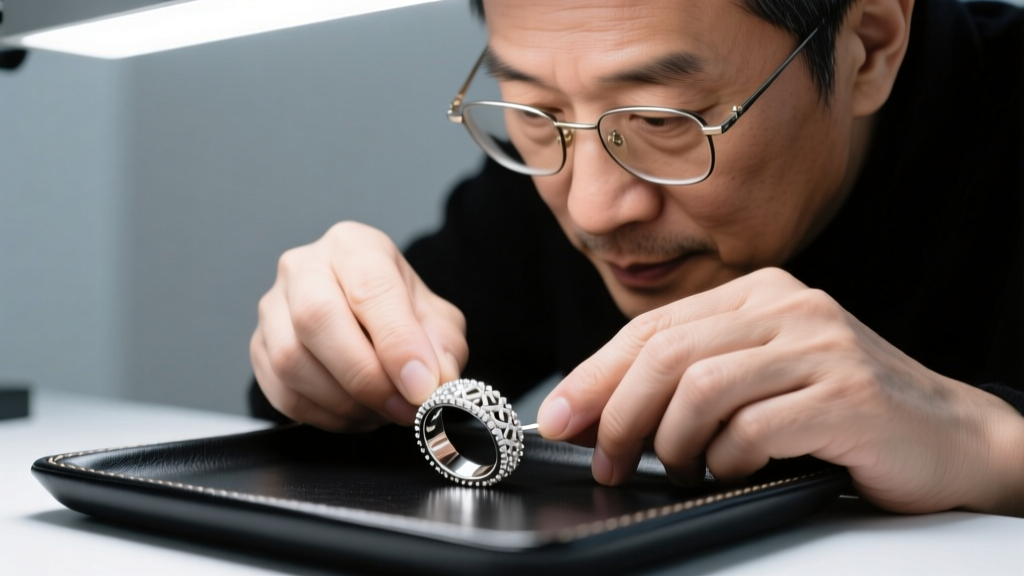
- Monthly: Inspect prongs and bezels with a 10x jeweler's loupe. Look for light gaps between the metal and the stone's girdle.
- Bi-Annually: Have a professional jeweler check the ring's shank for micro-fractures, especially at the 6 o'clock position where the hand rests against surfaces.
- Annually: Request a professional steam clean and a light inspection of all secondary accent settings.
By treating your Wil McNabb fine jewelry not just as an accessory, but as a complex mechanical and artistic assembly, you ensure that its bespoke brilliance remains uncompromised for decades to come.


