Designing a Fine Jewelry Line: 2026 Trend Analysis
Discover the defining trends shaping a modern fine jewelry line in 2026, from recycled 18k gold to lab-grown diamond pricing and modular designs.

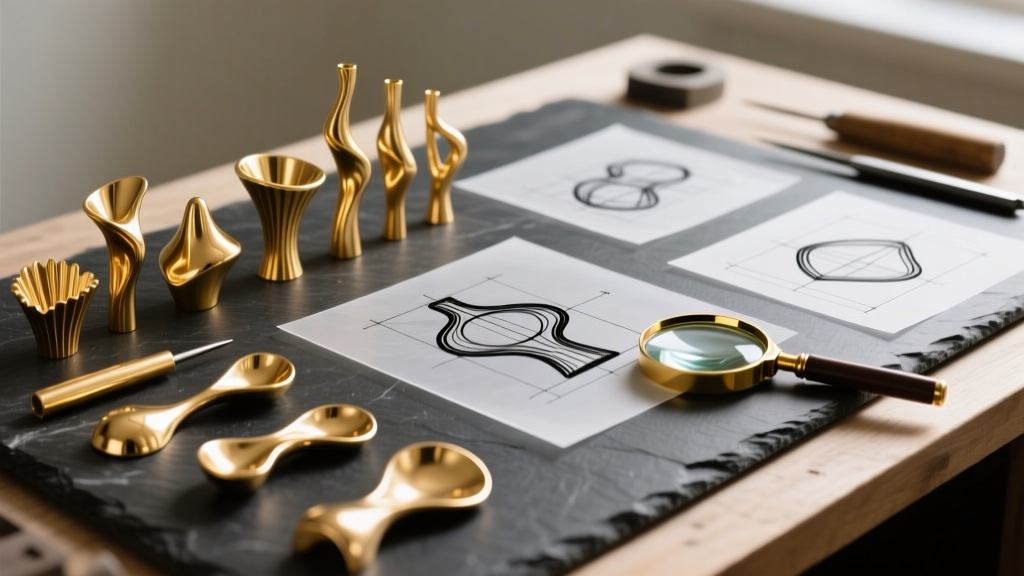
Launching a successful fine jewelry line in the current market requires navigating a complex intersection of metallurgical science, ethical sourcing, and shifting consumer aesthetics. The days of relying solely on heritage branding and opaque supply chains are over. Today, a contemporary fine jewelry line must be built on a foundation of hyper-transparency, advanced CAD engineering, and a deep understanding of material provenance. As we analyze the landscape in 2026, the divide between mass-market demi-fine and true luxury is defined not just by carat weight, but by the architectural integrity of the pieces and the verifiable ethics of their creation.
The Shift from Heritage to Hyper-Transparency
Modern consumers are highly educated and inherently skeptical. When conceptualizing a new fine jewelry line, founders must prioritize traceability from the mine to the final polish. The Responsible Jewellery Council (RJC) has updated its Chain of Custody standards, making blockchain-backed provenance a baseline expectation rather than a premium differentiator. Brands are now embedding NFC microchips into the packaging or directly into the shank of heavy signet rings, allowing buyers to scan and view the exact origin of the recycled gold and the specific lab report for the center stone.
'In 2026, transparency is not a marketing angle; it is the structural foundation of luxury. A fine jewelry line that cannot prove its chain of custody is effectively dead on arrival to the modern high-net-worth consumer.'
This demand for ethical sourcing has heavily influenced material selection. Recycled 18k gold, certified by entities like SCS Global Services, now commands the same prestige as newly mined metals, provided the refining process maintains strict alloy purity. Designers are actively avoiding newly mined platinum in favor of recycled Platinum 950, which offers superior density and a naturally white luster that does not require rhodium plating.
Material Matrix: What Defines a Contemporary Collection
The backbone of any fine jewelry line is its material matrix. Understanding the exact alloy compositions and market positioning of these materials is critical for pricing and durability. Below is a breakdown of the primary materials defining high-end collections this year.
| Material | Grade / Specification | Key Characteristics | Approx. Market Cost (2026) |
|---|---|---|---|
| 18k Yellow Gold | 750 (75% Au, 12.5% Cu, 12.5% Ag) | Warm hue, excellent tarnish resistance, ideal for intricate prong settings. | $65 - $72 per gram |
| 18k White Gold (Palladium) | 750 (75% Au, 25% Pd) | Nickel-free, hypoallergenic, naturally white without rhodium plating. | $78 - $85 per gram |
| Platinum 950 | 95% Pt, 5% Ru (Ruthenium) | Extremely dense, hypoallergenic, develops a desirable patina over time. | $45 - $55 per gram |
| Lab-Grown Diamond (CVD) | VVS1 / VVS2, D-F Color | Chemically identical to natural, superior color grades, highly scalable. | $300 - $550 per carat |
| Natural Diamond | VS1 / VS2, G-H Color | Geological rarity, retains traditional luxury prestige and resale value. | $4,200 - $6,500 per carat |
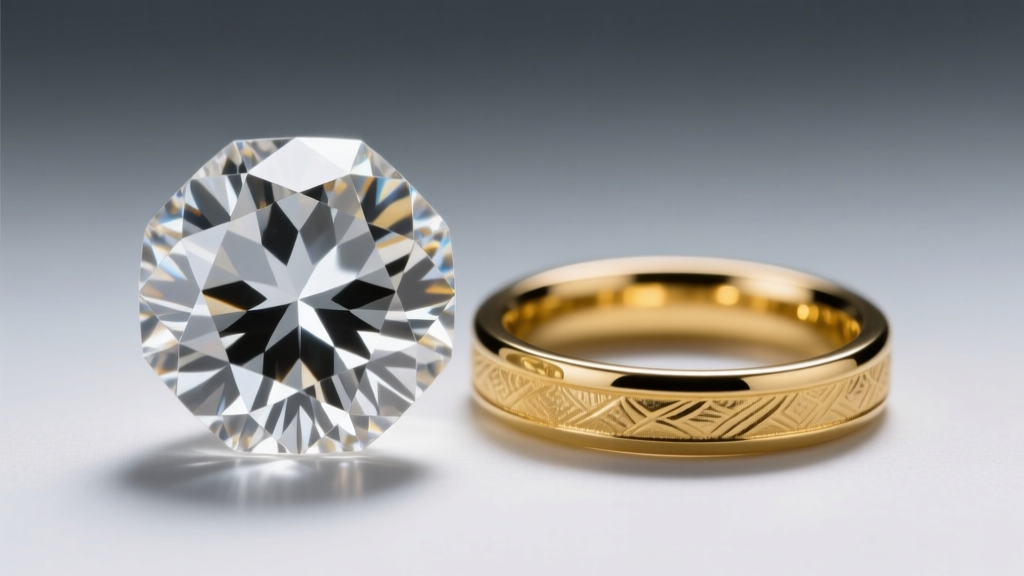
The pricing delta between natural and lab-grown diamonds has fundamentally altered how designers approach their core collections. According to the Gemological Institute of America (GIA), advancements in Chemical Vapor Deposition (CVD) have virtually eliminated the brown tints historically associated with early lab diamonds. Consequently, many emerging designers are reserving natural diamonds exclusively for bespoke, one-of-a-kind high jewelry pieces, while utilizing top-tier CVD lab-grown diamonds for their core, scalable fine jewelry line offerings.
Dominant Aesthetic Movements Shaping the Market
Aesthetically, the market has bifurcated into two distinct movements. Understanding these trends is vital for ensuring your designs resonate with current luxury buyers.
1. Neo-Brutalism and Organic Textures
Moving away from the high-polish, flawless finishes of the 2010s, the neo-brutalist movement embraces raw, hand-hammered textures, oxidized recesses, and matte finishes. This style celebrates the hand of the maker. Designers are utilizing techniques like reticulation—where the surface of the gold is heated with a torch until it melts and ripples—to create one-of-a-kind topographies. This approach masks minor scratching and appeals to buyers seeking jewelry that feels like wearable art rather than mass-produced commodities.
2. Quiet Luxury and Modular Engineering
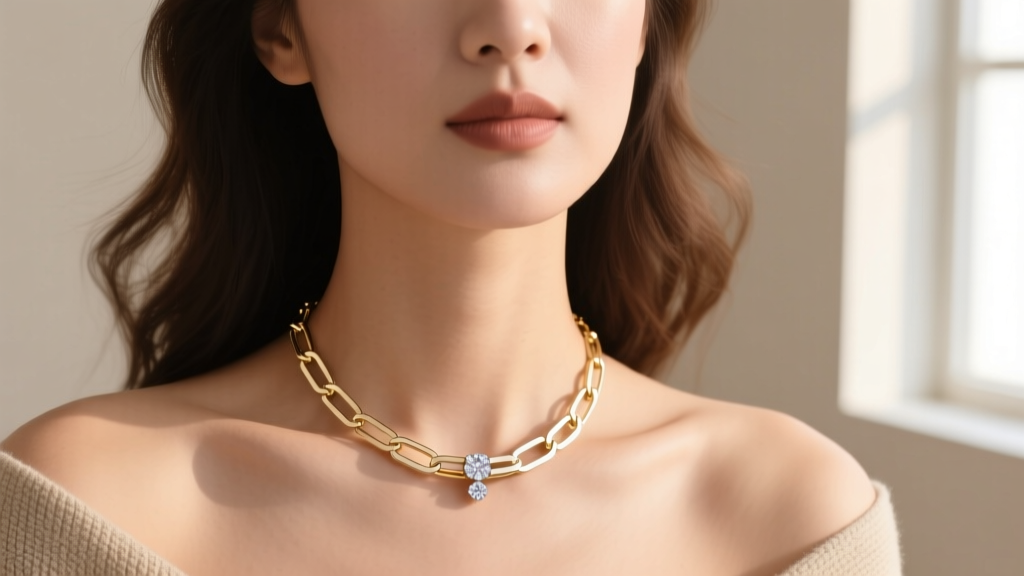
On the opposite end of the spectrum is the continuation of 'quiet luxury,' characterized by sleek, unbranded silhouettes and hidden mechanics. The major innovation here is modularity. A high-end paperclip chain might feature a proprietary, diamond-set bayonet clasp that allows the wearer to swap out heavy gold pendants or convert the necklace into a double-wrap bracelet. Designing these modular components requires precise CAD engineering, often utilizing CNC milling to achieve the 0.02mm tolerances necessary for seamless mechanical connections.
Pricing Architecture and Margin Realities
One of the most common failure modes for new designers is misunderstanding the pricing architecture of a fine jewelry line. Luxury pricing is not simply a matter of applying a standard markup to the Cost of Goods Sold (COGS). It requires a tiered approach that accounts for the high overhead of luxury retail.
- Raw Materials (30-40% of COGS): Precious metals and gemstones. Fluctuations in the spot price of gold must be buffered by quarterly pricing reviews.
- Manufacturing Labor (25-35% of COGS): This includes CAD design, 3D resin printing, lost-wax casting, and bench work. Hand-setting melee diamonds (0.01ct - 0.05ct) can cost between $15 and $25 per stone in overseas facilities, and up to $60 per stone for master setters in New York or London.
- Finishing and QC (10% of COGS): High-end polishing, ultrasonic cleaning, steam drying, and rigorous loupe inspection.
- Authentication and Packaging (5-10% of COGS): Custom hardwood boxes, NFC-enabled certificates of authenticity, and blockchain registration fees.
For a healthy fine jewelry line, the wholesale price should be 2.2x to 2.5x the total COGS, while the direct-to-consumer retail price should sit at 2.5x to 3.5x the wholesale price. This margin structure is non-negotiable; it provides the necessary capital to fund the high customer acquisition costs (CAC) and the expensive insurance policies required to hold precious metal inventory.
Strategic Manufacturing: CAD and Casting Tolerances
The transition from a digital render to a physical gold object is where many collections fail. When designing a fine jewelry line, founders must understand the physics of lost-wax casting. Gold alloys shrink as they cool. A standard 18k yellow gold alloy will shrink by approximately 1.25% to 1.5% during the casting process. Therefore, CAD models must be mathematically scaled up (usually by a factor of 1.015) before sending the STL files to the 3D printer.
Furthermore, the choice of casting resin is critical. Modern castable waxes, such as those used in high-resolution DLP 3D printers, leave virtually no ash residue. If the burnout cycle in the kiln is rushed, or if the flask temperature is not perfectly calibrated to 1350°F (732°C), the resulting gold cast will suffer from porosity—microscopic gas bubbles trapped inside the metal. Porosity weakens the structural integrity of prongs and creates pitting on the surface that is nearly impossible to polish out without compromising the design's dimensions.
Final Thoughts on Building for Longevity
Ultimately, building a resilient fine jewelry line in 2026 is an exercise in balancing uncompromising material standards with agile, transparent business practices. The brands that are capturing market share are those that treat their jewelry not just as adornments, but as engineered assets. By mastering the nuances of alloy selection, embracing modular design, and maintaining rigorous pricing architectures, emerging designers can carve out a highly profitable and respected space in the modern luxury landscape. For deeper insights into luxury market shifts, industry reports from McKinsey & Company remain an essential resource for tracking macro-consumer behavior in the high-end retail space.


