Blakeman's Fine Jewelry Company Profile: Budget & Value Analysis
An in-depth Blakeman's Fine Jewelry company profile focusing on budget tiers, material quality, and value retention for smart buyers.

Deconstructing the Blakeman's Fine Jewelry Company Profile
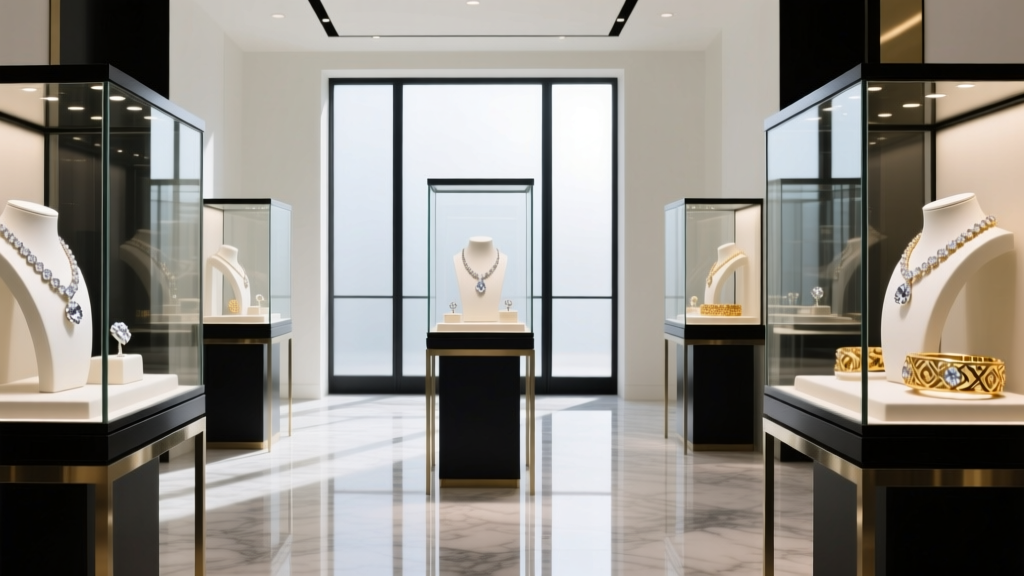
When navigating the complex landscape of luxury retail, understanding the true value proposition of a legacy brand is essential for making informed purchasing decisions. The Blakeman's fine jewelry company profile represents a classic case study in traditional brick-and-mortar luxury. Unlike direct-to-consumer brands that compete primarily on aggressive pricing and low overhead, legacy jewelers like Blakeman's build their value on curation, in-house expertise, and an elevated client experience. But how does this translate to your budget? As we assess the 2026 luxury market, it is critical to look beyond the showroom lighting and evaluate the actual material grades, pricing architecture, and long-term value retention of their inventory.
This comprehensive budget and value assessment will break down the pricing tiers, metallurgical standards, and diamond sourcing practices typical of the Blakeman's fine jewelry company profile, helping you determine where the premium is justified and where you might be overpaying.
The Architecture of Legacy Pricing
To understand the budget required for a piece from a traditional fine jeweler, you must first understand the 'keystone' pricing model and legacy overhead. In the traditional jewelry sector, retail prices are typically marked up 2.5x to 3.5x from the wholesale cost. This margin is not pure profit; it subsidizes the immense overhead of prime retail real estate, comprehensive insurance, secure vaulting, and highly trained GIA-certified gemologists on staff.
When you purchase from a brand fitting the Blakeman's fine jewelry company profile, your budget is allocated across three main pillars:
- Material Intrinsic Value: The melt value of the precious metals and the wholesale Rapaport value of the center diamonds.
- Craftsmanship and Labor: The cost of custom CAD design, hand-setting melee stones, and premium polishing techniques.
- The Retail Experience Premium: The cost of the physical showroom, lifetime warranties, complimentary resizing, and post-purchase servicing.
While online-only retailers might offer a 1.5-carat diamond solitaire for $8,500, a legacy jeweler with a similar profile may price an equivalent piece at $12,500. The $4,000 difference is the 'experience and security' premium. For high-stakes purchases like bridal jewelry, many buyers find this premium worthwhile for the peace of mind and immediate physical inspection it affords.
Material Grades: What You Are Actually Paying For
A crucial element of any value assessment is scrutinizing the raw materials. The Blakeman's fine jewelry company profile emphasizes high-purity metals and ethically sourced gemstones, but buyers must know exactly what these terms mean in a metallurgical sense.
Gold Alloys and Purity Standards
Most legacy fine jewelers stock both 14k and 18k gold. It is vital to understand the structural differences when allocating your budget:
- 14k Gold (58.5% Pure): Alloyed with copper, silver, and zinc. It is highly durable, resistant to scratching, and more budget-friendly. Ideal for everyday wear items like engagement rings and tennis bracelets.
- 18k Gold (75.0% Pure): Contains a higher gold content, resulting in a richer, deeper yellow hue and better hypoallergenic properties. However, it is softer and more prone to micro-scratches. It commands a 20% to 30% price premium over 14k gold.
According to the Jewelers of America, understanding these alloy compositions is the first step in assessing whether a piece's price tag aligns with its material reality.
Platinum 950: The Premium Benchmark
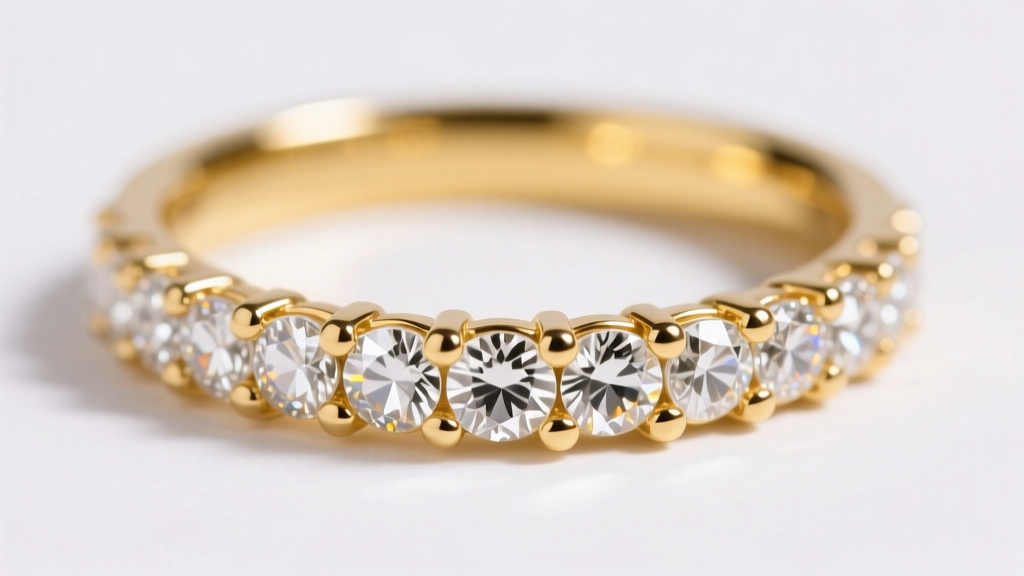
For buyers with a higher budget, Platinum 950 (95% pure platinum, usually alloyed with ruthenium or iridium) is the standard for high-end bridal jewelry. It is denser, heavier, and naturally white, meaning it will never require rhodium plating like white gold. Expect to pay a 40% to 60% premium for platinum over 18k white gold, a cost driven by the metal's density and the higher labor costs associated with casting and polishing it.
The Hidden Cost of Melee and Accent Stones
One of the most overlooked aspects of jewelry valuation is the quality of 'melee'—the small diamonds (typically 0.01 to 0.18 carats) used in halos, pavé bands, and accent settings. When evaluating the Blakeman's fine jewelry company profile, the treatment of melee stones is a major differentiator between true fine jewelry and mass-market demi-fine pieces.
Commercial vs. Premium Melee
Mass-market manufacturers often use 'commercial melee,' which consists of I1-I2 clarity and J-K color diamonds. These stones can appear cloudy or slightly yellow, dragging down the visual appeal of the entire piece. In contrast, premium legacy jewelers utilize 'fine melee' (G-H color, SI1-SI2 clarity) or even 'ideal melee' (E-F color, VS clarity).
As noted by the Gemological Institute of America (GIA), the overall brilliance of a piece is heavily dependent on the light return of all its diamonds, not just the center stone. A halo of poorly cut, cloudy melee will make a flawless center diamond look dull by comparison. The Blakeman's profile typically aligns with the premium melee standard, which justifies a higher upfront cost but ensures superior optical performance.
Value Comparison: Legacy Retail vs. Market Averages
To contextualize the budget requirements, the following table compares the typical specifications and pricing tiers of a legacy fine jewelry profile against industry averages for comparable pieces in the 2026 market.
| Feature | Legacy Fine Jewelry Profile | Industry Average / DTC Brands | Budget Impact |
|---|---|---|---|
| Center Stone Certification | GIA or AGS (Strict Grading) | IGI or In-House (Variable) | +15% to 25% premium for GIA |
| Melee Diamond Quality | G-H Color / SI1 Clarity | I-J Color / I1-I2 Clarity | +10% premium, massive visual upgrade |
| Metal Casting Method | Hand-finished / Die-struck | Mass Cast / 3D Printed Resin | Higher labor cost, better durability |
| Post-Purchase Services | Lifetime sizing, cleaning, prong tightening | 1-year limited warranty, mail-in repairs | Factored into initial retail markup |
Value Retention: Resale vs. Retail Reality
A common misconception among first-time luxury buyers is that fine jewelry operates like real estate, appreciating or holding its exact retail value. The reality of the secondary market is starkly different. Whether you are buying from a brand fitting the Blakeman's fine jewelry company profile or a high-end designer maison, the moment you walk out of the store, the piece's resale value drops significantly.
The Appraisal vs. Liquidation Gap
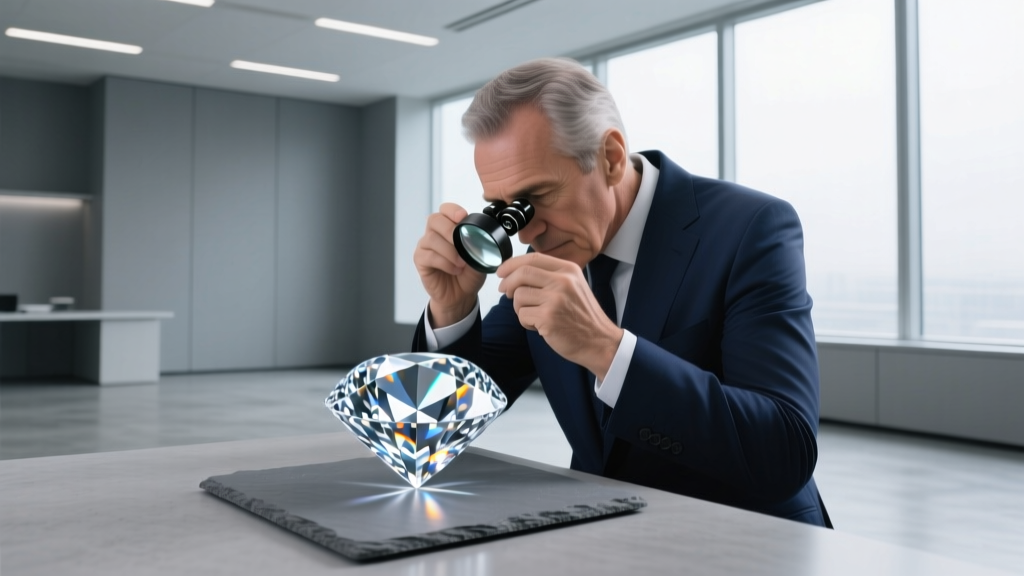
Insurance appraisals are often written at 'replacement value,' which reflects the highest possible retail cost to replace the item in a traditional brick-and-mortar store. However, if you attempt to sell the piece on the secondary market, buyers and diamond dealers will only pay the 'liquidation value'—essentially the wholesale cost of the raw materials and the center stone.
For example, an 18k gold diamond engagement ring purchased for $10,000 might have an insurance appraisal of $12,000. Yet, its secondary market liquidation value might only be $3,500 to $4,500. The gold is valued at its daily melt weight, and the diamond is valued based on the current Rapaport wholesale pricing, minus a dealer margin.
Expert Takeaway: Never buy fine jewelry with the expectation of financial ROI or short-term resale value. The budget you allocate to a legacy fine jeweler is an investment in craftsmanship, ethical sourcing, and the emotional significance of the piece, not a financial asset class.
Final Verdict: Is the Premium Justified?
Evaluating the Blakeman's fine jewelry company profile through the lens of budget and value reveals a clear trade-off. You are undeniably paying a premium for the brick-and-mortar experience, the expertise of the staff, and the rigorous quality control applied to secondary elements like melee diamonds and metal finishing.
If your primary goal is to maximize the carat weight of a center diamond on a strict budget, a direct-to-consumer online retailer may offer a more mathematically efficient path. However, if you value the tactile experience of trying on pieces, the security of GIA-certified grading, the brilliance of premium melee, and the safety net of lifetime in-store servicing, the legacy pricing model is entirely justified. Smart buyers in 2026 know that true value in fine jewelry is not just about the lowest price per carat; it is about the intersection of exceptional materials, master craftsmanship, and enduring retail support.


