Ashes Jewelry Glass: Technical Guide to Encapsulation & Durability
Discover the technical science behind ashes jewelry glass. Learn about borosilicate vs. soda-lime, annealing processes, and encapsulation durability.

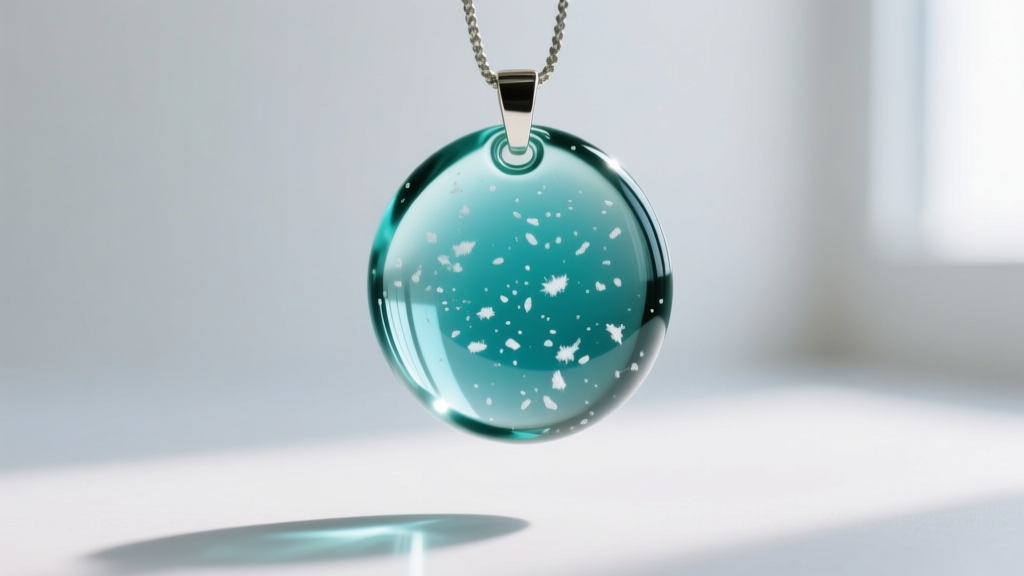
The Chemistry of Ashes Jewelry Glass: Borosilicate vs. Soda-Lime
When evaluating memorial keepsakes, the term "ashes jewelry glass" encompasses a highly specialized branch of lampworking and vitreous science. Unlike traditional jewelry making, encapsulating cremains requires an intimate understanding of glass chemistry, specifically the Coefficient of Expansion (COE). Glass is an amorphous solid, and when foreign particulates are introduced, the structural integrity of the final piece hinges entirely on the base glass composition.
There are two primary types of glass used in cremation jewelry:
- Borosilicate Glass (COE 33): Often recognized by the brand name Pyrex, borosilicate contains boron trioxide, which drastically lowers its thermal expansion. This makes it highly resistant to thermal shock and ideal for durable, everyday-wear pendants and rings.
- Soda-Lime Glass (COE 104): The standard for traditional lampwork beads. It melts at lower temperatures and offers a vastly superior color palette, but it is much more susceptible to thermal shock and impact fractures.
The most critical technical rule in glass encapsulation is COE matching. If an artisan uses a 104 COE color rod to create a decorative swirl inside a 33 COE borosilicate clear core, the differing contraction rates during cooling will generate immense internal shear stress, guaranteeing the piece will shatter.
The Encapsulation Process: Fusing Cremains into Glass
Encapsulating human or pet cremains is not as simple as pouring ash into molten glass. Cremated remains are primarily composed of crystalline calcium phosphate. Crucially, calcium phosphate has a melting point exceeding 3,000°F (1,650°C), which is far beyond the working temperature of standard lampworking torches (typically 1,800°F to 2,100°F). Therefore, the ash does not melt; it remains as solid microscopic inclusions within the glass matrix.
Temperature Thresholds and Carbon Burn-Off
If cremains are introduced directly into the flame without preparation, residual organic carbon will burn off, causing violent outgassing. This results in heavy bubbling, cloudy glass, and structural voids. As of 2026, industry-leading glass artisans mandate a strict preparation protocol:
- Calcination: The ash is pre-heated in a kiln to approximately 1,400°F to burn off any remaining carbon compounds before it ever touches the glass.
- 200-Mesh Sieving: The calcined ash is passed through a 200-mesh sieve (yielding particles no larger than 74 microns). Larger bone fragments act as stress concentrators. If a 2mm bone fragment is encased in glass, the sharp edges of the crystalline structure will initiate micro-fractures the moment the glass cools.
- Frit Encapsulation: The finely sifted ash is often rolled onto a hot glass "gather" or mixed into crushed glass (frit), then fully encased in a final layer of clear glass (the "casing") to ensure no ash touches the wearer's skin or the metal core.
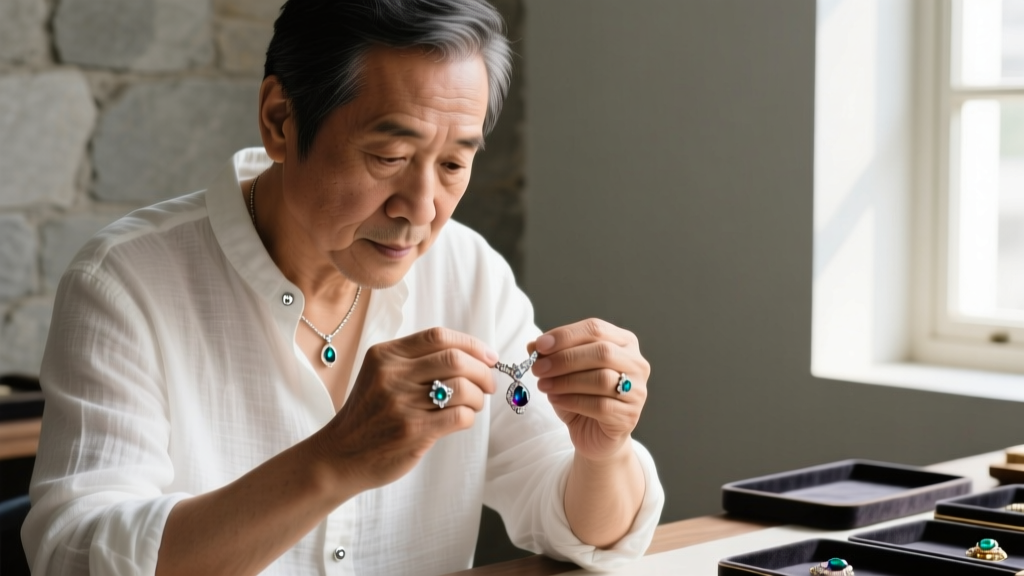
Structural Integrity: Annealing and Stress Fractures
The single greatest point of failure in ashes jewelry glass is improper annealing. When glass is worked under a torch, the exterior cools faster than the interior, locking in severe molecular tension. According to the Corning Museum of Glass, annealing is the process of heating the glass to its specific annealing point (e.g., 960°F for borosilicate, 900°F for soda-lime) and holding it there in a digitally controlled kiln.
This "soak time" allows the molecules to relax and align. The kiln is then slowly ramped down to the strain point. If an artisan skips this step or rushes the cooling process, the glass is left in a state of high photoelastic stress. Such pieces may survive the initial creation but are prone to spontaneous shattering weeks or months later due to minor ambient temperature changes or the vibration of being worn.
Durability Comparison: Glass vs. Resin vs. Metal Inlays
When selecting memorial jewelry, understanding the material science helps set realistic expectations for longevity and wearability. Below is a technical comparison of common encapsulation mediums.
| Material | Mohs Hardness | UV Stability | Thermal Shock Limit | Expected Lifespan |
|---|---|---|---|---|
| Borosilicate Glass | 6.5 - 7.0 | Excellent | High (COE 33) | Centuries |
| Soda-Lime Glass | 5.5 - 6.5 | Good | Low (COE 104) | Decades |
| Epoxy Resin | 2.0 - 3.0 | Poor (Yellows) | Very Low | 5 - 15 Years |
| Metal Inlay | N/A (Surface) | Excellent | N/A | Centuries |
While epoxy resin is cheaper and easier to work with, it is highly susceptible to UV degradation (yellowing) and scratching. Glass, particularly borosilicate, offers superior optical clarity and scratch resistance, making it the premium choice for heirloom-quality ashes jewelry.
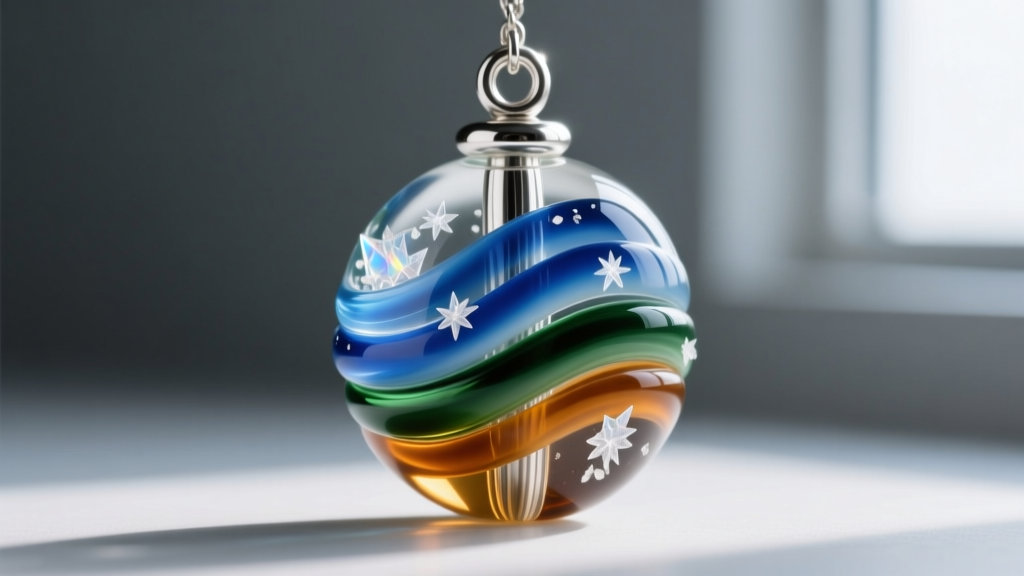
Care, Maintenance, and Mohs Hardness Realities
A common misconception is that glass is impervious to scratching. On the Mohs scale of mineral hardness, borosilicate glass sits at roughly 6.5. However, common household dust contains microscopic particles of quartz, which has a Mohs hardness of 7.0. Over time, wiping dust off a glass pendant with a dry cloth will result in micro-scratches that cloud the encapsulation window.
Actionable Care Protocol:
- Never wipe glass ashes jewelry dry. Always use a microfiber cloth dampened with mild soapy water to lift quartz particles before wiping.
- Avoid ultrasonic cleaners if the glass piece has any metal bails or glued fittings, as the high-frequency vibrations can exploit micro-fissures in the glass or weaken adhesive bonds.
- Remove soda-lime glass rings before washing hands in cold water, as the sudden thermal drop can induce cracking if the glass was not perfectly annealed.
Sourcing Authentic Lampwork Ashes Jewelry Glass
The market is unfortunately flooded with mass-produced, poorly annealed glass beads. When commissioning or purchasing, it is vital to verify the artisan's credentials. Look for members of established organizations like the International Society of Glass Beadmakers (ISGB), which enforces strict safety and annealing standards among its ranks.
Expert Verification Tip: To check for poor annealing in ashes jewelry glass, place the piece between two polarized lenses (like polarized sunglasses) and hold it up to a bright light source. Rotate the piece slowly. If you see a rainbow-like stress pattern (photoelasticity), the glass has severe internal tension and is at high risk of spontaneous shattering. True, kiln-annealed glass will remain mostly dark and uniform under polarized light.
By understanding the vitreous science, COE matching, and strict mesh-sizing requirements of encapsulation, you can ensure that the ashes jewelry glass you choose is not just a beautiful tribute, but a structurally sound heirloom capable of surviving generations.


