How to Prevent Costume Jewelry From Tarnishing: Pro Care Tips
Discover expert methods on how to prevent costume jewelry from tarnishing. Learn about clear coat barriers, storage hacks, and material science.

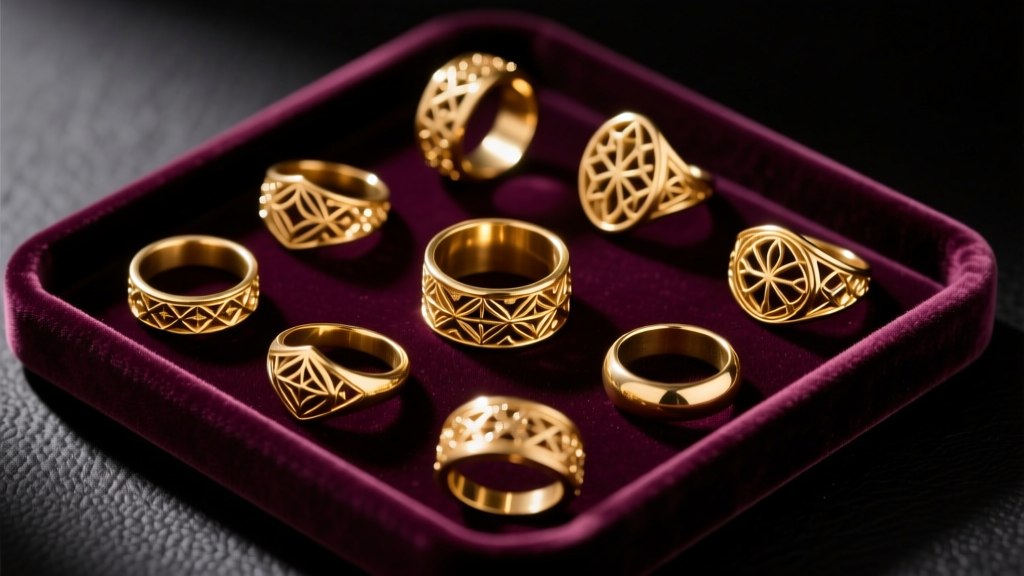
Costume jewelry offers unparalleled access to high-fashion aesthetics and bold statement pieces without the prohibitive costs of fine jewelry. However, the inherent trade-off lies in the materials. Unlike solid gold or platinum, costume pieces rely on base metals—such as brass, cupronickel, and zinc alloys—coated with microscopic layers of precious metals. Understanding exactly how to prevent costume jewelry from tarnishing requires moving beyond generic internet hacks and diving into the material science of oxidation, micro-abrasion, and environmental control. In this comprehensive guide, we analyze the failure modes of flash plating and provide a professional-grade framework for preserving your fashion jewelry collection.
The Chemistry of Tarnish: Why Base Metals Fail
Tarnish is not merely dirt; it is a chemical reaction. When the base metals beneath your jewelry's plating are exposed to sulfur compounds, moisture, and oxygen, they undergo oxidation and sulfidation. According to the GIA Gem Encyclopedia, metals like copper and silver are highly reactive to hydrogen sulfide present in everyday air. Costume jewelry typically utilizes 'flash plating,' a process that deposits a precious metal layer measuring a mere 0.03 to 0.5 microns thick. To put this in perspective, a human hair is roughly 70 microns thick.
Because flash plating is incredibly thin, it is naturally porous. Microscopic pinholes in the plating allow ambient moisture and sulfur to reach the reactive brass or zinc core. Once the base metal begins to oxidize, the corrosion expands outward, causing the top layer of gold or rhodium to blister, flake, and ultimately reveal the dark, tarnished metal beneath. Preventing this requires a multi-tiered approach targeting both the physical barrier and the storage environment.
Barrier Methods: Beyond the Clear Nail Polish Myth
A pervasive myth in fashion jewelry care is the application of clear nail polish to create a protective seal. While nitrocellulose-based nail polishes can provide a temporary physical barrier, they are fundamentally unsuited for long-term jewelry preservation. Nail polish yellows when exposed to UV light, becomes brittle, chips unevenly, and can actually trap moisture against the metal if applied improperly, accelerating localized corrosion.
Professional-Grade Sealants
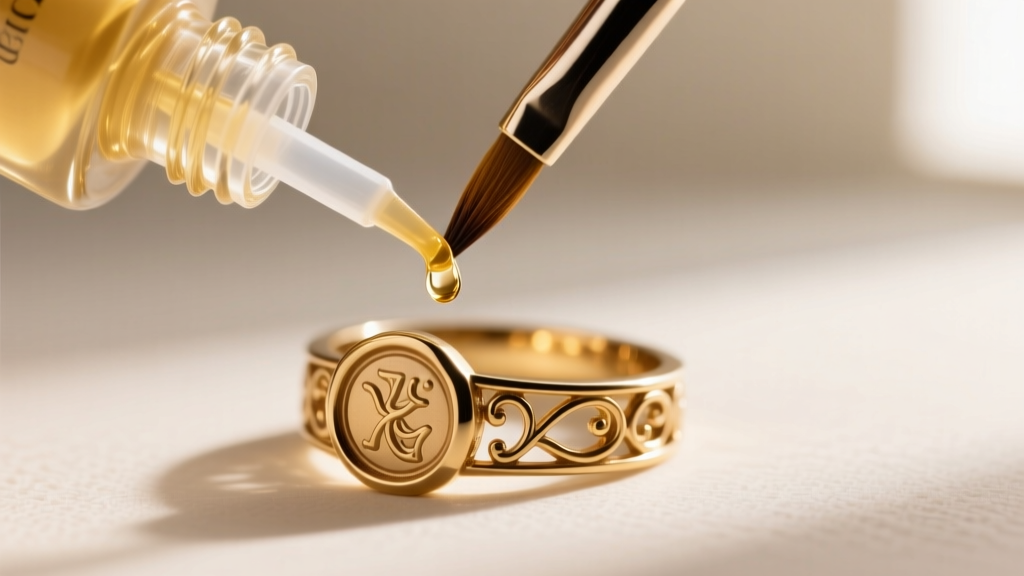
For a reliable, invisible barrier, jewelry conservators and metallurgists recommend specialized polyurethane or acrylic co-polymers. Products like ProtectaClear or Everbrite Coatings are engineered specifically for metal conservation. These sealants are self-leveling, meaning they do not leave brush strokes, and they remain flexible enough to withstand the thermal expansion and contraction of the metal against your skin.
- Preparation: Clean the piece thoroughly with isopropyl alcohol (90% or higher) to remove all skin oils and residues. Allow it to dry completely.
- Application: Apply a single, ultra-thin coat using a high-density foam brush or by dipping the piece. Avoid pooling in crevices or behind gemstone settings.
- Curing: Allow the sealant to cure for 24 to 48 hours in a dust-free environment before wearing. Reapply annually for high-friction pieces like rings and bracelets.
Environmental Control: Mastering Storage Microclimates
How you store your jewelry when it is not being worn is just as critical as how you treat it while wearing it. Tossing costume pieces into an open jewelry box exposes them to fluctuating humidity and airborne sulfides. The goal of proper storage is to create a stable, inert microclimate.
"The greatest enemy of flash-plated costume jewelry isn't just air; it's the micro-abrasions that break the metallic seal, allowing sulfur to attack the porous brass beneath. Proper storage eliminates the sulfur before it can strike."
The Anti-Tarnish Strip Protocol
Standard zip-top plastic bags are a good first step, but they can trap ambient humidity inside if sealed on a muggy day. To actively neutralize corrosive gases, incorporate 3M Anti-Tarnish Strips into your storage routine. These strips utilize a proprietary polymer technology that binds to and absorbs hydrogen sulfide and other tarnish-causing gases. According to Jewelers of America, utilizing anti-tarnish agents in enclosed spaces significantly extends the lifespan of plated metals.
The Golden Ratio: Use one standard anti-tarnish strip for every 50 cubic inches of enclosed space. Place the strip inside a zip-top bag with the jewelry, squeeze out the excess air, and seal it tightly. Replace the strips every six months, or when the indicator mark on the strip turns dark brown or black.
Wear Dynamics: Skin Chemistry and Mechanical Friction
Human skin is naturally acidic, with a typical pH ranging from 4.5 to 5.5. Sweat contains a complex mixture of urea, lactic acid, ammonia, and sodium chloride. When this acidic moisture interacts with the micro-pores in flash plating, it triggers galvanic corrosion. Furthermore, mechanical friction from daily activities acts like fine sandpaper, slowly wearing away the 0.5-micron plating layer.
| Base Metal | Common Use | Primary Tarnish Trigger | Visual Result |
|---|---|---|---|
| Brass | Vintage-style rings, pendants | Oxygen & Moisture | Dark brown or black spotting |
| Cupronickel | Silver-tone chains, hoop earrings | Sulfur & Skin Acids | Greenish-gray patina |
| Zinc Alloy (Pot Metal) | Chunky statement cuffs, brooches | Skin Oils & Salts | Chalky white corrosion and pitting |
To mitigate friction-based wear, remove rings before typing on a keyboard, lifting weights, or doing household chores. The repetitive striking of metal against hard surfaces rapidly compromises the plating on the palmar side of rings, exposing the base metal to sweat and accelerating the tarnishing process from the inside out.
Safe Cleaning Protocols for Compromised Plating
When your costume jewelry does accumulate oils, lotions, and environmental grime, aggressive cleaning methods will destroy what remains of the plating. Never use ultrasonic cleaners, as the high-frequency cavitation will literally shake the fragile flash plating off the base metal. Similarly, avoid chemical silver dips (like Tarn-X), which contain harsh thiourea compounds that will strip gold plating instantly.
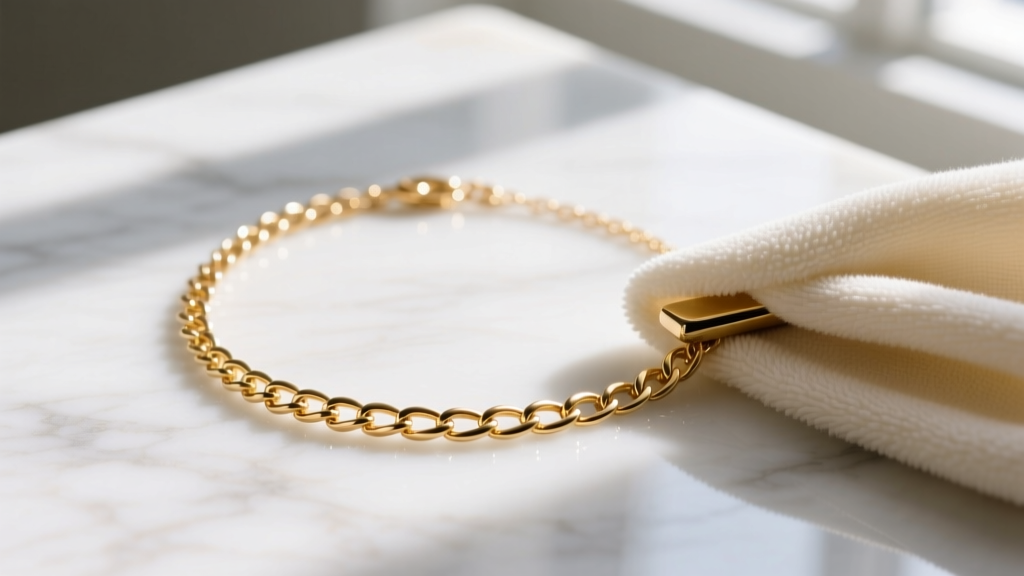
Instead, utilize a gentle, non-ionic surfactant approach:
- Mix a few drops of mild, phosphate-free dish soap (such as Dawn) into a bowl of distilled water. Distilled water is crucial; tap water contains chlorine and dissolved minerals that can cause spotting and accelerate oxidation on exposed base metals.
- Submerge the jewelry for no more than 3 to 5 minutes to loosen sebum and cosmetic residues.
- Gently agitate the water. If intricate detailing requires scrubbing, use an ultra-soft baby toothbrush, brushing strictly in one direction to avoid cross-hatching the soft gold layer.
- Rinse briefly in a second bowl of clean distilled water.
- Pat dry immediately with a lint-free microfiber cloth. Do not air dry, as water spots will form and etch into the surface.
The Demi-Fine Threshold: When to Upgrade Your Collection
While meticulous care can extend the life of costume jewelry for years, there comes a point where the cost of maintenance outweighs the value of the piece. If you find yourself constantly reapplying sealants or battling green skin stains from copper-heavy base metals, it is time to evaluate the demi-fine threshold.
Demi-fine jewelry bridges the gap between disposable fashion pieces and fine jewelry. The industry standard for high-quality demi-fine is Gold Vermeil (pronounced ver-may). Unlike flash plating over brass, vermeil mandates a thick layer of gold (minimum 2.5 microns) bonded over a solid sterling silver base. Because sterling silver is a precious metal, even if the gold layer eventually wears thin after years of heavy use, the underlying metal will not turn your skin green or corrode into chalky white pits. By understanding the material science of your accessories, you can strategically curate a collection that balances high-impact style with enduring material integrity.


