Cleaning Wholesale Fashion Jewelry Supplier No Minimum Order Pieces
Learn expert cleaning and maintenance tips for inventory sourced from a wholesale fashion jewelry supplier no minimum order. Protect plating and base metals.

The Reality of Sourcing and Cleaning No-MOQ Inventory
In 2026, the barrier to entry for launching an independent jewelry boutique or building a massive personal collection has never been lower. Utilizing a wholesale fashion jewelry supplier no minimum order allows entrepreneurs and stylists to test trends without committing to thousands of dollars in upfront inventory. However, this accessibility comes with a distinct metallurgical challenge. Unlike fine jewelry crafted from solid 14k gold or platinum, fashion jewelry relies on complex base metals, thin micron plating, and synthetic adhesives. When these pieces arrive directly from overseas manufacturing hubs, they are often coated in factory machine oils, anti-tarnish waxes, and environmental residues that must be carefully stripped before the pieces can be worn or sold.
Cleaning fashion jewelry is not as simple as tossing it into an ultrasonic machine or scrubbing it with baking soda. In fact, improper cleaning is the leading cause of premature plating failure, cloudy rhinestones, and irreversible base metal oxidation. To maximize the lifespan of your inventory, you must understand the specific chemistry of the materials you are handling and adopt a meticulous, multi-stage cleaning protocol.
The Anatomy of No-MOQ Wholesale Fashion Jewelry
Before applying any cleaning solution, you must identify the base metal and the plating method. According to the Federal Trade Commission (FTC) Jewelry Guides, understanding metal composition is critical for accurate marketing and proper care. Most no-minimum-order fashion jewelry falls into one of three base metal categories:
- Zamak (Zinc Alloy): A blend of zinc, aluminum, magnesium, and copper. It is highly malleable, allowing for intricate castings, but it is porous and prone to white, powdery oxidation if the plating is compromised.
- Brass: An alloy of copper and zinc. It provides a smooth surface for plating but is notorious for causing "green skin" (copper chloride oxidation) when exposed to sweat and oxygen.
- 316L Stainless Steel: The most durable base metal, often used for hypoallergenic claims. It does not require plating to resist rust, but it is frequently PVD (Physical Vapor Deposition) coated with gold or rose gold for aesthetic purposes.
The plating on these pieces is typically "flash plating," meaning the gold or silver layer is exceptionally thin—usually between 0.1 and 0.3 microns. Some higher-tier suppliers apply an e-coating (electrophoretic lacquer) over the plating to seal it. Your cleaning goal is to remove surface dirt without stripping this microscopic metallic layer or dissolving the e-coating.
Initial Prep: Removing Factory Oils and Residues
When your inventory arrives, it will likely feel slightly greasy or have a dull, waxy film. This is a deliberate anti-tarnish coating applied at the factory to survive ocean freight. Do not use harsh degreasers, acetone, or alcohol, as these will instantly dissolve flash plating and melt the foil backing off glass rhinestones.
The Surfactant Wash Method
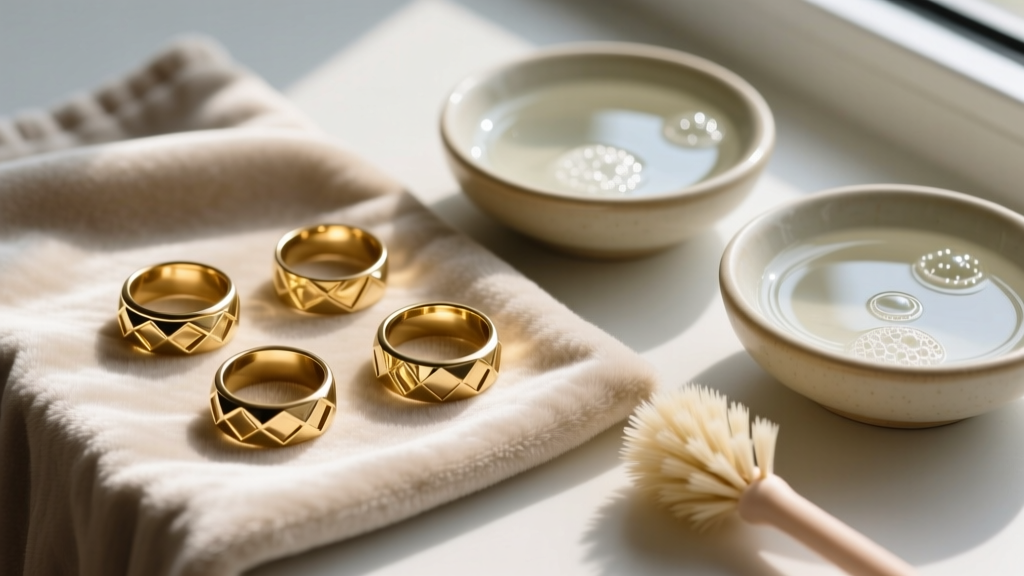
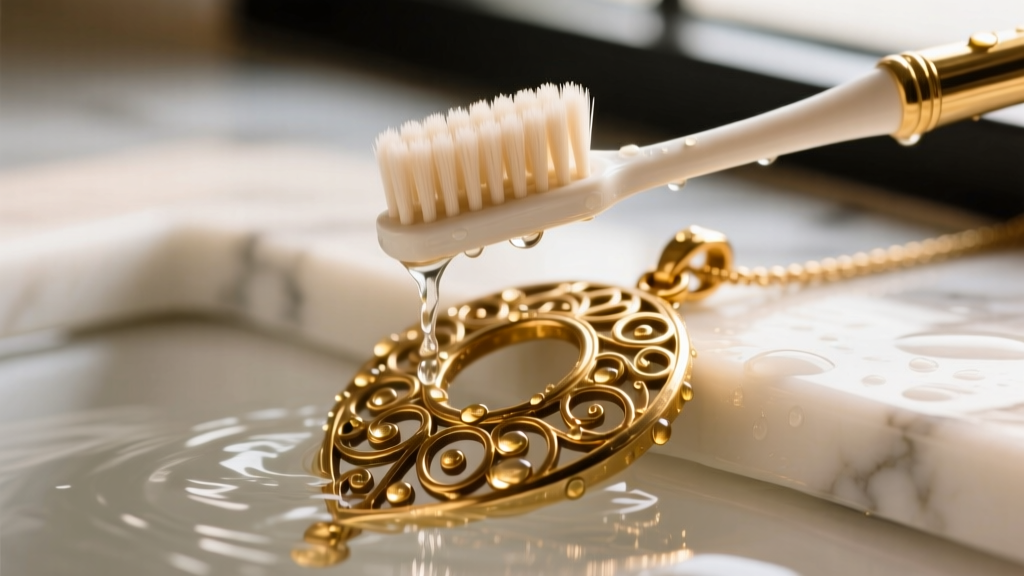
The safest way to strip factory oils is by using a pH-neutral surfactant. Mix a few drops of mild, lotion-free dish soap (like original Dawn) into a bowl of lukewarm distilled water. Tap water contains chlorine and heavy minerals that can accelerate tarnishing on exposed brass or copper bases. Submerge the jewelry for no more than 60 seconds. Using a soft-bristled baby toothbrush, gently agitate the crevices, prongs, and filigree work. Rinse immediately under a gentle stream of lukewarm distilled water, and pat dry with a lint-free microfiber cloth. Never air-dry fashion jewelry, as water spots will permanently etch into the thin metallic plating.
The Ultrasonic Cleaner Warning
While ultrasonic cleaners are a staple for fine jewelry, they are highly destructive to wholesale fashion pieces. The high-frequency cavitation bubbles will shatter glued-in glass rhinestones, rattle loose the epoxy holding enamel in place, and literally peel 0.1-micron flash plating right off the zinc alloy base. Reserve ultrasonic machines strictly for solid sterling silver or solid gold pieces without porous gemstones.
The Cleaning Matrix: Material-Specific Protocols
Different materials react violently to the wrong chemicals. The Gemological Institute of America (GIA) emphasizes that porous materials and treated metals require highly specific care regimens. Use the matrix below to determine the correct protocol for your inventory.
| Base Material | Plating / Finish | Safe Cleaning Agent | Strictly Avoid |
|---|---|---|---|
| Zinc Alloy (Zamak) | Gold Flash (0.1μm) | pH-neutral soap, distilled water, microfiber | Baking soda, toothpaste, ultrasonic |
| Brass | Silver Plating + E-coat | Dry microfiber polishing cloth only | Silver dip liquids, ammonia, lemon juice |
| 316L Stainless Steel | PVD Gold / Unplated | Mild soap, isopropyl alcohol (70%) | Bleach, chlorine pool water |
| Alloy with Rhinestones | Mixed Metal / Foil-backed | Damp Q-tip, glass cleaner (on stone only) | Full submersion, ultrasonic, heat |
Daily Maintenance and Anti-Tarnish Storage
Cleaning is only half the battle; environmental control is where the real preservation happens. Tarnish on fashion jewelry is primarily caused by sulfur compounds in the air reacting with the copper or silver content in the base metal or plating. This reaction creates silver sulfide or copper sulfate, manifesting as a black or greenish film.
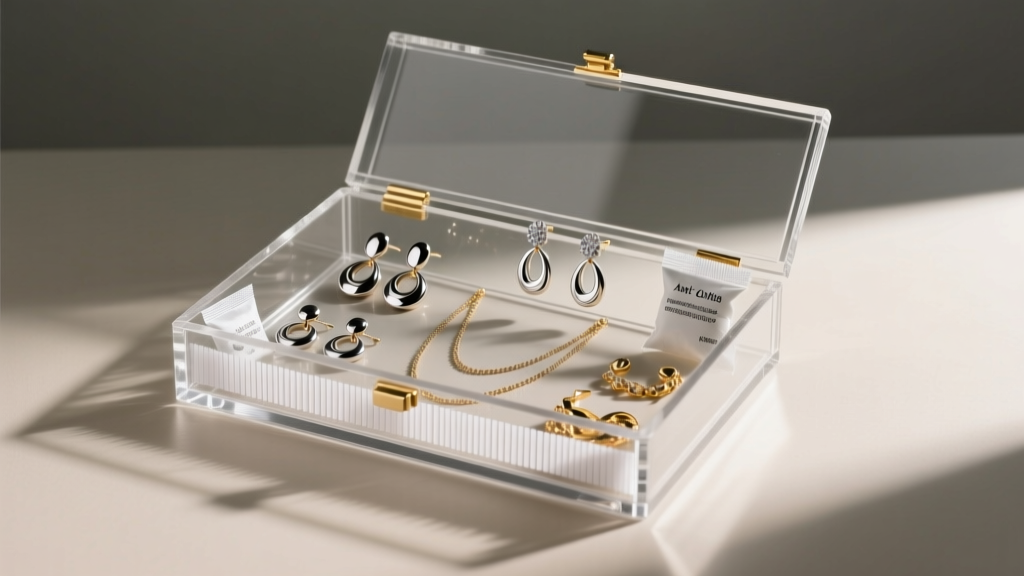
To protect your no-MOQ inventory, you must control the micro-climate of your storage area. Line your storage drawers or acrylic organizers with 3M anti-tarnish strips, which actively absorb airborne sulfur gases before they can reach the metal. Furthermore, humidity is the catalyst for galvanic corrosion. Always store fashion jewelry in sealed ziplock bags with a small packet of silica gel desiccant to keep the relative humidity below 40%. Never store fashion pieces in cardboard boxes or wrap them in newspaper, as the breakdown of wood pulp releases sulfuric acid vapors that will rapidly blacken silver-plated items.
Troubleshooting Common Failure Modes
Even with meticulous care, wholesale fashion jewelry is subject to wear and tear. Here is how to troubleshoot and salvage common issues encountered with boutique inventory.
The "Green Skin" Phenomenon (Copper Chloride)
When brass-based jewelry contacts the natural acids and salts in human sweat, it creates copper chloride, leaving a green stain on the wearer's skin. If you are selling these pieces, transparency is key. Advise customers to coat the inside of rings or the back of pendants with a thin layer of clear, non-yellowing polyurethane nail polish. This creates a physical barrier between the reactive copper and the skin. If the jewelry has already turned green, do not scrape it; instead, wipe it gently with a cloth dampened with white vinegar, then immediately neutralize it with a baking soda paste, rinse with distilled water, and dry thoroughly.
Cloudy or Blackened Rhinestones
Many wholesale fashion pieces feature glass or acrylic rhinestones with a delicate metallic foil backing to enhance light refraction. If moisture breaches the prong setting, the foil oxidizes and turns black, making the stone look dead. You cannot clean this from the top. The only professional fix is to carefully pop the stone out using a dental pick, replace the degraded foil with a fresh piece of metallic leafing, and re-seat the stone with a microscopic drop of jeweler's epoxy. To prevent this, never let rhinestone jewelry near steam, lotions, or submerged water.
Flaking and Peeling Plating
If you notice the gold or silver plating flaking off in tiny sheets, the piece has suffered from galvanic corrosion or poor factory adhesion. Unfortunately, this cannot be polished or cleaned back to life. For high-value statement pieces, you can send them to a specialized electroplating service to have the remaining flash plating stripped and replaced with a heavier 1.0-micron layer, though this often exceeds the original wholesale cost of the item. For lower-tier inventory, it is best to recycle the piece and adjust your future sourcing criteria to prioritize suppliers who utilize e-coating or PVD technology.
Final Thoughts on Inventory Longevity
Sourcing from a wholesale fashion jewelry supplier no minimum order is an incredible strategy for testing market demand and keeping your boutique agile. However, treating these pieces with the same casual care as solid gold will result in high return rates and damaged brand reputation. By implementing pH-neutral cleaning protocols, utilizing distilled water, and strictly controlling your storage environment's humidity and sulfur exposure, you can dramatically extend the retail-ready lifespan of your fashion jewelry inventory. Remember, in the world of fashion jewelry, meticulous maintenance is just as important as the initial design.


