McCaskill and Company Fine Jewelry: 2026 Trend Analysis
Explore 2026 luxury trends through McCaskill and Company fine jewelry. Discover investment-grade estate pieces, signed vintage, and market shifts.

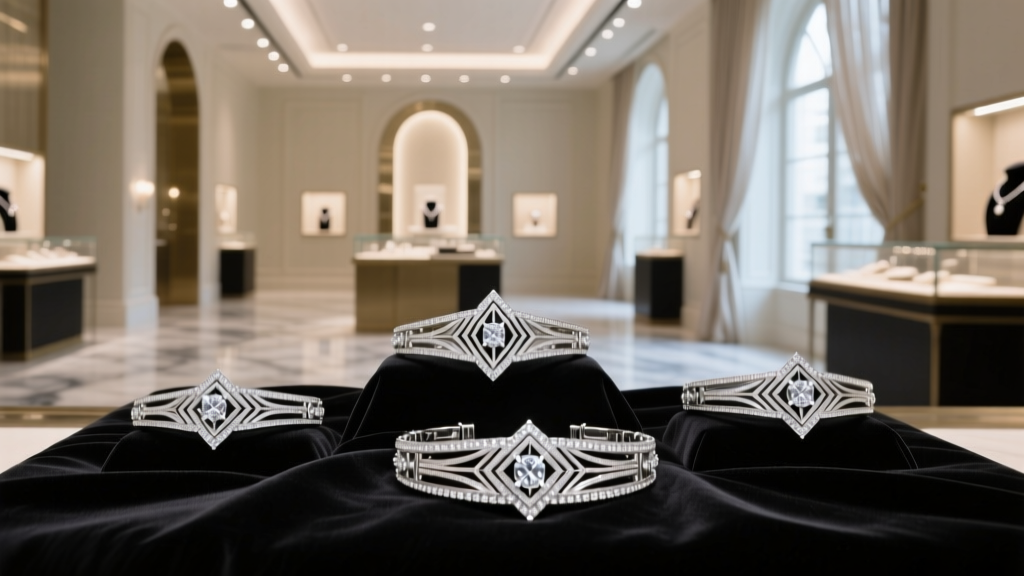
The secondary market for luxury adornment has undergone a radical transformation as we navigate 2026. Discerning collectors are no longer satisfied with mere carat weight or contemporary brand prestige; they are hunting for historical provenance, masterful metallurgy, and rare maker's marks. When evaluating the apex of this market shift, the curation standards of McCaskill and Company fine jewelry serve as a benchmark for understanding what truly holds value in the estate sector. By analyzing the acquisition patterns and stylistic preferences of top-tier estate buyers, we can decode the prevailing trends in high jewelry and provide a strategic framework for collectors and investors alike.
The Flight to Provenance: Why Signed Estate is Outperforming Retail
In 2026, the 'flight to quality' has fully matured into a 'flight to provenance.' The premium placed on signed vintage pieces from houses like Cartier, Van Cleef & Arpels, Boucheron, and Suzanne Belperron has widened significantly compared to the primary retail market. According to market analyses tracked by Sotheby's global jewelry department, signed Art Deco and Retro-era pieces have consistently outperformed contemporary diamond solitaires in year-over-year appreciation.
The driving force behind this is scarcity and historical context. A contemporary 5-carat diamond ring is a commodity; a 1930s Art Deco geometric plaque bracelet featuring calibré-cut synthetic rubies (which were highly prized and expensive in the 1920s and 30s) and old European cut diamonds is an irreplaceable artifact. Top buyers look beyond the 4Cs, prioritizing the architectural integrity of the mounting and the presence of original, untouched hallmarks.
Signed Vintage vs. Unsigned: The Valuation Matrix
Understanding the financial and stylistic divergence between signed and unsigned estate jewelry is critical for any serious collector. The presence of a maker's lozenge or a prestigious house signature can multiply the baseline scrap and gemstone value by a factor of three to ten.
| Valuation Metric | Signed Vintage (e.g., Cartier, VCA) | Unsigned High-Quality Estate | Contemporary Retail |
|---|---|---|---|
| Provenance Premium | 300% - 1000% over melt/gem value | 10% - 40% over melt/gem value | N/A (Priced at retail markup) |
| Liquidity Timeframe | High (30-90 days via auction/private) | Moderate (90-180 days) | Low (High depreciation upon resale) |
| Market Volatility | Low (Historical floor protects value) | Moderate (Tied to gem/metal indices) | High (Subject to brand pricing shifts) |
| Primary Buyer Focus | Design, history, maker's mark | Craftsmanship, material weight | Brand recognition, modern trends |
Material Focus: The Resurgence of Platinum and High-Karat Gold
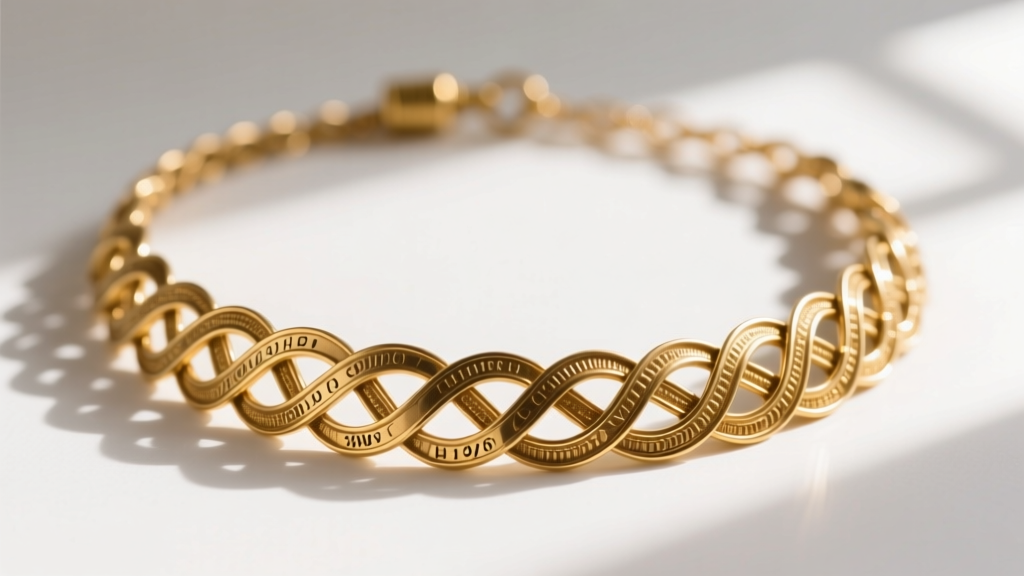
A distinct trend in the 2026 estate market is the renewed appreciation for specific historical metal alloys and their respective hallmarks. Platinum (950Pt) remains the undisputed king of the Art Deco (1920-1935) and Edwardian eras. However, collectors are now heavily scrutinizing the poinçon (hallmark) system, particularly French marks. The presence of a French 'dog's head' (tête de chien) for platinum or an 'eagle's head' (tête d'aigle) for 18K gold guarantees not just purity, but often a specific geographic and temporal origin that adds immense scholarly and financial value.
The 18K and 22K Gold Premium
While 14K gold dominates the American commercial market, high-end estate buyers actively avoid it. The focus is squarely on 18K yellow gold, particularly in textural 1970s designs (such as the 'Crash' or 'Bark' finishes), and 22K gold in mid-century cocktail rings. The rich, buttery hue of high-karat gold cannot be replicated by modern lower-karat alloys, making these pieces highly sought after for their distinct visual weight and historical authenticity.
2026 Silhouette Trends: What Top Buyers Are Acquiring
Style trends in the estate sector move in decades-long cycles. Currently, the market is seeing a massive surge in demand for specific historical silhouettes that offer versatility and bold architectural presence.
- 1930s Convertible Double-Clip Brooches: Pieces that can be worn as a single symmetrical brooch, split into two asymmetrical dress clips, or attached to a frame to become a choker. The mechanical ingenuity of these pieces is highly prized.
- 1940s Retro Tubogas and Gas Pipe Chains: Characterized by bold, flexible, interlocking gold bands that require zero soldering. These pieces represent the ultimate fusion of industrial design and luxury.
- 1970s Textural Gold Cuffs: Moving away from the gem-heavy designs of the 50s, 70s cuffs rely entirely on the manipulation of gold—hammering, weaving, and bark-texturing—to create visual interest.
- Belle Époque Garlands: Delicate, lace-like platinum and diamond necklaces from the early 1900s that mimic silk ribbons and bows, showcasing the absolute limits of hand-forged filigree.
Investment Framework: Avoiding the Pitfalls of Estate Acquisition
Acquiring fine estate jewelry requires a rigorous due diligence process that goes far beyond standard retail purchases. As noted by gemological experts at the Gemological Institute of America (GIA), the historical integrity of a piece is easily compromised by well-meaning but historically ignorant repairs.
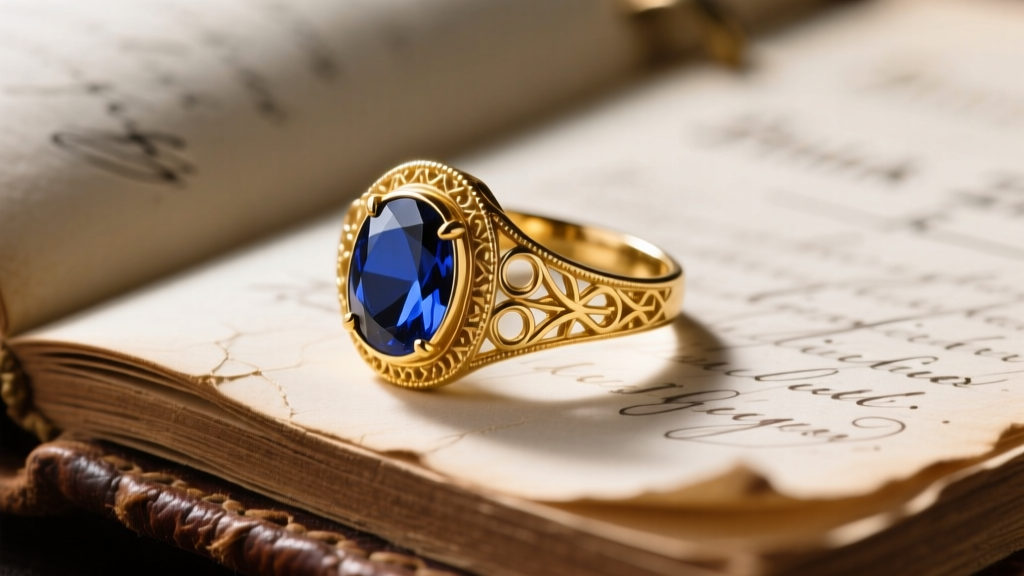
A common and devastating failure mode in the estate market is the silent replacement of historical stones. For example, a 1920s platinum filigree ring may feature beautiful old European cut diamonds, but if a damaged calibré-cut synthetic sapphire was replaced with a modern natural sapphire or a glass doublet, the historical integrity is fractured. Top buyers utilize ultraviolet fluorescence testing and microscopic inclusion mapping to ensure that every stone in a multi-gem piece is period-correct.
"True estate curation is about preserving the narrative of the metal and the stones. A replaced melee diamond or a laser-welded repair on a hand-forged Edwardian mounting doesn't just alter the physical object; it erases a chapter of its history."
Building a Resilient Collection
To build a collection that mirrors the caliber of McCaskill and Company fine jewelry, collectors must adopt a disciplined acquisition strategy. First, prioritize condition over size; a pristine, unpolished 2-carat Art Deco ring will always outperform a heavily polished, structurally compromised 4-carat piece. Second, demand original documentation or period-correct box and papers when possible, as provenance documentation can add a 20% to 30% liquidity premium at auction. Finally, always view the piece under 10x magnification to inspect the hallmarks, ensuring they are struck cleanly and have not been obscured by decades of aggressive polishing.
As the 2026 market continues to reward historical literacy and material excellence, the divide between fast-fashion luxury and true heirloom estate jewelry will only widen. By focusing on signed makers, period-correct materials, and architectural silhouettes, collectors can secure pieces that are not only wearable art but resilient financial assets.


