Troubleshooting Materials Used in Fine Jewelry: Allergies & Wear
Is your fine jewelry causing skin reactions or tarnishing? Learn how to troubleshoot the materials used in fine jewelry and fix common wear issues.

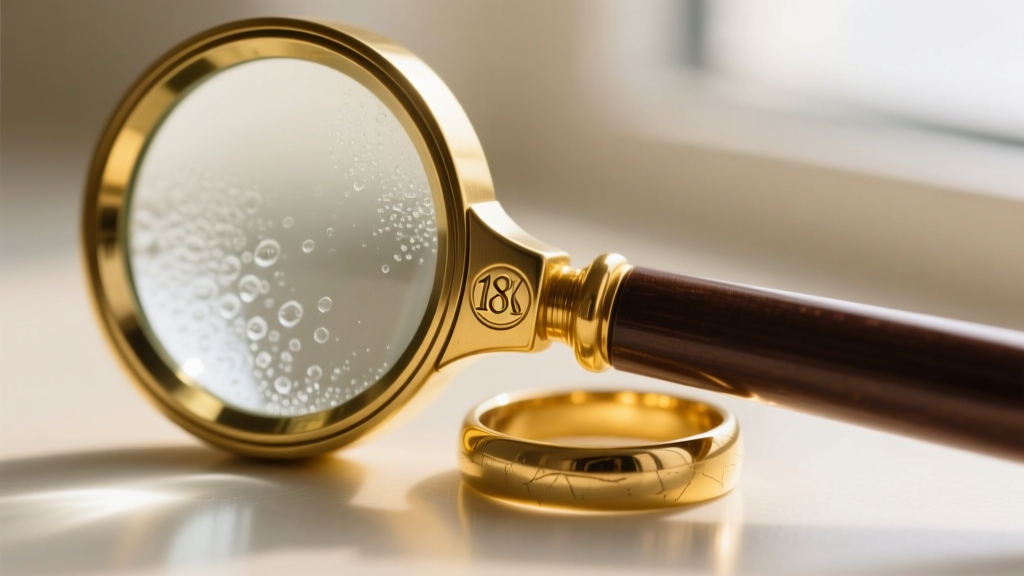
When consumers invest in fine jewelry, they expect heirloom quality, hypoallergenic properties, and enduring luster. However, the reality of daily wear often reveals a different story: green skin, contact dermatitis, unexpected tarnishing, and structural fatigue. To effectively troubleshoot these issues, we must look past the marketing and examine the exact materials used in fine jewelry at a metallurgical level.
The 'Fine Jewelry' Misconception: Understanding Alloys
The term 'fine jewelry' traditionally denotes pieces crafted from precious metals—gold, platinum, palladium, and sterling silver—rather than base metals like brass or copper. However, pure precious metals are rarely used in structural jewelry due to their inherent softness. According to the Gemological Institute of America (GIA), pure 24-karat gold has a Vickers hardness of roughly 25, making it entirely unsuitable for securing gemstones or resisting daily abrasion.
To solve this, jewelers create alloys. The 'trouble' begins here. An 18-karat gold ring is 75% pure gold and 25% alloy metals. A 14-karat ring is 58.5% gold and 41.5% alloy. It is this 25% to 41.5% that dictates the metal's color, durability, and biological reactivity. The Federal Trade Commission (FTC) Jewelry Guides strictly regulate how these karat weights are stamped and sold, but they do not mandate the disclosure of the specific alloy metals used. When troubleshooting skin reactions or premature wear, the hidden alloy composition is almost always the root cause.
Troubleshooting Metal Allergies and Contact Dermatitis
Contact dermatitis from jewelry is rarely an allergy to gold or platinum; it is an immune response to the base metals mixed into the alloy. Nickel and copper are the primary offenders in the fine jewelry space.
Nickel in White Gold: The Most Common Culprit
Historically, nickel was the primary bleaching agent used to create white gold. Today, approximately 15% to 20% of the population suffers from nickel hypersensitivity. If a client experiences an itchy, red, or weeping rash beneath a white gold band, nickel allergy is the immediate suspect.
The Fix: The piece must be replaced or rhodium-plated to create a physical barrier. However, plating wears off. For a permanent solution, the jewelry should be remounted in a palladium-white gold alloy or solid platinum, both of which are highly hypoallergenic.
Copper in Rose Gold and Acidic Sweat
Rose gold achieves its pink hue through a high copper content (often up to 20% or more in 14k rose gold). While copper is less allergenic than nickel, it reacts heavily with acidic environments. Individuals with highly acidic sweat or those who frequently use chemical exfoliants (like AHA/BHA skincare) will experience galvanic corrosion on the surface of rose gold, leading to a metallic smell and localized skin discoloration.
The Fix: Recommend removing rose gold rings during skincare routines and heavy exercise. For severe cases, a clear jewelry guard coating can be applied to the inner shank to block the copper-sweat interaction.
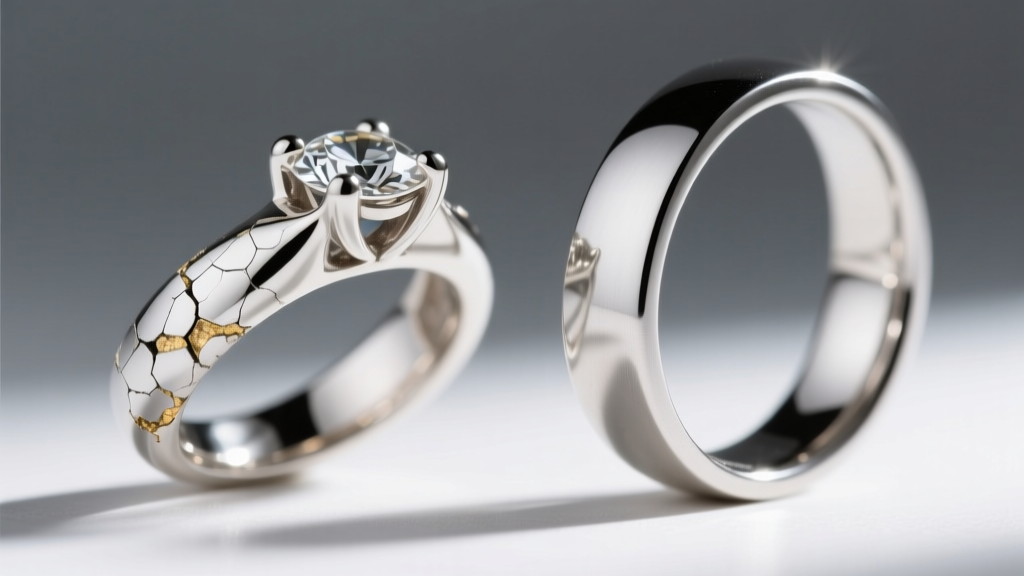
Solving Tarnish and Patina Issues by Material Grade
Tarnish is the result of a chemical reaction between the alloy metals and environmental sulfur, oxygen, or moisture. Pure gold and platinum do not tarnish, but their alloys do. Below is a diagnostic framework for identifying and treating tarnish based on the specific materials used in fine jewelry.
| Material & Grade | Alloy Composition | Tarnish Risk | Troubleshooting & Cleaning Protocol |
|---|---|---|---|
| 14K Yellow Gold | 58.5% Gold, Silver, Copper, Zinc | Low to Moderate | Mild dish soap and warm water. Avoid harsh ultrasonic cleaners if the piece contains porous gems like opals or emeralds. |
| 18K Rose Gold | 75% Gold, 22.25% Copper, 2.75% Silver | Moderate | Polish with a specialized, non-abrasive jeweler's cloth. Do not use chemical silver dips, as they will strip the copper and alter the rose hue. |
| Platinum 950 | 95% Platinum, 5% Ruthenium or Iridium | None (Develops Patina) | Platinum does not tarnish; it displaces, creating a matte 'patina'. Restore high polish using a professional buffing wheel with rouge compound. |
| Sterling Silver 925 | 92.5% Silver, 7.5% Copper | High | Use an electrolytic cleaning bath (aluminum foil, baking soda, and hot water) to reverse silver sulfide tarnish without removing base metal. |
Structural Failures: Prong Wear and Rhodium Flaking
Beyond biological and chemical reactions, the physical properties of these materials dictate their structural lifespan. A common troubleshooting scenario involves a consumer complaining that their white gold ring is 'turning yellow' or that their prongs are wearing down too quickly.
The Rhodium Plating Dilemma
White gold is naturally a faint, warm grayish-yellow. To achieve the brilliant, mirror-like white finish consumers expect, it is electroplated with rhodium (a platinum group metal). Standard plating thickness ranges from 0.5 to 1.0 microns. Depending on the wearer's body chemistry and friction, this plating will wear through in 6 to 18 months, exposing the yellowish alloy beneath.
The Fix: Educate the consumer that this is not a defect, but a maintenance requirement of the material. Re-plate the piece every 12 months. If the consumer wants a zero-maintenance white metal, transition them to Platinum 950.
Metal Fatigue: 14K vs. 18K Gold Prongs
When troubleshooting broken prongs, the karat weight is critical. 18K gold is softer and more malleable, making it easier for a bench jeweler to push the metal over a gemstone's girdle. However, this malleability means 18K prongs are more susceptible to bending and metal fatigue over decades of wear. Conversely, 14K gold is harder and more brittle. It resists bending but can snap if subjected to sudden impact or repeated sizing adjustments.
The Fix: For high-impact rings (like engagement rings worn daily), 14K gold or platinum is structurally superior for prongs. If an 18K prong fails, it should be laser-welded rather than soldered with a torch to prevent heat damage to the surrounding stones and to maintain the structural integrity of the high-karat alloy.
Diagnostic Framework: Identifying Mystery Materials
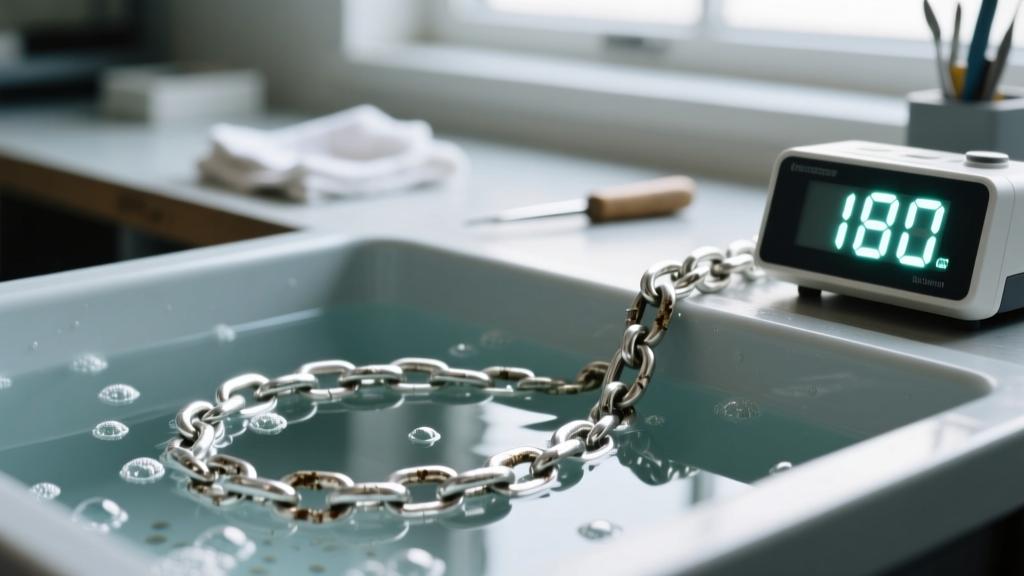
When a piece lacks a hallmark or the hallmark is suspected to be counterfeit, jewelers and informed consumers must rely on diagnostic testing to determine the exact materials used in fine jewelry before attempting repairs or cleanings.
- Magnet Test: Precious metals (gold, platinum, silver, palladium) are non-magnetic. If a 'gold' chain is attracted to a rare-earth neodymium magnet, it contains a ferromagnetic core (like steel or iron) and is heavily plated or entirely counterfeit.
- Specific Gravity (SG) Test: Using a hydrostatic scale, measure the piece's density. Pure gold has an SG of 19.3, while 14K gold sits around 13.0 to 14.0. Platinum is exceptionally dense at 21.4. This non-destructive test is highly accurate for solid pieces.
- XRF Spectrometry: For definitive, non-destructive alloy breakdown, X-Ray Fluorescence (XRF) scanners bombard the metal with X-rays and measure the emitted fluorescent signatures. As noted by metallurgical suppliers like Rio Grande, XRF is the industry standard for verifying karat weight and detecting hidden nickel or cadmium in vintage pieces before they enter the repair stream.
Conclusion: Proactive Material Selection
Troubleshooting jewelry issues almost always traces back to a mismatch between the wearer's lifestyle and the metallurgical realities of the piece. By understanding the exact materials used in fine jewelry—from the nickel content in white gold to the rhodium micron thickness on the surface—both consumers and jewelers can transition from reactive repairs to proactive material selection. Whether choosing a palladium alloy for sensitive skin or opting for platinum's displacement properties for heirloom prongs, knowledge of metal science is the ultimate tool for preserving fine jewelry.


