70s Fashion Jewelry Value Guide: Pricing Vintage Pieces in 2026
Discover the true market value of 70s fashion jewelry in 2026. Learn to identify hallmarks, grade materials, and price vintage Trifari, Coro, and Haskell.

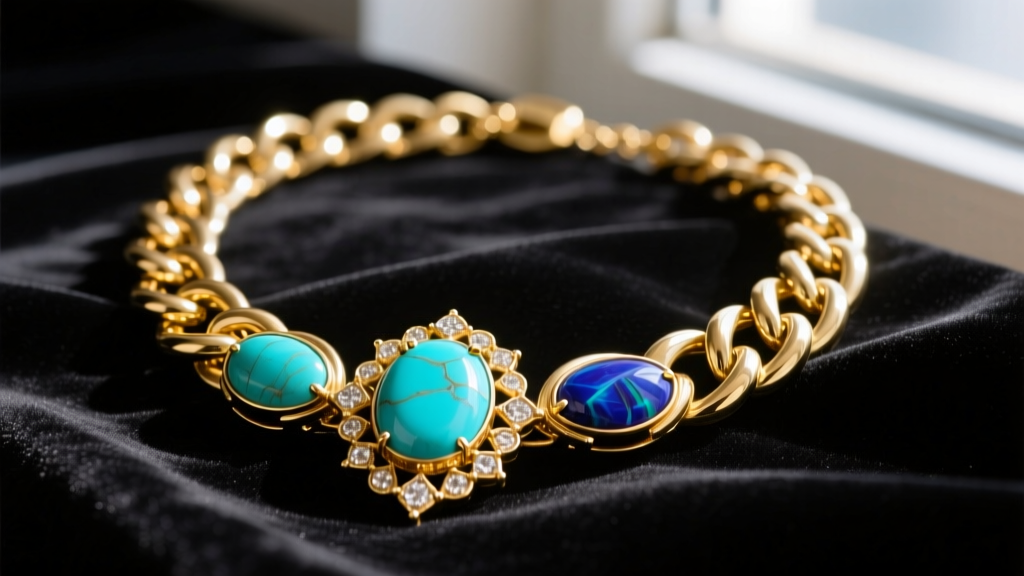
The 2026 Market Landscape for 70s Fashion Jewelry
As we navigate the 2026 vintage market, 70s fashion jewelry has transitioned from a nostalgic trend into a highly sought-after asset class for collectors and style investors. Driven by the exhaustion of Y2K aesthetics and a renewed appreciation for the bold, unapologetic silhouettes of the disco and bohemian eras, secondary market prices for premium 1970s costume pieces have surged by an estimated 22% over the last three years. Furthermore, with the spot price of gold reaching historic highs, collectors are increasingly valuing the heavy gold electroplate and sterling vermeil pieces characteristic of this decade as accessible alternatives to fine jewelry.
However, assessing the true budget and value of 70s fashion jewelry requires moving beyond brand recognition. A mass-produced department store choker from 1974 holds minimal value, while a meticulously crafted, signed piece from a heritage house can command thousands. This guide provides a rigorous framework for evaluating materials, condition, and designer provenance to help you accurately price and acquire vintage 1970s pieces.
Material Breakdown: Decoding 1970s Alloys and Plastics
The 1970s was a decade of material experimentation. To accurately assess value, you must first identify the base metals and plating techniques used. According to the Antique Jewelry University, understanding the distinction between gold-filled, vermeil, and electroplate is the first step in pricing vintage costume jewelry.
Gold Vermeil vs. Heavy Gold Electroplate (HGE)
True gold vermeil from the 1970s consists of a thick layer of 14k or 18k gold plated over a sterling silver base. These pieces are highly valued in 2026, often fetching between $150 and $400 for unsigned bracelets, and significantly more for signed designer work. Look for the '925' stamp alongside the maker's mark. Conversely, Heavy Gold Electroplate (HGE) was applied over base metals like brass or nickel. While HGE pieces from high-end designers like Kenneth Jay Lane retain strong value due to their design merit, unsigned HGE pieces generally cap out at $30 to $60 in today's market.
Proprietary Alloys: Trifanium and Russian Gold
Top-tier 70s fashion jewelry often utilized proprietary base metals that resisted tarnishing. Trifari's 'Trifanium' was a revolutionary alloy that allowed their gold plating to adhere flawlessly without the green oxidation common in cheaper brass bases. Similarly, Miriam Haskell utilized 'Russian Gold'—a proprietary 22k gold plating formula applied over brass and copper that yields a distinct, warm, matte-antique finish. Pieces featuring original, unpolished Russian Gold command a 40% premium over standard gold-plated equivalents.
Poured Glass and Faux Hardstones
The 1970s bohemian movement popularized natural-looking stones. High-end fashion houses used poured glass and meticulously marbled resins to mimic malachite, lapis lazuli, and tortoiseshell. Value assessment here hinges on the bezel work: hand-set stones with closed-back, pronged bezels indicate luxury-tier production, whereas glued-in cabochons on pot metal indicate lower-tier mass production.
Designer Tier List: Pricing the Heavy Hitters
Not all hallmarks carry equal weight. The Vintage Fashion Guild notes that provenance and design complexity dictate the ceiling of a piece's market value. Below is a 2026 pricing matrix for the most prominent 1970s fashion jewelry designers.
| Designer | Typical 1970s Hallmark | 2026 Avg. Price (Necklaces) | Key Value Drivers |
|---|---|---|---|
| Miriam Haskell | 'Miriam Haskell' (Script or Oval Cartouche) | $600 - $1,800+ | Russian gold filigree, hand-wired seed pearls, complex baroque findings. |
| Kenneth Jay Lane | 'K.J.L.' or 'Kenneth Jay Lane ©' | $350 - $950 | Oversized disco-era motifs, heavy pavé rhinestones, celebrity provenance. |
| Trifari | 'Trifari ©' or 'Trifari TM' | $150 - $450 | Use of Trifanium base, brushed gold finishes, elegant botanical motifs. |
| Coro / Vendome | 'Coro ©' or 'Vendome' | $85 - $250 | Articulated link bracelets, high-quality aurora borealis (AB) rhinestones. |
| Yves Saint Laurent | 'YSL' interlocked or 'Yves Saint Laurent ©' | $400 - $1,200 | Bold geometric enamel, heavy brass chains, iconic logo medallions. |
Condition Grading and Value Deductions
When conducting a budget assessment on 70s fashion jewelry, condition is the ultimate arbiter of price. A piece in 'Mint' condition can be worth triple the same piece in 'Good' condition. Use this standardized grading framework to calculate value deductions:
- Mint (100% Value): No visible wear under 10x magnification. Original rhinestone foil is fully intact and reflective. No desilvering or verdigris. Original clasps and safety chains function perfectly.
- Excellent (80-90% Value): Micro-scratches on the gold plating visible only upon close inspection. Minor wear on high-friction points (e.g., clasp edges). All stones present with bright, untarnished foil backing.
- Good (50-70% Value): Noticeable gold loss on the reverse or edges. 'Black death' (tarnished or missing foil backing) present in 10-20% of the rhinestones. Minor verdigris around stone settings that can be safely cleaned.
- Fair/Poor (20-40% Value): Severe base metal pitting, missing stones, broken prongs, or 'dead' (completely blackened) rhinestones. Structural damage to the base metal or non-functional clasps. Valuable primarily for parts or repair.
Pro Tip: Never attempt to polish Russian Gold or brushed matte finishes. Polishing removes the microscopic top layer of the plating, instantly downgrading the piece from Mint to Good and slashing its resale value.
Authentication: Spotting 70s Reproductions and Frankenstein Pieces
As the value of 70s fashion jewelry has climbed, so has the sophistication of modern reproductions. In 2026, buyers must look beyond the front of the piece and analyze the hardware and hallmark typography.
'The presence of the copyright symbol (©) is a vital clue. Following the Universal Copyright Convention, major American jewelry houses began stamping the © symbol alongside their maker's marks to protect their designs. If a piece claims to be from the 1970s but lacks the © symbol, or if the font kerning of the copyright stamp appears sloppy and deeply cast rather than crisply stamped, treat it with extreme suspicion.'
Clasp Evolution and Hardware Analysis
Hardware is notoriously difficult to fake accurately. The trombone clasp (a push-pull tube mechanism) was largely phased out of American and European costume jewelry by the late 1960s. If you encounter a heavy 1970s-style gold chain necklace equipped with a trombone clasp, it is either an older 1950s piece misidentified by the seller, or a modern reproduction utilizing cheap, anachronistic findings. Authentic 70s pieces typically feature fold-over clasps, early spring-ring mechanisms, or heavy hook-and-eye closures with soldered jump rings.
Rhinestone Foil and Setting Techniques
In the 1970s, high-end houses like Trifari and Coro utilized chaton rose rhinestones set into closed-back, foil-lined bezels to maximize light refraction. Modern reproductions often use open-back settings or cheap acrylic stones with painted backing that flakes over time. Use a jeweler's loupe to inspect the edges of the stones; original 70s foil should be seamless and metallic, not painted or glued.
Strategic Sourcing: Where to Buy in 2026
Building a high-value collection of 70s fashion jewelry on a strict budget requires strategic sourcing. While curated vintage boutiques in major metropolitan areas offer authenticated pieces, their overhead costs result in a 100% to 150% retail markup.
For the best budget-to-value ratio, focus on the following channels:
- Estate Sales and Liquidations: The most lucrative hunting ground for mispriced Trifari and Haskell pieces. Look for sales managed by general estate liquidators rather than specialized jewelry appraisers, who may overlook the specific value of 70s costume lots.
- Specialized Online Forums and Facebook Groups: Collector groups dedicated to specific houses (e.g., The Miriam Haskell Collectors Group) often feature 'member-to-member' sales where pieces are priced fairly based on condition, bypassing the fees and markups of platforms like Etsy or RubyLane.
- Auction House 'Mixed Lots': Regional auction houses frequently bundle 1970s fashion jewelry into 'costume jewelry boxes' or 'mixed lot' categories. Bidding on these lots often yields high-end signed pieces for a fraction of their individual retail value, provided you are willing to research the lot photos meticulously.
Ultimately, investing in 70s fashion jewelry in 2026 is an exercise in material literacy and historical appreciation. By mastering the nuances of 1970s electroplating, understanding the evolution of hardware, and strictly adhering to condition grading protocols, you can confidently navigate the market, uncover undervalued masterpieces, and build a portfolio that balances aesthetic brilliance with enduring financial value.


