Betty Cooke Designer Jewelry: Mid-Century Modern Style Analysis
Explore Betty Cooke designer jewelry, analyzing her mid-century modern studio craft techniques, vintage market pricing, and authentication tips.


The Architectural Brilliance of Betty Cooke Designer Jewelry
When discussing the pantheon of American mid-century modern design, the conversation often defaults to furniture or architecture. Yet, the Studio Craft movement produced wearable art that mirrored the structural ingenuity of the era. At the forefront of this wearable revolution was Betty Cooke, a Baltimore-based visionary whose work blurred the line between fine jewelry and kinetic sculpture. As we navigate the 2026 vintage jewelry market, Betty Cooke designer jewelry is experiencing a massive resurgence among collectors who value architectural silhouettes and masterful articulation over traditional gemstone-heavy ostentation.
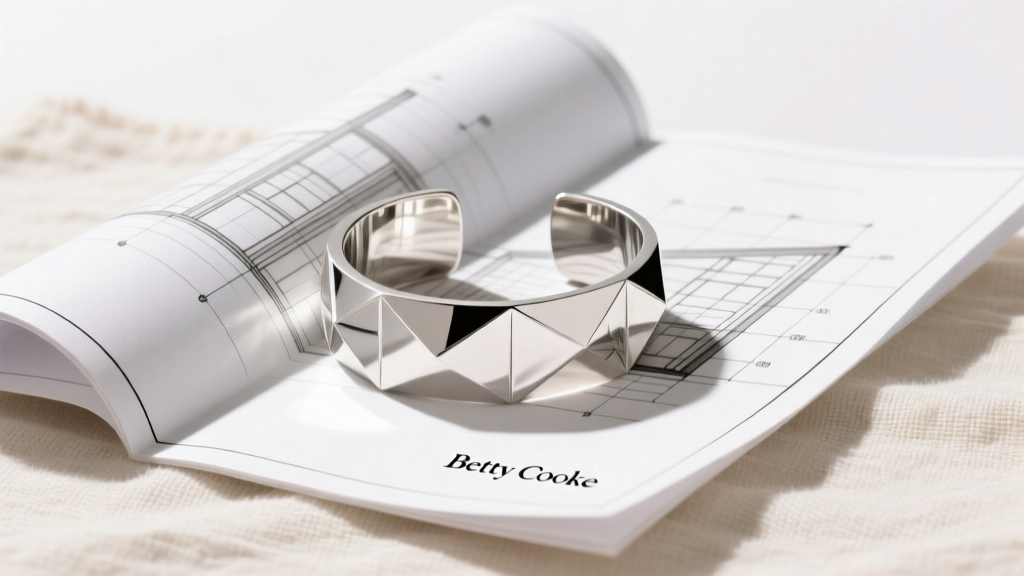
Cooke’s designs are instantly recognizable by their geometric precision, interlocking forms, and mechanical hinges. Unlike the fluid, organic lines of her contemporary Art Smith, Cooke approached jewelry as an engineer and architect. Her pieces were not merely decorative; they were structural marvels designed to move with the human body. Understanding the nuances of her work requires a deep dive into her material choices, her hallmarking systems, and the current collector tiers that define the vintage market today.
Material Mastery: Silver, Gold, and Vitreous Enamel
To authenticate and appreciate Betty Cooke designer jewelry, one must first understand her metallurgical and material standards. Cooke primarily worked in sterling silver, frequently utilizing 18-gauge and 16-gauge sheets to ensure her structural, geometric cuffs and brooches maintained their rigid architectural shapes without excessive weight. When gold was introduced, it was typically deployed as 14k or 18k accents—often in the form of rivets, small spherical beads, or delicate wire-wrapping that contrasted sharply against oxidized silver backgrounds.
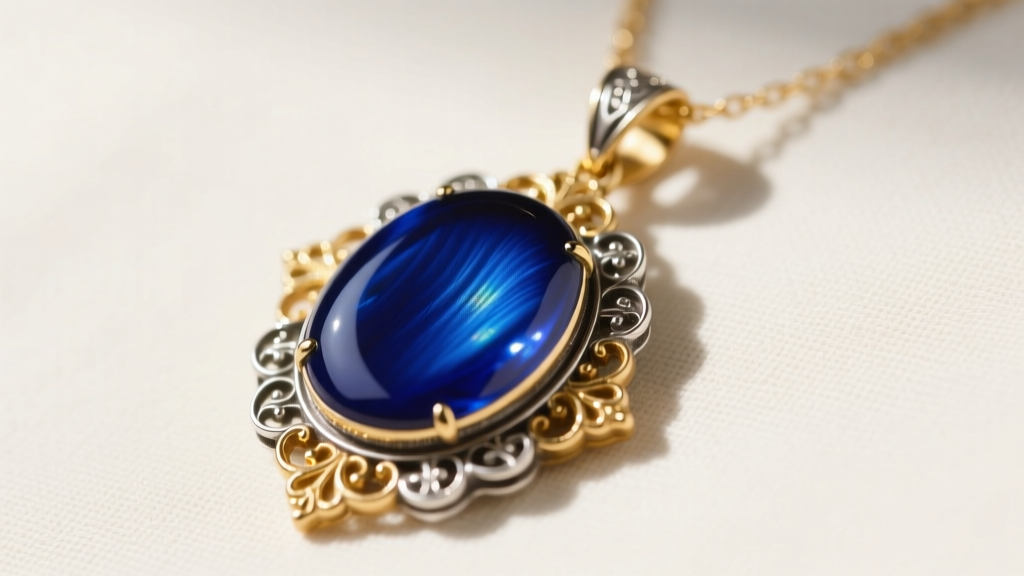
Perhaps her most celebrated material technique was her use of vitreous enamel. Unlike the cold, resin-based epoxies that flooded the costume jewelry market in the late 20th century, Cooke utilized traditional kiln-fired vitreous enamel. This process involves fusing powdered glass to a metal substrate at temperatures exceeding 1,400°F (760°C). The result is a deeply saturated, scratch-resistant surface that retains its cobalt blues, mustard yellows, and stark whites indefinitely. The chemical bond between the silver oxide and the glass creates a permanence that resin simply cannot replicate, making her enameled pieces highly prized by museum curators and serious collectors.
The Mechanics of Articulation
A defining characteristic of Cooke’s mid-century output is her mastery of the rivet. Rather than relying on static soldering, Cooke engineered her necklaces and bracelets with mechanical joints. These micro-rivets, often crafted from contrasting gold or darkened steel, allowed flat geometric plates to articulate fluidly over the collarbone or wrist. This kinetic quality means a genuine Cooke piece will drape like fabric despite being constructed from rigid metal planes.
Market Analysis: Pricing and Collector Tiers
The secondary market for mid-century studio jewelry has matured significantly. As of 2026, Betty Cooke designer jewelry commands premium prices, driven by a dwindling supply of pristine, museum-quality pieces and a growing demographic of buyers seeking quiet, intellectual luxury. Below is a structured breakdown of current market valuations based on recent auction data and specialized vintage dealer listings.
| Piece Category | Primary Materials | Estimated Price Range (USD) | Collector Rarity |
|---|---|---|---|
| Geometric Brooches / Pins | Sterling Silver, occasional 14k rivets | $450 – $1,200 | Common / Accessible |
| Articulated Drop Earrings | Sterling Silver, Gold Accents | $800 – $2,500 | Moderate |
| Vitreous Enamel Pendants | Sterling, Fired Enamel, Gold Chain | $2,200 – $5,500 | High / Sought-After |
| Kinetic Masterpiece Cuffs | 18k Gold, Silver, Complex Hinges | $8,000 – $18,000+ | Museum-Tier / Rare |
Collectors should note that pieces featuring Cooke's famous "Family" motif—a series of abstract, interlocking figures representing familial bonds—often fetch a 20% to 30% premium over her purely geometric abstract works due to their emotional resonance and narrative depth.
Authentication and Hallmarks: Spotting Genuine Cooke Pieces
With the rising value of Studio Craft jewelry, the market has seen an influx of misattributed pieces. Authenticating Betty Cooke designer jewelry requires a meticulous examination of hallmarks, weight distribution, and finishing techniques.
- The Maker's Mark: Cooke typically stamped her work with a clean, sans-serif "COOKE" hallmark, often accompanied by "STERLING". Early pieces from the 1950s may feature a slightly more rudimentary stamp, while her later works from the 1970s and 80s exhibit crisp, machine-pressed clarity.
- Rivet Examination: Inspect the mechanical joints under a 10x jeweler's loupe. Cooke’s rivets are flush, evenly peened, and show no signs of modern laser welding. The movement should be smooth but possess a slight, deliberate tension.
- Enamel Quality: True vitreous enamel will feel like glass to the touch and will remain cool against the skin longer than resin. Look for microscopic bubbles or slight color gradients near the edges, which are hallmarks of kiln-firing rather than chemical curing.
- Patina and Oxidation: Cooke intentionally oxidized the recesses of her silver pieces to highlight the architectural depth. A piece that has been aggressively polished to a mirror shine has likely been improperly restored, diminishing its historical integrity and value.
Styling Mid-Century Studio Craft in Contemporary Wardrobes
Integrating mid-century modern jewelry into a 2026 wardrobe requires an understanding of scale and silhouette. Cooke’s pieces are inherently bold; they are not designed to be layered with delicate, mass-produced chains. Instead, they demand negative space.
"Betty Cooke’s jewelry is not an accessory; it is the focal point of the architecture of an outfit. It requires the canvas of minimalist tailoring to truly breathe." — Archival notes from the Studio Craft Symposium.
For professional environments, a sterling silver Cooke articulated collar necklace pairs flawlessly with a structured, high-neck merino wool sweater or a sharp, collarless blazer. The kinetic movement of the silver plates draws the eye without relying on the flash of diamonds. For evening wear, her vitreous enamel drop earrings provide a striking pop of cobalt or crimson against a monochromatic silk slip dress, bridging the gap between historical artifact and modern high fashion.
Archival Resources and Sourcing
For those looking to deepen their expertise or verify the provenance of a potential acquisition, consulting institutional archives is paramount. The Museum of Arts and Design (MAD) in New York holds significant records and physical examples of the Studio Craft movement, providing excellent visual references for Cooke’s hinge work and enamel techniques. Additionally, the Baltimore Museum of Art frequently features regional mid-century masters, offering localized context to Cooke’s prolific career in Maryland.
When sourcing, bypass generalist estate sales and focus on specialized mid-century design fairs, vetted 1stDibs dealers, and dedicated studio jewelry auction houses. Betty Cooke designer jewelry represents a pivotal moment in American design history—a time when jewelry was elevated from mere ornamentation to wearable, kinetic sculpture. Investing in these pieces is not just an acquisition of precious metals; it is the preservation of mid-century architectural ingenuity.


