What Is a Statement Piece in Jewelry? Budget & Value Guide
Discover what is a statement piece in jewelry through a value lens. We break down material tiers, pricing frameworks, and smart budgeting for bold designs.

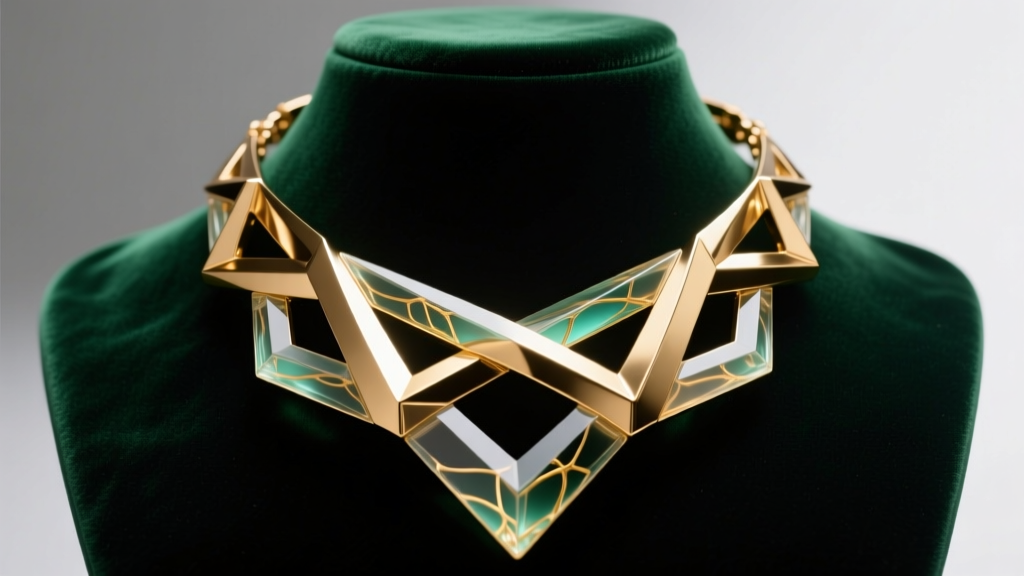
When building a curated collection, understanding the hierarchy of adornment is essential. While minimalist staples form the foundation of a daily wardrobe, the focal points that elevate an outfit require a different approach to purchasing. Answering the question of what is a statement piece in jewelry requires looking beyond mere physical size. It is an assessment of visual weight, architectural design, and, crucially, material longevity. In 2026, as consumers become increasingly savvy about manufacturing transparency, evaluating statement jewelry through a strict budget and value assessment framework is no longer optional—it is essential for avoiding buyer's remorse.
Defining the Impact: Visual Weight vs. Carat Weight
A common misconception is that a statement piece must be massive or heavily encrusted with gemstones. In reality, a true statement piece commands a 60/40 visual weight ratio within an ensemble. It dictates the mood of the outfit rather than merely accessorizing it. This can be achieved through kinetic movement (such as oversized articulated drop earrings), high-contrast material pairing (like oxidized silver against bright enamel), or sculptural, asymmetrical silhouettes.
From a budget perspective, this definition is liberating. You do not need to purchase a 10-carat natural diamond to achieve a statement look. Instead, value is derived from the craftsmanship of the setting, the innovation of the metalwork, and the strategic use of alternative materials that provide maximum visual impact without the exponential price scaling of traditional fine jewelry.
The Material Matrix: Costume, Demi-Fine, and Fine Tiers
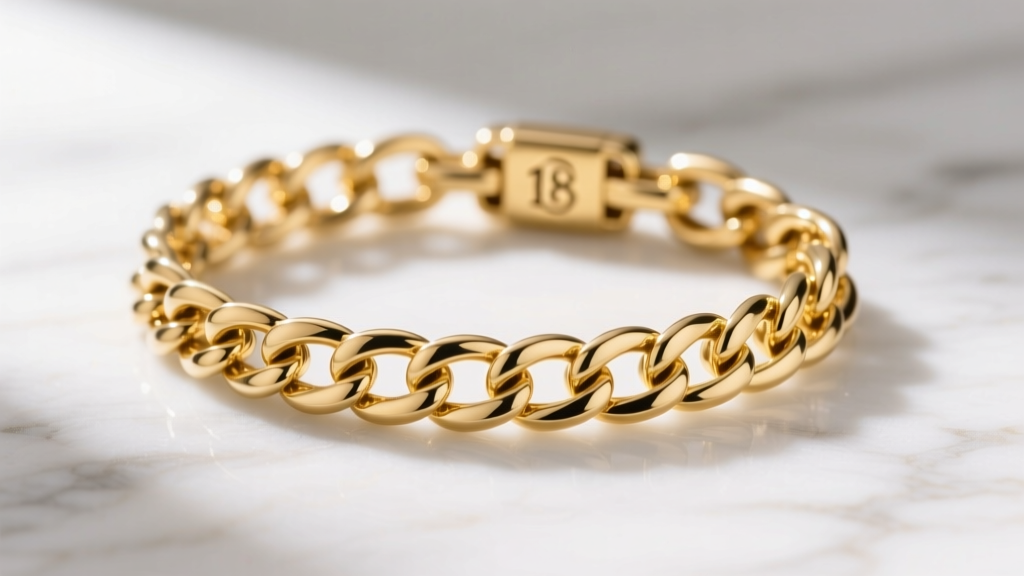
To accurately assess the value of a bold, eye-catching design, you must first identify its material tier. The price gap between a $40 fast-fashion cuff and a $450 demi-fine alternative is justified by the metallurgy and plating thickness, which directly dictate the piece's lifespan.
| Tier | Base Material | Plating / Finish | Expected Lifespan (Daily Wear) | Average Price Range |
|---|---|---|---|---|
| Costume | Brass, Zinc Alloy, Pewter | Flash Plating (<0.175 microns) | 3 - 12 Months | $20 - $90 |
| Demi-Fine | Sterling Silver (925), Stainless Steel | Vermeil (2.5+ microns) or Gold-Filled | 2 - 5 Years | $120 - $600 |
| Fine | Solid 14k/18k Gold, Platinum | Solid throughout, no plating | Lifetime / Heirloom | $800 - $5,000+ |
The Vermeil vs. Gold-Filled Distinction
When shopping for demi-fine statement jewelry, you will frequently encounter the terms 'vermeil' and 'gold-filled.' According to the Federal Trade Commission Jewelry Guides, for an item to be legally marketed as vermeil in the United States, it must consist of a sterling silver base coated with gold of at least 10-karat fineness, and the gold plating must be a minimum of 2.5 microns thick. This thickness is critical for large statement rings or wide cuff bracelets, which endure high friction against the skin and clothing.
Gold-filled jewelry, conversely, involves mechanically bonding a layer of gold to a base metal (often brass), where the gold constitutes at least 1/20th (5%) of the total weight of the metal. For heavy, oversized chain-link necklaces, gold-filled is often superior to vermeil because the thicker gold layer resists tarnishing and wear far better than even the thickest electroplated vermeil.
Budgeting for Impact: Price-to-Wear Ratio Analysis
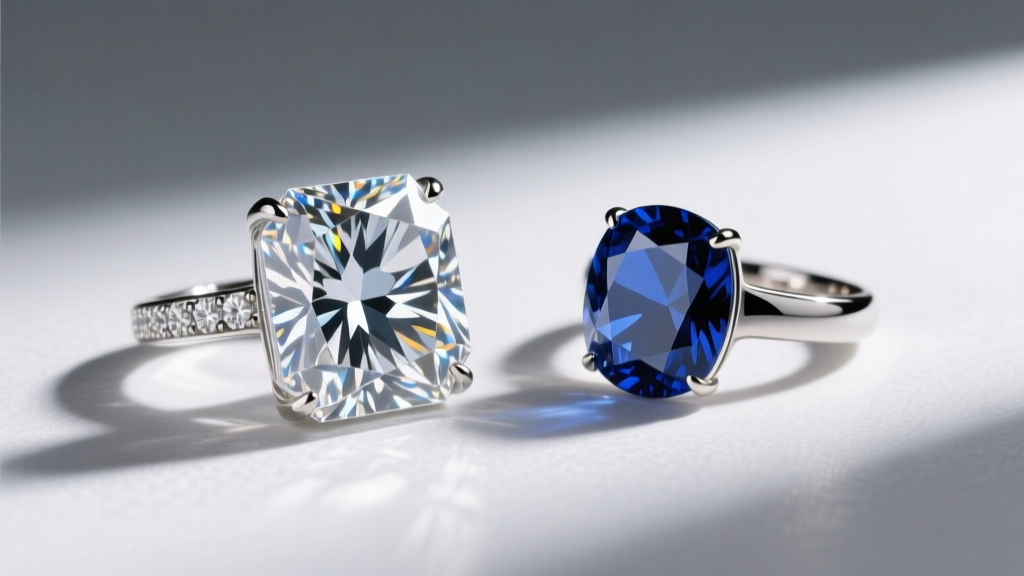
Evaluating the financial logic of a statement piece requires moving past the sticker price and adopting a Cost-Per-Wear (CPW) framework. Because statement pieces are inherently bold, they are typically worn less frequently than a simple gold hoop or a delicate pendant. Therefore, the acquisition cost must be balanced against the cost of maintenance and replacement.
The CPW Formula: (Total Cost of Item + Estimated Maintenance/Repair Costs) ÷ Estimated Number of Wears = Cost-Per-Wear.
Consider a large, geometric cocktail ring. A $45 brass-and-cubic-zirconia (CZ) piece from a fast-fashion retailer may seem like a budget win. However, the flash plating will likely wear off within ten wears, exposing the reactive brass underneath, which can cause skin discoloration. The CPW is $4.50 per wear, and the piece is then discarded.
Contrast this with a $350 demi-fine statement ring crafted from sterling silver with a 3-micron vermeil finish and a lab-grown center stone. If worn 50 times over three years, the CPW drops to $7.00 per wear. While the upfront cost is higher, the value retention, absence of skin irritation, and sustained visual brilliance make it a vastly superior financial decision. For a comprehensive breakdown of how lab-grown stones offer identical optical properties to mined stones at a fraction of the cost, refer to the educational resources provided by the Gemological Institute of America (GIA).
Pricing Red Flags and Misleading Terminology
When assessing the value of statement jewelry, buyers must navigate a minefield of marketing jargon designed to inflate prices without delivering material value. Guard your budget by watching for these specific red flags:
- 'Gold Plated' without Micron Disclosure: If a brand does not explicitly state the micron thickness of their plating, assume it is flash-plated (under 0.5 microns). Never pay demi-fine prices for unspecified gold-plated brass.
- 'Simulated' vs. 'Lab-Created' Gemstones: A large statement necklace featuring 'simulated emeralds' is typically made of green-colored glass or CZ. It holds virtually no intrinsic value. 'Lab-created emeralds,' however, possess the exact chemical and crystallographic structure of natural emeralds and hold legitimate value, justifying a higher price point.
- Hollow-Cast Fine Jewelry: In the fine jewelry tier, some designers create massive, oversized statement hoops or bangles using hollow-cast 14k gold to keep the price under $1,000. While the material is real gold, hollow-cast pieces dent easily and are nearly impossible to repair. Always opt for semi-solid or tubular constructions for structural integrity.
Smart Acquisition Strategies for Bold Designs
To maximize your jewelry budget in 2026, allocate your funds based on the physical location of the statement piece. High-friction areas demand higher material grades. For example, oversized statement rings and wide bangles constantly strike surfaces, rub against the skin, and encounter soaps and lotions. These pieces should strictly be purchased in solid 14k gold, gold-filled, or at minimum, heavy vermeil over sterling silver.
Conversely, statement earrings and dramatic collar necklaces experience significantly less friction and environmental exposure. This is where you can safely stretch your budget by investing in high-quality costume or lightweight demi-fine pieces. A pair of massive, sculptural resin and brass earrings from an independent artisan can provide immense visual impact for $85, and because they do not rub against the skin continuously, the brass base will not prematurely degrade the finish. By strategically mixing material tiers based on wear-and-tear realities, you can build a breathtaking collection of statement pieces that deliver maximum stylistic impact while respecting strict financial boundaries.


